

As a responsible dog owner, you’ve probably wondered whether it’s safe to share your salmon dinner with your furry companion. Salmon is widely recognized as a nutritious fish packed with omega-3 fatty acids, but what about the skin? This crispy, flavorful part of the fish often gets discarded, yet many pet parents wonder if their dogs can safely enjoy this potentially nutritious treat.
The question of whether can dogs eat salmon skin is more complex than a simple yes or no answer. While salmon skin can offer certain nutritional benefits, there are important safety considerations and preparation methods that every dog owner should understand before offering this food to their pet.
Nutritional Benefits of Salmon Skin for Dogs
Salmon skin is surprisingly rich in nutrients that can benefit your dog’s health when prepared and served correctly. The skin contains high levels of omega-3 fatty acids, particularly EPA (eicosapentaenoic acid) and DHA (docosahexaenoic acid), which are essential for maintaining healthy skin, coat, and joint function in dogs.
These omega-3 fatty acids play a crucial role in reducing inflammation throughout your dog’s body, which can be particularly beneficial for dogs suffering from arthritis, allergies, or other inflammatory conditions. The American Veterinary Medical Association recognizes the importance of omega-3 fatty acids in canine nutrition and their role in supporting overall health.
In addition to omega-3s, salmon skin provides high-quality protein that supports muscle development and maintenance. The skin also contains essential vitamins and minerals, including vitamin D, vitamin B12, and selenium, which contribute to immune system function and cellular health.

Safety Concerns and Potential Risks
While salmon skin can offer nutritional benefits, there are several important safety concerns that dog owners must consider. Raw salmon skin poses the most significant risk, as it can contain harmful bacteria such as Salmonella or parasites like Neorickettsia helminthoeca, which causes salmon poisoning disease in dogs.
Salmon poisoning disease is a serious condition that can be fatal if left untreated. Symptoms typically appear within 5-7 days of consumption and include vomiting, diarrhea, fever, loss of appetite, and dehydration. The Centers for Disease Control and Prevention emphasizes the importance of proper fish preparation to prevent foodborne illnesses.
Another concern is the potential for salmon skin to contain environmental contaminants such as mercury, PCBs (polychlorinated biphenyls), or other pollutants. Wild-caught salmon may have lower levels of certain contaminants compared to farmed salmon, but both can pose risks if consumed in large quantities.
The high fat content in salmon skin, while nutritionally beneficial in moderation, can cause digestive upset in some dogs, particularly those with sensitive stomachs or a history of pancreatitis. Dogs with pancreatitis should generally avoid high-fat foods, and salmon skin falls into this category.
Safe Preparation Methods
If you decide to offer salmon skin to your dog, proper preparation is absolutely essential for safety. Never give your dog raw salmon skin, as this poses the highest risk for bacterial contamination and parasites. Instead, the skin must be thoroughly cooked to eliminate potential pathogens.
The safest preparation method is to bake or grill the salmon skin without any seasonings, oils, or additives. Remove all scales and ensure the skin is cooked until it becomes crispy and fully heated through. Avoid using salt, garlic, onion, or other seasonings that can be toxic to dogs. Unlike some cooking oils that dogs can have, such as can dogs have olive oil, it’s best to cook salmon skin without any added fats.
After cooking, allow the salmon skin to cool completely before offering it to your dog. Cut it into appropriate-sized pieces based on your dog’s size – smaller pieces for smaller dogs to prevent choking hazards. Always supervise your dog while they’re eating salmon skin to ensure they chew it properly.
Some pet owners prefer to dehydrate salmon skin to create a jerky-like treat. This method involves slowly drying the cooked skin at low temperatures until it becomes completely dried and shelf-stable. However, commercial dehydrators designed for pet treats are recommended over home methods to ensure safety.
Serving Size Guidelines and Frequency
Moderation is key when offering salmon skin to your dog. Even when prepared safely, salmon skin should only be given as an occasional treat, not a regular part of your dog’s diet. The high fat content means that too much can lead to digestive issues or contribute to obesity over time.
For small dogs (under 25 pounds), a piece of salmon skin no larger than your thumbnail should be sufficient. Medium-sized dogs (25-60 pounds) can handle pieces about the size of a quarter, while large dogs (over 60 pounds) can have slightly larger portions, but still no more than a few small pieces at a time.
The frequency of offering salmon skin should be limited to no more than once or twice per week, and it should count toward your dog’s daily treat allowance. According to the American Kennel Club, treats should make up no more than 10% of your dog’s daily caloric intake.
Monitor your dog closely after the first time you offer salmon skin. Watch for any signs of digestive upset, including vomiting, diarrhea, excessive gas, or changes in appetite. If you notice any adverse reactions, discontinue offering salmon skin and consult with your veterinarian.
Alternative Fish Options for Dogs
If you’re concerned about the risks associated with salmon skin or if your dog doesn’t tolerate it well, there are several alternative fish options that can provide similar nutritional benefits. Understanding whether can dogs have fish in general can help you make informed decisions about your pet’s diet.
Sardines are an excellent alternative that many dogs enjoy. These small fish are typically lower in contaminants and can be found in dog-safe preparations. Many pet owners wonder can dogs eat sardines and the answer is generally yes, when prepared properly. In fact, are sardines good for dogs is a common question with a positive answer, as they provide omega-3 fatty acids without many of the risks associated with larger fish.
Other safe fish options for dogs include cooked mackerel, herring, and anchovies. These smaller fish typically have lower mercury levels and can provide similar omega-3 benefits. Always ensure any fish offered to dogs is fully cooked, deboned, and free from seasonings or additives.
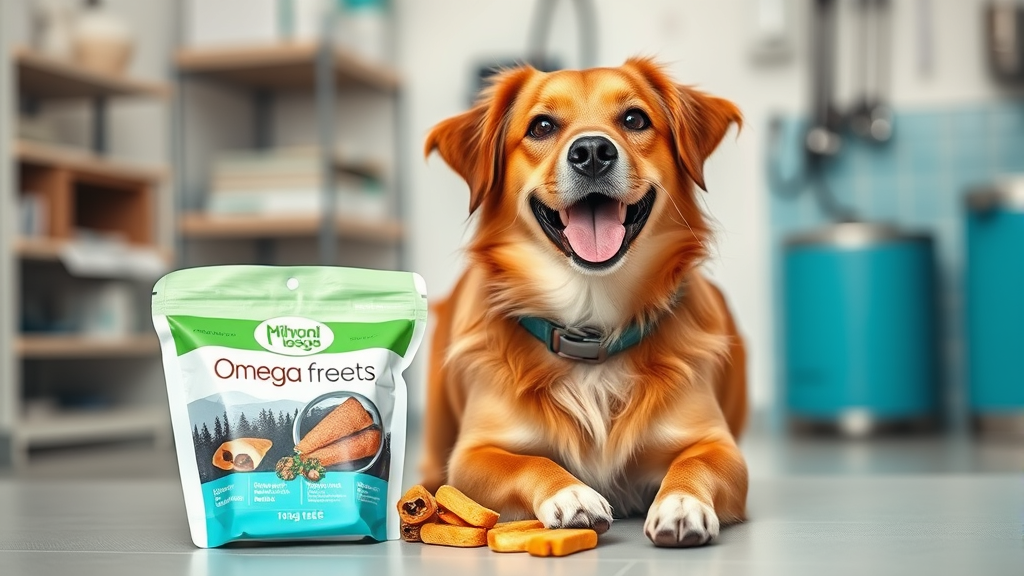
Commercial fish-based dog treats are another safe alternative. These products are specifically formulated for canine consumption and undergo safety testing to ensure they meet pet food standards. The FDA’s Center for Veterinary Medicine regulates pet food safety and provides guidelines for manufacturers.
When to Avoid Salmon Skin Completely
Certain dogs should never be given salmon skin, regardless of how it’s prepared. Dogs with a history of pancreatitis should avoid high-fat foods like salmon skin, as it can trigger painful flare-ups of this condition. Similarly, dogs with sensitive digestive systems or food allergies may not tolerate salmon skin well.
Puppies under six months of age should not be given salmon skin, as their digestive systems are still developing and may not be able to handle the high fat content. Senior dogs with compromised digestive function may also need to avoid rich foods like salmon skin.
If your dog is on a prescription diet for medical reasons, consult with your veterinarian before introducing any new foods, including salmon skin. Some medical conditions require strict dietary management, and adding treats could interfere with treatment plans.
Dogs taking certain medications, particularly those affecting blood clotting, should avoid salmon skin due to its omega-3 content, which can have blood-thinning effects. Always check with your veterinarian about potential food-drug interactions.
Just as you might consider whether can dogs eat bones or other protein sources like can dogs eat ground beef, it’s important to evaluate each dog’s individual needs and health status before introducing salmon skin into their diet.
Frequently Asked Questions
Can dogs eat raw salmon skin?
No, dogs should never eat raw salmon skin. Raw salmon can contain harmful bacteria and parasites, including the organism that causes salmon poisoning disease, which can be fatal to dogs. Always cook salmon skin thoroughly before offering it to your pet, and ensure it reaches an internal temperature that kills potential pathogens.
How often can I give my dog salmon skin?
Salmon skin should only be given as an occasional treat, no more than once or twice per week. Due to its high fat content, frequent consumption can lead to digestive issues, weight gain, or pancreatitis. Remember that treats should make up no more than 10% of your dog’s daily caloric intake, as recommended by veterinary nutritionists.
What are the signs of salmon poisoning in dogs?
Symptoms of salmon poisoning typically appear 5-7 days after consumption and include vomiting, diarrhea, fever, loss of appetite, dehydration, and lethargy. In severe cases, dogs may develop bloody diarrhea or collapse. If you suspect salmon poisoning, contact your veterinarian immediately, as this condition can be fatal without prompt treatment.
Is farmed or wild salmon skin better for dogs?
Both farmed and wild salmon can be safe for dogs when properly prepared, but they have different risk profiles. Wild salmon may contain fewer antibiotics and artificial additives but could have higher levels of environmental contaminants. Farmed salmon may have lower mercury levels but could contain other contaminants. Regardless of the source, proper cooking is essential for safety.
Can salmon skin help with my dog’s coat and skin health?
Yes, the omega-3 fatty acids in salmon skin can contribute to healthier skin and a shinier coat when given as part of a balanced diet. However, salmon skin alone won’t solve skin problems, and dogs with existing skin conditions should be evaluated by a veterinarian. The benefits of omega-3s for dogs are well-documented, but they work best as part of comprehensive care.
What should I do if my dog accidentally ate seasoned salmon skin?
If your dog consumed salmon skin with seasonings, monitor them closely for signs of toxicity, especially if the seasonings included garlic, onion, or excessive salt. Contact your veterinarian immediately if you notice vomiting, diarrhea, excessive thirst, difficulty breathing, or unusual behavior. The severity of the reaction will depend on the type and amount of seasonings consumed.
Are there any dogs that should never have salmon skin?
Yes, dogs with pancreatitis, severe food allergies, or those on strict prescription diets should avoid salmon skin. Puppies under six months and senior dogs with digestive issues may also need to avoid high-fat treats like salmon skin. Dogs taking blood-thinning medications should consult their veterinarian before consuming omega-3 rich foods. When in doubt, similar to considerations about can dogs have avocado oil, always consult with your veterinarian about your dog’s specific dietary needs.





