

As dog owners, we often find ourselves wondering whether our furry companions can share in our favorite foods. One common question that arises is whether dogs can safely consume sour cream, that tangy dairy product we love to dollop on our baked potatoes, tacos, and various dishes. The relationship between dogs and dairy products is complex, and understanding the implications of feeding sour cream to your pet is crucial for their health and wellbeing.
While sour cream isn’t necessarily toxic to dogs, there are several important factors to consider before offering this creamy condiment to your canine friend. From lactose intolerance to high fat content, the decision to share sour cream with your dog requires careful consideration of their individual dietary needs and potential health risks. Let’s explore everything you need to know about dogs and sour cream to make an informed decision for your pet’s diet.
What is Sour Cream and Its Nutritional Profile
Sour cream is a dairy product created by fermenting regular cream with lactic acid bacteria, resulting in its characteristic tangy flavor and thick consistency. This fermentation process gives sour cream its distinctive taste while also affecting its nutritional composition. Understanding what’s in sour cream is essential when considering whether dogs can eat sour cream safely.
A typical serving of sour cream contains approximately 60 calories per two tablespoons, with about 6 grams of fat, 1 gram of protein, and 1 gram of carbohydrates. The high fat content is one of the primary concerns when it comes to feeding sour cream to dogs, as their digestive systems aren’t designed to handle large amounts of dietary fat efficiently.
The fermentation process that creates sour cream does reduce some of the lactose content compared to regular cream, but significant amounts remain. This is important because most adult dogs have varying degrees of lactose intolerance, making dairy products potentially problematic for their digestive systems.
Additionally, many commercial sour cream products contain additives, preservatives, and stabilizers that may not be suitable for canine consumption. Some brands include ingredients like carrageenan, artificial flavors, or additional salt, which can pose additional health concerns for dogs.
Understanding Lactose Intolerance in Dogs
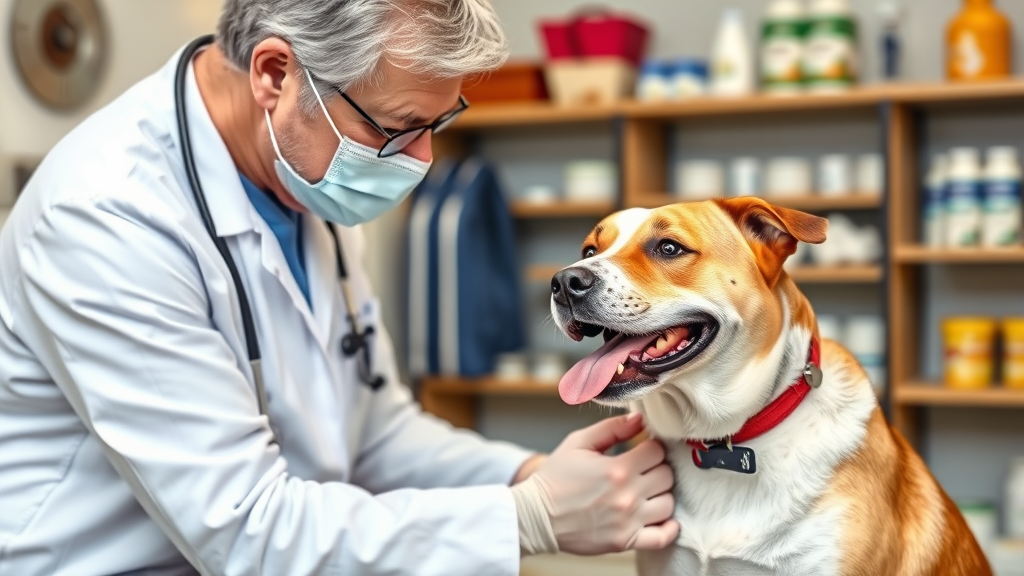
The majority of adult dogs experience some degree of lactose intolerance, which occurs when their bodies don’t produce sufficient amounts of lactase, the enzyme responsible for breaking down lactose found in dairy products. This is a natural development as dogs mature, similar to what happens in many humans after weaning.
Puppies are born with high levels of lactase to help them digest their mother’s milk, but production typically decreases as they transition to solid food. By adulthood, most dogs have significantly reduced lactase production, making it difficult for them to properly digest lactose-containing products like sour cream.
The severity of lactose intolerance varies among individual dogs. Some may experience mild digestive upset with small amounts of dairy, while others may have severe reactions to even tiny quantities. Factors such as breed, size, age, and individual metabolism all play roles in determining how well a dog can tolerate dairy products.
When lactose-intolerant dogs consume dairy products, the undigested lactose ferments in their intestines, leading to gas production, bloating, diarrhea, and abdominal discomfort. These symptoms can range from mild to severe and typically appear within a few hours of consumption.
Potential Health Risks of Sour Cream for Dogs
Beyond lactose intolerance, several other health risks are associated with feeding sour cream to dogs. The high fat content is perhaps the most significant concern, as it can lead to both immediate and long-term health issues. Dogs that consume high-fat foods regularly are at increased risk of developing pancreatitis, a serious and potentially life-threatening condition.
Pancreatitis occurs when the pancreas becomes inflamed, often triggered by consuming fatty foods. Symptoms include vomiting, diarrhea, abdominal pain, lethargy, and loss of appetite. In severe cases, pancreatitis can lead to complications requiring emergency veterinary care and hospitalization.
The caloric density of sour cream also poses risks for weight management. Dogs that regularly consume high-calorie treats like sour cream are more likely to become overweight or obese, leading to additional health problems such as joint issues, diabetes, and cardiovascular problems. The American Veterinary Medical Association emphasizes the importance of maintaining proper weight in dogs for overall health.
Some dogs may also be allergic to milk proteins found in sour cream, separate from lactose intolerance. Dairy allergies can cause skin irritation, excessive scratching, ear infections, and digestive upset. These allergic reactions may develop over time with repeated exposure.
Safe Serving Guidelines and Alternatives
If you decide to offer your dog a small taste of sour cream occasionally, strict moderation is essential. Most veterinarians recommend limiting dairy treats to no more than 10% of your dog’s daily caloric intake, with even smaller amounts being preferable for sour cream due to its high fat content.
For a small dog weighing 10-20 pounds, this might mean no more than a tiny lick or half a teaspoon occasionally. Larger dogs might tolerate slightly more, but even for a 50-pound dog, a teaspoon would be the maximum safe amount, and only as an infrequent treat.
Before introducing any new food, including sour cream, start with the smallest possible amount and monitor your dog closely for any adverse reactions. Watch for signs of digestive upset, changes in bowel movements, or unusual behavior that might indicate discomfort.
It’s also important to choose plain, unsweetened sour cream without additives if you do decide to share. Avoid flavored varieties or those containing artificial sweeteners, particularly xylitol, which is toxic to dogs. Reading ingredient labels carefully is crucial for your pet’s safety.
Healthier Dairy Alternatives for Dogs
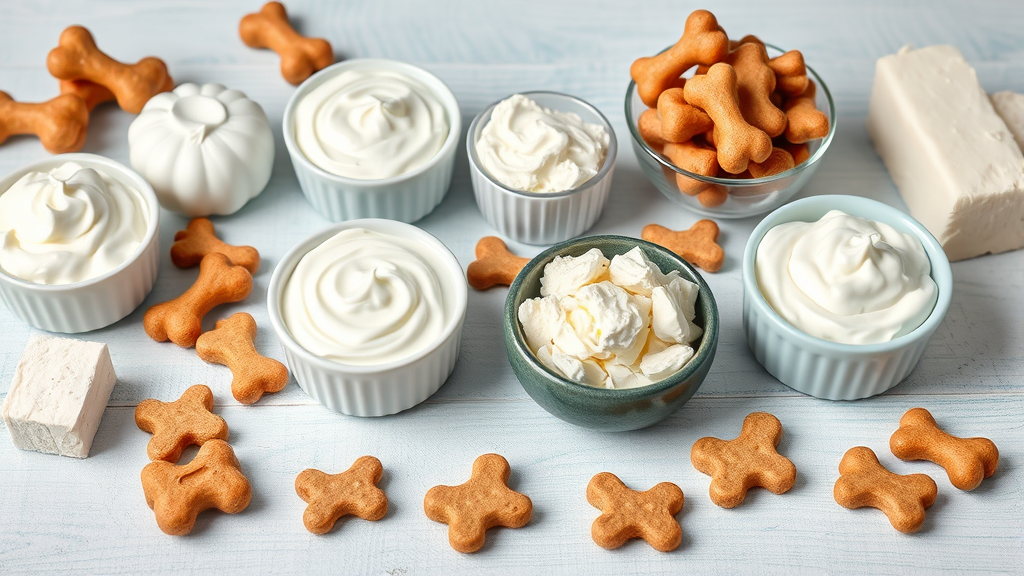
If your dog enjoys creamy textures and you’re looking for safer alternatives to sour cream, several options provide similar satisfaction with fewer health risks. Greek yogurt can be a better choice as it contains beneficial probiotics and typically has lower lactose content due to the straining process.
When selecting yogurt for dogs, choose plain, unsweetened varieties without artificial sweeteners or added sugars. The probiotics in yogurt can actually benefit your dog’s digestive health, making it a more nutritious option than sour cream when given in moderation.
Cottage cheese is another dairy alternative that many dogs tolerate better than sour cream. It’s lower in fat and often easier to digest, though it should still be given sparingly and only to dogs who don’t show signs of dairy sensitivity.
For dogs with known dairy sensitivities, non-dairy alternatives might be the safest option. Coconut cream (in very small amounts), plain pumpkin puree, or specially formulated dog treats can provide creamy textures without the risks associated with dairy products.
The American Kennel Club provides comprehensive guidelines on safe foods for dogs, emphasizing that treats should complement, not replace, a balanced commercial dog food diet.
Signs to Watch For After Consumption
If your dog has consumed sour cream, monitoring them closely for the next 24-48 hours is important. Digestive reactions typically occur within 2-12 hours of consumption, though some symptoms may take longer to develop.
Common signs of dairy intolerance include loose stools or diarrhea, excessive gas, vomiting, abdominal bloating, and signs of discomfort such as whining or restlessness. Some dogs may also experience increased thirst and urination as their bodies attempt to process the unfamiliar food.
More serious symptoms that require immediate veterinary attention include persistent vomiting, severe diarrhea leading to dehydration, extreme lethargy, loss of appetite for more than 24 hours, or signs of abdominal pain such as a hunched posture or reluctance to move.
Skin reactions, while less common with sour cream consumption, can include increased scratching, red or irritated skin, or the development of hives. These symptoms might indicate a dairy protein allergy rather than simple lactose intolerance.
Keep a log of what your dog ate and when symptoms appeared, as this information will be valuable for your veterinarian if professional care becomes necessary. The ASPCA Animal Poison Control Center provides resources for pet owners dealing with food-related health concerns.
When to Consult Your Veterinarian
While occasional small amounts of sour cream are unlikely to cause serious harm to most dogs, certain situations warrant professional veterinary consultation. Dogs with pre-existing health conditions such as pancreatitis, diabetes, or gastrointestinal disorders should never be given sour cream without veterinary approval.
If your dog shows any signs of severe digestive upset, including persistent vomiting, bloody diarrhea, or signs of dehydration, contact your veterinarian immediately. Dehydration can be particularly dangerous in smaller dogs and puppies, who can deteriorate quickly.
Senior dogs and puppies under six months of age are generally more sensitive to dietary changes and may require veterinary guidance before introducing any new foods, including dairy products. Their digestive systems are either not fully developed or may be compromised due to age.
It’s also wise to consult your veterinarian if you’re considering making any dairy products a regular part of your dog’s diet. They can provide personalized advice based on your dog’s breed, size, age, health status, and current diet. Many veterinarians can also recommend specific dog-safe treats that provide similar satisfaction without the associated risks.
The FDA’s Center for Veterinary Medicine provides guidelines on pet nutrition and food safety that can help inform your decisions about your dog’s diet.
Frequently Asked Questions
Can dogs have sour cream in small amounts?
While not toxic, sour cream should only be given to dogs in very small amounts as an occasional treat. Most dogs are lactose intolerant and the high fat content can cause digestive upset and potentially lead to pancreatitis. If you choose to give your dog sour cream, limit it to a tiny taste and monitor for any adverse reactions.
What happens if my dog eats too much sour cream?
If your dog consumes a large amount of sour cream, they may experience digestive symptoms including diarrhea, vomiting, gas, and abdominal discomfort. The high fat content could also trigger pancreatitis in susceptible dogs. Monitor your pet closely and contact your veterinarian if symptoms are severe or persistent.
Are there any dogs that should never have sour cream?
Dogs with known dairy allergies, lactose intolerance, pancreatitis, diabetes, or gastrointestinal disorders should avoid sour cream entirely. Puppies under six months and senior dogs with compromised digestive systems should also avoid dairy products unless approved by a veterinarian. When in doubt, consult with your vet about dairy alternatives for your pet.
Is sour cream better or worse than other dairy products for dogs?
Sour cream is generally worse than some other dairy options due to its high fat content. Plain yogurt or cottage cheese are typically better choices as they often contain beneficial probiotics and may be lower in fat. However, all dairy should be given sparingly to dogs.
How can I tell if my dog is lactose intolerant?
Signs of lactose intolerance in dogs include diarrhea, gas, vomiting, bloating, and abdominal discomfort after consuming dairy products. These symptoms typically appear within 2-12 hours of consumption. If you suspect your dog is lactose intolerant, avoid giving them dairy products and consult your veterinarian.
What should I do if my dog accidentally eats a lot of sour cream?
If your dog consumes a large amount of sour cream, withhold food for a few hours to allow their stomach to settle, then offer small amounts of water. Monitor for symptoms like vomiting, diarrhea, or lethargy. Contact your veterinarian if symptoms are severe, persist beyond 24 hours, or if your dog shows signs of dehydration or extreme discomfort.
Are there any safe dairy alternatives I can give my dog instead?
Some safer dairy alternatives include small amounts of plain, unsweetened yogurt with live cultures, or low-fat cottage cheese for dogs who tolerate dairy well. For dogs with dairy sensitivities, consider non-dairy options like plain pumpkin puree or specially formulated dog treats. Always introduce new foods gradually and in small amounts while monitoring for reactions.





