

Many dog owners are constantly searching for healthy, safe treats to share with their beloved pets. While we know certain foods can be dangerous for dogs, there’s a wonderful surprise waiting in your produce aisle: squash! This versatile vegetable family offers numerous nutritional benefits and can be a fantastic addition to your dog’s diet when prepared properly.
From butternut to acorn, zucchini to pumpkin, squash varieties provide essential vitamins, minerals, and fiber that can support your dog’s overall health. Understanding which types are safe, how to prepare them, and what benefits they offer can help you make informed decisions about incorporating this nutritious vegetable into your pet’s meal plan.
Is Squash Safe for Dogs?
The short answer is yes – most varieties of squash are completely safe for dogs to consume. According to the ASPCA’s list of non-toxic plants, squash is not among the foods that pose risks to canine health. This makes it an excellent choice for pet owners looking to diversify their dog’s diet with natural, wholesome ingredients.
When considering can dogs eat squash, it’s important to understand that the flesh of most squash varieties contains beneficial nutrients without harmful compounds. Unlike some human foods that can be toxic to dogs, squash offers a safe way to provide additional vitamins and minerals to your pet’s diet.
However, like any new food introduction, squash should be given in moderation and prepared appropriately. Raw squash can be difficult for dogs to digest, and certain preparation methods may introduce ingredients that aren’t suitable for canine consumption. The key is understanding proper preparation and portion control.
Nutritional Benefits of Squash for Dogs
Squash is packed with essential nutrients that can significantly benefit your dog’s health. This low-calorie vegetable is rich in beta-carotene, which converts to vitamin A in the body and supports eye health, immune function, and skin integrity. The USDA nutrition database shows that squash varieties contain substantial amounts of vitamins C, E, and several B vitamins.
The high fiber content in squash can aid in digestive health, helping to regulate bowel movements and support a healthy gut microbiome. This is particularly beneficial for dogs with sensitive stomachs or those prone to digestive issues. Additionally, the potassium content supports heart health and proper muscle function.
Squash also contains antioxidants that help combat free radicals and reduce inflammation in the body. These compounds may contribute to better long-term health outcomes and could help slow the aging process. The low calorie content makes squash an excellent treat option for dogs that need to maintain or lose weight.
Just as carrots are good for dogs, squash provides similar benefits with its rich nutrient profile. The natural sweetness of most squash varieties also makes them appealing to many dogs, even those who are typically picky eaters.
Types of Squash Dogs Can Eat
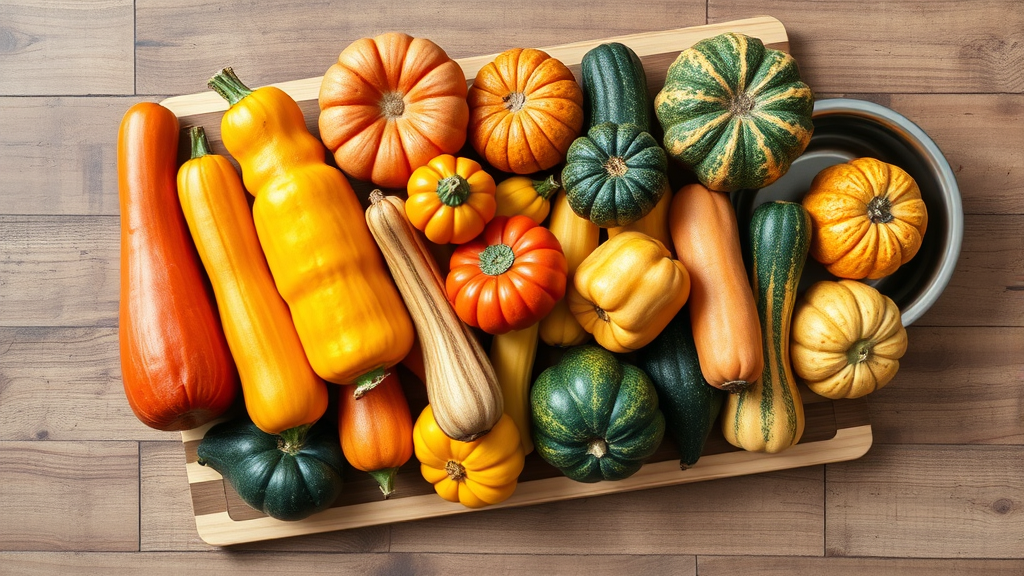
Several varieties of squash are safe and beneficial for dogs. Winter squashes like butternut, acorn, and delicata are excellent choices due to their sweet flavor and soft texture when cooked. Butternut squash is particularly popular among pet owners because of its mild taste and easy preparation.
Summer squashes, including zucchini and yellow squash, are also safe options. Zucchini is especially beneficial due to its high water content, which can help with hydration, and its low calorie count makes it perfect for weight management.
Pumpkin deserves special mention as one of the most beneficial squash varieties for dogs. Many veterinarians recommend pumpkin for digestive issues, and it’s often used in commercial dog foods and treats. When wondering can dogs eat pumpkin, the answer is a resounding yes, with numerous health benefits documented by veterinary professionals.
Spaghetti squash is another safe option, though its unique texture may not appeal to all dogs. The stringy consistency can be interesting for some pets, while others may prefer the smoother texture of other varieties. Hubbard squash and kabocha squash are also safe, though they should always be cooked thoroughly due to their tough texture.
How to Prepare Squash for Your Dog
Proper preparation is crucial when serving squash to your dog. Always remove the skin, seeds, and any tough portions before cooking. While the flesh is safe, pumpkin seeds and other squash seeds can pose choking hazards or cause digestive upset in some dogs.
Cooking methods should be simple and avoid added ingredients that might harm your pet. Steaming, boiling, or roasting without seasonings are the best approaches. Never add salt, garlic, onion, or other seasonings that can be toxic to dogs. The American Veterinary Medical Association emphasizes the importance of avoiding these additives when preparing human foods for pets.
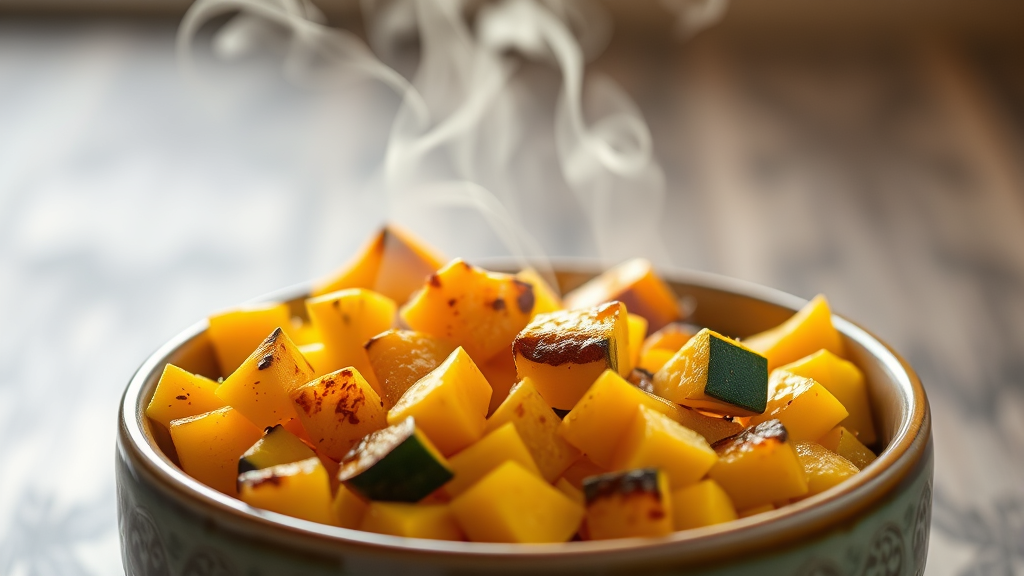
Roasting squash brings out natural sweetness and creates a appealing texture for most dogs. Simply cut the squash into appropriate-sized pieces, remove seeds and skin, and roast at 400°F until tender. Allow the squash to cool completely before serving to prevent burns.
For dogs with sensitive digestive systems, pureeing cooked squash can make it easier to digest. This preparation method is particularly useful for senior dogs or those recovering from illness. You can also mash cooked squash with a fork for a chunky texture that many dogs enjoy.
Serving Size and Frequency Guidelines
Moderation is key when introducing squash to your dog’s diet. For small dogs under 20 pounds, start with just a teaspoon or two of cooked squash. Medium dogs can have up to a tablespoon, while large dogs can safely consume 2-3 tablespoons per serving. These portions should represent no more than 10% of your dog’s daily caloric intake.
Frequency of feeding should also be controlled. Offering squash 2-3 times per week is generally appropriate for most dogs. Daily feeding isn’t necessary and could lead to digestive upset or nutritional imbalances. The Pet Food Institute recommends treating all human foods as occasional supplements rather than dietary staples.
When first introducing squash, start with very small amounts and monitor your dog’s reaction. Some dogs may experience loose stools if given too much fiber too quickly. Gradually increase the portion size over several days if your dog tolerates the initial servings well.
Similar to how you might introduce other vegetables like broccoli or cauliflower, squash should be added slowly to allow your dog’s digestive system to adjust. Keep a food diary to track any changes in appetite, energy levels, or digestive patterns.
Potential Risks and Precautions
While squash is generally safe for dogs, there are some precautions to consider. Raw squash can be difficult to digest and may cause stomach upset in sensitive dogs. Always cook squash thoroughly before serving, as this breaks down tough fibers and makes nutrients more bioavailable.
Overfeeding squash can lead to digestive issues, including diarrhea or gas. The high fiber content, while beneficial in appropriate amounts, can cause problems when consumed in excess. Dogs with existing digestive conditions should consult with their veterinarian before adding new foods to their diet.
Some dogs may have individual sensitivities or allergies to squash, though this is relatively uncommon. Signs of food sensitivity include vomiting, diarrhea, excessive gas, or skin irritation. If you notice any of these symptoms after introducing squash, discontinue feeding and consult your veterinarian.
The seeds and skin of squash varieties should always be removed. Seeds can present choking hazards or cause intestinal blockages, particularly in smaller dogs. Tough skins are difficult to digest and may cause gastrointestinal discomfort. According to the Humane Society, proper food preparation is essential for pet safety.
Simple Squash Recipes for Dogs
Creating homemade treats with squash is both simple and rewarding. A basic recipe involves steaming cubed butternut squash until tender, then mashing it into a puree. This can be served alone as a treat or mixed with your dog’s regular food for added nutrition and flavor.
For a frozen summer treat, puree cooked squash with a small amount of plain yogurt (ensure it’s xylitol-free) and freeze in ice cube trays. These frozen treats are perfect for hot days and provide a cooling, nutritious snack that most dogs love.
Dehydrated squash chips make excellent training treats. Slice cooked squash thinly and dehydrate at low temperatures until crispy. These portable treats are perfect for walks or training sessions and have a long shelf life when stored properly.
You can also incorporate squash into homemade dog biscuits. Combine pureed squash with dog-safe flours like oat or rice flour, add an egg for binding, and bake until golden. The American Kennel Club provides additional guidelines for homemade dog treat preparation and safety considerations.
Frequently Asked Questions
Can puppies eat squash?
Yes, puppies can eat squash, but it should be introduced gradually after they’re weaned and eating solid food. Start with very small amounts of well-cooked, pureed squash. Puppies have sensitive digestive systems, so monitor closely for any adverse reactions. Always consult with your veterinarian before introducing new foods to a puppy’s diet.
Is canned squash or pumpkin safe for dogs?
Plain canned pumpkin or squash without added ingredients is safe for dogs. However, avoid canned products with added sugars, spices, or preservatives. Always check the ingredient list carefully. Fresh, cooked squash is generally preferable as you have complete control over the preparation and ingredients.
How much squash is too much for a dog?
Too much squash can cause digestive upset, including diarrhea and gas. Generally, squash should not exceed 10% of your dog’s daily caloric intake. For most dogs, this means 1-3 tablespoons per day maximum, depending on their size. Start with smaller amounts and gradually increase while monitoring your dog’s response.
Can diabetic dogs eat squash?
Squash can be suitable for diabetic dogs due to its relatively low glycemic index and high fiber content, which can help regulate blood sugar. However, diabetic dogs require careful dietary management, so always consult with your veterinarian before adding new foods. They may recommend specific portions or preparation methods based on your dog’s individual needs.
What should I do if my dog eats raw squash?
If your dog eats a small amount of raw squash, monitor them for digestive upset but don’t panic. Raw squash isn’t toxic, just harder to digest. Watch for symptoms like vomiting, diarrhea, or excessive gas. If your dog consumed a large amount or shows concerning symptoms, contact your veterinarian for guidance.
Are squash seeds dangerous for dogs?
While not necessarily toxic, squash seeds can pose choking hazards and may cause digestive blockages, especially in smaller dogs. Some seeds, like those from certain pumpkin varieties, are actually nutritious when prepared properly. However, it’s safest to remove all seeds before serving squash to your dog. If you’re interested in pumpkin seeds specifically, they require special preparation.
Can I give my dog squash every day?
While squash is safe and nutritious, daily feeding isn’t recommended. Variety is important in a dog’s diet, and too much of any single food can cause nutritional imbalances or digestive issues. Offering squash 2-3 times per week is more appropriate, allowing your dog to enjoy the benefits without overconsumption. Always maintain balance with their regular, complete dog food.





