

Can Dogs Have Stevia? Safety Guide for Pet Owners
As a pet owner, you’re probably always looking for ways to share treats with your furry best friend. Whether it’s a bite of your dessert or a special snack, the desire to include our dogs in our meals is completely natural. But when it comes to sweeteners, things get a bit more complicated. You might be wondering: can dogs have stevia? It’s a great question, and one that deserves a thorough answer based on current veterinary science.
Stevia has become increasingly popular among health-conscious humans over the past decade. This natural sweetener is derived from the leaves of the Stevia rebaudiana plant and is used in everything from diet sodas to sugar-free desserts. Since many pet owners are making the switch to stevia themselves, it’s natural to wonder whether this sweetener is safe for our canine companions. The answer, fortunately, is more nuanced than a simple yes or no.
In this comprehensive guide, we’ll explore what stevia is, how it affects dogs, and what you need to know to keep your pup safe. We’ll also discuss safer alternatives and answer some of the most common questions pet owners have about sweeteners and dog nutrition.
What Is Stevia?
Stevia is a non-caloric sweetener derived from the leaves of the Stevia rebaudiana plant, which is native to South America. Unlike artificial sweeteners such as aspartame or sucralose, stevia is considered a natural sweetener. The plant has been used for centuries by indigenous peoples in Paraguay and Brazil for both culinary and medicinal purposes.
The sweetening compounds in stevia are called glycosides, primarily stevioside and rebaudioside A. These compounds are responsible for stevia’s sweetness—in fact, stevia is approximately 200 to 300 times sweeter than regular table sugar. Because of this intense sweetness, only tiny amounts are needed to achieve the desired flavor in food and beverages.
Stevia is available in several forms for consumer use. You’ll find it as whole dried leaves, liquid extracts, powdered concentrate, and blended products mixed with other ingredients like erythritol or dextrose. The form matters quite a bit when considering safety for pets, as we’ll explore further.
Is Stevia Safe for Dogs?
The good news is that pure stevia appears to be safe for dogs in small amounts. According to veterinary toxicology resources and the ASPCA Animal Poison Control Center, pure stevia itself is not toxic to dogs. This means that if your pup accidentally licks a small amount of a diet soda sweetened with stevia or gets into a stevia-sweetened treat, it’s unlikely to cause serious harm.
However, there’s an important caveat: while pure stevia isn’t toxic, it’s still not something you should deliberately feed your dog. Here’s why:
- Digestive upset: Dogs’ digestive systems are designed to process meat and simple carbohydrates, not complex sweeteners. Stevia can cause gastrointestinal distress, including diarrhea, vomiting, and stomach upset.
- Unnecessary calories and ingredients: Most stevia-sweetened products contain other ingredients that may not be ideal for dogs, such as artificial flavors, preservatives, or other additives.
- Behavioral concerns: Regularly offering sweet-tasting foods can encourage unhealthy begging behaviors and may create preferences for human foods.
- Dental health: While stevia doesn’t cause cavities like sugar does, frequent exposure to sweet tastes isn’t beneficial for your dog’s overall oral health.
The key takeaway is that accidental exposure to small amounts of pure stevia is unlikely to be dangerous, but intentional feeding is not recommended.
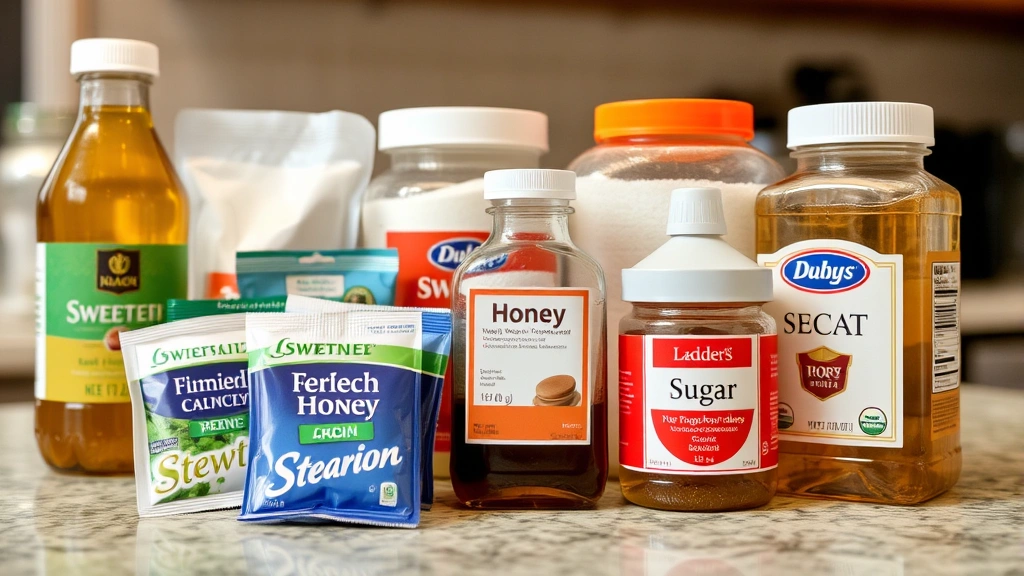
Pure Stevia vs. Stevia Products
This distinction is absolutely critical when it comes to dog safety. While pure stevia is relatively safe, many commercial products marketed as “stevia-sweetened” contain additional ingredients that may be harmful to dogs.
Pure Stevia: If you have pure stevia extract or powder at home, the stevia compound itself won’t poison your dog. However, it may still cause digestive upset if consumed in significant quantities.
Stevia-Sweetened Products: This is where problems can arise. Many diet sodas, sugar-free candies, and low-calorie treats sweetened with stevia also contain other artificial sweeteners. One of the most dangerous is xylitol, which is highly toxic to dogs even in small amounts. Xylitol can cause rapid insulin release, leading to severe hypoglycemia, liver damage, and potentially death.
When examining any product, always check the ingredient list carefully. If a product is sweetened with stevia but also contains xylitol, sorbitol, or other artificial sweeteners, keep it far away from your dog. We have a detailed guide about whether sorbitol is safe for dogs that covers other problematic sweeteners in depth.
Additionally, stevia-sweetened products often contain flavorings, thickeners, and preservatives that aren’t ideal for canine consumption. Some may even contain chocolate or other toxic ingredients, so always read the full ingredient list before sharing any human food with your pup.
How Stevia Compares to Other Sweeteners
To better understand where stevia stands in the spectrum of dog safety, let’s compare it to other common sweeteners:
Regular Sugar: Dogs can consume small amounts of regular sugar without it being toxic, but it’s still not recommended. Sugar contributes to obesity, dental problems, and diabetes in dogs. If you’re wondering about alternatives to regular sugar, check out our article on whether dogs can have sugar for more details. We also have specific information about brown sugar safety for dogs.
Xylitol: This is the dangerous one. Xylitol is highly toxic to dogs and can cause liver failure and death. It’s found in many “sugar-free” products, so extreme caution is warranted. Always check labels carefully.
Honey: Raw honey is generally safe for adult dogs in small amounts, though it should be avoided for puppies under one year old due to botulism risk. However, honey still contains natural sugars and calories.
Erythritol: This sugar alcohol is considered safer for dogs than xylitol or sorbitol, though it can still cause digestive upset in large quantities.
Stevia: Among these options, pure stevia ranks as relatively safe but still not ideal for regular consumption. It won’t cause the severe toxicity issues of xylitol, but it offers no nutritional benefit and can cause digestive upset.
What to Do If Your Dog Ingests Stevia
If your dog accidentally gets into a stevia-sweetened product, don’t panic. In most cases, a small amount of pure stevia won’t cause serious problems. However, you should monitor your dog for signs of digestive upset.
Signs of digestive upset include:
- Vomiting
- Diarrhea
- Abdominal cramping or pain
- Loss of appetite
- Lethargy
- Excessive drooling
If your dog shows any of these symptoms, especially if they’re severe or persistent, contact your veterinarian. This is particularly important if the stevia product also contained other ingredients you’re unsure about. Your vet can provide appropriate treatment and monitor your dog’s condition.
If your dog ingested a product containing xylitol along with stevia, this is a medical emergency. Xylitol toxicity requires immediate veterinary attention. Contact your vet or an emergency animal poison control center right away. The ASPCA’s Pet Poison Helpline is available 24/7 and can provide immediate guidance.
When you contact your veterinarian or poison control, have the following information ready:
- The name of the product ingested
- The approximate amount your dog consumed
- When the ingestion occurred
- Your dog’s weight and age
- Any symptoms your dog is currently experiencing
Safe Treat Alternatives for Your Dog
Rather than worrying about stevia or other artificial sweeteners, why not focus on naturally safe and healthy treats your dog will love? There are plenty of delicious options that provide nutritional value without any safety concerns.
Fruit and Vegetable Treats:
- Apple slices (remove seeds)
- Bananas (in moderation)
- Blueberries
- Carrots (great for dental health)
- Green beans
- Watermelon (remove seeds)
- Pumpkin puree
Protein-Based Treats:
- Plain cooked chicken
- Unsalted peanut butter (verify it doesn’t contain xylitol)
- Hard-boiled eggs
- Plain Greek yogurt (unsweetened)
Commercial Dog Treats: If you prefer commercial options, look for treats made with whole food ingredients and no artificial sweeteners. Many reputable brands offer healthy options specifically formulated for dogs.
If you’re interested in baking homemade treats for your pup, avoid recipes that call for sweeteners entirely. Instead, use natural flavors from ingredients like peanut butter, pumpkin, or sweet potato. Our guides on whether dogs can eat cake and whether dogs can eat cookies provide more insights into treating your pup safely.
Remember, treats should make up no more than 10% of your dog’s daily caloric intake. The rest should come from a balanced, high-quality dog food formulated to meet your pup’s nutritional needs. If your dog has a sensitive stomach or you’re introducing new treats, do so gradually. Our article on what to give a dog for upset stomach offers helpful guidance if digestive issues arise.
Frequently Asked Questions
Is stevia toxic to dogs?
Pure stevia itself is not toxic to dogs. However, many stevia-sweetened products contain other ingredients that may be harmful, particularly xylitol, which is highly toxic. Always check the full ingredient list of any product before giving it to your dog.
What happens if my dog eats stevia?
If your dog eats a small amount of pure stevia, it will likely be fine. You might observe mild digestive upset such as loose stools or vomiting. However, if your dog consumed a stevia product containing xylitol or other harmful ingredients, seek veterinary care immediately.
Can dogs have diet soda?
Diet sodas are not recommended for dogs. While the stevia content may be safe in small amounts, diet sodas often contain caffeine, artificial ingredients, and carbonation that aren’t appropriate for canine consumption. Additionally, many diet sodas contain xylitol, making them potentially dangerous.
Is stevia better than sugar for dogs?
Neither stevia nor sugar is ideal for dogs. While stevia doesn’t contain calories and won’t contribute to weight gain like sugar does, both are unnecessary additions to your dog’s diet. Stick to whole food treats instead.
What sweetener is safe for dogs?
The safest approach is to avoid sweeteners altogether. If you must use a sweetener, small amounts of honey are generally safe for adult dogs (avoid for puppies under one year). Always verify that any product doesn’t contain xylitol, which is toxic to dogs.
My dog ate a stevia packet. Should I be worried?
A single stevia packet of pure stevia is unlikely to cause serious harm, though your dog might experience mild digestive upset. Monitor your pup for vomiting or diarrhea over the next 24 hours. If symptoms develop or worsen, contact your veterinarian.
Can puppies have stevia?
Puppies have even more sensitive digestive systems than adult dogs. It’s best to avoid giving stevia to puppies entirely. Stick to age-appropriate puppy food and treats specifically formulated for their developmental stage.
Are there any health benefits of stevia for dogs?
No. Stevia provides no nutritional benefit to dogs. It’s purely a sweetener with no vitamins, minerals, or other beneficial compounds. Dogs don’t need sweet-tasting foods to be happy and healthy.





