
Can Dogs Have Sucralose? Vet Opinions Inside
Sucralose has become one of the most common artificial sweeteners in modern foods and beverages, appearing in everything from diet sodas to sugar-free treats and medications. As a pet owner, you’ve likely wondered whether this sweetener poses any risks to your furry friend. The short answer is that sucralose is generally considered safe for dogs in small amounts, but there are important nuances and situations where you should exercise caution.
Understanding what sucralose actually is and how it affects your dog’s body can help you make informed decisions about which foods and products are appropriate for your canine companion. This comprehensive guide explores veterinary perspectives, potential risks, and practical advice for keeping your dog safe from harmful sweeteners.

What Is Sucralose?
Sucralose is a zero-calorie artificial sweetener that is approximately 600 times sweeter than regular sugar. It was first synthesized in 1976 and approved by the FDA for human consumption in 1998. The sweetener is created through a chemical process that chlorinates sucrose (table sugar), resulting in a compound that the human body cannot metabolize for energy.
This artificial sweetener is used extensively in the food industry because it provides sweetness without the caloric content of sugar. It doesn’t cause blood sugar spikes, making it particularly popular in products marketed toward people managing diabetes or watching their weight. You’ll find sucralose in diet sodas, sugar-free desserts, low-calorie yogurts, chewing gum, and even some medications and supplements.
The chemical stability of sucralose makes it ideal for use in a wide range of products, from hot beverages to baked goods. Unlike some other sweeteners, it maintains its sweetness even when heated, which is why manufacturers favor it for products that undergo cooking or processing.
Safety Overview for Dogs
According to veterinary research and the Association of American Feed Control Officials (AAFCO), sucralose is considered safe for canine consumption. The sweetener is not toxic to dogs and doesn’t metabolize in their digestive systems the way it fails to metabolize in humans. In fact, most sucralose passes through a dog’s system largely unchanged.
However, “safe” doesn’t mean unlimited consumption is appropriate. The safety determination is based on typical exposure levels. A small amount of sucralose from an occasional treat poses minimal risk to most healthy adult dogs. The concern arises when dogs consume large quantities or when they have specific health conditions that make them more vulnerable to digestive upset.
Veterinarians generally recommend keeping sucralose consumption to minimal levels, similar to how you would approach any non-essential food additive. The ASPCA notes that while sucralose itself isn’t poisonous, the products containing it may present other concerns depending on their formulation.
How Sucralose Affects Canine Digestion
Dogs process sucralose differently than humans do, which is actually why it’s considered relatively safe for them. When a dog ingests sucralose, their body doesn’t break it down for energy the way it does with regular sugar. Instead, the sweetener passes through the digestive tract largely intact and is eventually excreted in the urine.
This means sucralose won’t cause the same blood sugar fluctuations in dogs that regular sugar would. Your dog won’t experience the energy crash or sugar rush that comes with consuming glucose-laden treats. This is actually a point in sucralose’s favor compared to regular sugar, especially for dogs prone to obesity or diabetes.
That said, consuming large amounts of sucralose can lead to gastrointestinal distress. Some dogs may experience diarrhea, vomiting, or stomach upset if they consume excessive quantities. This appears to be more of an issue with the volume of sweetener rather than toxicity per se. Additionally, many products containing sucralose also include other ingredients that might be problematic for dogs, such as chocolate, xylitol, or high fat content.
If your dog has a sensitive stomach or existing digestive issues, you should be extra cautious about introducing foods with artificial sweeteners. The same care you’d take with other dietary changes applies here—introduce any new food gradually and monitor your dog’s response.
Common Products That Contain Sucralose
Sucralose appears in an enormous range of consumer products, and many pet owners don’t realize their dogs have been exposed to it. Understanding which products contain this sweetener helps you make informed choices about what your dog can safely consume.
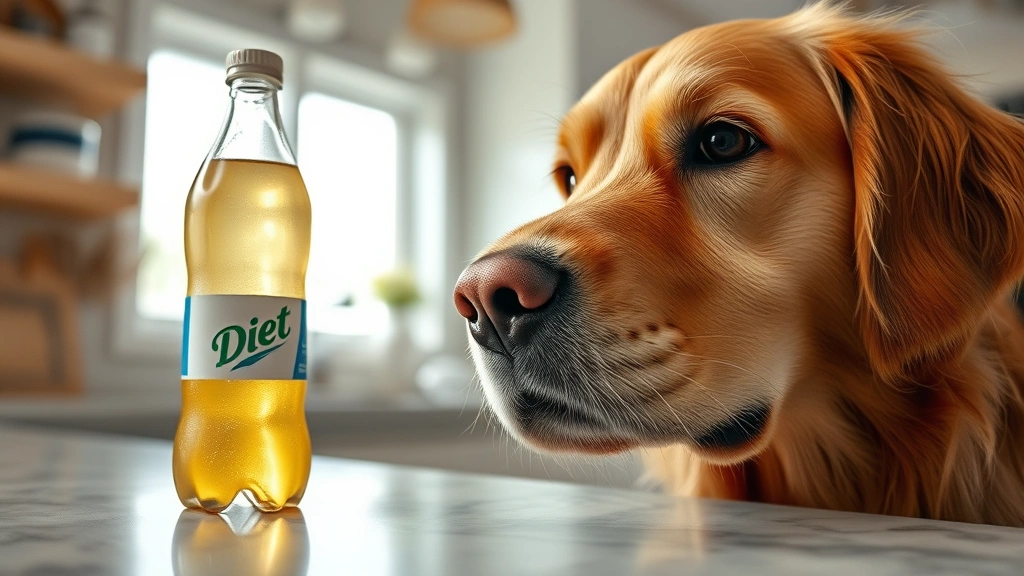
Beverages and Drink Mixes: Diet sodas, sugar-free energy drinks, and flavored water often contain sucralose. If your dog accidentally laps up some spilled diet soda, don’t panic—the amount is typically too small to cause harm. However, regular access to these beverages is not recommended.
Baked Goods and Desserts: Sugar-free cookies, cakes, and brownies frequently use sucralose as a sweetener. These products often contain other ingredients problematic for dogs, such as chocolate or macadamia nuts, which makes them doubly dangerous.
Dairy Products: Sugar-free yogurts, ice cream alternatives, and flavored milk products may contain sucralose. While a small taste of these products is unlikely to harm your dog, the lactose content can cause digestive upset in many canines.
Medications and Supplements: Some dog medications and supplements use sucralose to improve palatability. In these cases, the sucralose content is minimal and considered acceptable by veterinarians since the medication’s benefits outweigh any potential concerns.
Sugar-Free Candy and Gum: This is where you need to be especially vigilant. Many sugar-free candies and chewing gums contain xylitol instead of or in addition to sucralose. Xylitol is highly toxic to dogs and can cause severe hypoglycemia and liver damage. Always check the ingredients list carefully.
Sucralose vs. Other Sweeteners
Not all artificial sweeteners are created equal when it comes to canine safety. Understanding how sucralose compares to other options helps you evaluate the products your dog might encounter.
Xylitol: This is the most dangerous sweetener for dogs. Even small amounts can cause rapid insulin release, leading to hypoglycemia, seizures, and liver failure. Never allow your dog to consume products containing xylitol. If your dog ingests xylitol, seek immediate veterinary attention.
Sorbitol and Maltitol: These sugar alcohols are less toxic than xylitol but can still cause digestive upset in dogs. They may lead to diarrhea and abdominal discomfort, particularly in sensitive individuals. While not as dangerous as xylitol, they’re best avoided.
Aspartame: This sweetener breaks down into phenylalanine and aspartic acid in the digestive system. While generally recognized as safe for dogs, it’s not ideal for dogs with phenylketonuria (PKU), a rare genetic condition. Most dogs can handle small amounts without issue.
Saccharin: Another older artificial sweetener that’s been used in pet foods and medications for decades. It’s considered safe for dogs at typical exposure levels, though it’s less commonly used than sucralose today.
Stevia: Derived from the stevia plant, this natural sweetener is generally considered safe for dogs in small amounts. However, some stevia products may contain other ingredients that aren’t dog-friendly, so always check the full ingredient list.
When comparing sweeteners, sucralose ranks among the safer options for dogs, particularly when compared to xylitol. However, the safest choice is always natural foods without any artificial sweeteners.
Warning Signs Your Dog Consumed Too Much
While sucralose is generally safe, consuming excessive amounts can cause problems. Knowing what symptoms to watch for helps you respond appropriately if your dog gets into something they shouldn’t.
Gastrointestinal Symptoms: The most common signs of sucralose overconsumption are digestive issues. Watch for diarrhea, vomiting, loss of appetite, or abdominal pain. These symptoms typically appear within a few hours of consumption and may last for 24-48 hours.
Lethargy and Behavioral Changes: If your dog seems unusually tired, depressed, or withdrawn after consuming a product with sucralose, this could indicate digestive distress or another issue. Monitor their energy levels and overall demeanor.
Excessive Thirst or Urination: While sucralose itself shouldn’t cause these symptoms, some products containing it may have other ingredients that do. If you notice your dog drinking and urinating more than usual, contact your veterinarian.
Signs of Allergic Reaction: Though rare, some dogs may have sensitivity to sucralose or other ingredients in products containing it. Signs include itching, swelling of the face or tongue, difficulty breathing, or hives. These symptoms require immediate veterinary attention.
If your dog shows any concerning symptoms after consuming a product with sucralose, contact your veterinarian. Bring the product packaging with you if possible, as it will help your vet assess the situation. In most cases, sucralose-related digestive upset resolves on its own with supportive care, but professional evaluation ensures nothing more serious is occurring.
Safe Treat Alternatives for Your Dog
Rather than worrying about artificial sweeteners, consider offering your dog treats made with natural, dog-safe ingredients. These alternatives provide satisfaction and enjoyment without the uncertainty surrounding artificial additives.
Whole Fruits and Vegetables: Most dogs enjoy small amounts of dog-safe fruits and vegetables. Carrots, apples (without seeds), watermelon, and green beans make excellent low-calorie treats. When considering whether dogs can eat green olives or other produce, remember that fresh, plain options are always safest.
Protein-Based Treats: Plain cooked chicken, turkey, or beef makes a delicious reward. You can also offer plain, unsalted peanut butter in moderation. If you’re wondering about whether dogs can have crunchy peanut butter, the answer is yes, as long as it contains no xylitol.
Homemade Dog Treats: Creating your own dog treats gives you complete control over ingredients. Simple recipes using pumpkin, peanut butter, oats, and eggs create nutritious, delicious treats. If your dog has digestive issues, pumpkin is good for dogs with diarrhea and can be incorporated into homemade treats.
Commercial Grain-Free or Natural Treats: Many reputable pet food companies now offer treats made with whole food ingredients and no artificial sweeteners. Look for products with recognizable ingredients and minimal additives.
Frozen Treats: On warm days, freeze plain yogurt (without sweeteners), pumpkin puree, or low-sodium broth in ice cube trays for refreshing treats your dog will love.
The key to safe treats is simplicity. The fewer ingredients and additives, the better. Your dog doesn’t need artificial sweeteners or complex flavor compounds to enjoy a treat—the simple pleasure of a new food is usually excitement enough.
FAQ
Is sucralose toxic to dogs?
No, sucralose is not toxic to dogs at typical exposure levels. The sweetener is not metabolized by canine digestive systems and passes through largely unchanged. However, consuming large quantities can cause gastrointestinal upset including diarrhea and vomiting.
What should I do if my dog ate a diet soda or sugar-free product with sucralose?
In most cases, a small amount of sucralose from an accidental consumption is not concerning. Monitor your dog for signs of digestive upset over the next 24-48 hours. Contact your veterinarian if your dog develops persistent vomiting, diarrhea, or other concerning symptoms. Always check the product ingredients to ensure it doesn’t contain xylitol, which is genuinely dangerous.
Are there specific dog breeds that shouldn’t have sucralose?
No, sucralose safety doesn’t vary significantly by breed. However, dogs with existing digestive conditions, food sensitivities, or metabolic disorders should avoid unnecessary exposure to artificial sweeteners. Always consult your veterinarian about your individual dog’s dietary restrictions.
Can puppies have sucralose?
While sucralose isn’t toxic to puppies, it’s best avoided during their critical growth and development stages. Puppies have developing digestive systems and should stick to age-appropriate, whole food treats. Introducing artificial sweeteners early sets a poor dietary precedent.
What’s the difference between sucralose in medications versus in food products?
The sucralose content is typically much lower in medications and supplements than in food products. Veterinarians consider the small amount in medications acceptable because the health benefits of the medication outweigh any minimal risk from the sweetener. Food products with sucralose are optional and should be limited.
Can dogs develop a preference for sweet tastes from sucralose?
This is a valid concern. Repeated exposure to artificial sweeteners might reinforce a dog’s preference for sweet foods, potentially making them less interested in nutritious, unsweetened options. It’s better to encourage a taste for natural foods rather than sweet treats, whether naturally or artificially sweetened.
Are there long-term effects of sucralose in dogs?
Long-term studies on sucralose in dogs are limited. However, the available evidence suggests that occasional, small-amount exposure doesn’t cause chronic health problems in healthy adult dogs. That said, there’s no benefit to deliberately feeding your dog foods with artificial sweeteners, so minimizing exposure remains the prudent approach.





