

As a loving dog owner, you’ve probably wondered whether it’s safe to share sweet treats with your furry companion. The question “can dogs have sugar” is one of the most common concerns pet parents face, especially when those pleading puppy eyes are staring at your dessert. While the occasional small amount of sugar won’t necessarily harm your dog, the relationship between canines and sugar is far more complex than you might think.
Understanding what sugar does to your dog’s body is crucial for making informed decisions about their diet and overall health. Unlike humans, dogs have different metabolic processes and nutritional needs that make sugar consumption potentially problematic. From weight gain and dental issues to more serious conditions like diabetes and pancreatitis, the effects of sugar on dogs can range from mild to severe.
What Is Sugar and How Does It Affect Dogs?
Sugar, scientifically known as sucrose, is a simple carbohydrate that provides quick energy to the body. When dogs consume sugar, their digestive system breaks it down into glucose, which enters the bloodstream and can cause rapid spikes in blood sugar levels. Unlike humans, dogs haven’t evolved to efficiently process large amounts of refined sugar, making them more susceptible to negative effects.
The canine digestive system is designed primarily to process proteins and fats, with carbohydrates playing a secondary role. According to the American Veterinary Medical Association, dogs can derive energy from carbohydrates, but their nutritional requirements don’t include added sugars like those found in human foods.
When dogs consume sugar, their pancreas must work harder to produce insulin to regulate blood glucose levels. This additional strain can lead to various health complications over time, particularly in dogs that are already predisposed to metabolic issues or those that consume sugar regularly.
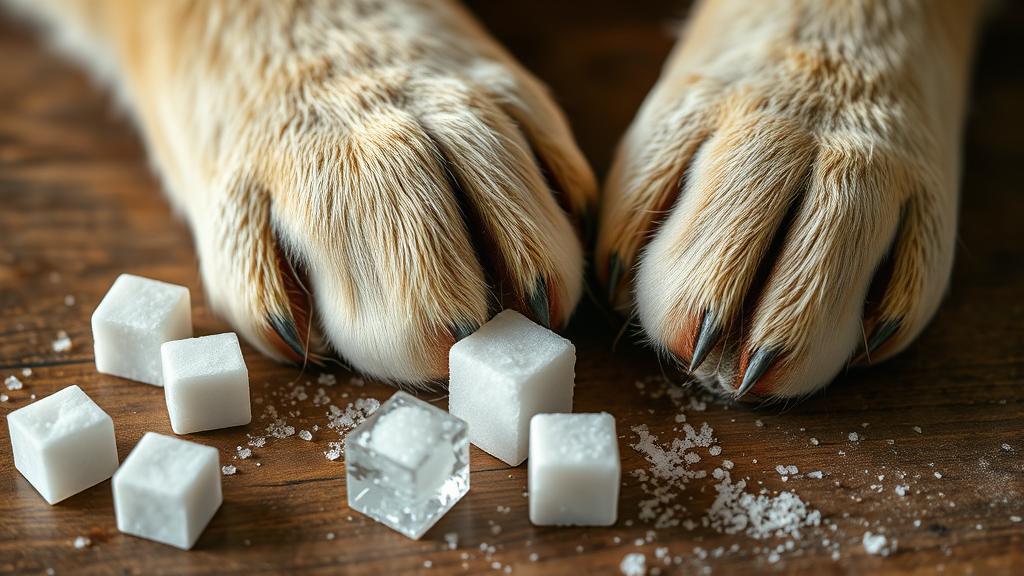
Different Types of Sugar and Their Effects
Not all sugars are created equal when it comes to canine consumption. Understanding the different types can help you make better decisions about what to avoid and what might be acceptable in very small quantities.
Natural Sugars
Natural sugars found in fruits like apples, berries, and bananas are generally safer for dogs in moderation. These come packaged with fiber, vitamins, and minerals that provide nutritional value. However, even natural sugars should be given sparingly, as dogs don’t require fruit in their diet for optimal health.
Refined White Sugar
Refined white sugar offers no nutritional value and can cause rapid blood sugar spikes. This type of sugar is commonly found in baked goods, candies, and processed foods. Dogs should avoid refined sugar entirely, as it provides empty calories and contributes to various health problems.
Artificial Sweeteners
Perhaps the most dangerous category for dogs is artificial sweeteners, particularly xylitol. The FDA warns that xylitol can cause severe hypoglycemia and liver failure in dogs, even in small amounts. Other artificial sweeteners like aspartame and sucralose, while not as immediately toxic, offer no benefits and should be avoided.
Many dog owners wonder about specific sweet treats, such as whether can dogs eat marshmallows or if it’s safe for pets to consume other sugary snacks. The answer typically involves understanding these different sugar types and their potential impacts.
Health Risks of Sugar Consumption in Dogs
Regular sugar consumption can lead to numerous health complications in dogs, ranging from immediate digestive upset to long-term chronic conditions. Understanding these risks is essential for every dog owner who wants to maintain their pet’s optimal health.
Obesity and Weight Gain
Sugar is calorie-dense and provides no essential nutrients, making it a significant contributor to canine obesity. According to the Humane Society, obesity affects over 50% of dogs in the United States and can lead to joint problems, heart disease, and reduced lifespan.
Dental Problems
Sugar feeds harmful bacteria in your dog’s mouth, leading to plaque buildup, tooth decay, and gum disease. Dogs already face dental challenges, and adding sugar to their diet exacerbates these issues significantly.
Diabetes
Chronic sugar consumption can lead to insulin resistance and eventually diabetes mellitus in dogs. This condition requires lifelong management with insulin injections and dietary modifications, significantly impacting your dog’s quality of life and your veterinary expenses.
Pancreatitis
High sugar intake, especially when combined with high fat content, can trigger pancreatitis – a painful inflammation of the pancreas. This condition can be life-threatening and requires immediate veterinary intervention.
Pet owners often ask about specific sweet foods, wondering can dogs have marshmallows or similar treats. These concerns are valid, as many human desserts contain multiple risk factors for dogs.
How Much Sugar Is Too Much?
While there’s no official “safe” amount of added sugar for dogs, veterinary nutritionists generally recommend that treats and extras should comprise no more than 10% of your dog’s daily caloric intake. For sugar specifically, even smaller amounts are preferable.
A medium-sized dog weighing 30 pounds should consume approximately 700-800 calories per day. If we apply the 10% rule, that’s only 70-80 calories from treats, and sugar should represent just a fraction of that amount. To put this in perspective, a single teaspoon of sugar contains about 16 calories.
The American Kennel Club emphasizes that dogs have no nutritional requirement for added sugars, making any amount essentially unnecessary. However, if your dog accidentally consumes a small amount of sugar, it’s unlikely to cause immediate harm in most healthy dogs.
Factors Affecting Sugar Tolerance
- Size and weight of the dog
- Age and overall health status
- Activity level and metabolism
- Existing health conditions
- Frequency of sugar consumption

Common Sources of Hidden Sugar in Dog Food
Sugar doesn’t only come from obvious sources like candy and desserts. Many commercial dog foods and treats contain hidden sugars that can accumulate throughout the day. Understanding how to identify these sources is crucial for managing your dog’s sugar intake.
Commercial Dog Treats
Many commercial dog treats contain corn syrup, molasses, or other sweeteners to make them more palatable. Always read ingredient labels carefully, looking for terms like dextrose, fructose, glucose, and sucrose.
Flavored Medications
Some flavored medications and supplements for dogs contain sugar to improve taste. While the amounts are typically small, they can add up over time, especially for dogs on long-term medications.
Human Food Scraps
Table scraps often contain hidden sugars in sauces, marinades, and processed ingredients. Foods that don’t taste particularly sweet can still contain significant amounts of added sugar. For instance, many people wonder about dessert toppings like can dogs eat whipped cream, which often contains both sugar and other problematic ingredients.
Training Treats
Some training treats use sugar as a binding agent or flavor enhancer. While convenient, these can contribute to daily sugar intake, especially during intensive training sessions.
Healthy Alternatives to Sugary Treats
Fortunately, there are numerous healthy alternatives that can satisfy your dog’s desire for something special without the risks associated with sugar consumption. These options provide nutritional benefits while still serving as effective rewards and treats.
Natural Fruit Options
Small pieces of apple (without seeds), blueberries, or banana can provide natural sweetness along with vitamins and fiber. These should still be given in moderation due to their natural sugar content, but they’re far superior to processed sweets.
Vegetables as Treats
Many dogs enjoy crunchy vegetables like carrots, green beans, or bell peppers. These provide fiber, vitamins, and minerals while being naturally low in sugar and calories.
Protein-Based Rewards
Small pieces of cooked chicken, turkey, or fish make excellent high-value treats that align with your dog’s natural dietary preferences. These provide essential amino acids and are typically more motivating than sweet treats.
When considering special occasion treats, it’s important to research each item carefully. Many dog owners ask questions like can dogs eat cake or whether other celebration foods are appropriate for their pets.
Signs Your Dog Has Had Too Much Sugar
Recognizing the signs of excessive sugar consumption can help you respond quickly and appropriately if your dog accidentally consumes too much sugar. While small amounts rarely cause serious problems, larger quantities or consumption by sensitive dogs can lead to noticeable symptoms.
Immediate Symptoms
- Excessive thirst and urination
- Vomiting or diarrhea
- Restlessness or hyperactivity
- Lethargy following initial energy spike
- Loss of appetite
Delayed Symptoms
Some effects may not appear immediately but can develop over hours or days following sugar consumption. These include digestive upset, changes in behavior, and signs of dehydration.
If your dog has consumed artificial sweeteners, particularly xylitol, contact your veterinarian immediately. The Pet Poison Helpline provides 24/7 assistance for pet poisoning emergencies and can guide you through immediate steps while you seek veterinary care.
Many common household items contain concerning levels of sugar or sweeteners. Pet owners frequently wonder about breakfast items like can dogs eat honey nut cheerios or condiments such as can dogs eat syrup, both of which can pose risks to canine health.
Prevention and Long-term Health Strategies
Preventing sugar-related health issues in dogs requires a proactive approach that encompasses diet management, education, and consistent practices. By implementing these strategies, you can help ensure your dog maintains optimal health throughout their life.
Reading Labels Effectively
Learning to identify sugar in ingredient lists is crucial. Sugar can hide under many names, including corn syrup, molasses, honey, dextrose, and fructose. The higher these ingredients appear on the list, the more sugar the product contains.
Establishing Household Rules
Create clear guidelines for all family members about what foods are off-limits for your dog. This includes educating children about the dangers of sharing human food and establishing secure storage for sugary items.
Working with Your Veterinarian
Regular veterinary checkups can help identify early signs of sugar-related health issues. Your veterinarian can also provide personalized guidance based on your dog’s specific health needs, age, and risk factors.
The AVMA provides guidelines for selecting nutritious pet foods that support optimal health without unnecessary additives like sugar.
Be particularly cautious about candy and confections, as many pet owners wonder about items like can dogs eat gummy bears or other colorful treats that might appeal to both children and pets.
Creating a Dog-Safe Environment
Consider your home environment and identify potential sources of accidental sugar consumption. This includes securing trash cans, storing baked goods safely, and being mindful of dropped food items during meal preparation.
Frequently Asked Questions
Can a small amount of sugar kill my dog?
A small amount of regular sugar is unlikely to kill a healthy dog, but it’s not recommended. However, artificial sweeteners like xylitol can be extremely dangerous even in small quantities. The toxicity depends on the type of sugar, the amount consumed, and your dog’s size and health status. When in doubt, contact your veterinarian immediately.
What should I do if my dog ate something with a lot of sugar?
Monitor your dog closely for symptoms like vomiting, diarrhea, excessive thirst, or lethargy. Provide fresh water and contact your veterinarian for guidance. If your dog consumed artificial sweeteners or shows severe symptoms, seek emergency veterinary care immediately. Document what and how much your dog ate to help your veterinarian assess the situation.
Are natural sugars from fruits safer than processed sugar?
Natural sugars from fruits are generally safer because they come with fiber, vitamins, and minerals that provide nutritional value. However, they should still be given in moderation as dogs don’t require fruit in their diet. Remove seeds and pits, which can be toxic, and introduce new fruits gradually to avoid digestive upset.
How can I tell if my dog food contains hidden sugars?
Read ingredient labels carefully, looking for terms like corn syrup, molasses, honey, dextrose, fructose, sucrose, and glucose. Ingredients are listed by weight, so if these appear early in the list, the product contains significant amounts of sugar. Choose foods with whole food ingredients and avoid those with multiple sweeteners.
Can diabetic dogs ever have sugar?
Diabetic dogs should avoid all added sugars and have their carbohydrate intake carefully managed by a veterinarian. Even natural sugars from fruits should be severely limited or eliminated. Diabetic dogs require specialized diets and regular blood glucose monitoring to maintain stable blood sugar levels.
What are the best sugar-free treats for dogs?
The best treats are those that align with your dog’s natural dietary needs: small pieces of cooked lean meat, vegetables like carrots or green beans, or commercial treats specifically formulated for dogs without added sugars. Always check labels and avoid anything containing artificial sweeteners, especially xylitol.
How long does it take for sugar to affect a dog?
Sugar can begin affecting a dog’s blood glucose levels within 30 minutes to an hour after consumption. Symptoms like hyperactivity may appear quickly, followed by a crash in energy levels. Digestive symptoms like vomiting or diarrhea may take several hours to develop. The timeline can vary based on the amount consumed and individual dog factors.





