
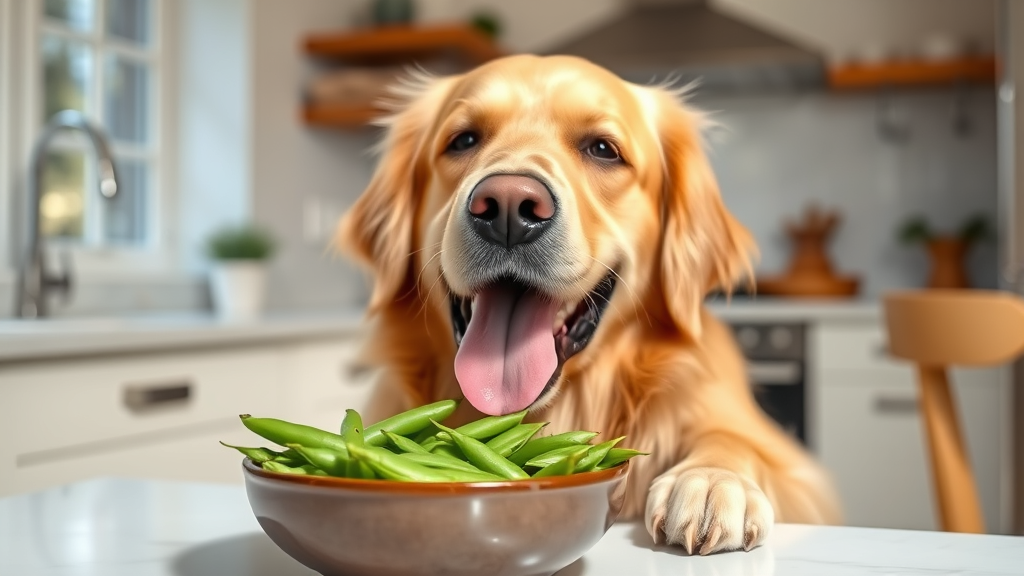
When it comes to sharing healthy snacks with our furry companions, many dog owners find themselves questioning which vegetables are safe and beneficial. Among the vibrant array of green vegetables, sugar snap peas often catch the attention of health-conscious pet parents. These crisp, sweet pods are packed with nutrients that humans love, but the question remains: can dogs have sugar snap peas safely?
The answer might surprise you. Unlike some vegetables that require careful consideration or complete avoidance, sugar snap peas are generally safe and can be a nutritious addition to your dog’s diet when served properly. However, there’s much more to understand about how to introduce these crunchy treats safely and maximize their health benefits for your canine companion.
Nutritional Benefits of Sugar Snap Peas for Dogs
Sugar snap peas are nutritional powerhouses that can provide significant health benefits for dogs when incorporated appropriately into their diet. These vibrant green vegetables contain essential vitamins, minerals, and compounds that support various aspects of canine health. Understanding these benefits helps explain why many veterinarians and pet nutritionists consider them a valuable occasional treat.
The vitamin content in sugar snap peas is particularly impressive. They’re rich in vitamin K, which plays a crucial role in blood clotting and bone health. Vitamin C, another abundant nutrient, acts as an antioxidant and supports immune system function. Additionally, these peas contain vitamin A, essential for maintaining healthy vision, skin, and coat quality in dogs.
Mineral content is equally noteworthy. Sugar snap peas provide potassium, which supports proper muscle and nerve function, and manganese, important for bone development and wound healing. The iron content helps maintain healthy blood oxygen levels, while phosphorus works alongside calcium to strengthen bones and teeth.
Fiber is another significant benefit of sugar snap peas. The dietary fiber content can aid in digestive health, promoting regular bowel movements and supporting beneficial gut bacteria. This can be particularly helpful for dogs with mild digestive issues or those needing additional fiber in their diet.
Safety Considerations and Preparation Methods
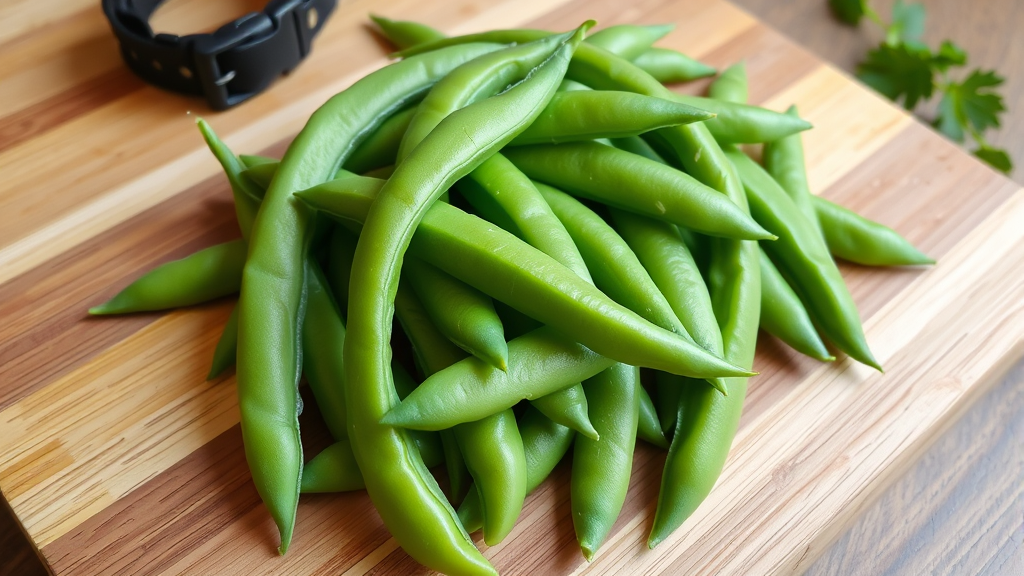
While sugar snap peas are generally safe for dogs, proper preparation is essential to ensure maximum safety and digestibility. The most important consideration is removing the pods’ strings and tough stems, which can pose choking hazards or cause digestive discomfort. Always wash the peas thoroughly to remove any pesticides, dirt, or bacteria that might be present on the surface.
Raw sugar snap peas are perfectly safe for most dogs, but some pet owners prefer to lightly steam them to make them easier to digest, especially for dogs with sensitive stomachs or older dogs with dental issues. Steaming also helps break down some of the tougher fibers while preserving most of the nutritional content. Avoid adding any seasonings, oils, or salt during preparation, as these can be harmful to dogs.
It’s worth noting that while the pods are edible and safe, some dogs may have difficulty digesting the fibrous outer shell. If your dog experiences digestive upset after eating whole sugar snap peas, consider removing the peas from their pods and offering only the inner peas, or chopping the entire pod into smaller, more manageable pieces.
Similar to how dogs can eat broccoli safely when prepared properly, sugar snap peas require the same attention to preparation and portion control to ensure optimal safety and digestibility.
Proper Serving Guidelines and Portion Control
Portion control is crucial when introducing sugar snap peas or any new food to your dog’s diet. The general rule of thumb is that treats and supplemental foods should never exceed 10% of your dog’s daily caloric intake. For sugar snap peas, this typically translates to a few pods for small dogs, half a cup for medium dogs, and up to one cup for large breeds, depending on their overall diet and activity level.
Start with small amounts when first introducing sugar snap peas to your dog’s diet. Offer just one or two small pieces and monitor your pet for any adverse reactions over the next 24 hours. Signs to watch for include vomiting, diarrhea, excessive gas, or changes in appetite. If your dog tolerates the initial serving well, you can gradually increase the portion size over time.
Frequency is another important factor to consider. Sugar snap peas should be offered as an occasional treat rather than a daily staple. Two to three times per week is generally appropriate for most dogs, allowing you to provide variety in their diet while maintaining nutritional balance. This approach is similar to how you might incorporate other safe vegetables like carrots for dogs, which also benefit from moderated serving schedules.
Remember that individual dogs may have different tolerances and preferences. Some dogs may love the crunch and sweetness of sugar snap peas, while others may show little interest. Never force your dog to eat any food they seem reluctant to try, and always respect their individual dietary preferences and restrictions.
How Sugar Snap Peas Compare to Other Dog-Safe Vegetables
Understanding how sugar snap peas stack up against other dog-safe vegetables can help you make informed decisions about your pet’s supplemental nutrition. In terms of nutritional density, sugar snap peas offer a unique combination of vitamins and minerals that complement other vegetables well in a varied diet.
Compared to cruciferous vegetables, sugar snap peas are generally easier to digest and less likely to cause gas or bloating. While dogs can eat cauliflower and it provides excellent nutritional benefits, some dogs find it harder to digest than sugar snap peas. Similarly, brussel sprouts for dogs can sometimes cause digestive upset due to their high fiber content and sulfur compounds.
In terms of preparation convenience, sugar snap peas are among the easiest vegetables to serve to dogs. Unlike corn for dogs, which requires removal from the cob and careful attention to avoid choking hazards, sugar snap peas can often be served whole after minimal preparation. They also don’t require the peeling that some vegetables like zucchini for dogs might benefit from.
The natural sweetness of sugar snap peas makes them particularly appealing to many dogs, often more so than vegetables with stronger or more bitter flavors. This palatability factor can make them an excellent choice for dogs who are hesitant to try new foods or for owners looking to increase their pet’s vegetable intake.

Potential Risks and Warning Signs
While sugar snap peas are generally safe for dogs, responsible pet ownership requires awareness of potential risks and warning signs that might indicate problems. The most common issues arise from improper preparation, overfeeding, or individual sensitivities that some dogs may have to certain foods.
Choking hazards represent the primary physical risk associated with sugar snap peas. The pods can be slippery when wet, and the strings or stems can pose particular dangers if not properly removed. Always supervise your dog when they’re eating sugar snap peas, especially if they tend to gulp their food quickly rather than chewing thoroughly.
Digestive upset is another potential concern, particularly when sugar snap peas are introduced too quickly or in too large quantities. Some dogs may experience gas, bloating, diarrhea, or stomach discomfort if they consume more fiber than their digestive system can handle comfortably. This is why gradual introduction and portion control are so important.
Dogs with existing kidney issues should consume sugar snap peas with caution due to their oxalate content. While the levels are not extremely high, dogs with a history of kidney stones or kidney disease should have their vegetable intake monitored more closely by a veterinarian. According to the American Veterinary Medical Association, pets with specific health conditions often require modified diets.
Watch for signs of allergic reactions, though these are rare with sugar snap peas. Symptoms might include itching, swelling, difficulty breathing, or unusual behavior. If you notice any of these signs, discontinue feeding sugar snap peas immediately and consult your veterinarian.
Best Preparation Methods and Serving Ideas
Proper preparation of sugar snap peas can enhance both their safety and appeal for your canine companion. The simplest method involves thoroughly washing the pods, removing the stems and strings, and serving them raw as a crunchy snack. This method preserves maximum nutritional content and provides the satisfying texture that many dogs enjoy.
For dogs with sensitive digestion or dental issues, light steaming offers an excellent alternative. Steam the sugar snap peas for just 2-3 minutes until they’re slightly softened but still retain some crunch. This method makes them easier to chew and digest while maintaining most of their nutritional value. Avoid boiling, as this can leach out water-soluble vitamins and make the peas mushy and less appealing.
Creative serving ideas can help make sugar snap peas more interesting for your dog. Try freezing whole prepared pods for a cool summer treat, or chop them into small pieces to mix with your dog’s regular food. Some dogs enjoy sugar snap peas as training treats due to their convenient size and healthy profile.
Just as you might vary your dog’s diet with other vegetables like squash for dogs or spinach for dogs, sugar snap peas can be part of a rotating selection of healthy treats. You can also combine them with other safe vegetables like okra for dogs to create variety in your pet’s supplemental nutrition.
Storage is also important for maintaining freshness and safety. Fresh sugar snap peas should be stored in the refrigerator and used within a few days of purchase. If you’ve prepared them in advance, store them in an airtight container and use within 2-3 days. Never serve sugar snap peas that show signs of spoilage, such as dark spots, slimy texture, or off odors.
The FDA’s Center for Veterinary Medicine provides guidelines for pet food safety that can help inform your approach to preparing fresh foods for your dog. Remember that homemade treats and fresh foods should complement, not replace, a balanced commercial dog food that meets your pet’s nutritional needs.
Frequently Asked Questions
Can puppies eat sugar snap peas?
Puppies can eat sugar snap peas in very small quantities once they’re weaned and eating solid food, typically around 8-12 weeks old. However, their digestive systems are more sensitive than adult dogs, so introduce them gradually and in tiny portions. Always chop them into appropriately sized pieces to prevent choking, and monitor closely for any digestive upset. Consult your veterinarian before introducing any new foods to a puppy’s diet.
Are frozen sugar snap peas safe for dogs?
Yes, frozen sugar snap peas are safe for dogs and can actually make a refreshing treat, especially during hot weather. Make sure to choose plain frozen sugar snap peas without any added seasonings, sauces, or salt. You can serve them frozen or thaw them first. The freezing process doesn’t significantly reduce their nutritional value, and many dogs enjoy the different texture.
How many sugar snap peas can I give my dog per day?
The amount depends on your dog’s size and overall diet. Small dogs should have no more than 2-3 pods, medium dogs can have 4-6 pods, and large dogs can have up to 8-10 pods per day. However, these should be given as occasional treats, not daily. Remember that treats should never exceed 10% of your dog’s daily caloric intake.
Can dogs eat the pods of sugar snap peas?
Yes, dogs can safely eat the pods of sugar snap peas. The pods are actually where much of the fiber and many nutrients are concentrated. However, make sure to remove the stems and strings first, and consider chopping larger pods into smaller pieces for easier digestion and to prevent choking hazards.
What should I do if my dog ate too many sugar snap peas?
If your dog consumed a large quantity of sugar snap peas, monitor them closely for signs of digestive upset such as vomiting, diarrhea, excessive gas, or discomfort. Provide fresh water and withhold food for a few hours if they seem nauseous. Most dogs will recover on their own, but contact your veterinarian if symptoms persist or worsen, or if you’re concerned about your pet’s condition.
Are sugar snap peas better raw or cooked for dogs?
Both raw and lightly cooked sugar snap peas are fine for dogs. Raw peas provide maximum nutritional content and a satisfying crunch that many dogs enjoy. Light steaming can make them easier to digest for dogs with sensitive stomachs or dental issues. Avoid boiling or adding any seasonings, oils, or salt. Choose the preparation method based on your dog’s preferences and digestive tolerance.
Can dogs with diabetes eat sugar snap peas?
Dogs with diabetes can generally eat sugar snap peas in moderation, as they’re relatively low in sugar and high in fiber, which can help regulate blood sugar levels. However, any dietary changes for diabetic dogs should be discussed with a veterinarian first. The fiber content can actually be beneficial for blood sugar management, but portion control remains important.





