
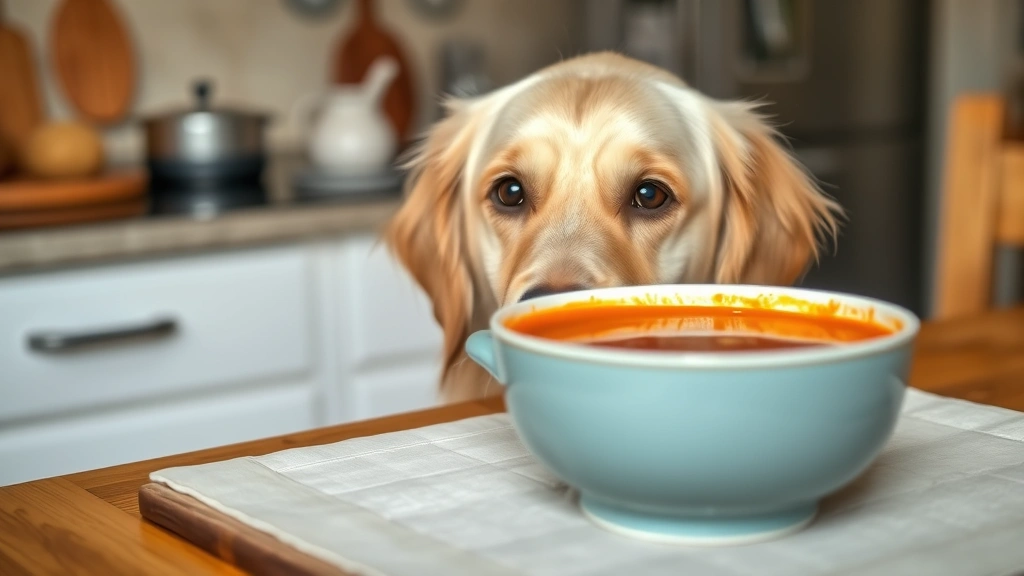
Can Dogs Have Tomato Soup? Safety Tips and What You Need to Know
As a pet parent, you’ve probably wondered about sharing your comfort foods with your furry best friend. That steaming bowl of tomato soup on a chilly evening might look appealing to your pup, but before you offer a taste, it’s important to understand what’s really in that soup and how it might affect your dog’s health. The question of whether dogs can have tomato soup isn’t as straightforward as a simple yes or no—it requires a closer look at the ingredients, preparation methods, and your individual dog’s health status.
Tomato soup has been a beloved comfort food for generations, but our canine companions have very different nutritional needs than we do. While the tomato itself presents certain considerations for dog owners, the real concerns with tomato soup lie in the added ingredients like sodium, cream, garlic, onions, and spices that make it delicious for humans but potentially problematic for dogs. Understanding these nuances will help you make informed decisions about what you feed your four-legged friend.
In this comprehensive guide, we’ll explore everything you need to know about tomato soup and dogs, including which ingredients pose risks, what signs of trouble to watch for, and safer alternatives you can offer your pup instead.
Understanding Tomatoes and Dogs
Before we dive into tomato soup specifically, it’s essential to understand the relationship between dogs and tomatoes in general. When exploring whether dogs can eat tomato, veterinarians point out that the answer depends on the ripeness and form of the fruit. Ripe, red tomatoes in moderation are generally considered safer for dogs than unripe green tomatoes, which contain higher levels of solanine—a naturally occurring compound that can be toxic to dogs.
According to the American Kennel Club, ripe tomatoes are less concerning because they contain lower concentrations of solanine compared to their unripe counterparts. However, this doesn’t mean your dog should be munching on tomatoes freely. The flesh of a ripe tomato is relatively low in calories and contains beneficial vitamins like C and potassium, but these benefits are minimal for dogs whose nutritional needs are best met through complete and balanced commercial dog food.
It’s also worth noting that tomatoes can be problematic for certain dogs, particularly those with sensitive digestive systems or specific health conditions. The acidic nature of tomatoes can potentially cause gastrointestinal upset in some pups, leading to discomfort and digestive issues. Additionally, the seeds and stems of tomato plants contain higher concentrations of solanine, so these parts should always be avoided.
The Real Problem: What’s in Tomato Soup

Now that we understand the basics about tomatoes and dogs, let’s talk about what actually makes tomato soup problematic. While a small amount of ripe tomato might be tolerated by some dogs, tomato soup is an entirely different story. The typical canned or homemade tomato soup contains numerous ingredients that range from questionable to outright dangerous for our canine companions.
Most commercial tomato soups are loaded with sodium, often containing 600-900 mg per serving. For perspective, an adult dog weighing 30 pounds should consume no more than 100 mg of sodium per day according to nutritional guidelines. This means even a small serving of tomato soup could exceed your dog’s entire daily sodium recommendation. Excessive sodium intake can lead to serious health issues including dehydration, kidney problems, and high blood pressure in dogs.
Additionally, many tomato soup varieties contain added sugars that serve no nutritional purpose for dogs and can contribute to obesity, dental problems, and even diabetes over time. Some brands add corn syrup or other sweeteners to enhance flavor, making the soup even less suitable for canine consumption. The combination of high sodium and added sugars makes tomato soup a particularly poor choice for your pup’s diet.
Toxic and Harmful Ingredients
Beyond sodium and sugar, many tomato soup recipes—both homemade and store-bought—contain ingredients that are genuinely toxic to dogs. This is where the situation becomes truly serious for pet owners who might be tempted to share their lunch with their furry friend.
Garlic and Onions: Perhaps the most critical concern is the presence of garlic and onions in tomato soup. Both of these ingredients contain compounds called thiosulfates, which can damage dogs’ red blood cells and lead to hemolytic anemia—a potentially life-threatening condition. The ASPCA lists both garlic and onions as toxic foods for dogs, and the risk increases with concentrated forms like garlic powder or onion powder often found in soup recipes. Even small amounts can be problematic, particularly for smaller dogs or those with pre-existing health conditions.
Cream and Dairy: Many tomato soup recipes rely on heavy cream, milk, or sour cream for that rich, satisfying texture. While some dogs can tolerate small amounts of dairy, many are lactose intolerant and can experience digestive upset including bloating, gas, and diarrhea. Additionally, the high fat content in cream-based soups can trigger pancreatitis in susceptible dogs, a serious and painful condition requiring veterinary care.
Spices and Seasonings: Common seasonings in tomato soup like black pepper, cayenne, and various herbs can irritate a dog’s digestive system. While not necessarily toxic in tiny amounts, these spices serve no purpose in a dog’s diet and can cause stomach upset, vomiting, or diarrhea.
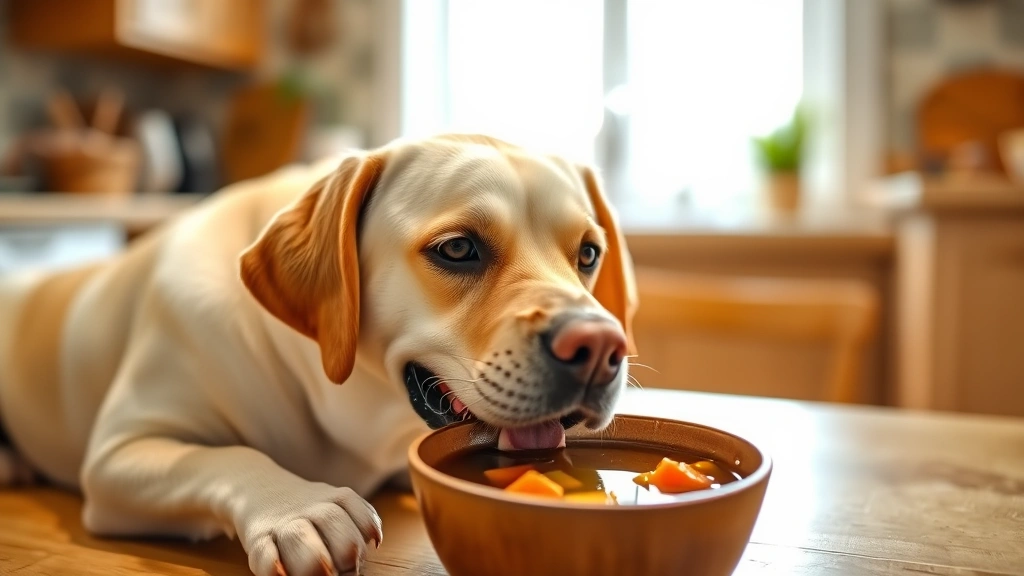
Artificial Additives: Many commercial soups contain artificial preservatives, colors, and flavors that aren’t tested for canine safety. Some dogs may have sensitivities to these additives, leading to allergic reactions or digestive distress. When considering whether dogs can have tomato sauce, similar concerns apply, as many sauce products contain similarly problematic ingredients.
Safety Guidelines and When to Call the Vet
So what should you do if your dog has already consumed some tomato soup? The good news is that a single small taste of tomato soup is unlikely to cause serious harm to most dogs, though it may not sit well with their stomach. However, the severity of potential problems depends on several factors including your dog’s size, age, overall health, and the specific ingredients in the soup.
Monitor These Signs: After your dog consumes tomato soup, watch carefully for symptoms of distress over the next 24-48 hours. Common signs of upset include vomiting, diarrhea, lethargy, loss of appetite, or abdominal pain. If your dog has consumed a large quantity or if the soup contained garlic or onions, watch for more serious symptoms like pale gums, difficulty breathing, weakness, or unusual behavior. These could indicate more severe issues like anemia or toxicity.
If your dog is experiencing diarrhea after consuming tomato soup, ensure they have access to fresh water to prevent dehydration. Bland, easily digestible foods might help settle their stomach temporarily, but persistent diarrhea lasting more than 24 hours warrants veterinary attention.
When to Contact Your Veterinarian: Don’t hesitate to call your vet if you notice any concerning symptoms, especially if the soup contained known toxic ingredients like garlic or onions. Your veterinarian can perform a physical examination and potentially run bloodwork to check for anemia or other complications. It’s always better to err on the side of caution when it comes to your pet’s health.
For dogs with pre-existing conditions like heart disease, kidney disease, or gastrointestinal issues, even small amounts of tomato soup could be more problematic. If your dog falls into this category, strict avoidance is the safest approach.
Safer Alternatives for Your Dog
If you’re looking for ways to treat your dog or share mealtime moments together, there are plenty of safer, healthier alternatives to tomato soup that your pup will actually enjoy.
Homemade Dog-Friendly Broths: Dogs can enjoy chicken broth as a delicious and nutritious treat. Make a simple, unsalted broth by simmering chicken breast in water for several hours, then strain and cool before serving. You can freeze it in ice cube trays for convenient portions. This provides hydration, flavor, and some beneficial nutrients without the problematic ingredients found in commercial soups.
Plain Cooked Vegetables: If you want to offer soup-like nutrition, consider cooking dog-safe vegetables like carrots, green beans, or sweet potatoes in plain water or unsalted broth. These vegetables provide fiber, vitamins, and minerals without the sodium and additives of commercial soups.
Pumpkin-Based Options: Plain canned pumpkin (not pie filling) mixed with plain water or dog-safe broth creates a warming, comforting option. Pumpkin is excellent for digestive health and can even help with upset stomachs, making it a genuinely beneficial treat.
Bone Broth: High-quality, unsalted bone broth designed for dogs provides collagen, amino acids, and minerals that support joint health and digestion. Many veterinarians recommend this as a healthy supplement to regular meals.
Frozen Treats: Mix dog-safe ingredients like plain yogurt (if your dog tolerates dairy), pumpkin, and carrots, then freeze in ice cube trays for a refreshing treat that’s far healthier than soup.
Commercial Dog Treats: There are countless healthy, commercially available dog treats designed specifically for canine nutritional needs. These are formulated to be safe and beneficial for dogs, unlike human foods that may contain problematic ingredients.
Frequently Asked Questions
Is a small taste of tomato soup really that dangerous for dogs?
A tiny taste of plain tomato soup without garlic or onions is unlikely to cause serious harm to most healthy adult dogs, though it may cause mild digestive upset. However, the risk increases significantly if the soup contains toxic ingredients like garlic, onions, or excessive sodium. Puppies, senior dogs, and those with health conditions are at higher risk. It’s best to avoid offering it altogether and stick to dog-safe alternatives.
What if my dog ate tomato soup with garlic in it?
If your dog consumed tomato soup containing garlic, contact your veterinarian immediately. Garlic is toxic to dogs and can damage their red blood cells. Provide your vet with information about the amount consumed and the soup’s ingredients. Your vet may recommend bloodwork to check for anemia or other complications. Don’t wait to see if symptoms develop—prompt veterinary care is important in this situation.
Can dogs have cream-based tomato soup?
Cream-based tomato soup is even less suitable for dogs than broth-based versions. The high fat content can trigger pancreatitis, and the dairy can cause digestive upset in lactose-intolerant dogs. Additionally, cream-based soups typically contain more calories and sodium. It’s best to avoid this variety entirely for your pup’s health and safety.
What about homemade tomato soup without garlic or onions?
While homemade tomato soup without garlic or onions is safer than commercial varieties, it still poses concerns due to salt content, acidity, and spices that may upset your dog’s stomach. Even without toxic ingredients, there’s no real nutritional benefit for dogs, and the risks outweigh any potential positives. Dog-specific broths and treats are much better options.
Are canned tomatoes safer than tomato soup for dogs?
Canned tomatoes are generally safer than tomato soup since they don’t contain the added sodium, cream, garlic, and spices. However, plain canned tomatoes still offer minimal nutritional benefit for dogs and the acidity can cause digestive upset. If you’re looking to incorporate tomatoes into your dog’s diet, fresh ripe tomatoes in very small amounts are safer than any processed form, though they’re not necessary or particularly beneficial.
How much sodium is too much for my dog?
The Association of American Feed Control Officials (AAFCO) recommends that adult dogs consume a minimum of 0.3% sodium and a maximum of 1.5% in their diet. For most dogs, this translates to roughly 100 mg per day for a 30-pound dog. Since a single serving of tomato soup can contain 600-900 mg of sodium, it far exceeds safe daily limits. Chronic excess sodium consumption can lead to serious health issues including hypertension and kidney disease.
What are the signs my dog has tomato soup toxicity?
Signs of potential toxicity from tomato soup depend on which ingredients caused the problem. Garlic or onion toxicity may cause weakness, pale gums, difficulty breathing, or dark-colored urine (indicating anemia). Digestive upset from other ingredients typically causes vomiting, diarrhea, loss of appetite, or abdominal pain. Seek veterinary care if you notice any of these symptoms, particularly if they persist beyond 24 hours or if your dog seems seriously ill.
Can I give my dog tomato juice instead?
Tomato juice is not a better option than tomato soup. Commercial tomato juice is typically high in sodium and acidity, and may contain added spices or salt. Plain tomato juice without additives is slightly better but still offers no real benefit to your dog and can cause digestive upset. Stick with dog-appropriate beverages like plain water or unsalted broths specifically made for pets.





