

Your dog gives you that irresistible look while you’re making a tuna sandwich, and you wonder: can dogs have tuna? It’s a fair question. Tuna is packed with protein and omega-3 fatty acids, which sound great for dogs. But here’s the real talk—it’s not quite that simple. The short answer is yes, dogs can have tuna in moderation, but there are important caveats about mercury, sodium, and how you prepare it. This guide will walk you through everything you need to know so you can make the best choice for your furry friend.
Can Dogs Eat Tuna? The Straight Answer
Yes, dogs can eat tuna, but with strict conditions. Think of tuna like a treat, not a staple. A small amount of plain, cooked tuna occasionally won’t harm most healthy dogs. However, if your dog has kidney disease, thyroid issues, or is on certain medications, tuna could be problematic. The key is understanding what makes tuna risky and how to minimize those risks.
According to the American Kennel Club (AKC), tuna can be offered to dogs in small quantities, but they emphasize the importance of preparation and frequency. The AKC recommends avoiding canned tuna packed in oil or salt, and never feeding tuna as a regular part of your dog’s diet.
The distinction matters here: a tiny piece of tuna as an occasional treat is different from feeding tuna regularly or in large amounts. Your dog’s size, age, and health status all play a role in whether tuna is appropriate.
Nutritional Benefits of Tuna for Dogs
Let’s start with the good stuff. Tuna does offer legitimate nutritional perks for dogs:
- Omega-3 Fatty Acids: These support skin and coat health, reduce inflammation, and benefit joint function. For older dogs or those with arthritis, omega-3s can be genuinely helpful.
- High-Quality Protein: Tuna is about 25-30% protein, which supports muscle maintenance and repair.
- B Vitamins: Tuna contains B12, niacin, and other B vitamins that support energy metabolism and nervous system function.
- Selenium and Potassium: These minerals play roles in thyroid function and heart health.
If your dog has a dull coat or you’re looking for ways to boost their nutritional intake, tuna could theoretically help. But—and this is important—there are safer, more reliable ways to deliver these same benefits without the risks that come with tuna.
The Real Risks: Mercury, Sodium, and More
Here’s where tuna gets tricky. This is the part your vet would emphasize in the exam room.
Mercury Contamination: This is the big one. Tuna accumulates mercury because it’s a larger predatory fish that eats smaller fish throughout its lifespan. Mercury builds up in its tissues. While one small serving won’t poison your dog, regular tuna consumption could lead to mercury accumulation over time. This is especially concerning for small dogs, puppies, and senior dogs, whose bodies process toxins differently.
Sodium Overload: Canned tuna, especially varieties packed in salt water, can contain 300-400mg of sodium per can. A medium-sized dog only needs about 100-200mg of sodium per day. One can of tuna could exceed their daily requirement. Excessive sodium can lead to increased thirst, urination, and in dogs with heart or kidney issues, serious complications.
Thiaminase: Raw tuna contains an enzyme called thiaminase that breaks down thiamine (vitamin B1). This is why tuna should always be cooked before feeding to dogs. Cooking inactivates this enzyme.
Potential Parasites and Bacteria: Raw or undercooked tuna can harbor parasites like roundworms or bacteria like Listeria. This is another reason to only offer fully cooked tuna.
Digestive Upset: Some dogs have sensitive stomachs and don’t tolerate fish well. Tuna can cause vomiting, diarrhea, or pancreatitis in susceptible dogs.
Safety Warning: Never give your dog tuna packed in oil or salt. Never give raw tuna. Never make tuna a regular part of their diet. If your dog has kidney disease, heart disease, or thyroid issues, check with your vet before offering any tuna.
Canned Tuna vs. Fresh Tuna for Dogs
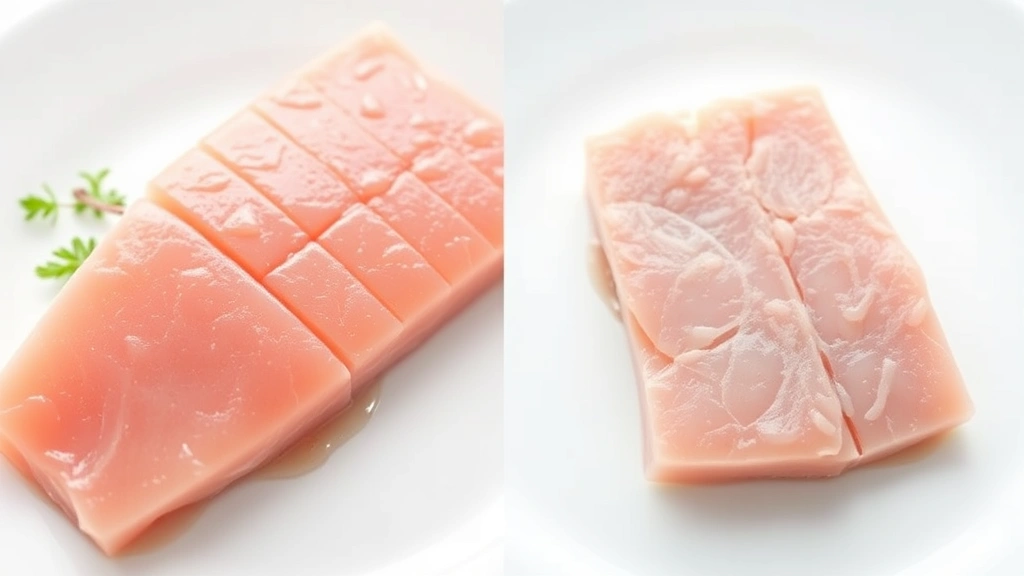
The type of tuna matters significantly.
Canned Tuna: This is what most people have on hand. The problem? Most canned tuna is packed in either salt water or oil. Both are problematic for dogs. Salt water adds excessive sodium. Oil adds unnecessary calories and fat that can upset sensitive stomachs or contribute to pancreatitis. If you absolutely must use canned tuna, choose varieties packed in water with no added salt, drain it thoroughly, and rinse it under fresh water to remove residual sodium. Even then, use it sparingly.
Fresh Tuna: Plain, cooked fresh tuna is the safer option. You control the preparation—no added salt, oil, or preservatives. A small piece of plain, cooked tuna (boiled or baked, not fried) is the way to go if you’re determined to share. However, fresh tuna still carries the mercury concern, so frequency matters.
Our detailed guide on whether canned tuna is good for dogs breaks down the specifics of commercial canned options and safer preparation methods.
How to Safely Serve Tuna to Your Dog
If you’re going to offer tuna, do it right:
- Cook It Properly: Boil or bake tuna until fully cooked. No rare, no seared, no sushi-grade. Cook it thoroughly to kill any parasites or bacteria.
- Skip the Seasoning: No salt, garlic, onion, or spices. Plain tuna only. Garlic and onions are toxic to dogs, and salt is already a concern with tuna.
- Remove All Bones: If using fresh tuna, ensure no small bones remain. Cooked bones can splinter and cause internal injuries.
- Offer a Tiny Amount: We’re talking a teaspoon or two for small dogs, maybe a tablespoon for large dogs. This is a taste, not a meal.
- Monitor Your Dog: Watch for signs of digestive upset over the next 24 hours. Vomiting, diarrhea, or unusual behavior means tuna isn’t right for your dog.
- Space It Out: If your dog tolerates tuna well, offer it no more than once every two weeks, and ideally less frequently than that.
Think of tuna like a special occasion treat, not a go-to snack. It’s similar to how you might treat yourself to something indulgent occasionally—it’s fine in small doses, but wouldn’t be your daily dinner.
Portion Guidelines and Frequency
Size matters when it comes to tuna portions.
Small Dogs (Under 25 lbs): A teaspoon of plain, cooked tuna once every two to three weeks is the upper limit. This is truly a tiny taste.
Medium Dogs (25-50 lbs): A tablespoon of plain, cooked tuna once every two to three weeks is reasonable.
Large Dogs (Over 50 lbs): Up to two tablespoons of plain, cooked tuna once every two to three weeks, though less frequently is better.
Dogs with Health Issues: Consult your veterinarian before offering any tuna. Dogs with kidney disease, heart disease, or thyroid conditions may need to avoid tuna entirely.
The 10% rule applies here: treats (including tuna) should make up no more than 10% of your dog’s daily caloric intake. For most dogs, this means tuna shouldn’t be a regular treat at all.
Why so restrictive? Because the risks—mercury accumulation, sodium overload, and digestive upset—outweigh the benefits when tuna is offered frequently. There are better sources of omega-3s and protein for dogs.
Better Fish Alternatives for Dogs
If you want to give your dog fish for its health benefits, consider these safer options:
- Salmon: Lower in mercury than tuna, rich in omega-3s. Offer cooked, boneless salmon occasionally. PetMD recommends salmon as a safer fish option for dogs due to its lower mercury content.
- Sardines: Small fish with less mercury accumulation. They’re also packed with omega-3s. Canned sardines in water (not oil or salt) can be offered in tiny amounts.
- Cod: A white fish lower in mercury and fat. Plain, cooked cod is a gentler option for dogs with sensitive stomachs.
- Fish Oil Supplements: If you want to give your dog omega-3s, consider a dog-specific fish oil supplement formulated for canine nutritional needs. Your vet can recommend appropriate dosages.
These alternatives provide similar nutritional benefits without the mercury and sodium concerns that make tuna problematic. For complementary information on other human foods, check out our guides on whether dogs can eat cheese and whether dogs can have oysters—both offer similar insights into safe seafood and protein choices for dogs.
If your dog has a specific health condition, talk to your vet about whether fish or fish oil supplements are appropriate. Some dogs benefit from omega-3s for joint health or skin conditions, but the source and dosage matter.
Frequently Asked Questions
Can dogs have canned tuna in water?
– Yes, but with caveats. Canned tuna in water is safer than tuna in oil or salt water, but you must drain it thoroughly and rinse it under fresh water to remove residual sodium. Even then, offer only a tiny amount (teaspoon to tablespoon depending on dog size) as an occasional treat, not regularly. The mercury concern still applies regardless of the packing liquid.
Is tuna safe for puppies?
– No, puppies should avoid tuna. Their developing bodies are more sensitive to mercury accumulation and sodium. Puppies need balanced, complete nutrition from quality puppy food, not unpredictable treats like tuna. Wait until your dog is an adult before even considering tuna, and even then, only occasionally.
Can dogs have tuna every day?
– Absolutely not. Daily tuna would expose your dog to excessive mercury and sodium, both of which accumulate in the body over time. Mercury toxicity can cause neurological problems, and sodium overload stresses the kidneys and heart. Tuna should be an occasional treat at most—once every two to three weeks or less frequently.
What should I do if my dog ate a whole can of tuna?
– Don’t panic, but monitor your dog closely. One can of tuna won’t cause immediate poisoning, but watch for signs of digestive upset (vomiting, diarrhea) or unusual behavior over the next 24-48 hours. If your dog shows any concerning symptoms, contact your vet. If your dog regularly has access to canned tuna, discuss it with your veterinarian about potential mercury and sodium accumulation.
Can dogs have tuna salad?
– No. Tuna salad typically contains mayo, celery, onions, and other ingredients that are either high in fat or toxic to dogs. Onions and garlic are particularly dangerous. Stick to plain, cooked tuna only if you’re offering any at all.
Is fresh tuna better than canned for dogs?
– Yes, fresh tuna is preferable because you control the preparation and can avoid added salt and oil. However, fresh tuna still contains mercury, so the frequency concern remains. Plain, cooked fresh tuna in tiny amounts is safer than most canned options, but it’s still not an ideal regular treat.
Can dogs with kidney disease have tuna?
– No. Dogs with kidney disease should avoid tuna. The high sodium and phosphorus content can stress already-compromised kidneys. Additionally, kidney disease impairs the body’s ability to process and eliminate toxins like mercury. If your dog has kidney disease, check with your vet before offering any new foods, including tuna.

What are signs my dog had a bad reaction to tuna?
– Watch for vomiting, diarrhea, loss of appetite, lethargy, or abdominal pain within a few hours to a day after eating tuna. Some dogs may also experience itching or skin irritation if they have a fish allergy. If your dog shows any of these signs, contact your vet. Avoid offering tuna in the future if your dog reacts poorly.
Final Thoughts: Can dogs have tuna? Technically yes, but the practical answer is: it’s not worth the risk for most dogs. The mercury, sodium, and potential digestive upset outweigh the occasional nutritional benefit. If you want to share something special with your dog, choose safer fish like salmon or sardines, offer dog-specific supplements, or stick with treats designed for canine nutrition. Your dog will be just as happy—and healthier—without tuna in their diet. When in doubt, ask your vet. They know your dog’s individual health status and can give you personalized guidance on whether tuna or any other human food is appropriate.





