

As a devoted dog owner, you’ve likely found yourself staring at your breakfast plate, wondering if you can share that crispy turkey bacon with your furry companion. While your pup’s hopeful eyes and wagging tail might be hard to resist, the question “can dogs have turkey bacon” requires careful consideration of your pet’s health and safety.
Turkey bacon has gained popularity as a supposedly healthier alternative to traditional pork bacon, but when it comes to our four-legged family members, the answer isn’t as straightforward as you might think. Understanding the nutritional content, potential risks, and safe alternatives is crucial for making informed decisions about your dog’s diet and ensuring their long-term wellbeing.
Understanding Turkey Bacon: Composition and Processing
Turkey bacon is manufactured through a complex process that transforms ground turkey into strips resembling traditional pork bacon. Unlike whole turkey meat, turkey bacon undergoes extensive processing that involves grinding turkey meat, adding various seasonings, preservatives, and binding agents, then forming it into familiar bacon-like strips.
The manufacturing process typically includes the addition of sodium nitrites, sodium nitrates, and various flavor enhancers to achieve the characteristic taste and appearance consumers expect. These additives, while approved for human consumption, can pose significant health concerns for dogs due to their sensitive digestive systems and different metabolic processes.
Most commercial turkey bacon contains high levels of sodium, artificial flavoring agents, and preservatives that serve to extend shelf life and enhance palatability for humans. The FDA maintains strict guidelines for these additives in human food products, but dogs have different tolerance levels and nutritional requirements.
Understanding that turkey bacon is fundamentally different from plain cooked turkey is essential for dog owners. While plain turkey can be a healthy protein source for dogs, the processed nature of turkey bacon introduces numerous problematic ingredients that can negatively impact your pet’s health.

Nutritional Analysis: What’s Really in Turkey Bacon
A typical serving of turkey bacon contains approximately 30-35 calories per slice, with significant portions coming from fat and sodium. The sodium content alone can range from 180-220 milligrams per slice, which represents a substantial portion of a dog’s recommended daily sodium intake, particularly for smaller breeds.
The fat content in turkey bacon, while lower than traditional pork bacon, still constitutes about 60-70% of the total caloric content. This high fat concentration can contribute to obesity, pancreatitis, and other digestive issues in dogs, especially those with sensitive stomachs or pre-existing health conditions.
Protein content typically ranges from 2-3 grams per slice, but this protein comes packaged with numerous additives that can outweigh the nutritional benefits. The processing methods used to create turkey bacon often strip away many of the natural nutrients found in whole turkey meat, while introducing potentially harmful substances.
Additionally, many turkey bacon products contain added sugars, artificial flavors, and chemical preservatives like BHT (butylated hydroxytoluene) and BHA (butylated hydroxyanisole), which have raised concerns among veterinary nutritionists regarding their long-term effects on canine health.
Comparing this to ground turkey or other whole turkey products reveals significant nutritional disparities. Plain, cooked turkey provides high-quality protein without the excessive sodium, additives, and processing chemicals found in turkey bacon.
Health Risks and Concerns for Dogs
The primary concern with turkey bacon consumption in dogs relates to its extremely high sodium content. Dogs require significantly less sodium than humans, and excessive intake can lead to sodium ion poisoning, which manifests as excessive thirst, urination, vomiting, diarrhea, and in severe cases, neurological symptoms including seizures.
Pancreatitis represents another serious risk associated with high-fat foods like turkey bacon. This inflammatory condition of the pancreas can be life-threatening and requires immediate veterinary intervention. Dogs with a history of pancreatitis or those predisposed to the condition should never consume high-fat processed meats.
The preservatives commonly found in turkey bacon, particularly sodium nitrites and nitrates, can be problematic for dogs. These compounds can interfere with oxygen transport in the blood and have been associated with various health issues in both humans and animals. The American Veterinary Medical Association has expressed concerns about regular consumption of heavily processed meats in pet diets.
Artificial flavoring agents and chemical additives can trigger allergic reactions in sensitive dogs, leading to skin irritations, digestive upset, and behavioral changes. Some dogs may develop food sensitivities that weren’t present before exposure to these processed ingredients.
Unlike the concerns surrounding regular bacon, turkey bacon’s risks stem not just from fat content but from the complex array of processing chemicals and additives used in its manufacture. This makes it potentially more problematic than its pork counterpart in some cases.
Safe Turkey Alternatives for Your Dog
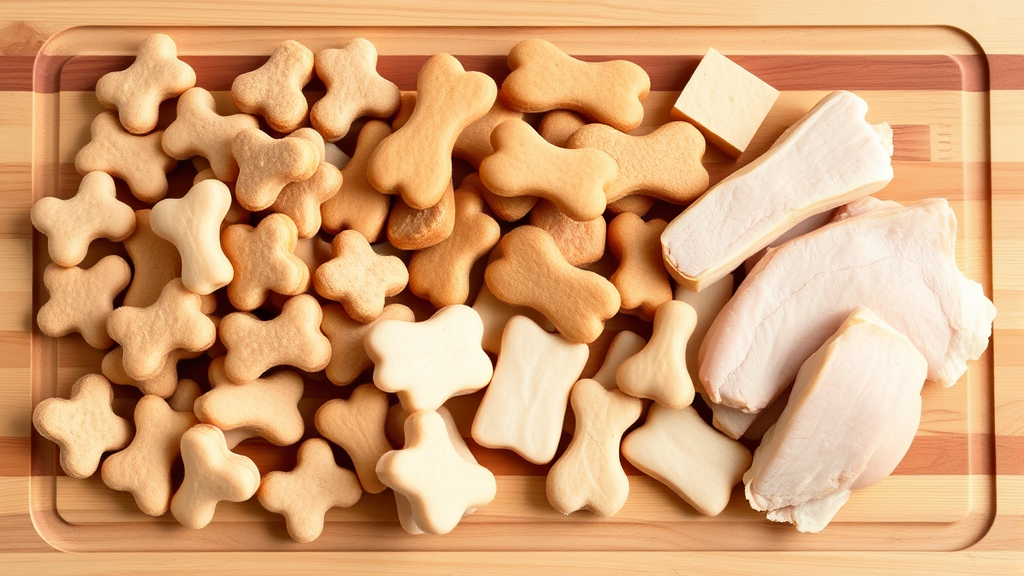
If you’re looking to incorporate turkey into your dog’s diet, numerous safer alternatives provide nutritional benefits without the associated risks of processed turkey bacon. Plain, cooked turkey breast represents an excellent protein source that most dogs can safely enjoy in moderation.
When preparing turkey for your dog, always remove the skin, bones, and any seasonings. Cook the turkey thoroughly without adding salt, garlic, onion, or other potentially harmful seasonings. Boiling, baking, or grilling without oils or seasonings creates a safe, healthy treat that provides high-quality protein.
Freeze-dried turkey treats offer another excellent alternative, providing the concentrated flavor dogs love without harmful additives. Look for products with a single ingredient list that contains only turkey, avoiding those with added preservatives, artificial flavors, or excessive salt content.
Commercial dog treats made with turkey can satisfy your pet’s desire for turkey flavor while meeting canine nutritional requirements. The Association of American Feed Control Officials (AAFCO) provides guidelines for pet food manufacturers to ensure products meet dogs’ specific nutritional needs.
For dogs who enjoy the smoky flavor associated with bacon, consider turkey-based dog treats specifically formulated to mimic that taste without harmful ingredients. Many pet food manufacturers now offer bacon-flavored treats made with natural ingredients and appropriate sodium levels for canine consumption.
Remember that even safe turkey products should be given in moderation as treats, comprising no more than 10% of your dog’s total daily caloric intake. This ensures balanced nutrition while allowing for occasional indulgences that strengthen the human-animal bond.
What to Do If Your Dog Eats Turkey Bacon
If your dog has consumed turkey bacon, the immediate response depends on the quantity consumed and your dog’s size and health status. Small amounts may cause mild digestive upset, while larger quantities can lead to more serious complications requiring veterinary intervention.
Monitor your dog closely for signs of distress, including excessive thirst, frequent urination, vomiting, diarrhea, lethargy, or unusual behavior. These symptoms may indicate sodium toxicity or other complications related to the high fat and additive content in turkey bacon.
Contact your veterinarian immediately if your dog shows any concerning symptoms or if they consumed a large amount relative to their body weight. Provide specific information about the quantity consumed, the time of consumption, and any symptoms you’ve observed.
Do not attempt to induce vomiting unless specifically instructed by a veterinary professional, as this can sometimes worsen the situation depending on what was consumed and when. The ASPCA Animal Poison Control Center provides 24/7 consultation services for pet poisoning emergencies.
Ensure your dog has access to fresh water, but monitor their intake as excessive water consumption can indicate sodium toxicity. If you’re uncertain about the severity of the situation, err on the side of caution and seek professional veterinary advice.
Keep packaging or product information available when contacting your veterinarian, as specific ingredient lists can help determine the most appropriate treatment approach. This information becomes particularly important when dealing with processed foods containing multiple additives and preservatives.
Veterinary Recommendations and Guidelines
Veterinary nutritionists consistently recommend against feeding processed meats like turkey bacon to dogs due to the combination of high sodium, excessive fat, and chemical additives. The American College of Veterinary Nutrition emphasizes the importance of providing dogs with species-appropriate nutrition that supports their unique physiological needs.
Professional guidelines suggest that any treats or supplemental foods should complement a balanced commercial dog food rather than replace it. Turkey bacon fails to meet this criterion due to its poor nutritional profile and potential health risks, making it unsuitable as either a regular treat or occasional indulgence.
Many veterinarians recommend the “90/10 rule” for dog nutrition, where 90% of calories come from complete and balanced dog food, while 10% can come from healthy treats. Turkey bacon doesn’t qualify as a healthy treat option due to its processed nature and high sodium content.
Dogs with specific health conditions, including heart disease, kidney problems, pancreatitis, or obesity, should never consume turkey bacon or similar processed meats. These conditions make dogs particularly sensitive to sodium and fat, increasing the risk of serious complications.
Regular veterinary checkups help identify dogs who may be at higher risk for complications from inappropriate foods. Senior dogs and those with compromised immune systems require extra caution when it comes to dietary choices, as their systems may be less capable of processing harmful substances.
The consensus among veterinary professionals is clear: while bacon products may seem appealing to dogs, the risks far outweigh any potential benefits, making safer alternatives the responsible choice for caring pet owners.
Frequently Asked Questions
Can dogs have turkey bacon in small amounts occasionally?
While a tiny piece of turkey bacon is unlikely to cause immediate harm to a healthy adult dog, it’s not recommended even in small amounts due to the high sodium content and chemical additives. The risks associated with regular consumption, including sodium toxicity and pancreatitis, make it better to avoid turkey bacon entirely and choose safer alternatives like plain cooked turkey.
Is turkey bacon healthier for dogs than regular pork bacon?
Turkey bacon is marginally lower in fat than pork bacon, but both are problematic for dogs due to high sodium content and processing chemicals. Neither option is considered safe for canine consumption. The difference in health impact is minimal, and both should be avoided in favor of safer protein sources specifically prepared for dogs.
What should I do if my dog accidentally ate turkey bacon?
Monitor your dog closely for signs of distress including excessive thirst, vomiting, diarrhea, or lethargy. Contact your veterinarian if you notice any concerning symptoms or if your dog consumed a large amount. Provide fresh water and avoid giving any additional food until you’ve consulted with a professional. Document the amount consumed and time of ingestion for your veterinarian.
Are there any dog breeds more sensitive to turkey bacon?
Small breed dogs are generally more susceptible to sodium toxicity due to their size, making them particularly vulnerable to turkey bacon’s high sodium content. Breeds prone to pancreatitis, such as Miniature Schnauzers, Yorkshire Terriers, and Cocker Spaniels, face increased risks from high-fat foods like turkey bacon. Senior dogs and those with existing health conditions also show greater sensitivity.
Can puppies eat turkey bacon?
Puppies should never be given turkey bacon as their developing digestive systems are even more sensitive to high sodium and fat content than adult dogs. Their smaller body size means that even tiny amounts can cause significant health issues. Stick to puppy-appropriate treats and foods specifically formulated for their developmental needs.
What are the best turkey alternatives for dogs?
Plain, cooked turkey breast without seasoning, skin, or bones makes an excellent alternative. Ground turkey cooked without additives is also safe. Freeze-dried turkey treats, commercial dog treats with turkey flavoring, and turkey-based dog foods provide safer ways to give your dog turkey flavor without the risks associated with processed turkey bacon.
How much sodium is too much for dogs?
Dogs require much less sodium than humans, with most healthy adult dogs needing only 0.3% of their daily caloric intake from sodium. A single slice of turkey bacon can contain 180-220mg of sodium, which represents a significant portion of a small dog’s daily requirement. The National Research Council provides specific guidelines for canine sodium requirements that turkey bacon far exceeds in concentration.





