

As a loving dog owner, you want to share special meals with your furry companion, especially during holidays when turkey takes center stage. However, when it comes to turkey bones, the question “can dogs have turkey bones” requires a serious and definitive answer. The safety of your beloved pet depends on understanding the real risks associated with giving dogs turkey bones.
While it might seem natural to offer your dog leftover turkey bones as a treat, this seemingly innocent gesture can lead to life-threatening complications. Turkey bones, particularly when cooked, become brittle and prone to splintering, creating sharp fragments that can cause severe internal injuries. Understanding the science behind why turkey bones are dangerous, recognizing the warning signs of bone-related injuries, and knowing safe alternatives will help you keep your canine companion healthy and happy during turkey season and beyond.
Why Turkey Bones Are Dangerous for Dogs
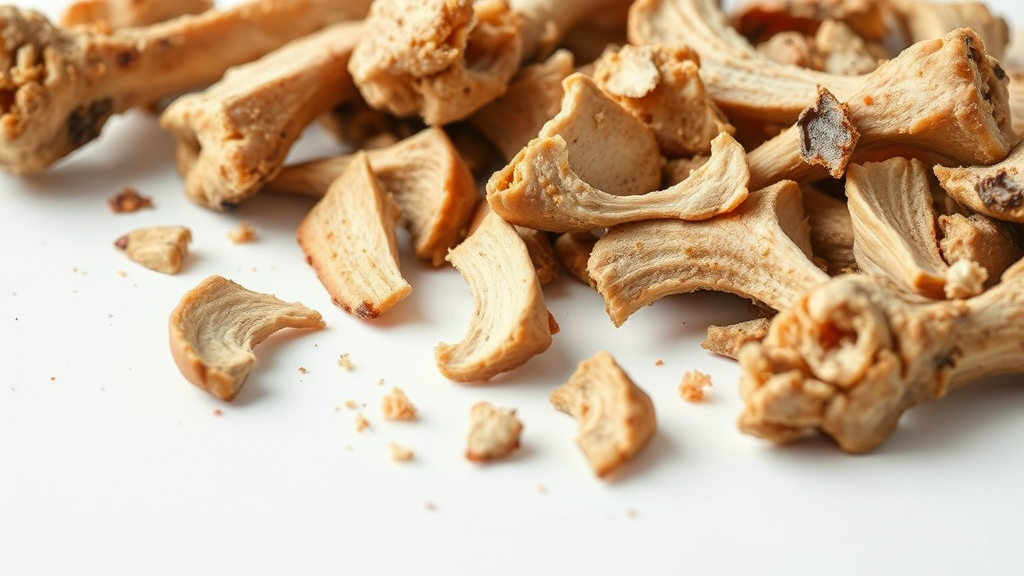
Turkey bones pose multiple serious health risks to dogs, with the primary concern being their tendency to splinter when chewed. Unlike the bones dogs would naturally consume in the wild, cooked turkey bones undergo structural changes that make them extremely hazardous. The cooking process removes moisture and alters the bone’s composition, making it brittle and prone to breaking into sharp, jagged pieces.
When dogs chew on these brittle bones, they can break apart in their mouths, creating dangerous splinters that can puncture the soft tissues of the mouth, throat, esophagus, stomach, or intestines. These sharp fragments can cause choking, internal bleeding, blockages, and perforations that may require emergency surgery or can even be fatal.
The size and structure of turkey bones present additional risks. Turkey leg bones and wing bones are particularly dangerous due to their hollow structure and the way they fracture. Even seemingly harmless wishbones can pose choking hazards or cause intestinal blockages. The American Veterinary Medical Association strongly advises against giving any cooked bones to pets due to these inherent dangers.
Cooked vs Raw Turkey Bones: Understanding the Difference
The cooking process fundamentally changes the structure and safety profile of turkey bones. Raw turkey bones maintain their natural flexibility and moisture content, making them less likely to splinter compared to their cooked counterparts. However, this doesn’t necessarily make raw turkey bones safe for all dogs.
Raw bones are softer and more pliable, which reduces the risk of splintering, but they still present potential hazards. Large raw turkey bones can still cause choking or intestinal blockages, especially in smaller dogs. Additionally, raw poultry bones carry the risk of bacterial contamination, including Salmonella and Campylobacter, which can cause serious gastrointestinal illness in both dogs and their human families.
The FDA warns about the risks associated with raw pet foods, including raw bones. While some veterinarians may approve supervised raw bone consumption for certain dogs, turkey bones are generally not recommended due to their size and the specific risks they present. Many pet owners wonder about other poultry bones as well, such as whether can dogs eat chicken bones, which carry similar risks and concerns.
Recognizing Symptoms of Bone-Related Injuries
Recognizing the signs of bone-related injuries is crucial for every dog owner, as early intervention can be life-saving. Symptoms may appear immediately after bone consumption or develop over several hours or days, depending on the location and severity of the injury.
Immediate symptoms to watch for include choking, gagging, excessive drooling, pawing at the mouth, or difficulty swallowing. These signs often indicate that bone fragments are lodged in the mouth, throat, or esophagus and require immediate veterinary attention.
Gastrointestinal symptoms may develop more gradually and include vomiting, loss of appetite, lethargy, abdominal pain, difficulty defecating, or blood in stool or vomit. These symptoms could indicate internal injuries, blockages, or perforations that require emergency medical intervention. The severity of symptoms doesn’t always correlate with the extent of internal damage, so any concerning signs warrant veterinary evaluation.
Some dogs may exhibit behavioral changes such as restlessness, hiding, or reluctance to move, which can indicate pain or discomfort. According to Pet Poison Helpline, even dogs that seem fine initially may develop complications hours or days later, making monitoring essential.

What to Do If Your Dog Eats Turkey Bones
If you discover that your dog has consumed turkey bones, immediate action is essential, but the response must be appropriate to avoid making the situation worse. First and most importantly, do not attempt to induce vomiting unless specifically instructed by a veterinarian, as this can cause bone fragments to move and create additional injuries.
Contact your veterinarian or emergency animal hospital immediately, providing details about the type and amount of bones consumed, when the incident occurred, and your dog’s current condition. Many veterinary clinics have 24-hour emergency lines or can direct you to the nearest emergency facility.
While waiting for professional guidance, monitor your dog closely for any symptoms of distress. Remove any remaining bones or turkey remnants from your dog’s reach to prevent further consumption. Keep your dog calm and restrict their activity to prevent bone fragments from shifting or causing additional damage.
The veterinary team may recommend immediate examination, diagnostic imaging such as X-rays, or a watch-and-wait approach depending on various factors including the size of your dog, the type and amount of bones consumed, and the time elapsed since consumption. Similar emergency protocols apply to other bone-related incidents, such as when dogs consume chicken bones or other poultry bones.
Safe Bone Alternatives for Dogs
Fortunately, there are numerous safe alternatives that can satisfy your dog’s natural desire to chew without the risks associated with turkey bones. Commercial dog bones made specifically for canine consumption undergo safety testing and are designed to provide entertainment and dental benefits without splintering.
Raw beef bones, particularly large knuckle bones or marrow bones, are generally considered safer options when given under supervision. These bones are larger, denser, and less likely to splinter than poultry bones. However, they should still be appropriately sized for your dog and removed when they become small enough to pose a choking hazard.
Synthetic chew toys and edible dental chews provide excellent alternatives that satisfy the urge to chew while promoting dental health. Products approved by the Veterinary Oral Health Council offer proven benefits for maintaining oral hygiene. These alternatives are particularly important to consider since many dog owners have similar questions about other meat bones, including whether dogs can have ham bones or other meat-based options.
Natural alternatives like bully sticks, antlers, and specially prepared raw bones from reputable suppliers can also provide safe chewing experiences. Always supervise your dog during chew time and select appropriately sized products for your pet’s size and chewing intensity.
Prevention Strategies During Turkey Season
Prevention is the most effective strategy for keeping your dog safe from turkey bone hazards, especially during holidays and special occasions when turkey is commonly served. Establishing clear household rules and educating all family members and guests about the dangers of giving dogs table scraps is essential.
Create a designated safe space for your dog during meal preparation and consumption, away from areas where bones might be dropped or disposed of. Use secure trash containers with tight-fitting lids to prevent scavenging, and dispose of bones immediately rather than leaving them on plates or in easily accessible areas.
Educate children and visitors about the importance of not feeding the dog from the table, and consider providing a special dog-safe treat that can be given instead. Many pet stores offer holiday-themed dog treats that allow your pet to participate in special meals safely.
When carving turkey or cleaning up after meals, maintain awareness of bone locations and clean up thoroughly. Even small bone fragments can pose risks, so careful cleanup is essential. These same prevention strategies apply to other potentially dangerous bones, and pet owners often need guidance about various meat bones, such as whether dogs can eat bones of different types safely.
Veterinary Perspective on Dogs and Bones
Veterinary professionals are unanimous in their recommendation against giving dogs cooked poultry bones, including turkey bones. The American Veterinary Medical Association emphasizes that the risks far outweigh any perceived benefits, and emergency veterinarians regularly treat cases of bone-related injuries that could have been prevented.
From a clinical perspective, veterinarians report that bone-related emergencies often require expensive diagnostic procedures, surgery, and extended hospitalization. The injuries caused by splintered bones can be severe and sometimes irreversible, leading to chronic health problems or even death in worst-case scenarios.
Many veterinarians recommend focusing on commercial dog treats and toys that are specifically designed for canine consumption and have undergone safety testing. They emphasize that dogs don’t require bones in their diet when fed a complete and balanced commercial dog food, making bone-giving purely recreational rather than nutritional.
The veterinary community also stresses the importance of owner education in preventing these emergencies. Many bone-related incidents occur when well-meaning family members or guests give dogs bones without understanding the risks. Professional guidance on safe alternatives helps ensure that dogs can enjoy satisfying chew experiences without compromising their health. This professional perspective extends to questions about other meat bones, including whether dogs can have pork chop bones or dogs can have lamb bones, with similar safety concerns applying across different meat types.
Additionally, veterinary research continues to support the development of safer chewing alternatives that provide the psychological and dental benefits dogs seek from bones without the associated risks. The Humane Society provides additional resources for pet owners seeking safe enrichment options for their dogs, emphasizing that prevention through education and appropriate alternatives is always preferable to emergency treatment of bone-related injuries.
Frequently Asked Questions
Can dogs eat any part of a cooked turkey safely?
While dogs can eat small amounts of plain, cooked turkey meat without skin, seasonings, or bones, all turkey bones should be avoided entirely. The meat should be given in moderation as an occasional treat, not as a regular part of their diet. Remove all bones, skin, and excess fat before offering any turkey to your dog.
What should I do if my dog already swallowed a small turkey bone piece?
Contact your veterinarian immediately, even if your dog seems fine. Do not induce vomiting unless specifically instructed by a veterinary professional. Monitor your dog closely for symptoms like vomiting, loss of appetite, lethargy, or difficulty defecating, and seek emergency care if any concerning signs develop.
Are raw turkey bones safer than cooked ones?
While raw turkey bones are less likely to splinter than cooked ones, they still pose significant risks including choking, blockages, and bacterial contamination. Most veterinarians do not recommend raw turkey bones due to their size and the potential for Salmonella or other bacterial infections that can affect both pets and humans.
How long after eating a turkey bone would symptoms appear?
Symptoms can appear anywhere from immediately to several days after consumption. Choking or mouth injuries may be apparent right away, while intestinal blockages or perforations might not show symptoms for 12-72 hours. This is why immediate veterinary consultation is important regardless of when symptoms appear.
Can I give my dog turkey bones if I supervise them closely?
No, supervision does not eliminate the risks associated with turkey bones. Splintering can occur instantly, and even with close watching, you cannot prevent internal injuries once bone fragments are swallowed. The safest approach is to avoid turkey bones entirely and choose safer alternatives designed for dogs.
What are the best alternatives to turkey bones for dogs who love to chew?
Safe alternatives include appropriately sized raw beef marrow bones, commercial dog bones tested for safety, bully sticks, antlers, and synthetic chew toys. Look for products approved by veterinary organizations and always supervise chewing sessions. Remove any chew item when it becomes small enough to pose a choking hazard.
Are there any dogs that can safely eat turkey bones?
No dog breed or size should be given cooked turkey bones due to the universal risk of splintering and injury. While larger dogs might seem more capable of handling bones, they are equally susceptible to internal injuries from bone fragments. The size of the dog does not change the fundamental dangers posed by cooked poultry bones.





