

Here’s the short answer: yes, dogs can have yogurt—but not all yogurt is created equal, and there are some real gotchas to watch for. As a vet tech who’s seen plenty of upset stomachs from well-meaning owners, I can tell you that yogurt can actually be a solid treat for your dog when you pick the right kind. But grab the wrong container from your fridge, and you’re looking at digestive trouble or worse.
The question can dogs have yogurt comes up constantly in my clinic, usually from owners wondering if they can share their breakfast or use it as a training treat. The answer depends on three things: the type of yogurt, how much you’re giving, and whether your dog’s stomach can handle dairy. Let’s break this down so you know exactly what’s safe and what could land you a cleanup job you won’t enjoy.
What Types of Yogurt Are Safe for Dogs?
Not all yogurt belongs in your dog’s bowl. The safest option is plain, unsweetened yogurt—either regular or Greek. That’s it. No flavoring, no added sugars, no artificial sweeteners.
Here’s what you’re looking for on the label:
- Plain yogurt (vanilla and fruit-flavored varieties contain sugar)
- No xylitol (this artificial sweetener is toxic to dogs—seriously, even small amounts)
- Low or no added sugar
- Preferably live and active cultures (the probiotics that actually help)
Greek yogurt is often a better choice than regular yogurt because it has more protein and less lactose. If your dog is sensitive to dairy, Greek yogurt might be easier on their system. According to the American Kennel Club, plain Greek yogurt can be especially beneficial for dogs because of its probiotic content.
Avoid these like they’re contaminated:
- Flavored yogurts (strawberry, blueberry, vanilla)
- Yogurts with added sugar or honey
- Anything containing xylitol (check the ingredient list—some “sugar-free” yogurts use this)
- Yogurt with granola or mix-ins
- Frozen yogurt (often has extra sugar and additives)
Pro Tip: Read the label like you’re defusing a bomb. Xylitol can hide in “natural sweetener” products. If you’re not 100% sure what’s in it, don’t give it to your dog.
Real Benefits of Yogurt for Dogs
Okay, so why would you even consider giving your dog yogurt? There are actually some legitimate reasons—assuming you pick the right kind.
Probiotics for Gut Health: Plain yogurt with live cultures contains beneficial bacteria that can support your dog’s digestive system. These good bacteria help maintain a healthy gut microbiome, which matters more than most people realize. A balanced gut can improve digestion, reduce bloating, and even support immune function. Studies on probiotics in dogs show promise, though research is still evolving. PetMD notes that probiotics may help with certain digestive issues, especially after antibiotic use.
Protein and Calcium: Yogurt is packed with protein and calcium, both important for muscle maintenance and bone health. A small serving gives your dog a nutrient boost without a ton of calories. This is especially useful for older dogs or those recovering from illness.
A Tasty Training Treat: Let’s be real—plain yogurt is boring to humans but exciting to most dogs. Use it as a high-value training reward or mix it into their regular food to make mealtime more interesting. Dogs who are picky eaters sometimes perk up when yogurt is involved.
Digestive Support After Antibiotics: When your vet prescribes antibiotics, they kill both bad and good bacteria. Plain yogurt with live cultures can help repopulate the good stuff. This is especially helpful if your dog develops diarrhea as a side effect of medication.
Think of yogurt as a supplement, not a meal replacement. It’s a supporting player, not the star of the show.
The Risks You Need to Know About
Before you start spooning yogurt into your dog’s mouth, understand the potential downsides. I’ve seen dogs get sick from yogurt, and it’s usually preventable.
Xylitol Toxicity: This is the big one. Xylitol is an artificial sweetener used in many “sugar-free” products, including some yogurts. For dogs, xylitol is toxic—it can cause rapid insulin release, leading to hypoglycemia (dangerously low blood sugar). Symptoms include vomiting, lethargy, seizures, and even liver failure. According to the ASPCA Animal Poison Control Center, xylitol poisoning in dogs is a medical emergency. If your dog eats xylitol-containing yogurt, call your vet or poison control immediately.
Digestive Upset: Even plain yogurt can cause diarrhea, vomiting, or gas in dogs with sensitive stomachs or lactose intolerance. Start small—a teaspoon or two—and monitor your dog for 24 hours before increasing the amount.
Weight Gain: Yogurt has calories. If you’re giving your dog a full cup as a treat, you’re adding unnecessary calories to their diet, which can lead to weight gain over time. This matters more for smaller dogs and those prone to obesity.
High Sugar Content: Most flavored yogurts are loaded with sugar. Your dog doesn’t need it, and excess sugar can contribute to dental problems, weight gain, and even pancreatitis in some cases.
Safety Warning: Always check the ingredient list for xylitol before giving any new food to your dog. Don’t assume “healthy” or “natural” products are safe. When in doubt, ask your vet.
Lactose Intolerance in Dogs

Here’s something that surprises people: most adult dogs are actually lactose intolerant. Unlike humans who drink milk regularly, dogs’ bodies often stop producing lactase (the enzyme that breaks down lactose) after puppyhood. This is totally normal and doesn’t mean your dog is broken.
The good news? Yogurt is easier to digest than milk because the fermentation process breaks down much of the lactose. Greek yogurt has even less lactose than regular yogurt. So even lactose-sensitive dogs can sometimes tolerate small amounts of plain yogurt without issues.
How do you know if your dog is lactose intolerant? Watch for:
- Diarrhea within 30 minutes to 2 hours after eating dairy
- Gas or bloating
- Vomiting
- Stomach discomfort or whining
If your dog shows any of these signs after yogurt, skip it and stick to non-dairy treats. You can also check out our guide on what to do if your dog has diarrhea for management tips.
Some dogs handle a tiny taste of yogurt fine but get sick from larger amounts. This is your cue to keep portions microscopic—think teaspoon, not tablespoon.
How Much Yogurt Can Your Dog Actually Have?
This is where most owners go wrong. They think “yogurt is healthy, so more is better.” That’s not how it works.
General Guidelines:
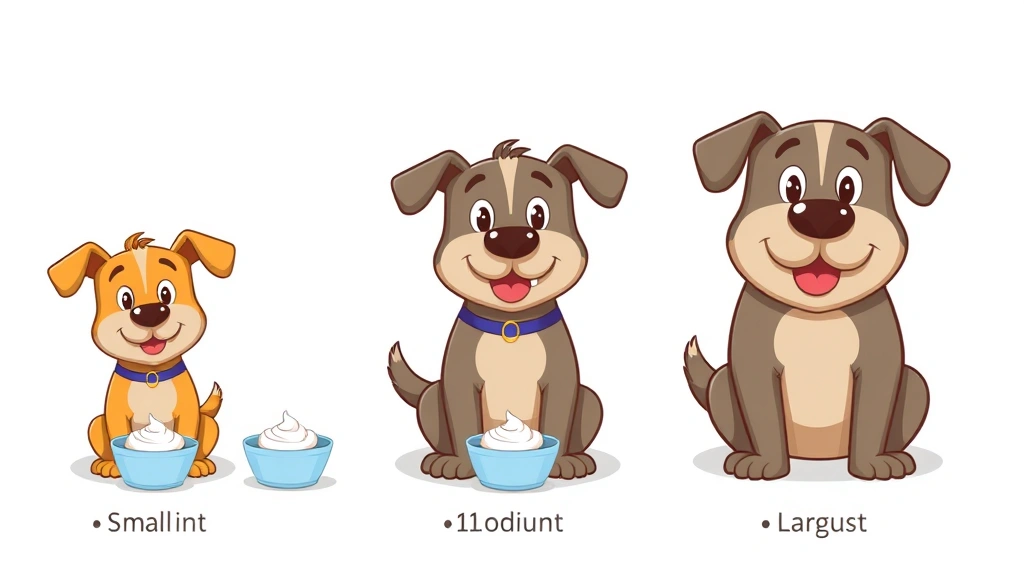
- Small dogs (under 20 lbs): 1-2 teaspoons, once or twice a week
- Medium dogs (20-50 lbs): 1-2 tablespoons, once or twice a week
- Large dogs (over 50 lbs): 2-3 tablespoons, once or twice a week
These amounts should be treats, not part of their regular meal. Yogurt shouldn’t make up more than 10% of your dog’s daily caloric intake. If your dog weighs 50 pounds and eats about 1,000 calories a day, yogurt should contribute no more than 100 calories.
Start smaller than you think you should. Give your dog a teaspoon and wait 24 hours. If there’s no digestive upset, you can gradually increase to the recommended amount. This slow introduction helps you identify any sensitivities without dealing with a mess.
Frequency matters too. Yogurt is a treat, not a daily staple. Once or twice a week is plenty. More often than that and you risk digestive issues and weight gain.
Best Practices for Giving Yogurt to Dogs
If you’re going to give your dog yogurt, do it right.
Read Every Label: Seriously. Every single time. Manufacturers change formulas, and what was safe last month might contain xylitol this month. It takes 30 seconds and could save your dog’s life.
Plain is Best: Stick to plain, unsweetened yogurt. If it has any flavor or added ingredients, pass. Your dog won’t care that it’s boring—they’ll just be happy to eat it.
Serve It Plain or Mix It In: You can give yogurt on its own as a treat, or mix a small amount into their regular food to add probiotics and make the meal more interesting. Some owners freeze yogurt in ice cube trays for a cool summer treat (just use plain yogurt, no mix-ins).
Watch for Reactions: After the first serving, monitor your dog for 24-48 hours. Look for vomiting, diarrhea, gas, or any sign of digestive upset. If something seems off, consult our diarrhea guide or call your vet.
Consider Your Dog’s Overall Diet: If your dog is already getting probiotics from their food or supplements, they might not need yogurt. Talk to your vet about whether yogurt makes sense for your specific dog.
Store It Properly: Keep yogurt in the fridge and use it before the expiration date. Old yogurt loses its probiotic benefits and can harbor harmful bacteria.
Pro Tip: Freeze plain yogurt in ice cube trays for a refreshing summer treat. Pop one cube into your dog’s bowl or give it as a lick-able treat on a hot day. Dogs love it, and it’s better than ice cream.
Yogurt Alternatives for Dogs
Not sure about yogurt for your dog? There are other options that provide similar benefits without the dairy concerns.
Probiotic Supplements: If you want the gut-health benefits without yogurt, ask your vet about dog-specific probiotic supplements. These are formulated for canine digestion and come in powders, treats, or capsules. They’re a controlled way to add probiotics without guessing on portions.
Kefir: This fermented milk drink has even less lactose than yogurt and contains more probiotic strains. Plain kefir in small amounts can be a good option, but again—check labels and start small.
Bone Broth: Plain, unsalted bone broth is great for digestion and hydration. It’s not a probiotic source, but it supports gut health in other ways. Make sure there’s no onion, garlic, or salt.
Other Dairy Alternatives: If you’re looking for similar treats, check out our guides on can dogs have goat cheese and can dogs have whip cream for other options.
Fiber-Rich Foods: Sweet potato, pumpkin, and carrots support digestive health naturally. These are safer for most dogs and don’t carry the lactose concerns.
Your vet can recommend the best option based on your dog’s specific needs and digestive health.
Frequently Asked Questions
Can puppies have yogurt?
– Puppies can have small amounts of plain yogurt, but their digestive systems are still developing. Start with just a tiny taste (less than a teaspoon) to see how they react. Most puppies are less likely to be lactose intolerant than adult dogs, but that can change as they age. If you want to give puppies probiotics, ask your vet about puppy-specific formulas first.
Is Greek yogurt better than regular yogurt for dogs?
– Yes, generally. Greek yogurt has less lactose and more protein than regular yogurt, making it easier to digest and more nutritious. Both are safe as long as they’re plain and unsweetened, but Greek yogurt is the better choice for dogs with mild lactose sensitivity.
What if my dog ate yogurt with xylitol?
– Call your vet or the ASPCA Poison Control Center immediately (888-426-4435). Xylitol toxicity is serious and time-sensitive. Have the yogurt container ready so you can tell them exactly how much your dog ate. Don’t wait to see if symptoms develop—get professional help right away.
Can yogurt help with my dog’s bad breath?
– Possibly. Probiotics can help balance oral bacteria in some cases, but yogurt alone won’t cure bad breath. Bad breath usually signals a dental or health issue that needs vet attention. Get your dog checked out first, then ask your vet if yogurt might help as part of a broader plan.
How often can I give my dog yogurt?
– Once or twice a week in small amounts is ideal. Yogurt should be a treat, not a daily staple. More frequent yogurt feeding can lead to digestive upset, weight gain, or nutrient imbalances.
Can dogs have frozen yogurt?
– Plain frozen yogurt (homemade or from a pet-specific brand with no added sugar or xylitol) is fine in tiny amounts. Commercial frozen yogurt for humans usually has added sugar and shouldn’t be given to dogs. If you want a frozen treat, freeze plain yogurt in ice cube trays instead.
What’s the difference between plain yogurt and Greek yogurt for dogs?
– Greek yogurt is strained, so it has less lactose, more protein, and a thicker consistency. For dogs, this means it’s easier to digest and more nutritious per serving. Both are safe, but Greek yogurt is generally the better choice.
Should I give yogurt to my senior dog?
– Yes, if they tolerate dairy well. Senior dogs can benefit from the protein and probiotics in plain yogurt. Their digestive systems may be more sensitive, so start with very small amounts and watch for any issues. If your senior dog has existing digestive problems, ask your vet first.
Can yogurt replace my dog’s probiotic supplement?
– Not necessarily. Yogurt contains probiotics, but the amount and strain vary by brand. Probiotic supplements are formulated with specific strains in specific amounts for dogs. If your vet recommended a supplement, stick with it. You can add yogurt as a bonus, but don’t use it as a replacement without vet approval.
My dog has pancreatitis—can they have yogurt?
– Plain, low-fat yogurt might be okay in tiny amounts, but ask your vet first. Pancreatitis requires a strict diet, and even small treats can trigger flare-ups in some dogs. Your vet will know your dog’s specific situation and can say yes or no.
Disclaimer: This article is for informational purposes only and should not replace professional veterinary advice. Always consult your veterinarian before introducing new foods to your dog’s diet, especially if your dog has existing health conditions or dietary restrictions.





