

Can Dogs Look Up? Expert Insights into Canine Vision and Anatomy
One of the most common questions dog owners ask is whether their furry companions can actually look upward. The answer might surprise you: yes, dogs absolutely can look up, but their ability to do so differs significantly from humans in fascinating ways. Understanding how your dog’s eyes and neck work together reveals a lot about their unique perspective on the world and explains some of their quirky behaviors you’ve probably noticed.
Dogs have evolved remarkable visual abilities tailored to their needs as hunters and companions. While they may tilt their heads adorably when confused or curious, their capacity to gaze upward involves a combination of eye movement, neck flexibility, and neurological processing. This comprehensive guide explores the science behind canine vision, the mechanics of how dogs look up, and what this tells us about their perception of their environment.
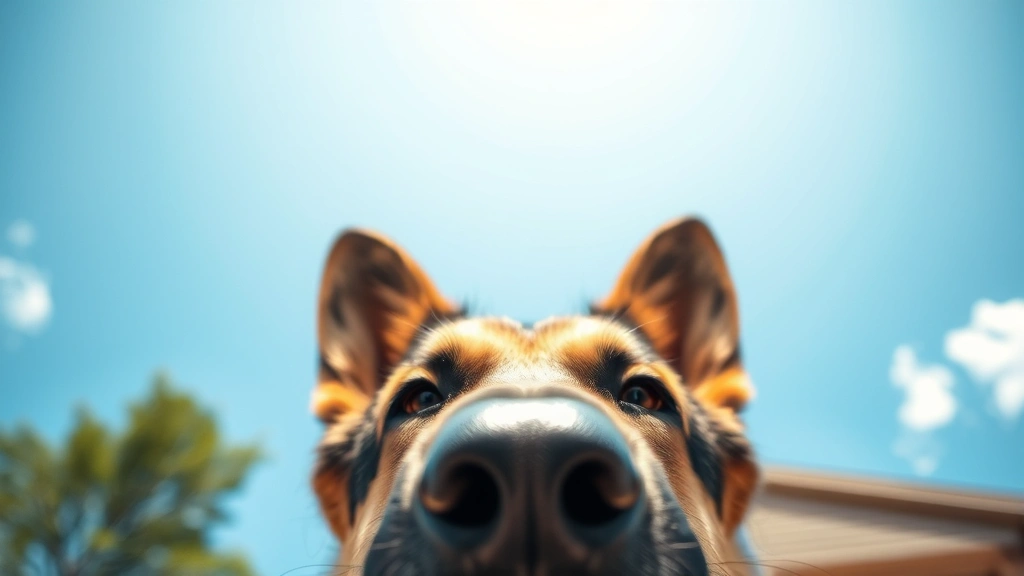
Do Dogs Have the Ability to Look Upward?
The straightforward answer is yes—dogs can look up. However, the extent and manner in which they do so varies based on several factors including breed, age, and individual anatomy. Unlike humans, who can rotate their eyes independently within a wide range, dogs rely more heavily on head movement to adjust their vertical gaze. This doesn’t mean they’re limited; it simply reflects their evolutionary adaptations as canines.
Dogs possess extraocular muscles that control eye movement, allowing them to shift their gaze vertically and horizontally. These muscles work in conjunction with their neck vertebrae, which provide considerable flexibility. When your dog looks up at you with those soulful eyes, they’re using a coordinated effort of eye muscles and neck positioning. The upward gaze is particularly prominent when dogs are seeking attention or expressing emotions like excitement.
Research from veterinary ophthalmologists confirms that dogs have a field of view that extends well above the horizontal plane. While their visual acuity differs from humans, their ability to track movement vertically is quite sophisticated. This is why dogs can follow a bird in flight or watch a treat being held above their head with relative ease.
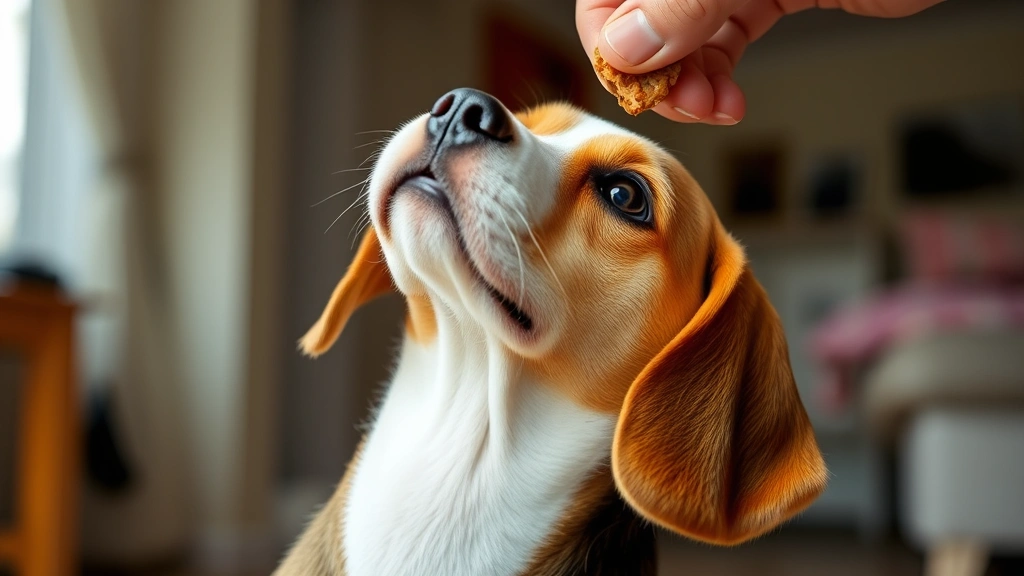
The Anatomy of Canine Eyes and Vision
Understanding whether dogs can look up requires examining their eye structure. A dog’s eye is remarkably similar to a human eye in basic architecture, containing a cornea, lens, retina, and optic nerve. However, there are key differences that affect how they see and process visual information. The canine eye is positioned more laterally on the head compared to human eyes, giving dogs a wider peripheral vision—approximately 250 degrees compared to our 190 degrees.
The retina in dogs contains a special reflective layer called the tapetum lucidum, which is absent in human eyes. This layer bounces light back through the photoreceptors, enhancing night vision and making dogs’ eyes glow in the dark when illuminated. This adaptation makes dogs superior at detecting movement and seeing in low-light conditions, which is crucial for their hunting heritage.
When it comes to looking upward, dogs have six extraocular muscles surrounding each eye that enable movement in all directions. These muscles are innervated by three cranial nerves, creating a complex system that allows for smooth, coordinated eye movements. Additionally, dogs possess a third eyelid (nictitating membrane) that provides extra protection and lubrication—a feature many dog owners notice when their pet is drowsy or unwell. If you’ve observed redness in your dog’s eye, understanding this anatomy helps explain various ocular conditions.
The lens in a dog’s eye is more spherical than a human’s, allowing for better accommodation at close distances. This is why dogs can focus on nearby objects, like treats or toys, with impressive precision. Their visual range extends from approximately 20 inches to infinity, though their near vision is stronger than their distance vision compared to humans.
Neck Flexibility and Head Movement in Dogs
One of the most distinctive features of canine anatomy is their incredibly flexible neck. Dogs have seven cervical vertebrae, the same number as humans, but with significantly greater range of motion. This flexibility allows dogs to rotate their heads nearly 270 degrees in some cases, far exceeding human capability. This adaptability is crucial for their ability to look upward effectively.
The cervical spine in dogs contains specialized joints and ligaments that permit extreme rotation, flexion, and extension. This design reflects their evolutionary history as predators who needed to track prey in three-dimensional space. When your dog tilts their head or looks up, they’re leveraging this remarkable spinal structure. The muscles surrounding the neck—including the sternocleidomastoideus, splenius capitis, and trapezius—work in concert to position the head for optimal viewing angles.
Breed-specific variations affect neck flexibility too. Long-necked breeds like Greyhounds and Whippets have different proportions than short-necked breeds like Bulldogs or Basset Hounds. However, all healthy dogs retain substantial upward-gaze capability. Age also plays a role; older dogs may experience reduced flexibility due to arthritis or degenerative disc disease, making the full range of upward gazing more difficult. As part of proper dog care, maintaining your senior dog’s mobility through appropriate exercise can help preserve their visual range.
The coordinated movement of the neck and eyes creates what scientists call the vestibulo-ocular reflex. When a dog moves their head, their eyes automatically compensate to keep their gaze stable. This is why dogs can maintain focus on an upward target even while moving their head—a skill that’s especially useful during play or when tracking airborne objects.
How Dogs’ Vision Differs from Human Vision
While dogs can look up, their overall visual perception differs substantially from human vision in several important ways. Understanding these differences provides context for how dogs process their upward gaze and interact with their environment.
Color Vision: Dogs are not colorblind, but they see a more limited color spectrum than humans. They perceive the world primarily in shades of blue and yellow, lacking the ability to distinguish red and green. This dichromatic vision means when you throw a red ball into green grass, your dog isn’t seeing the vibrant contrast you are. Instead, they’re relying more heavily on movement detection to locate the toy.
Motion Detection: Dogs excel at detecting movement, particularly peripheral motion. They can perceive movement at distances and speeds that would be imperceptible to humans. This superior motion detection is why your dog notices the slightest head movement from across the room and why they’re so effective at tracking flying insects or birds overhead.
Visual Acuity: Dogs have visual acuity of approximately 20/75, meaning they need to be 20 feet away to see what humans can see at 75 feet. However, this shouldn’t be interpreted as poor vision—it’s simply adapted to their needs. Dogs prioritize motion detection and peripheral vision over fine detail recognition.
Night Vision: The tapetum lucidum we mentioned earlier gives dogs significantly better night vision than humans. They require approximately one-quarter to one-half the light level that humans need to see clearly. This adaptation made them excellent nocturnal hunters and explains why your dog navigates dark rooms with ease.
Depth Perception: While dogs have less binocular overlap than humans (their eyes are positioned more laterally), they still maintain functional depth perception. This is essential for judging distances when looking upward at treats, toys, or other objects of interest.
Why Dogs Tilt Their Heads
One of the most endearing canine behaviors is the head tilt. When your dog looks up at you with a tilted head, they’re employing multiple strategies simultaneously. This behavior is so characteristic that many dog owners wonder if it’s connected to the question of whether dogs can look up.
Research suggests dogs tilt their heads for several reasons. First, acoustic localization plays a significant role. By tilting their head, dogs can better determine the direction and distance of sounds. Their ears are mobile and can rotate independently, and head positioning enhances their ability to pinpoint sound sources. When you call your dog from another room, that adorable head tilt helps them triangulate your location.
Second, head tilting may improve visual perception. By changing the angle of their head, dogs can see around their muzzles more effectively. Dogs have a blind spot directly in front of their nose due to their muzzle structure. Tilting their head allows them to see something directly in front of them more clearly. This is particularly noticeable when dogs look at small objects or when they’re trying to see something above them at an awkward angle.
Third, the head tilt is often a communicative gesture. Dogs have learned that this behavior elicits positive responses from humans. The tilt triggers our nurturing instincts, making us more likely to provide attention, treats, or affection. Dogs are remarkably adept at reading human reactions and adjusting their behavior accordingly. This learned behavior is reinforced every time someone responds to the head tilt with “aww” and petting.
Fourth, head tilting can indicate emotional engagement and focus. When a dog is concentrating intently on something—whether it’s understanding a command or following a toy—they often tilt their head. This physical adjustment may help them process information more effectively or express their attentiveness to their owner.
The Role of Upward Gaze in Dog Behavior
The ability to look upward plays a crucial role in numerous aspects of canine behavior and communication. Understanding this helps explain many things your dog does throughout the day.
Attention-Seeking: When your dog looks up at you with soft eyes, they’re engaging in what researchers call “puppy dog eyes.” Studies have shown that dogs use upward gazes specifically to communicate with humans. This behavior triggers the release of oxytocin in both the dog and the human, creating a bonding moment. This is why your dog looks up when they want your attention or are asking for something.
Prey Drive and Hunting: Dogs evolved from wolves, creatures that needed to track prey in three-dimensional space. The ability to look upward is essential for monitoring birds, squirrels, and other small animals. When your dog stares upward at a bird on a branch, they’re expressing an ancient hunting instinct. This behavior is completely normal and doesn’t necessarily indicate aggression—it’s simply their predatory awareness being triggered.
Food Motivation: Dogs quickly learn that looking upward at their owners often results in treats or food. If you’ve ever held a treat above your dog’s head, you’ve witnessed how readily they gaze upward. This behavior becomes conditioned through repetition, and many dogs will automatically look up when they anticipate food rewards. Understanding proper dog care nutrition includes recognizing these food-motivated behaviors.
Environmental Awareness: Looking upward allows dogs to monitor their environment completely. Threats, opportunities, and points of interest can come from above—whether it’s a low-hanging branch, an overhead shelf where food might be stored, or potential dangers. This comprehensive environmental scanning is part of their natural survival mechanism.
Social Hierarchy and Submission: In canine social structures, looking upward can be a submissive gesture. A dog looking up at a more dominant pack member is expressing deference and respect. This is why dogs often look up at their owners—they’re acknowledging human leadership in their household hierarchy.
Common Misconceptions About Dog Vision
Several myths persist about canine vision and the ability to look upward. Let’s address these misconceptions with evidence-based information.
Misconception 1: Dogs Can’t Look Up This is patently false. Dogs can and do look upward regularly. The persistence of this myth likely stems from the fact that dogs rely more on head movement than eye movement alone, leading some observers to assume they have limited upward vision.
Misconception 2: Dogs See in Black and White While dogs don’t see color the way humans do, they definitely don’t see in black and white. They see a world of blues and yellows, which is actually more useful for their hunting and survival needs than the full spectrum we humans perceive.
Misconception 3: Dogs Can’t See Clearly at Any Distance While dogs don’t have the visual acuity humans do for detail, they excel at detecting movement from great distances. A dog can spot a moving squirrel hundreds of feet away even if they can’t read fine print like we can.
Misconception 4: All Dogs Have the Same Vision Just as humans have variations in eyesight, dogs do too. Breed, age, health status, and individual genetics all affect visual capability. Some dogs are more nearsighted, while others have better peripheral vision. Additionally, conditions like eye inflammation or redness can temporarily or permanently affect vision quality.
Misconception 5: Head Tilting Means Dogs Don’t Understand The head tilt is often interpreted as confusion, but research suggests it’s actually a sign of engagement and focus. Dogs tilt their heads when they’re trying to understand something better, not because they’re baffled.
According to the American Kennel Club, understanding your dog’s sensory capabilities is essential for responsible pet ownership. Recognizing that dogs can look up and that this behavior serves important functions helps owners better interpret their dog’s actions and respond appropriately.
FAQ
Can all dog breeds look up equally well?
Most dog breeds can look up effectively, but some variations exist. Brachycephalic breeds (flat-faced dogs like Bulldogs and Pugs) may experience slight limitations due to their shortened muzzles, though they can still gaze upward. Long-bodied breeds like Dachshunds have different proportions that might affect their upward gaze angle. Senior dogs or those with spinal issues may have reduced upward-gaze capability. However, barring specific health conditions, virtually all dogs can look up to some degree.
Why does my dog look up at me when they want something?
Dogs have learned through experience that looking upward at their owners’ faces triggers positive responses. This behavior, sometimes called “puppy dog eyes,” is partially instinctive and partially learned. Puppies naturally look up at their mothers, and this behavior transfers to their human caregivers. Additionally, research shows that the upward gaze activates oxytocin release in both dogs and humans, creating a bonding experience that reinforces the behavior.
Is it normal for my dog to stare upward at nothing?
Dogs occasionally stare upward at seemingly nothing, which can be normal or concerning depending on context. Often, they’re tracking something you can’t see—an insect, sound, or scent. However, if your dog frequently stares upward while appearing dazed or unresponsive, or if this behavior is accompanied by other symptoms like stumbling or seizure activity, consult your veterinarian. Persistent upward staring can sometimes indicate neurological issues that require professional evaluation.
Can dogs see things above their head clearly?
Dogs can see objects above their heads, but their clarity depends on distance and lighting. Their visual acuity is lower than humans’, so fine details above them might be blurry. However, they excel at detecting movement from any angle, including above. If a treat is held directly above a dog’s head, they might have difficulty seeing it due to their muzzle blocking the view—which is why they often tilt their head to compensate.
How can I tell if my dog has vision problems?
Signs of vision problems in dogs include bumping into objects, reluctance to move in dim lighting, dilated pupils that don’t respond to light, cloudiness in the eyes, or difficulty tracking moving objects. If you notice redness, discharge, or swelling in the eyes, schedule a veterinary appointment. Additionally, if your dog suddenly stops looking upward or shows changes in their normal visual behavior, professional evaluation is warranted. The ASPCA provides resources on dog health monitoring that can help you identify potential problems early.
Do dogs have blind spots when looking up?
Dogs do have a blind spot directly in front of their nose due to their muzzle structure. This is why they often tilt their head when trying to see something directly above them—they’re compensating for this anatomical limitation. However, their wide peripheral vision and superior motion detection generally compensate for this blind spot in practical situations.
Can looking up cause neck strain in dogs?
Occasional upward gazing doesn’t cause strain in healthy dogs. Their neck is exceptionally flexible and designed for a wide range of motion. However, prolonged or repetitive upward positioning, combined with existing conditions like arthritis or disc disease, could potentially cause discomfort. If your dog shows signs of neck pain—such as reluctance to look up, yelping, or stiffness—consult your veterinarian. Maintaining appropriate exercise and weight management, as part of comprehensive dog care, helps prevent joint problems.
Why do dogs look up when they hear their name?
When dogs hear their name, they often look upward toward the sound source, particularly if you’re standing above them. This is a combination of acoustic localization (determining where the sound comes from) and learned association (recognizing that their name means attention from their owner). The upward gaze is their way of acknowledging the sound and looking for further direction or reward.
For more information about dog behavior and health, consult resources from veterinary information databases or speak with your veterinarian. Understanding your dog’s capabilities, including their ability to look up, deepens your relationship and helps you provide better care.
The question “can dogs look up” has a clear answer: absolutely yes. Dogs possess the anatomical structures, muscular capability, and neurological processing to gaze upward effectively. This ability serves important functions in their behavior, communication, and interaction with their environment. By understanding how dogs look up and why they do so, you gain valuable insight into their perception of the world and can better interpret their actions and needs.





