
Can Dogs Take Human Antibiotics? What Every Pet Owner Needs to Know
Picture this: your furry best friend is under the weather, and you’ve got a bottle of antibiotics sitting in your medicine cabinet from that infection you had last month. The thought crosses your mind—could you just give your pup a dose to help them feel better faster? Hold that thought! While it might seem like a logical solution, the answer to whether dogs can take human antibiotics is far more complicated than a simple yes or no.
The truth is, while some human antibiotics might technically be safe for dogs in specific situations, administering them without veterinary guidance is a recipe for disaster. Your dog’s physiology, metabolism, and individual health status all play crucial roles in determining what medications are safe. Let’s dive deep into this important topic so you can make informed decisions about your pup’s health and understand why your vet is your best resource.
Before we explore the specifics, it’s worth noting that medication safety for pets is serious business. Just like you wouldn’t give your child medication prescribed to someone else, your dog deserves the same level of care and consideration. Understanding the risks and proper protocols could literally save your dog’s life.
Why Dogs Aren’t Just Small Humans
This is the fundamental concept that every pet owner should understand: dogs are not small humans. Their bodies process medications differently, their organ systems function at different rates, and their metabolism operates on entirely different principles. What works perfectly fine for a 150-pound adult human could be toxic for a 30-pound dog.
Dogs have a faster metabolic rate than humans, which means they process medications more quickly. However, this doesn’t mean they need smaller doses—it means they need different formulations and dosages calculated specifically for their body weight and health status. Additionally, dogs lack certain liver enzymes that humans possess, making them unable to break down certain compounds safely.
Your dog’s kidneys also function differently than yours. Kidney function is crucial for eliminating waste products from medications. If a drug isn’t properly metabolized and excreted, it can accumulate in your dog’s system and cause serious toxicity. This is why vets spend years studying pharmacology specifically for animals—it’s not just about scaling down human doses.
Another critical factor is that dogs can’t tell you if they’re experiencing side effects or adverse reactions the way humans can. A human can say, “I feel nauseous” or “My stomach hurts.” Your dog can only show behavioral changes, and by the time symptoms become obvious, the damage might already be done.
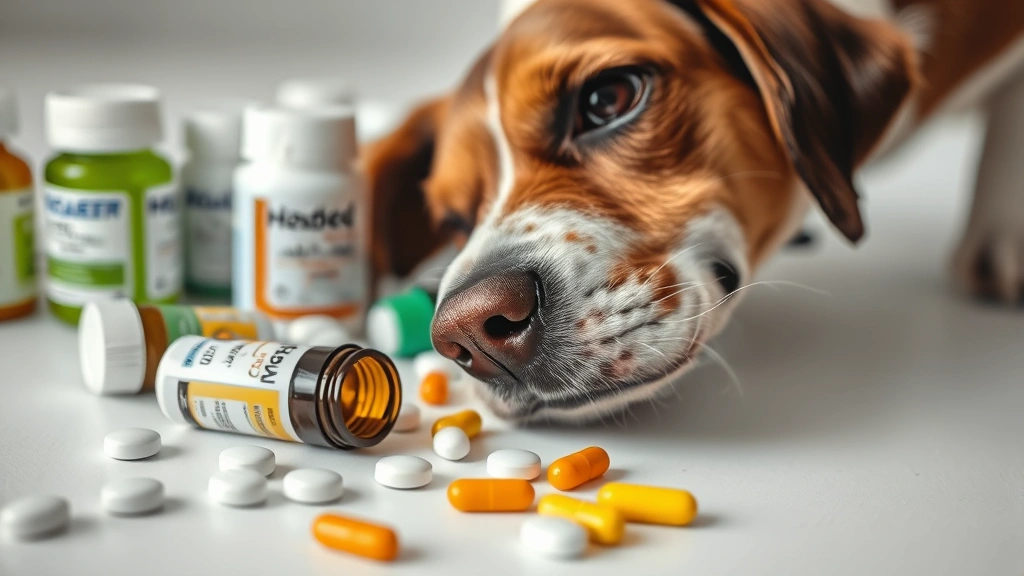
Types of Antibiotics and Dogs
Not all antibiotics are created equal, and some are actually used in veterinary medicine. However, just because a vet might prescribe an antibiotic doesn’t mean the human version is safe for your pup. Here’s what you need to know about common antibiotic classes:
Penicillins and Amoxicillin: These are among the safest antibiotics for dogs and are commonly prescribed by veterinarians. However, the veterinary formulation is different from human versions. The concentration, fillers, and additives in human antibiotics can be problematic. Some dogs are also allergic to penicillin-based antibiotics, just like humans can be.
Fluoroquinolones (like Ciprofloxacin): These are sometimes used in veterinary medicine but require careful monitoring. They can cause joint damage in young dogs and should never be given without professional guidance. This is one category where the risks significantly outweigh any potential benefits of self-medication.
Tetracyclines: While vets do use tetracycline antibiotics for certain conditions, human formulations can be dangerous. These antibiotics can cause permanent tooth discoloration in puppies and young dogs, and they can also cause photosensitivity (increased sensitivity to sunlight).
Sulfonamides: These antibiotics can cause serious reactions in dogs, including drug fever, joint pain, and blood disorders. They should absolutely never be given without explicit veterinary approval.
The key takeaway is this: even if a specific antibiotic might theoretically be safe for dogs, the human formulation isn’t designed for your pet’s needs. Veterinary pharmaceuticals are specifically formulated, dosed, and tested for animal use.

The Real Risks of Human Antibiotics for Dogs
Understanding the potential dangers is crucial for any responsible pet owner. When you give your dog human antibiotics without veterinary guidance, you’re gambling with their health. Here are the serious risks involved:
Allergic Reactions: Just like humans, dogs can have allergic reactions to antibiotics. These can range from mild (itching, hives) to severe (anaphylaxis, difficulty breathing). Without proper monitoring, you won’t know if your dog is having a reaction until it becomes life-threatening. This is especially concerning if you’re not aware of your dog’s medical history or previous medication sensitivities.
Organ Damage: Some antibiotics can damage the liver or kidneys, especially if your dog has pre-existing conditions you’re unaware of. Liver and kidney disease in dogs can be silent until it’s advanced, meaning your pup might already have compromised organ function. An antibiotic that stresses these organs could push them into failure.
Gastrointestinal Issues: Antibiotics kill bacteria—both the bad ones causing infection and the good ones in your dog’s gut microbiome. This can lead to severe diarrhea, vomiting, and secondary infections like Clostridium difficile. Disrupting the gut microbiome can have long-lasting effects on your dog’s digestive health and immune function.
Drug Interactions: If your dog is on any other medications, human antibiotics could interact dangerously. You might not even know about all the supplements or treatments your dog is receiving if they’ve been seen by multiple vets. A veterinarian has access to your dog’s complete medical records and can check for interactions.
Resistance Development: Using antibiotics incorrectly contributes to antibiotic resistance, a serious public health concern. Improper dosing or duration of treatment can allow bacteria to develop resistance, making future infections harder to treat—not just for your dog, but for other animals and humans too.
Masking Serious Conditions: Sometimes, what seems like a simple infection is actually a symptom of something much more serious. A vet can perform diagnostics to identify the underlying cause. If you just treat the symptoms with antibiotics, you might miss a critical diagnosis.
Dosage Differences Matter
Even if a specific antibiotic were theoretically safe for dogs, getting the dosage right is incredibly complex. You might think, “I’ll just give my 40-pound dog half the dose meant for an adult human,” but this approach is dangerously oversimplified.
Veterinary dosing isn’t a simple calculation based on body weight. It also depends on:
- Your dog’s age and overall health status
- Whether your dog has liver or kidney disease
- The specific condition being treated
- Whether your dog is on other medications
- Your dog’s individual metabolism and sensitivity
- The specific bacterial infection and its severity
A dose that’s too low won’t effectively treat the infection and can contribute to antibiotic resistance. A dose that’s too high risks toxicity and serious side effects. This is precisely why vets need to examine your dog, potentially run tests, and make individualized recommendations.
Additionally, the duration of antibiotic treatment matters tremendously. Stopping antibiotics too early allows the infection to return and can develop resistance. Giving them too long can cause unnecessary damage to your dog’s microbiome and increase the risk of side effects. Your vet determines the appropriate treatment duration based on the specific infection and your dog’s response.
What Should You Do Instead?
So you’ve determined that giving your dog human antibiotics is a bad idea—smart choice! But your dog still needs help. Here’s what you should do instead:
Contact Your Veterinarian: This is always your first step. Even if it’s after hours, many vet clinics have emergency numbers. If your dog seems seriously ill, don’t wait—go to an emergency vet clinic. Describe your dog’s symptoms clearly and let the vet perform a proper examination.
Get a Proper Diagnosis: Your vet will determine whether antibiotics are even necessary. Many conditions that seem like bacterial infections are actually viral (and antibiotics won’t help) or require different treatments entirely. If your dog has a cough or respiratory symptoms, there could be multiple causes requiring different approaches.
Understand Your Dog’s Medical History: Keep detailed records of your dog’s health, including any medications they’ve taken, allergies, and previous health issues. This information is invaluable for your vet and helps them make the safest recommendations. Similarly, understanding whether your dog can get the flu helps you recognize symptoms early.
Use Veterinary-Prescribed Antibiotics: If your dog needs antibiotics, your vet will prescribe the appropriate medication in the proper formulation and dosage. These are specifically designed for dogs and have been tested for safety and efficacy in animals.
Be Aware of Other Medication Risks: While we’re discussing medication safety, it’s worth noting that other human medications are also dangerous for dogs. Just as you wouldn’t assume dogs can have Benadryl without guidance, you should always consult your vet before giving any medication. Even seemingly safe options like Tylenol for dogs require professional advice about proper dosing. If you’re wondering about what painkillers you can give your dog, the answer is always the same: ask your veterinarian first.
Follow Prescription Instructions Exactly: When your vet prescribes antibiotics, follow the instructions precisely. Give the full course even if your dog seems better, unless your vet tells you otherwise. Store medications properly and never share prescriptions between pets or people.
Monitor for Side Effects: Even with properly prescribed veterinary antibiotics, monitor your dog for any adverse reactions. Common side effects include mild digestive upset, but contact your vet if you notice anything concerning like severe vomiting, diarrhea, lethargy, or allergic reactions.
Ask About Probiotics: Since antibiotics disrupt the gut microbiome, ask your vet about whether probiotics would be beneficial for your dog during and after antibiotic treatment. This can help restore healthy gut bacteria and minimize digestive issues.
Frequently Asked Questions
Can I give my dog amoxicillin from my medicine cabinet?
No, you should never give your dog medication prescribed to you, even if it’s the same drug your vet might prescribe. Human formulations contain different fillers, concentrations, and additives. Additionally, the dose prescribed for you is based on your body weight and health status, not your dog’s. Always get a prescription from your veterinarian specifically for your dog.
What if my dog accidentally ate my antibiotics?
Contact your veterinarian or ASPCA Animal Poison Control immediately. Provide information about what medication, how much, and when your dog ingested it. While one accidental dose might not cause serious harm, professional guidance is essential. Don’t wait to see if symptoms develop—get immediate advice.
Are there any human antibiotics that are safe for dogs?
While some antibiotics are used in both human and veterinary medicine, the formulation matters tremendously. Only a veterinarian should determine whether a specific antibiotic is appropriate for your dog and in what dose. Never self-medicate based on this assumption.
How much do antibiotics cost at a vet?
Veterinary antibiotics typically range from $15-$100 depending on the type, duration of treatment, and your location. While this might seem expensive, it’s far cheaper than treating complications from improper medication use or emergency vet visits. Many vets offer payment plans if cost is a concern.
Can I get antibiotics for my dog without a vet visit?
In most places, antibiotics require a veterinary prescription. Some online pharmacies might sell without a prescription, but this is risky and often illegal. Additionally, using antibiotics without a proper diagnosis and professional guidance endangers your dog’s health. The vet visit is necessary for proper diagnosis and safe treatment.
What are signs my dog has a bacterial infection?
Signs can include lethargy, loss of appetite, fever (though you’d need a thermometer to confirm), discharge from eyes or nose, limping, skin infections, or behavioral changes. However, these symptoms can indicate many different conditions, not just bacterial infections. A vet needs to examine your dog and potentially run tests to determine the actual cause.
How long does it take for antibiotics to work in dogs?
Most dogs show improvement within 24-48 hours of starting appropriate antibiotics, though some conditions take longer. If your dog isn’t improving after a few days, contact your vet—the antibiotic might not be the right choice for that particular infection, or there might be a different underlying issue.