

Can Dogs Take Loratadine? Vet-Approved Insights on This Common Antihistamine
If your furry friend has been scratching relentlessly, sneezing, or displaying other allergy symptoms, you’ve probably wondered about over-the-counter solutions. Loratadine, commonly known by its brand name Claritin, is a popular antihistamine that many dog owners consider for their itchy companions. But before you raid your medicine cabinet, let’s dig into what veterinarians actually recommend about giving loratadine to dogs.
The short answer? Yes, dogs can take loratadine—but with important caveats and professional guidance. This non-drowsy antihistamine has become increasingly popular in veterinary circles as a safer alternative to some older medications. However, understanding proper dosing, potential side effects, and when to use it versus other options is absolutely crucial for your dog’s safety and wellbeing.
In this comprehensive guide, we’ll explore everything you need to know about loratadine for dogs, from how it works to potential risks, and how it compares to other allergy medications your vet might recommend.
What Is Loratadine and How Does It Work?
Loratadine is a second-generation antihistamine that works by blocking histamine receptors in your dog’s body. When dogs encounter allergens—whether environmental like pollen and dust mites, or dietary triggers—their immune system releases histamine, which causes those maddening itchy sensations and inflammatory responses.
Unlike first-generation antihistamines that cross the blood-brain barrier and cause drowsiness, loratadine is specifically designed to remain in the periphery of the body. This means it targets allergic reactions without making your pup feel like they need a nap in the middle of the afternoon. It’s been used in human medicine since 1993 and has a well-established safety record.
The medication typically begins working within one to two hours of administration and reaches peak effectiveness within three to four hours. Most veterinarians note that the effects can last between 24 to 48 hours, making it convenient for daily management of chronic allergy symptoms.
According to the American Kennel Club, antihistamines like loratadine are often recommended as a first-line treatment for mild to moderate allergic reactions in dogs before escalating to stronger medications.
Is Loratadine Safe for Dogs?
The good news: loratadine is generally considered quite safe for dogs when used appropriately. The FDA hasn’t specifically approved it for veterinary use, which means it’s considered an “off-label” medication—but this is common practice in veterinary medicine and doesn’t indicate danger. Many medications work wonderfully for dogs despite not having formal FDA veterinary approval.
Studies and clinical experience have shown that loratadine has a very wide margin of safety in dogs. Even at doses significantly higher than therapeutic levels, it hasn’t shown severe toxicity in animal studies. This makes it an attractive option for veterinarians managing canine allergies.
However, safety doesn’t mean zero precautions. Certain dogs should avoid loratadine or use it only under close veterinary supervision. These include dogs with liver disease, kidney problems, or those taking medications that interact with antihistamines. Pregnant or nursing dogs should also avoid loratadine unless specifically recommended by your vet.
If your dog has an underlying health condition, it’s absolutely essential to discuss loratadine use with your veterinarian before starting treatment. What’s safe for a healthy adult dog might not be appropriate for one with pre-existing medical issues.
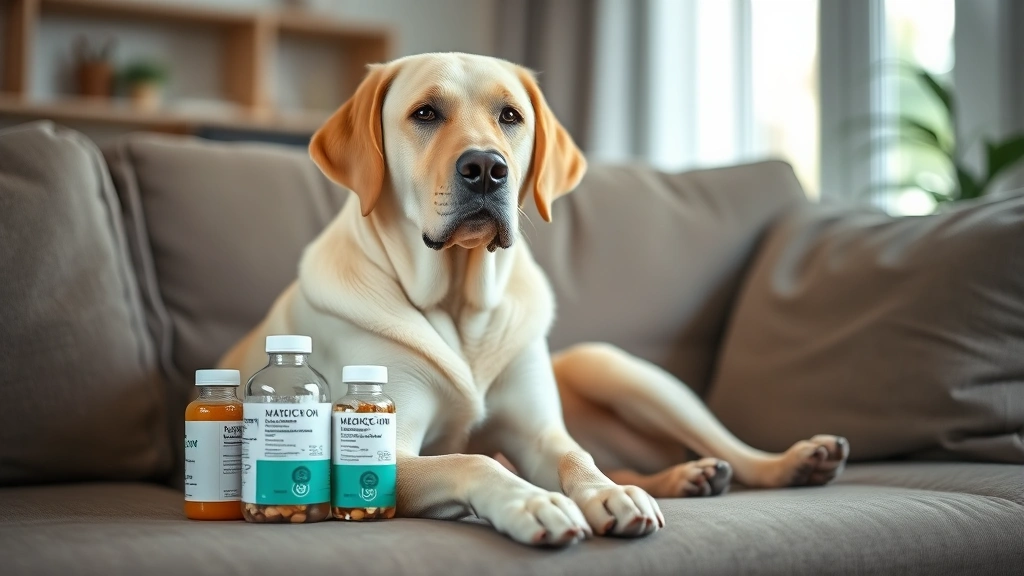
Loratadine Dosage Guidelines for Dogs
Proper dosing is where the rubber meets the road with loratadine. Giving your dog the wrong amount defeats the purpose and could create unnecessary risks. The standard veterinary recommendation is 0.25 mg per pound of body weight, given once or twice daily.
Here’s a quick reference guide for common dog weights:
- 10-pound dog: 2.5-5 mg daily
- 25-pound dog: 6.25-12.5 mg daily
- 50-pound dog: 12.5-25 mg daily
- 75-pound dog: 18.75-37.5 mg daily
- 100-pound dog: 25-50 mg daily
Most over-the-counter loratadine tablets come in 10 mg doses, which works nicely for many medium to large dogs. However, never assume you can calculate the dose yourself—always consult your veterinarian first. They’ll consider your individual dog’s health status, other medications, and specific allergy situation.
It’s also worth noting that some dogs may require different dosing schedules. Your vet might recommend once-daily dosing for maintenance or twice-daily dosing during acute allergy flare-ups. The timing matters too; consistency in administration helps maintain steady antihistamine levels in your dog’s system.
Always use plain loratadine tablets, never combination products. Many over-the-counter allergy medications contain additional ingredients like pseudoephedrine or acetaminophen that are toxic to dogs. Read labels carefully, and when in doubt, ask your pharmacist or veterinarian.
Potential Side Effects and Risks
While loratadine is generally well-tolerated, some dogs do experience side effects. The most common include:
- Drowsiness: Despite being non-drowsy in humans, some dogs become slightly sedated
- Dry mouth: Your dog might drink more water than usual
- Urinary retention: Less frequent urination in some cases
- Mild gastrointestinal upset: Occasional nausea or loss of appetite
- Headaches: Difficult to detect in dogs but can cause behavioral changes
More serious adverse reactions are rare but possible. These include allergic reactions to loratadine itself (ironically), severe drowsiness, or interactions with other medications. If your dog shows signs of an allergic reaction—facial swelling, difficulty breathing, or severe itching—stop the medication immediately and contact your veterinarian.
Drug interactions can occur, particularly with medications that affect liver metabolism. If your dog is on other medications, your vet needs to know before prescribing loratadine. This includes supplements, as some can interact with antihistamines.
Certain breeds might have increased sensitivity to antihistamines. Dogs with MDR1 gene mutations (common in Collies, Shelties, and some other herding breeds) may experience increased side effects from various medications, though loratadine’s safety profile remains generally good even in these dogs.
How Loratadine Compares to Other Dog Allergy Medications
Understanding where loratadine fits in the allergy medication landscape helps you make informed decisions with your veterinarian. Let’s compare it to other common options.
Loratadine vs. Benadryl: Both are antihistamines, but Benadryl is a first-generation antihistamine that causes drowsiness, while loratadine doesn’t. For chronic allergy management, loratadine is often preferred. However, for acute reactions or anxiety relief, Benadryl dosing guidelines might be more appropriate depending on your dog’s needs.
Loratadine vs. Zyrtec (Cetirizine): Zyrtec is another second-generation antihistamine similar to loratadine. Zyrtec dosing for dogs is comparable to loratadine, and many vets use them interchangeably. Some dogs respond better to one than the other, so if loratadine isn’t effective after a few weeks, your vet might suggest switching.
Loratadine vs. Prescription Alternatives: For severe allergies, veterinarians might recommend prescription medications like apoquel or cerenia. These are more potent and faster-acting but also carry higher risks of side effects and require more monitoring.
According to the ASPCA, antihistamines like loratadine should typically be tried before escalating to stronger medications for allergy management.
For dogs with food allergies, identifying specific triggers like chicken allergies might be more important than medication alone, as elimination diets can address the root cause.
When to Use Loratadine for Your Dog
Loratadine works best for specific allergy situations. It’s most effective for:
- Environmental allergies: Seasonal or year-round reactions to pollen, dust mites, mold, or pet dander
- Mild to moderate itching: Not severe enough to warrant prescription medications
- Chronic allergy management: Long-term use for dogs with persistent allergic reactions
- Preventive care: Starting before allergy season to prevent symptoms
Loratadine is less effective for:
- Acute allergic emergencies: Anaphylaxis or severe reactions require immediate veterinary care
- Severe itching: Often requires prescription-strength medications
- Bacterial or yeast infections: Secondary infections from scratching need specific treatment
One important consideration: if your dog is constantly licking their paws, it might indicate allergies, but it could also signal other issues like anxiety, boredom, or underlying pain. Addressing the root cause is crucial before starting any medication.
For comprehensive allergy management, exploring what you can give your dog for allergies should include environmental modifications, dietary adjustments, and regular bathing—not just medications.
Tips for Administering Loratadine Safely
Getting Your Dog to Take It: Most dogs won’t just swallow a tablet willingly. Common strategies include hiding the pill in treats like peanut butter, cheese, or pill pockets. Crush it into powder and mix with wet food if your vet approves. Never force a pill down your dog’s throat, as this can cause injury.
Timing Matters: Consistency is key. Try to give loratadine at the same time each day. If you’re giving it twice daily, space doses roughly 12 hours apart. Taking it with food might reduce any mild stomach upset.
Storage: Keep loratadine in its original container, away from moisture and direct sunlight. Store at room temperature, and keep it out of reach of children and pets who might accidentally ingest it.
Monitoring: Keep a log of when you administer loratadine and any symptoms you observe. This helps your vet assess effectiveness. Most dogs show improvement within 2-4 weeks; if there’s no change after a month, discuss alternatives with your veterinarian.
Never Stop Abruptly: If you’ve been giving loratadine for several weeks and want to discontinue, discuss this with your vet. While there’s no physical dependency, stopping suddenly might cause allergic symptoms to return.
Avoid Combination Products: As mentioned earlier, many over-the-counter allergy medications contain ingredients toxic to dogs. Always verify you’re giving plain loratadine tablets.
The Merck Veterinary Manual provides comprehensive guidelines on antihistamine use in veterinary medicine that many vets reference when prescribing.
Frequently Asked Questions
Can I give my dog loratadine without a vet’s approval?
Technically, yes—loratadine is available over-the-counter and not a controlled substance. However, this is strongly inadvisable. Your veterinarian needs to assess your dog’s overall health, rule out other conditions, confirm allergies are the actual problem, and determine the appropriate dose. What seems like allergies might actually be a skin infection, ear mites, or another condition requiring different treatment.
How long does it take loratadine to work in dogs?
Most dogs show initial relief within 1-2 hours, with peak effectiveness around 3-4 hours after administration. However, for chronic allergies, consistent daily use for 2-4 weeks often produces the best results as the medication builds up in the system.
Is loratadine safe for puppies?
There’s limited safety data for puppies under 6 months old. Most veterinarians recommend waiting until puppies are at least 6-12 months old before starting antihistamines. Younger puppies with allergy symptoms should be evaluated by your vet for alternative approaches.
Can loratadine interact with other medications?
Yes, potential interactions exist with medications that affect liver metabolism. Always inform your veterinarian about any other medications, supplements, or treatments your dog is receiving before starting loratadine.
What should I do if my dog overdoses on loratadine?
Loratadine has a very wide safety margin, so accidental overdose is rarely life-threatening. However, if your dog ingests a significantly larger amount than prescribed, contact your veterinarian or an animal poison control center. The ASPCA Animal Poison Control Center can be reached at (888) 426-4435.
Why isn’t my dog’s itching improving with loratadine?
Several reasons might explain this: the dose might be too low, the medication might not be right for your dog’s specific allergies, your dog might have a secondary bacterial or yeast infection requiring separate treatment, or the itching might stem from a non-allergic cause. Discuss these possibilities with your vet.
Can I use expired loratadine for my dog?
It’s not recommended. Expired medications may have reduced efficacy or unpredictable effects. Use fresh medication within the expiration date, and properly dispose of expired pills.
Is loratadine better than natural allergy remedies for dogs?
This depends on the specific remedy and your dog’s condition. While some natural options like omega-3 supplements and quercetin have some supporting evidence, loratadine has the most robust clinical data. A combination approach—using loratadine alongside environmental modifications and dietary supplements—often works best.





