
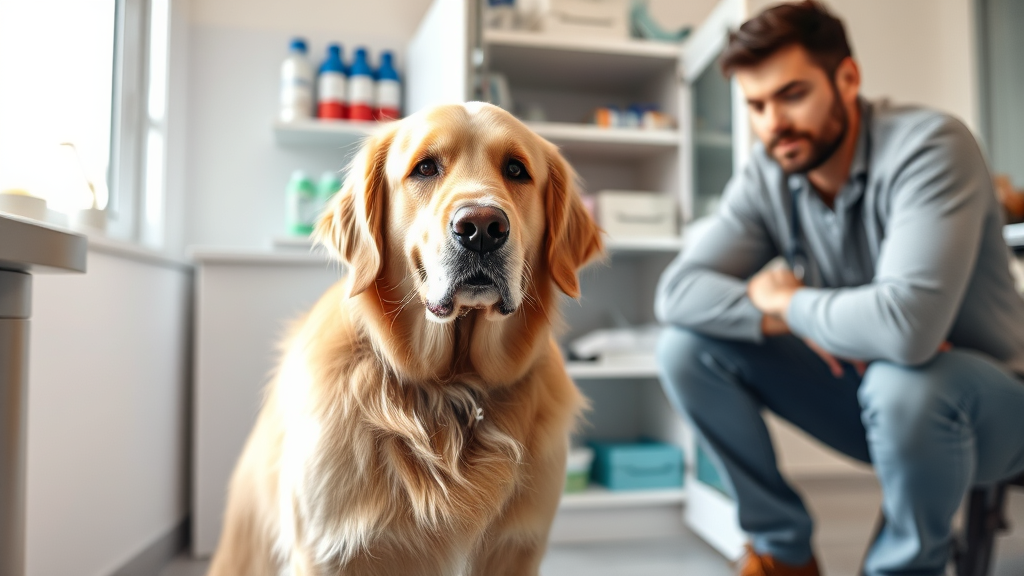
When your beloved dog experiences stomach upset, nausea, or digestive discomfort, it’s natural to want to help them feel better quickly. Many pet owners wonder if they can safely give their dogs Tums, the popular antacid medication that provides relief for humans. This question becomes even more pressing during those late-night moments when your furry friend is clearly uncomfortable and veterinary clinics are closed.
Understanding whether Tums are safe for dogs requires careful consideration of the active ingredients, potential risks, and safer alternatives available. While the desire to help your pet immediately is understandable, making informed decisions about canine medication is crucial for your dog’s health and safety. This comprehensive guide will explore everything you need to know about giving Tums to dogs, including expert veterinary advice and better treatment options.
What Are Tums and How Do They Work?
Tums are over-the-counter antacid tablets primarily composed of calcium carbonate, designed to neutralize excess stomach acid in humans. The medication works by raising the pH level in the stomach, providing relief from heartburn, acid indigestion, and upset stomach. Each regular-strength Tums tablet typically contains 500 milligrams of calcium carbonate, while extra-strength versions may contain up to 1000 milligrams.
The mechanism of action is relatively straightforward: when calcium carbonate encounters stomach acid (hydrochloric acid), it neutralizes the acid and forms calcium chloride, water, and carbon dioxide. This chemical reaction reduces the acidity in the stomach, providing relief from acid-related discomfort. For humans, this process is generally safe and effective when used as directed.
However, dogs have different digestive systems and metabolic processes compared to humans. Their stomach acid levels, digestive enzymes, and overall gastrointestinal function operate differently, which means medications designed for humans may not be appropriate or safe for canine use. The American Veterinary Medical Association consistently emphasizes the importance of using veterinarian-approved medications for pets.
Can Dogs Take Tums Safely?
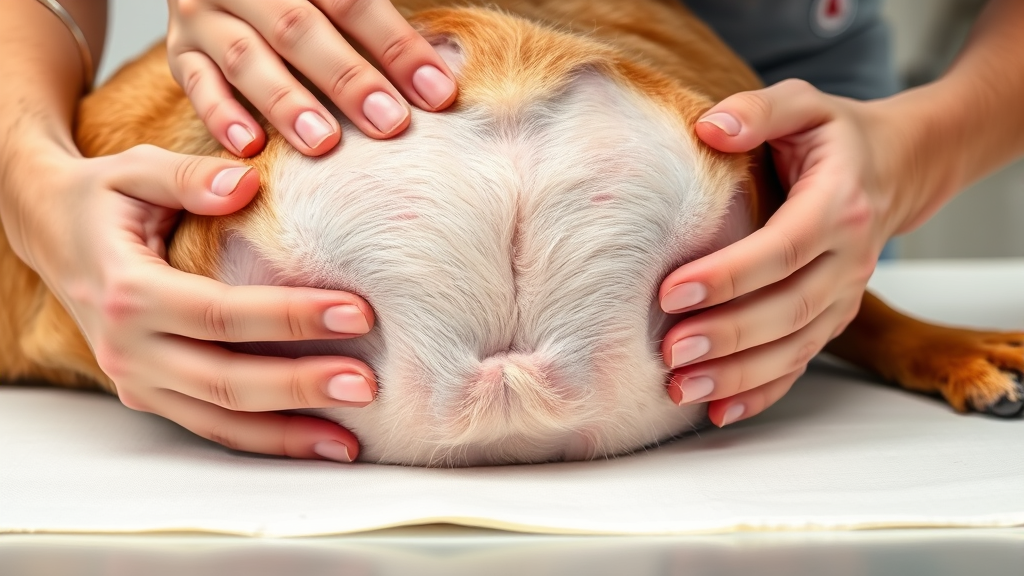
The short answer is that Tums are not recommended for dogs, despite being relatively safe for humans. While calcium carbonate itself isn’t inherently toxic to dogs, the dosage, additional ingredients, and potential complications make Tums unsuitable for canine use. Veterinarians generally advise against giving dogs any human medications without professional guidance.
One of the primary concerns is dosage calculation. Dogs require significantly different dosing than humans based on their body weight, metabolism, and species-specific factors. What might be a safe dose for a 150-pound human could be excessive or inadequate for a 20-pound dog. Additionally, many Tums products contain artificial sweeteners, flavoring agents, or other additives that could be harmful to dogs.
The FDA’s Center for Veterinary Medicine regulates pet medications separately from human drugs because of these important physiological differences. Dogs process medications differently than humans, and what’s safe for people can sometimes be dangerous or ineffective for pets. For digestive issues, it’s better to explore what can you give a dog for upset stomach that are specifically designed for canine use.
Risks and Side Effects of Tums for Dogs
Giving Tums to dogs can lead to several potential complications and adverse effects. The most immediate concern is calcium toxicity, which can occur if dogs receive too much calcium carbonate. Hypercalcemia, or elevated blood calcium levels, can cause serious health problems including kidney damage, urinary stones, and interference with other mineral absorption.
Dogs with pre-existing kidney disease are at particularly high risk when exposed to excess calcium. The kidneys work to regulate calcium levels in the blood, and additional calcium from Tums can overwhelm this regulatory system. Symptoms of calcium toxicity in dogs include vomiting, diarrhea, loss of appetite, excessive urination, and lethargy.
Another significant risk involves the potential interaction with other medications your dog might be taking. Calcium can interfere with the absorption of certain antibiotics, thyroid medications, and other drugs, reducing their effectiveness. The timing of medication administration becomes crucial, but without veterinary guidance, pet owners may unknowingly compromise their dog’s treatment.
Some Tums products contain xylitol or other artificial sweeteners that are toxic to dogs. Even small amounts of xylitol can cause rapid insulin release, leading to severe hypoglycemia (low blood sugar), which can be life-threatening. Always check ingredient labels carefully, as formulations can change. The ASPCA Animal Poison Control Center frequently receives calls about dogs who have ingested human medications containing harmful ingredients.
When Dogs Might Need Antacid Relief
Dogs can experience various digestive issues that might make pet owners consider antacid treatment. Common symptoms include vomiting, nausea, loss of appetite, excessive drooling, and signs of stomach discomfort such as pacing or reluctance to lie down. These symptoms can result from dietary indiscretion, stress, medication side effects, or underlying health conditions.
Certain breeds and individual dogs are more prone to digestive sensitivities. Large breed dogs, senior pets, and those with chronic conditions like inflammatory bowel disease may experience recurring stomach upset. Additionally, dogs taking medications such as NSAIDs (non-steroidal anti-inflammatory drugs) for arthritis or other conditions may develop stomach irritation as a side effect.
However, it’s crucial to understand that what appears to be simple stomach upset could indicate more serious underlying conditions. Gastroesophageal reflux, gastritis, pancreatitis, or even foreign body obstructions can present with similar symptoms. This is why professional veterinary evaluation is essential before attempting any treatment, especially when considering human medications.
If your dog is experiencing digestive issues, learning how to stop diarrhea in dogs through appropriate methods is more beneficial than risking potential complications with human medications. Similarly, understanding what to feed a dog with diarrhea can provide safe, effective relief.
Safer Alternatives to Tums for Dogs
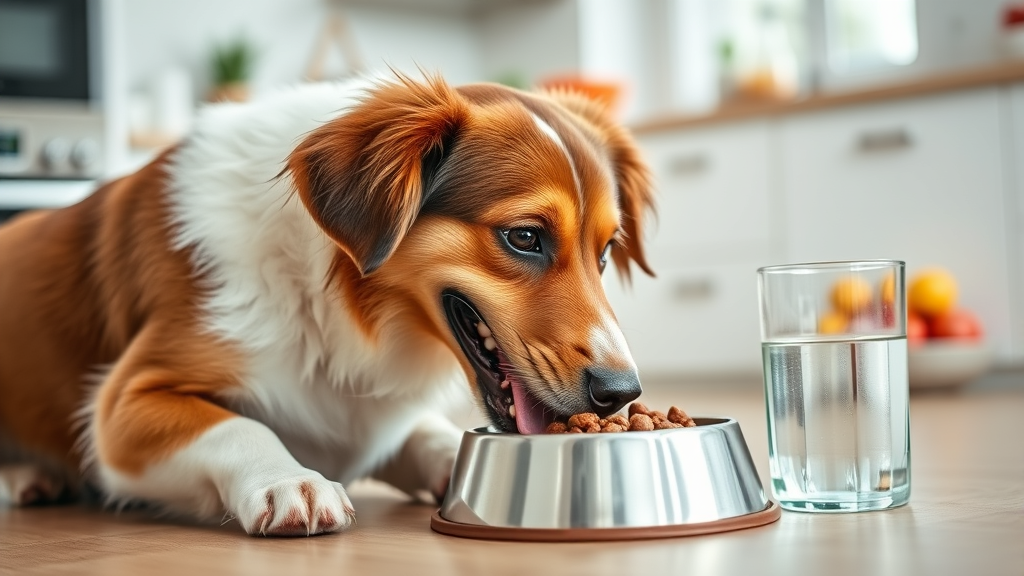
Fortunately, several safe and effective alternatives exist for treating canine digestive upset. The first line of treatment often involves dietary management, including temporary fasting followed by a bland diet of easily digestible foods like plain boiled chicken and rice. This approach allows the digestive system to rest and recover naturally.
Veterinarian-prescribed medications specifically formulated for dogs provide the safest option for treating stomach acid issues. Medications like famotidine (Pepcid AC) may sometimes be recommended by veterinarians for dogs, but only under professional guidance with proper dosing instructions. These H2 receptor antagonists work differently than antacids and may be more appropriate for certain conditions.
Probiotics designed for dogs can help restore healthy gut bacteria and improve overall digestive function. These beneficial bacteria support normal digestion and can help prevent future episodes of stomach upset. Many veterinary-approved probiotic supplements are available, and some dog foods now include probiotic ingredients.
Natural remedies may also provide relief when used appropriately. Small amounts of plain pumpkin (not pie filling) can help with both diarrhea and constipation due to its fiber content. Bone broth made specifically for dogs can provide gentle nutrition and hydration during recovery. However, even natural remedies should be discussed with your veterinarian, especially if your dog has ongoing health issues.
For dogs experiencing constipation alongside digestive upset, learning how to help a constipated dog safely is important, as the treatments may differ from those used for diarrhea or acid-related problems.
Emergency Situations and When to Call a Vet
Certain symptoms require immediate veterinary attention and should never be treated with home remedies or human medications. If your dog is experiencing severe vomiting, especially if it contains blood or appears coffee-ground-like, this indicates a potential emergency. Similarly, signs of severe abdominal pain, bloating, or unsuccessful attempts to vomit could indicate gastric dilatation-volvulus (bloat), which is life-threatening.
Dehydration can develop quickly in dogs with digestive upset, particularly in puppies, senior dogs, or those with compromised health. Signs of dehydration include dry gums, loss of skin elasticity, sunken eyes, and lethargy. If your dog hasn’t been able to keep water down for several hours, veterinary intervention is necessary.
The Pet Poison Helpline provides 24/7 assistance for pet poisoning emergencies and can help determine if immediate treatment is necessary. They maintain extensive databases of toxic substances and can provide specific guidance based on what your dog may have ingested.
Persistent symptoms lasting more than 24-48 hours, even if mild, warrant veterinary evaluation. What might seem like simple stomach upset could be an early sign of more serious conditions such as kidney disease, liver problems, or gastrointestinal obstructions. Early intervention often leads to better outcomes and less expensive treatment.
When pain might be involved, it’s important to understand what painkillers can I give my dog safely, as many human pain medications are toxic to dogs and should never be used.
Prevention Tips for Digestive Health
Maintaining your dog’s digestive health through preventive measures is far more effective than treating problems after they occur. Consistent feeding schedules help regulate digestive function and reduce the likelihood of stomach upset. Most adult dogs do well with two meals per day at regular times, while puppies may need more frequent feeding.
Diet quality plays a crucial role in digestive health. Choose high-quality dog foods appropriate for your pet’s age, size, and activity level. Avoid sudden diet changes, which can trigger digestive upset. When transitioning to new food, do so gradually over 7-10 days by mixing increasing amounts of the new food with decreasing amounts of the old food.
Managing your dog’s access to potential dietary indiscretions is essential for prevention. Secure garbage cans, avoid feeding table scraps, and supervise your dog during walks to prevent them from eating inappropriate items. Many cases of digestive upset result from dogs consuming spoiled food, fatty human food, or non-food items.
Regular veterinary check-ups allow for early detection of digestive issues before they become serious problems. Your veterinarian can assess your dog’s overall health, discuss appropriate diet options, and identify risk factors specific to your pet. The AVMA’s pet care resources provide additional guidance on maintaining your dog’s health through preventive care.
Stress management also contributes to digestive health, as anxiety and stress can trigger gastrointestinal problems in sensitive dogs. Maintaining consistent routines, providing adequate exercise, and addressing behavioral issues can help reduce stress-related digestive upset.
Frequently Asked Questions
Can I give my dog Tums if they ate something bad?
No, you should not give your dog Tums if they ate something inappropriate. Instead, contact your veterinarian or pet poison control immediately. Depending on what your dog consumed, they may need specific treatments that differ from simple antacids. Some toxic substances require immediate intervention, while others may need monitoring and supportive care.
What happens if my dog accidentally ate a Tums tablet?
If your dog accidentally consumed a single Tums tablet, monitor them closely for any adverse reactions such as vomiting, diarrhea, or changes in behavior. While one tablet is unlikely to cause serious harm to most dogs, contact your veterinarian for guidance, especially if your dog is small, elderly, or has existing health conditions. Keep the product packaging available to provide ingredient information to your vet.
Are there any human antacids that are safe for dogs?
Generally, human antacids are not recommended for dogs without veterinary supervision. While some veterinarians may occasionally prescribe specific human medications like famotidine (Pepcid AC) for dogs, the dosing, timing, and appropriateness must be determined by a professional. Never assume that over-the-counter human medications are safe for your pet.
How can I tell if my dog has too much stomach acid?
Signs that your dog may be experiencing excess stomach acid include frequent vomiting, especially on an empty stomach, loss of appetite, excessive drooling, lip licking, swallowing frequently, or showing signs of nausea like pacing or restlessness. However, these symptoms can also indicate other conditions, so veterinary evaluation is necessary for proper diagnosis.
What should I do immediately if my dog has an upset stomach?
For mild stomach upset, you can withhold food for 12-24 hours (but always provide access to water) to allow the digestive system to rest. After the fasting period, offer small amounts of bland food like boiled chicken and rice. If symptoms persist, worsen, or if your dog shows signs of severe distress, contact your veterinarian immediately.
Can puppies have Tums or other antacids?
Puppies should never be given Tums or other human antacids. Their developing digestive systems are more sensitive than adult dogs, and they’re at higher risk for complications from inappropriate medications. Puppies with digestive upset need immediate veterinary attention, as they can become dehydrated quickly and may have different underlying causes for their symptoms.
How long should I wait before calling a vet for my dog’s stomach problems?
Contact your veterinarian immediately if your dog shows severe symptoms like persistent vomiting, signs of pain, bloating, or inability to keep water down. For mild symptoms, monitor your dog closely for 24 hours. If symptoms don’t improve within this timeframe or if they worsen at any point, seek veterinary care. Trust your instincts – if you’re concerned, it’s better to call your vet than wait.





