

Can Dogs Taste Sugar? What You Should Know
Have you ever wondered why your dog goes absolutely bonkers when you’re eating a sweet treat? It’s a common misconception that dogs can’t taste sweetness, but the truth is far more fascinating. The question of whether can dogs taste sugar opens up an interesting window into canine sensory science and reveals some surprising facts about our furry friends’ palates. Understanding how your dog’s taste buds work is essential for responsible pet ownership, especially when it comes to keeping them safe from sugary foods.
Dogs experience the world differently than we do, and their sense of taste is no exception. While they may not appreciate a slice of birthday cake the way you do, they absolutely have the ability to detect sweetness. However, their relationship with sugar is quite different from ours, and that difference matters tremendously when it comes to their health and nutrition. In this comprehensive guide, we’ll explore the science behind canine taste perception, explain why sugar is problematic for dogs, and give you practical tips for keeping your pup healthy and happy.
Do Dogs Have Taste Buds?
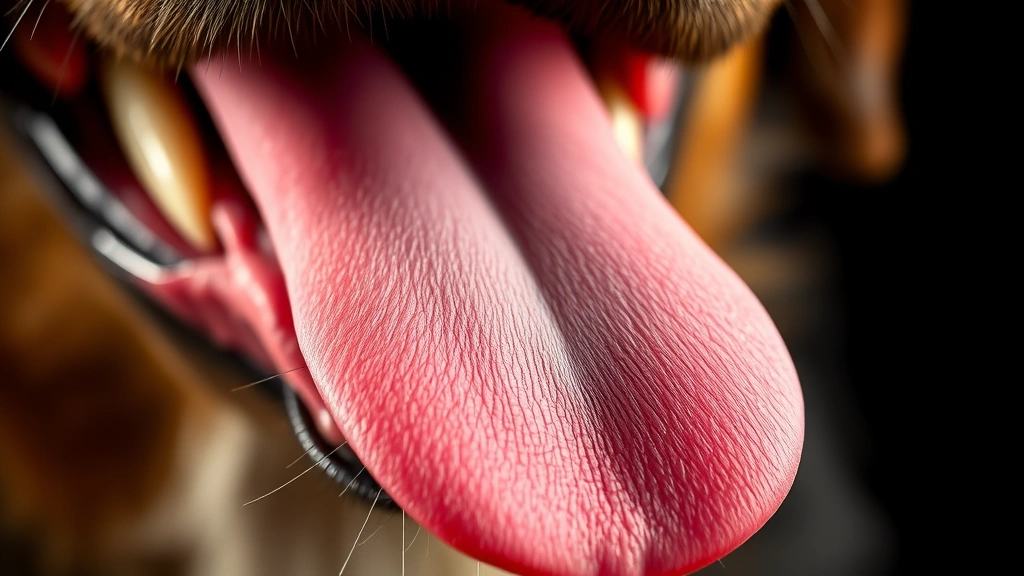
Absolutely! Dogs do have taste buds, though they function quite differently from human taste buds. When we dive into whether dogs have taste buds, we’re actually looking at a fascinating biological difference. Your dog’s tongue is covered with taste receptors called papillae, just like yours. However, the distribution and sensitivity of these receptors vary significantly between species.
The structure of a dog’s taste buds is remarkably similar to humans at the microscopic level, but what differs is the quantity and sensitivity to certain flavors. Dogs have approximately 1,700 taste buds, while humans have around 9,000. This means your dog’s sense of taste is roughly one-sixth as sensitive as yours in terms of sheer number of taste receptors. But don’t let that fool you—dogs are still capable of detecting a wide variety of flavors and have distinct taste preferences.
What’s particularly interesting is that dogs don’t just use their taste buds to evaluate food. Their taste buds work in conjunction with their sense of smell, which is exponentially more powerful than ours. In fact, dogs rely far more heavily on their sense of smell than taste when evaluating whether something is edible. This combination of taste and smell creates a unique sensory experience that’s quite different from how humans perceive food.
Can Dogs Actually Taste Sugar?
Here’s where things get interesting. The short answer is yes, dogs absolutely can taste sugar. However, their perception of sweetness is different from ours. Dogs have taste receptors specifically designed to detect sweet compounds, which means they can sense sugar in food. But here’s the twist: while they can taste sugar, they don’t crave it the way humans do.
Research has shown that dogs have functional sweet taste receptors, particularly one called the T1R2-T1R3 receptor. This means when your pup sneaks a lick of your ice cream, their taste buds are genuinely detecting the sweetness. However, unlike humans who have evolved to seek out calorie-dense foods containing sugar, dogs’ evolutionary history didn’t create the same powerful drive toward sweet foods. They’re descended from wolves, carnivores whose diets consisted primarily of meat, not sugary fruits or processed sweets.
When you’re trying to determine what your dog should and shouldn’t eat, understanding that they can taste sugar is just the beginning. The real question becomes: should they? To answer this, we need to look at whether dogs can have sugar safely, which involves understanding the health implications of giving your dog sugary foods.
How Many Taste Buds Do Dogs Have?
As mentioned earlier, dogs have approximately 1,700 taste buds compared to our 9,000. But what does this actually mean in practical terms? It means your dog’s ability to distinguish between subtle flavor variations is less refined than yours. A dog might not notice the difference between two types of expensive dog food the way a human food critic might distinguish between two wines, but they’ll definitely notice broad flavor categories.
The location of these taste buds also matters. Dogs have taste receptors distributed across their tongue, but unlike humans, they have fewer taste buds on the front of their tongue and more toward the back. This means they’re more likely to taste something fully after they’ve already begun swallowing it, which is one reason dogs are notorious for eating first and asking questions later.
Additionally, dogs have specialized taste buds that are particularly sensitive to umami, the savory flavor associated with meat. This makes perfect sense given their carnivorous ancestry. These umami-sensitive taste receptors are far more developed in dogs than in humans, which explains why your pup goes wild for that piece of chicken but might turn their nose up at your salad.

The Science Behind Sweet Detection
The science of how dogs detect sweetness involves several fascinating biological mechanisms. When sugar enters a dog’s mouth, it binds to sweet taste receptors on their tongue. These receptors send signals to the brain, which interprets these signals as sweetness. The primary sweet taste receptor in dogs is the T1R2-T1R3 heterodimer, which responds to various sweet compounds including sugars, artificial sweeteners, and other sweet-tasting substances.
Interestingly, not all dogs have equal sensitivity to sweetness. Some individual dogs seem more interested in sweet foods than others, which can be attributed to variations in taste receptor genetics and past experiences. A dog that’s never tasted something sweet might not crave it, while a dog that’s been given sugary treats might develop more of a preference for them over time.
The connection between taste and smell cannot be overstated. When your dog eats something, they’re simultaneously smelling it as food particles travel up to their olfactory receptors. This combination of taste and smell is what creates the perception of flavor. In dogs, this relationship is even more pronounced than in humans because their sense of smell is so incredibly powerful. In fact, studies suggest that when dogs eat honey nut cereals, they’re likely responding more to the smell than to the actual taste of the honey.
Why Sugar Is Bad for Dogs
Now that we’ve established that dogs can taste sugar, let’s talk about why this matters. Sugar is fundamentally unhealthy for dogs, and understanding the reasons why is crucial for any responsible pet owner. Unlike humans, dogs haven’t evolved to process large quantities of sugar, and their bodies aren’t equipped to handle the metabolic stress that excessive sugar consumption creates.
First and foremost, sugar contributes to obesity in dogs. When dogs consume sugar, their bodies convert it to energy, but if they’re not burning that energy through activity, it gets stored as fat. Obesity in dogs leads to a cascade of health problems including diabetes, heart disease, joint problems, and reduced lifespan. According to the ASPCA’s pet nutrition guidelines, maintaining a healthy weight is one of the most important factors in canine health.
Sugar also promotes dental disease in dogs. When sugar sits on a dog’s teeth, it feeds harmful bacteria in the mouth, leading to plaque buildup, tartar formation, and eventually tooth decay and gum disease. Unlike humans who brush their teeth daily, dogs don’t have the same dental hygiene practices, making them more vulnerable to sugar-related dental problems.
Additionally, sugar can cause blood sugar spikes and crashes in dogs, leading to energy fluctuations and potentially contributing to diabetes development. Diabetic dogs require insulin injections and careful dietary management, making prevention through proper nutrition far preferable to dealing with the disease after it develops.
The American Kennel Club provides extensive guidance on dog nutrition, and sugar consistently ranks as something to avoid. When considering treats, it’s important to remember that treats should make up no more than 10% of your dog’s daily caloric intake, and none of those calories should come from added sugars.
Hidden Sugars in Common Dog Foods
One of the biggest challenges for dog owners is identifying hidden sugars in commercial dog foods and treats. Many products marketed as healthy dog food actually contain surprising amounts of sugar. Reading ingredient labels carefully is essential for keeping your dog’s sugar intake under control.
Some common culprits include:
- Flavored dog treats: Bacon-flavored, chicken-flavored, and beef-flavored treats often contain added sugars to enhance palatability
- Grain-free dog foods: Many grain-free formulas substitute grains with high-carbohydrate ingredients like peas and potatoes, which can contain added sugars
- Wet dog foods: Some canned dog foods contain more sugar than their dry counterparts
- Peanut butter treats: Not all peanut butter is created equal, and many commercial varieties contain added sugars; learn more about what peanut butter is safe for dogs
- Yogurt-based treats: While yogurt can be healthy, many yogurt treats contain added sugars
When shopping for dog food, look for products where meat is the first ingredient and sugar (in any form) appears nowhere on the ingredient list. Be wary of terms like “honey,” “molasses,” “corn syrup,” and “fruit juice concentrate,” as these are all forms of added sugar.
Safe Treat Alternatives
Just because sugar is bad for dogs doesn’t mean your pup can’t enjoy treats! There are plenty of delicious, healthy alternatives that satisfy your dog’s desire for something special without the health risks. The key is choosing treats that are nutritionally appropriate and free from added sugars.
Great sugar-free treat options include:
- Plain carrots: Crunchy, low-calorie, and great for dental health
- Apple slices: Remove seeds first, and offer in moderation
- Pumpkin: Plain pumpkin puree is nutritious and naturally sweet without added sugar
- Plain cooked chicken: A protein-rich treat that most dogs love
- Watermelon: Hydrating and refreshing, especially on hot days
- Green beans: Low-calorie and packed with nutrients
- Plain yogurt: Choose unsweetened varieties without added sugars
If you want to learn more about what treats are appropriate for your dog, it’s helpful to understand what shouldn’t go in their diet. For instance, understanding why dogs can’t have chocolate gives you insight into how certain foods can be toxic regardless of their sugar content.
For special occasions when you want to give your dog something that feels like a real treat, consider baking homemade dog treats using dog-safe ingredients. Many recipes use peanut butter, pumpkin, and oats—all naturally sweet and nutritious without added sugars. You can also purchase commercial treats specifically formulated without sugar, though reading labels is still important.
What to Do If Your Dog Eats Sugar
Accidents happen, and if your dog manages to sneak a bite of something sugary, don’t panic. A small amount of sugar consumed once won’t cause serious harm to your dog. However, there are steps you should take to monitor your pup and prevent future incidents.
If your dog consumes a significant amount of sugar, watch for these symptoms:
- Vomiting or diarrhea
- Excessive thirst
- Increased urination
- Lethargy or unusual behavior
- Hyperactivity followed by crashes
Contact your veterinarian if your dog shows any of these symptoms after consuming sugar, or if they’ve eaten something particularly concerning. Some sugary foods contain xylitol, an artificial sweetener that’s extremely toxic to dogs and requires immediate veterinary attention.
To prevent accidental sugar consumption, practice these prevention strategies:
- Keep all sugary foods out of reach, including desserts, candy, and baked goods
- Educate family members and guests about what dogs shouldn’t eat
- Use baby gates or closed doors to restrict access to areas where food might be left out
- Don’t leave food unattended on tables or counters
- Be cautious during holidays and parties when sugary foods are more prevalent
When considering what your dog can and cannot eat, it’s also worth understanding whether dogs can eat cake and what the specific risks are. Most traditional cakes contain not just sugar but also other potentially harmful ingredients.
According to UC Davis School of Veterinary Medicine, prevention is always better than treatment when it comes to dietary issues in dogs. Building good habits around food storage and treat selection now will save you potential veterinary bills and health problems down the road.
Frequently Asked Questions
Do all dogs have the same sensitivity to sweetness?
No, individual dogs have varying sensitivities to sweetness based on genetics and past experiences. Some dogs seem more interested in sweet foods than others. Additionally, breed differences and individual taste receptor variations mean that your dog’s response to sweetness might differ from another dog’s response.
Can dogs taste artificial sweeteners?
Yes, dogs can taste artificial sweeteners, though not all of them register as sweet to canine taste buds. However, some artificial sweeteners like xylitol are extremely toxic to dogs and should never be given to them, even if they can taste them. Always check ingredient lists for xylitol in any products you’re considering for your dog.
Is honey safe for dogs?
Pure honey in small amounts is generally safe for dogs, though it’s still a form of sugar and should be given sparingly. Raw honey can contain botulism spores, so pasteurized honey is the safer choice. Always consult with your vet before introducing any new food, including honey.
What’s the difference between natural and added sugars in dog food?
While natural sugars from fruits and vegetables contain fiber and nutrients, added sugars provide empty calories without nutritional benefit. Both should be limited in your dog’s diet, but added sugars are particularly concerning because they serve no nutritional purpose.
How can I tell if my dog is overweight due to sugar consumption?
Signs of obesity in dogs include difficulty moving, excessive panting, inability to feel ribs easily, and a sagging belly. If you suspect your dog is overweight, consult your veterinarian for a proper assessment and personalized feeding recommendations.
Are there any health benefits to giving dogs sugar?
No, there are no health benefits to giving dogs added sugar. While natural sugars from fruits and vegetables come with fiber and nutrients, added sugars provide nothing but empty calories. A well-balanced dog food formulated by veterinary nutritionists will provide all the nutrients your dog needs.
What should I do if my dog ate something with xylitol?
This is a veterinary emergency. Xylitol is extremely toxic to dogs and can cause rapid insulin release, leading to dangerously low blood sugar, seizures, and liver failure. Contact your veterinarian or emergency animal hospital immediately if your dog has ingested anything containing xylitol.





