

Have you ever wondered if your furry companion truly understands when you say “sit,” “stay,” or “good boy”? The question of whether dogs can understand English has fascinated pet owners, researchers, and animal behaviorists for decades. While your dog may come running when you call their name or fetch their favorite toy on command, the reality of canine language comprehension is far more complex and intriguing than most people realize.
Recent scientific breakthroughs have shed remarkable light on how dogs process human language, revealing that our four-legged friends possess cognitive abilities that go far beyond simple conditioning. From brain imaging studies to behavioral experiments, researchers have uncovered evidence that dogs may indeed have a sophisticated understanding of human communication that rivals some aspects of language comprehension in young children.
How the Canine Brain Processes Language
The canine brain processes human language in remarkably similar ways to how humans understand speech. Neurological studies using functional magnetic resonance imaging (fMRI) have revealed that dogs have specialized brain regions dedicated to processing different aspects of human communication. The left hemisphere of a dog’s brain, much like in humans, shows increased activity when processing meaningful words, while the right hemisphere responds more strongly to emotional intonation and tone.
When dogs hear human speech, their brains simultaneously process both the semantic content (the actual meaning of words) and the prosodic information (tone, rhythm, and emotional inflection). This dual processing system allows dogs to distinguish between familiar words and nonsense sounds, even when spoken in the same emotional tone. The temporal cortex in dogs becomes particularly active when they hear words they’ve learned, suggesting a neural basis for vocabulary recognition.
Research conducted at Eötvös Loránd University in Budapest demonstrated that dogs can differentiate between words regardless of the speaker’s identity, indicating that their language processing isn’t simply based on recognizing their owner’s voice patterns. This suggests that dogs have developed abstract representations of words that transcend individual vocal characteristics.

Scientific Evidence of Dog Language Comprehension
Groundbreaking studies have provided compelling evidence that dogs possess genuine language comprehension abilities. One of the most significant experiments involved teaching dogs to retrieve specific toys by name. Researchers found that some dogs could learn the names of over 1,000 different objects and retrieve them accurately even when the items were placed in separate rooms, demonstrating that their understanding goes beyond simple association.
The famous border collie Chaser, studied extensively by psychologist Dr. John Pilley, learned the names of 1,022 toys and could categorize them by function and shape. This research, published in the journal Behavioural Processes, showed that dogs can understand words as symbols that represent specific objects, a cognitive ability previously thought to be uniquely human.
Brain imaging studies have revealed that when dogs hear praise words like “good boy” spoken in a praising tone, reward centers in their brains activate more strongly than when they hear either praise words in a neutral tone or nonsense words in a praising tone. This indicates that dogs integrate both lexical and prosodic information to fully understand the meaning behind human communication. When considering what are the cleverest dogs, these language comprehension abilities often correlate with overall intelligence rankings.
Understanding Vocabulary Limitations and Capabilities
While dogs demonstrate impressive language comprehension abilities, their vocabulary understanding has natural limitations. The average pet dog can learn between 150-250 words throughout their lifetime, though this number varies significantly based on factors such as breed, training, and individual cognitive capacity. Working dogs and those in specialized roles often develop larger vocabularies due to extensive training and constant exposure to human commands.
Dogs excel at learning nouns (names of objects, people, and places) and action verbs (sit, stay, come, fetch). However, they struggle with abstract concepts, complex grammar, and understanding subtle linguistic nuances that humans take for granted. Their comprehension is largely context-dependent, meaning they rely heavily on environmental cues, body language, and situational patterns to interpret meaning.
The American Kennel Club notes that dogs process language differently than humans, focusing more on the emotional content and overall pattern of speech rather than grammatical structure. They cannot understand complex sentences or abstract reasoning expressed through language, but they can learn to respond appropriately to specific word combinations when consistently paired with actions or outcomes.
Interestingly, research has shown that dogs can learn words through inference, a process called “fast mapping.” When presented with familiar and unfamiliar objects and asked to fetch something by an unknown name, many dogs will correctly select the unfamiliar object, demonstrating logical reasoning abilities that parallel those found in human toddlers.
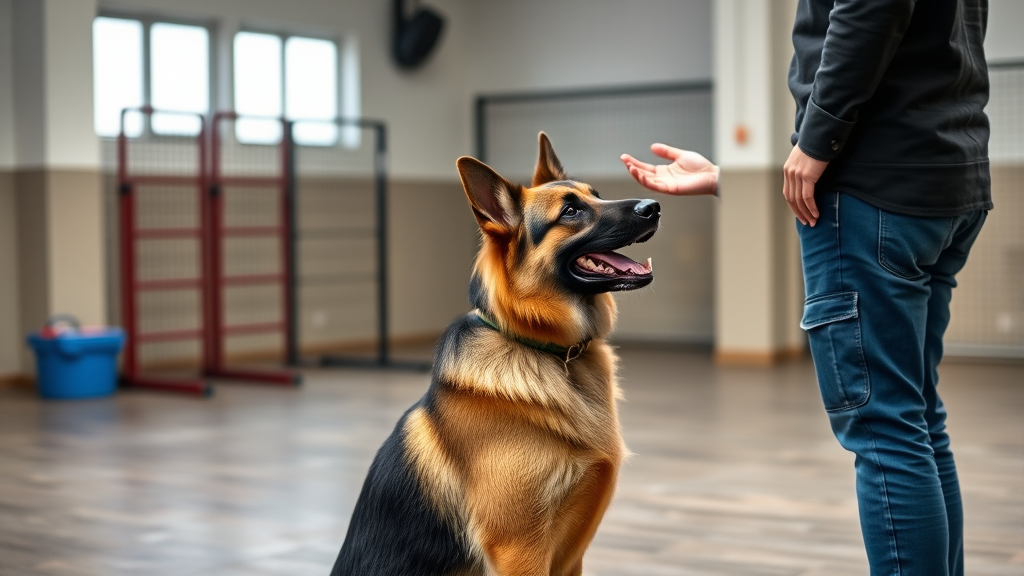
The Role of Body Language and Tone
While dogs can understand individual words, their comprehension of human communication relies heavily on non-verbal cues and vocal tone. Dogs are exceptional at reading human body language, facial expressions, and gestural cues, often using these signals to clarify or enhance their understanding of spoken words. This multimodal communication system allows dogs to interpret human intentions more accurately than through words alone.
Tone of voice plays a crucial role in how dogs interpret human speech. Research has shown that dogs respond differently to the same word when spoken in various emotional tones. A command spoken in an angry tone may cause anxiety or confusion, even if the word itself is familiar and typically associated with positive outcomes. This is why understanding why does my dog lick me often involves recognizing both verbal and non-verbal communication patterns.
The integration of visual and auditory information is so important that dogs may become confused or fail to respond appropriately when there’s a mismatch between spoken words and body language. For example, calling a dog with an enthusiastic voice while displaying closed-off body language may result in hesitant or incomplete responses.
Studies published in Current Biology have demonstrated that dogs preferentially use visual cues when there’s conflicting information between what they hear and what they see. This suggests that while dogs can understand spoken language, they rely on their exceptional ability to read human behavior as their primary communication tool.
Breed Differences in Language Understanding
Different dog breeds show varying capabilities in language comprehension, largely due to their breeding history and genetic predisposition for working with humans. Herding breeds like Border Collies, German Shepherds, and Australian Cattle Dogs typically demonstrate superior language learning abilities, as they were selectively bred for complex communication with human handlers.
Sporting breeds such as Golden Retrievers, Labrador Retrievers, and Poodles also excel in language comprehension, particularly in learning names for objects and understanding complex commands. These breeds were developed to work closely with hunters and required sophisticated communication skills to perform their tasks effectively.
Toy breeds and companion dogs may have smaller working vocabularies but often excel in emotional communication and understanding subtle changes in their owner’s mood or tone. The relationship between intelligence and language comprehension is complex, and when comparing are cats smarter than dogs, it’s important to consider that different species have evolved different cognitive strengths.
Primitive breeds like Basenjis, Shiba Inus, and Afghan Hounds may show less interest in human language learning, not due to lack of intelligence, but because they were bred to work more independently. The American Veterinary Medical Association notes that breed tendencies are generalizations, and individual dogs may vary significantly from breed expectations.
Training Techniques to Enhance Understanding
Effective techniques for enhancing a dog’s language comprehension involve consistent, positive reinforcement methods that take advantage of their natural learning abilities. The key to successful language training lies in creating clear associations between words, actions, and outcomes through repetition and reward-based systems.
Start with simple, single-word commands and gradually build complexity as your dog demonstrates mastery. Use the same word consistently for the same action or object, and ensure all family members use identical terminology to avoid confusion. Timing is crucial – rewards should be given immediately after the correct response to strengthen the word-action association.
Incorporating games and interactive activities can significantly boost language learning. Hide-and-seek games using object names, puzzle toys that require following verbal instructions, and structured training sessions that combine physical and mental challenges all contribute to enhanced comprehension. This type of mental stimulation relates to why why do dogs like squeaky toys – they provide both auditory and cognitive engagement.
Professional trainers recommend keeping training sessions short but frequent, as dogs learn better through multiple brief exposures rather than lengthy practice periods. The Humane Society emphasizes the importance of patience and consistency in language training, noting that individual dogs learn at different rates and may require adapted approaches based on their personality and learning style.
The Evolution of Human-Dog Communication
The remarkable language comprehension abilities we observe in modern dogs are the result of thousands of years of co-evolution with humans. Archaeological evidence suggests that dogs have been selectively bred not just for physical traits, but also for their ability to communicate effectively with humans, leading to enhanced cognitive abilities related to understanding human speech and gestures.
During domestication, dogs that could better interpret human communication had survival advantages, as they could more successfully integrate into human social groups and receive care, food, and protection. This selective pressure led to the development of specialized neural pathways and cognitive abilities that distinguish domestic dogs from their wild counterparts.
Modern research indicates that dogs have evolved unique facial muscles that allow them to make expressions similar to human emotions, facilitating better communication with their human companions. This physical evolution parallels the cognitive evolution that enables language comprehension, suggesting that human-dog communication is a truly co-evolutionary phenomenon.
The study of how dogs respond to different types of human vocalizations, including understanding why do dogs howl at sirens, reveals the complex ways canines have adapted to interpret and respond to various acoustic stimuli in their environment.
Practical Applications and Real-World Examples
Understanding how dogs comprehend language has practical applications in various fields, from pet training to therapeutic interventions and working dog programs. Service dogs, therapy dogs, and assistance animals rely heavily on sophisticated language comprehension to perform their duties effectively, demonstrating the real-world importance of canine language understanding.
In therapeutic settings, dogs trained in language comprehension can provide more nuanced support to individuals with disabilities, mental health conditions, or developmental challenges. These dogs can respond to subtle verbal cues and commands that enable them to provide appropriate assistance in complex situations. Learning how to make your dog a service dog often involves extensive language training to ensure reliable communication in critical situations.
Law enforcement and military working dogs demonstrate some of the most advanced examples of canine language comprehension, as they must understand complex commands in high-stress environments and differentiate between various operational instructions. These dogs can learn specialized vocabularies related to their specific duties, including detection work, tracking, and protection services.
In everyday pet ownership, understanding how dogs process language can improve training outcomes, strengthen the human-animal bond, and reduce behavioral problems. Owners who communicate more effectively with their dogs report higher satisfaction in their relationships and better cooperation in training activities. Even understanding why dogs respond to certain sensory experiences, such as do dogs have taste buds, can inform how we use rewards and positive reinforcement in language training.
Frequently Asked Questions
Can dogs understand full sentences or just individual words?
Dogs primarily understand individual words and short phrases rather than complete sentences with complex grammar. They can learn to respond to multi-word commands like “go get your ball” but they’re processing the key words (“go,” “get,” “ball”) rather than understanding the sentence structure. Their comprehension is largely based on word recognition combined with context, tone, and body language cues.
How many words can the average dog learn?
The average pet dog can learn between 150-250 words throughout their lifetime, though this varies significantly based on breed, training, and individual intelligence. Working dogs and highly trained canines may learn 500+ words, while some exceptional dogs have demonstrated vocabularies exceeding 1,000 words. Border Collies and other herding breeds typically have the largest vocabularies among domestic dogs.
Do dogs understand their names as words or just sounds?
Dogs understand their names as distinct words that specifically refer to them, not just as sounds. Research has shown that dogs can differentiate their names from other words of similar length and sound pattern, and they respond differently when their name is called versus when other words are spoken. They develop an understanding that their name is a unique identifier that signals they should pay attention.
Can dogs learn words in multiple languages?
Yes, dogs can learn words in multiple languages, especially if they’re exposed to multilingual households from an early age. Dogs don’t inherently understand that different sounds represent the same concept in various languages, so they must learn each language’s words separately. However, they can become proficient in responding to commands in 2-3 different languages with consistent training.
Why do some dogs seem to understand everything while others don’t?
Individual differences in canine language comprehension stem from factors including breed genetics, early socialization, training consistency, cognitive ability, and the amount of human interaction they receive. Some breeds were selectively bred for communication skills, while others were bred for different traits. Additionally, dogs raised in language-rich environments with consistent training typically develop better comprehension skills than those with limited exposure.
Do dogs understand the emotional meaning behind words?
Dogs are exceptionally skilled at understanding the emotional content of human speech through tone, inflection, and prosody. They can differentiate between praise, scolding, excitement, and sadness in human voices, even when the same words are used. Brain imaging studies show that dogs process emotional tone in the right hemisphere of their brain, similar to humans, allowing them to understand not just what we say but how we feel when saying it.
Can older dogs learn new words as easily as puppies?
While puppies have a critical learning period that makes language acquisition easier, older dogs can definitely learn new words throughout their lives. However, the process may take longer and require more repetition and patience. Senior dogs may face some challenges due to hearing loss or cognitive decline, but healthy adult dogs maintain the ability to expand their vocabulary with consistent training and positive reinforcement.





