
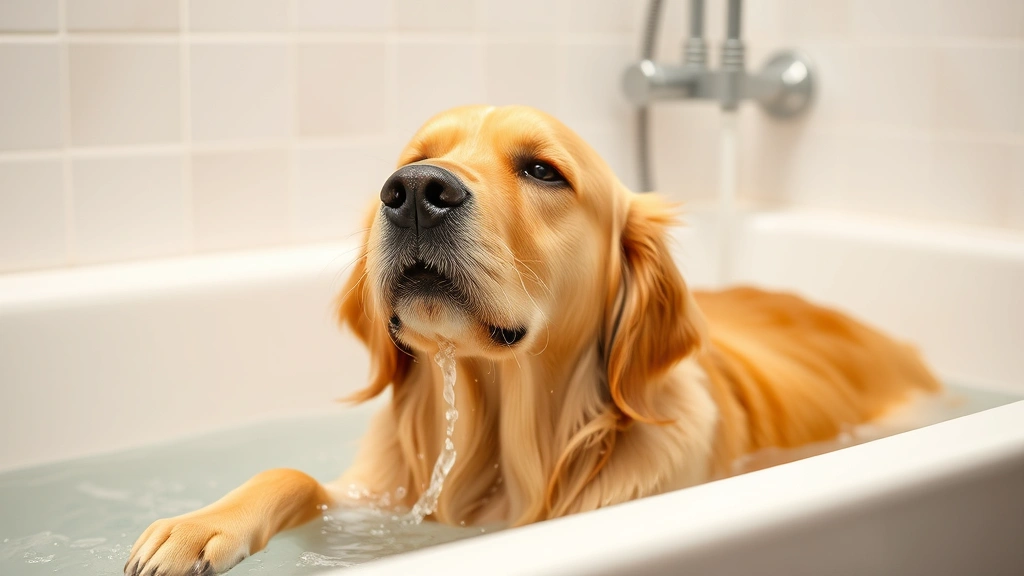
Can Dogs Use Human Shampoo? Expert Insights
We’ve all been there—standing in the shower with our furry friend, wondering if we can just grab whatever shampoo is within arm’s reach. The truth is, while that bottle of your favorite human shampoo might smell amazing, it’s probably not the best choice for your four-legged companion. But before you panic about accidentally using it once, let’s dive into what actually happens when dogs encounter human shampoo and why veterinarians recommend keeping them separate.
The short answer? No, dogs shouldn’t use human shampoo regularly. But the reasons why are more nuanced than you might think. It all comes down to pH balance, skin sensitivity, and the specific needs of your pup’s coat and skin. Understanding these differences can help you make informed decisions about your dog’s grooming routine and keep their skin healthy and happy.
Your dog’s skin is fundamentally different from yours, and their grooming needs reflect that reality. Let’s explore what makes dog shampoo special and why reaching for your personal care products could cause more problems than it solves.
Understanding pH Balance: Dogs vs. Humans
The most critical difference between human and dog shampoo comes down to one simple concept: pH balance. Your skin maintains an acidic pH of around 4.5 to 5.5, which is often referred to as the “acid mantle.” This protective layer helps keep bacteria and fungi at bay while maintaining skin moisture.
Dogs, on the other hand, have significantly more neutral skin with a pH ranging from 6.2 to 7.4. This difference might seem small, but it’s absolutely crucial. Human shampoos are formulated to work with acidic skin, which means they’re too harsh and alkaline for your dog’s more neutral skin pH. When you use human shampoo on your dog, you’re essentially disrupting their natural protective barrier.
This pH imbalance can lead to increased irritation, dryness, and vulnerability to infections. A dog’s skin is also thinner than human skin—about three to five times thinner, in fact. This means it’s far more susceptible to damage from products not specifically formulated for canine use. Quality dog shampoos are pH-balanced to maintain your pup’s natural skin barrier and keep everything in harmony.
The Association of American Feed Control Officials recognizes the importance of proper formulation in pet care products, though shampoos aren’t directly regulated in the same way as food. However, reputable manufacturers still follow strict guidelines to ensure their products are safe and effective for dogs.
Why Your Dog’s Skin is Different
Beyond pH levels, your dog’s skin has several other characteristics that make it fundamentally different from human skin. Understanding these differences helps explain why a one-size-fits-all approach to personal care products simply doesn’t work for our canine companions.
First, let’s talk about thickness. As mentioned, dog skin is considerably thinner, making it more delicate and prone to irritation. This thin barrier is part of why dogs can be so sensitive to environmental factors, allergens, and inappropriate grooming products. Second, dogs have a different hair structure. Their coats often consist of multiple layers—an undercoat and guard hairs—designed to provide insulation and protection from the elements. Human shampoos can strip away the natural oils that keep this double coat healthy and functional.
Additionally, dogs have fewer sebaceous glands than humans do, meaning they produce less natural oil to protect and moisturize their skin. This makes them even more vulnerable to over-drying from harsh cleansers. When you strip away what little natural oil they have with inappropriate shampoo, you’re setting the stage for dry, flaky, itchy skin.
Dogs also have more sensitive skin in general. Many dogs suffer from allergies—both environmental and food-related—that can manifest as skin issues. Using the wrong shampoo can exacerbate these conditions or even trigger allergic reactions. This is why dogs with sensitive skin or specific dermatological conditions require specially formulated shampoos.
Risks of Using Human Shampoo on Dogs
So what actually happens if you use human shampoo on your dog? While a single bath with human shampoo probably won’t cause permanent damage, regular use can lead to several problems:
- Skin Irritation and Inflammation: The alkaline nature of human shampoo can cause redness, itching, and general discomfort. Your dog might scratch excessively, leading to further skin damage and potential infections.
- Dryness and Flaking: Stripping away natural oils leaves skin dry and flaky. This can progress to dandruff and more serious dermatological issues. If your dog is already dealing with these problems, learn about how to get rid of dog dandruff with appropriate treatments.
- Coat Quality Deterioration: Your dog’s fur might become dull, brittle, and prone to matting. A healthy coat should be shiny and smooth, which is difficult to achieve with improper grooming products.
- Bacterial and Fungal Infections: By compromising the skin barrier, you’re inviting opportunistic bacteria and fungi to cause infections. This can lead to more serious conditions requiring veterinary treatment.
- Allergic Reactions: Many human shampoos contain fragrances, dyes, and other chemicals that can trigger allergic reactions in dogs. Symptoms might include excessive scratching, hives, or even more severe reactions in sensitive individuals.
- Eye Irritation: If the shampoo gets in your dog’s eyes during bathing, it can cause significant discomfort and irritation, as human formulas aren’t designed for canine eye safety.
The ASPCA emphasizes the importance of using species-appropriate grooming products, and veterinary dermatologists universally recommend against using human shampoo on dogs.
What About Specific Human Products?
You might be wondering about specific products you have at home. Let’s break down some common ones:
Baby Shampoo: While gentler than many adult formulas, baby shampoo still isn’t ideal for dogs. Though it’s less harsh, it’s still formulated for human pH levels. For more detailed information, check out our guide on whether you can use baby shampoo on dogs.
Dandruff Shampoos: Products like Head and Shoulders contain ingredients that might seem beneficial for dogs with dandruff, but they’re formulated for human scalps. Using them on dogs can cause more harm than good and may worsen skin conditions.
Dish Soap: Some people use dish soap as an emergency cleaner, but this is particularly problematic. Dawn dish soap and similar products are extremely harsh on dog skin and should only be used in genuine emergencies like removing sticky substances.
The bottom line: if it’s formulated for humans, it’s not appropriate for regular use on your dog, regardless of how gentle it claims to be.
Best Practices for Dog Bathing
Now that we’ve established why human shampoo isn’t suitable for dogs, let’s talk about how to properly bathe your pup. If you’re unsure about the process, our comprehensive guide on how to give a dog a bath walks you through everything step-by-step.
Choose the Right Shampoo: Select a high-quality dog shampoo formulated for your dog’s specific needs. If your dog has dry skin, choose a moisturizing formula. If they have oily skin, opt for a cleansing formula. Dogs with sensitive skin need hypoallergenic options. Some dogs benefit from medicated shampoos for specific conditions—consult your veterinarian if your dog has skin issues.
Water Temperature: Use lukewarm water, not hot. Hot water can further dry out your dog’s skin and is uncomfortable for them. Lukewarm water is gentler and more pleasant for bathing.
Frequency: Most dogs only need bathing once every four to twelve weeks, depending on their breed, coat type, and lifestyle. Over-bathing strips natural oils and can cause more problems than it solves. Dogs who spend a lot of time outdoors might need more frequent baths, while indoor dogs typically need fewer.
Thorough Rinsing: This is absolutely critical. Any residue left in the coat can cause irritation and itching. Rinse thoroughly until the water runs completely clear and you don’t see any shampoo suds.
Drying: Gently dry your dog with towels, and consider using a low-heat dog dryer if your dog tolerates it. Never use human hair dryers on high heat, as this can damage their coat and skin.
Between Baths: Regular brushing helps distribute natural oils throughout the coat and keeps skin healthy between baths. This is especially important for dogs with longer coats.
Safe Alternatives and Dog Shampoo Options
The good news is that the market for dog shampoos has exploded in recent years, giving you plenty of excellent options. Here are some categories to consider:
Natural and Organic Shampoos: Many brands now offer natural formulations without harsh chemicals. These often contain ingredients like oatmeal, aloe vera (though be careful—some forms of aloe vera can be toxic to dogs, so ensure the shampoo is specifically formulated for canine use), and coconut oil. Natural doesn’t always mean better, but many dogs do well with these gentler options.
Breed-Specific Shampoos: Some manufacturers create shampoos tailored to specific breeds or coat types. These are formulated to enhance the particular characteristics of that breed’s coat.
Hypoallergenic Formulas: If your dog has sensitive skin or allergies, hypoallergenic shampoos are free from common irritants and allergens. These are often recommended by veterinarians for dogs with dermatological issues.
Medicated Shampoos: For dogs with specific skin conditions, medicated shampoos prescribed by veterinarians can be incredibly effective. These contain active ingredients designed to treat conditions like fungal infections, bacterial infections, or severe allergies.
Oatmeal-Based Shampoos: Oatmeal is soothing and moisturizing, making these shampoos excellent for dogs with dry, itchy skin. They’re gentle and effective for most dogs.
Waterless Shampoos: For dogs who hate baths or when you need a quick clean between regular baths, dry shampoos can be effective. These are sprayed on and brushed out, removing dirt and odor without water.
The American Kennel Club provides resources on grooming best practices and recommends consulting with your veterinarian about the best shampoo for your individual dog.
Always introduce new products gradually and watch for any signs of irritation. Every dog is unique, and what works for one might not work for another. When trying a new shampoo, bathe your dog and monitor their skin and coat over the next few days for any adverse reactions.
Frequently Asked Questions
What if I accidentally used human shampoo on my dog once?
Don’t panic! A single bath with human shampoo is unlikely to cause serious harm. Your dog might experience some temporary dryness or mild irritation, but they should be fine. Just use dog shampoo for all future baths and monitor your dog’s skin for any signs of irritation over the next few days.
Is baby shampoo safer than regular human shampoo for dogs?
While baby shampoo is gentler and less likely to cause irritation than many adult shampoos, it’s still not ideal for dogs. It’s still formulated for human pH levels and lacks the specific nutrients dog skin needs. If you’re in an emergency situation and baby shampoo is all you have available, it’s better than nothing, but dog shampoo should be your go-to choice.
Can I make homemade dog shampoo?
You can make simple homemade dog shampoos, but you need to be careful about ingredients and pH balance. A basic option is a mixture of water, dog-safe castile soap, and a carrier oil. However, commercial dog shampoos are formulated by experts to ensure proper pH balance and safety, making them a more reliable choice for regular use.
Why is my dog’s skin so sensitive to products?
Dogs’ skin is naturally more sensitive than human skin due to its thinner nature and different pH balance. Additionally, some dogs have genetic predispositions to allergies or skin conditions, making them even more reactive to inappropriate products. If your dog consistently has skin issues, consult your veterinarian to rule out underlying allergies or conditions.
How often should I bathe my dog?
Most dogs need bathing every four to twelve weeks, depending on their breed, coat type, activity level, and individual needs. Dogs with oily coats or those who spend lots of time outdoors might need more frequent baths. Dogs with dry skin or those who stay mostly indoors might need less frequent bathing. Your veterinarian can provide personalized recommendations based on your dog’s specific situation.
What should I do if my dog has a skin condition?
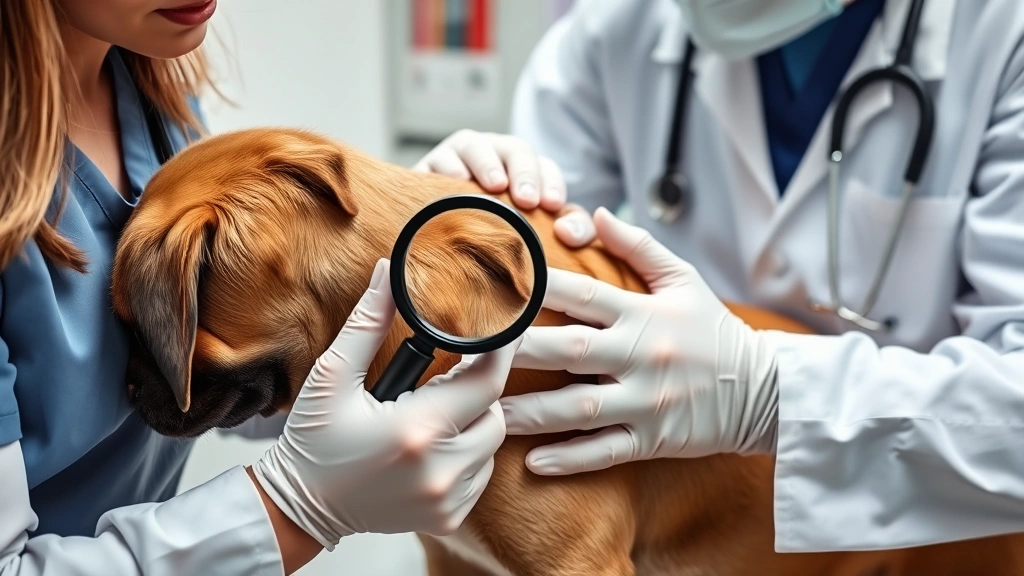
If your dog develops skin issues like excessive itching, redness, flaking, or hair loss, consult your veterinarian. They can diagnose the underlying cause and recommend appropriate medicated shampoos or other treatments. Never self-treat skin conditions with over-the-counter products without veterinary guidance.
Are expensive dog shampoos always better than budget options?
Price doesn’t always correlate with quality. Some mid-range dog shampoos are excellent, while some expensive ones might be overpriced. What matters is that the shampoo is formulated for dogs, matches your dog’s specific needs, and doesn’t cause irritation. Read ingredient lists and reviews, and don’t hesitate to try different brands to find what works best for your pup.





