
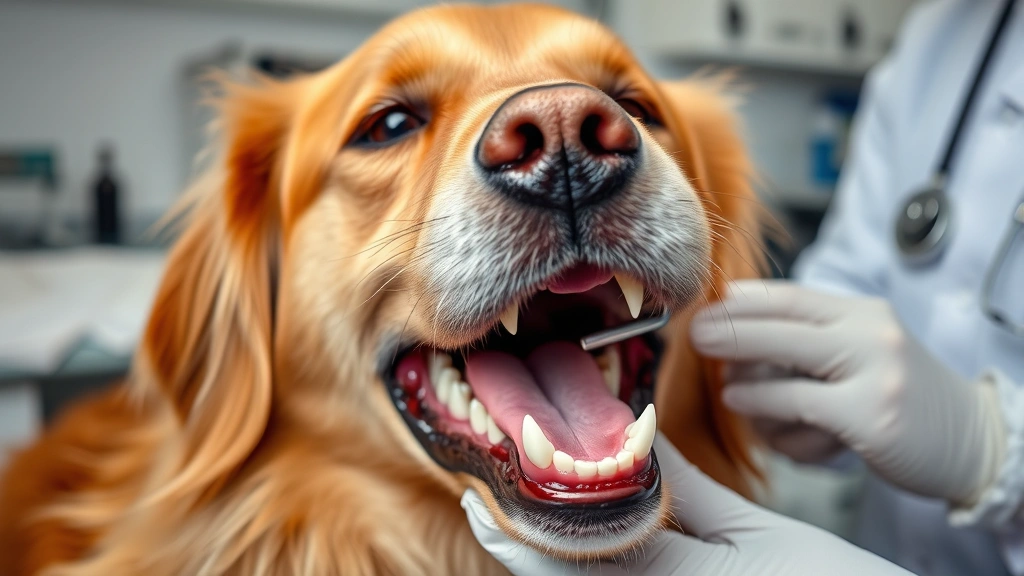
Can Dogs Use Human Toothpaste? Vet Advice on Keeping Your Pup’s Smile Safe
We’ve all been there—standing in the bathroom with our furry best friend, wondering if we can just squeeze a little of our minty-fresh toothpaste onto their toothbrush and call it a day. After all, if it’s safe for us, shouldn’t it be safe for them? The answer, unfortunately, is a resounding no. While human toothpaste might smell refreshing to us, it can actually pose serious health risks to your beloved canine companion.
Your dog’s oral health is just as important as their physical fitness and nutrition, yet many pet parents overlook this crucial aspect of pet care. The reality is that dogs cannot use human toothpaste, and understanding why is the first step toward maintaining that adorable doggy smile for years to come. In this comprehensive guide, we’ll explore the dangers lurking in your bathroom cabinet, what makes dog toothpaste different, and how you can keep your pup’s teeth healthy and strong.
Let’s dive into the nitty-gritty of dental care and discover why your veterinarian would definitely not recommend sharing your toothpaste with Fido.
Why Human Toothpaste Is Dangerous for Dogs
The primary reason dogs shouldn’t use human toothpaste comes down to one critical ingredient: fluoride. While fluoride helps strengthen human teeth and prevent cavities, it’s toxic to dogs when ingested in significant quantities. Unlike humans, dogs don’t spit out toothpaste—they swallow it. Every brushing session becomes a potential ingestion event, and repeated exposure can lead to fluoride toxicity.
But fluoride isn’t the only concern. Many human toothpastes contain xylitol, an artificial sweetener that’s absolutely poisonous to dogs. Even small amounts of xylitol can cause severe hypoglycemia (dangerously low blood sugar), liver damage, and even death in canines. This sweetener is increasingly common in “sugar-free” dental products, making it even more important to read labels carefully before using anything near your pup.
Additionally, human toothpaste contains foaming agents and flavoring compounds designed for human taste buds. These can upset your dog’s stomach and cause gastrointestinal distress. The minty freshness that makes our mouths tingle? That same sensation can irritate your dog’s mouth and throat.
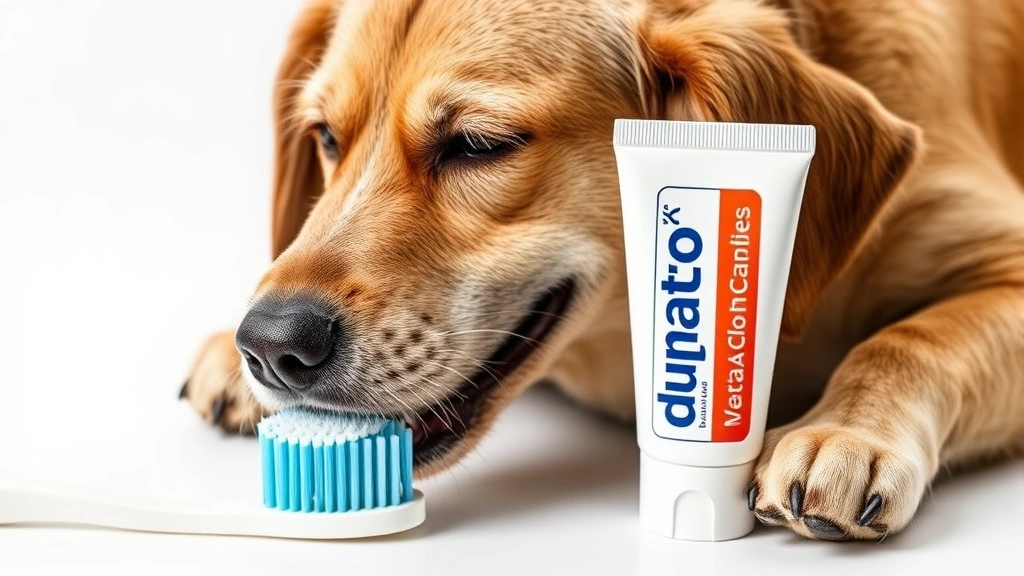
Harmful Ingredients Explained
Let’s break down the specific ingredients in human toothpaste that make it unsuitable for canine use:
- Fluoride: At concentrations found in human toothpaste (typically 1000-1500 ppm), fluoride can accumulate in your dog’s system. Chronic exposure may lead to dental fluorosis, skeletal problems, and other health issues. A single tube of human toothpaste contains enough fluoride to cause serious problems if fully ingested by a small dog.
- Xylitol: This sugar alcohol is gaining popularity in human dental products as a cavity-fighter. However, it triggers rapid insulin release in dogs, causing blood sugar to plummet within 15-30 minutes. Symptoms include vomiting, lethargy, loss of coordination, and seizures.
- Sodium Lauryl Sulfate (SLS): This foaming agent can irritate your dog’s digestive tract and mouth tissues. It’s designed to create that satisfying foam we expect from toothpaste, but dogs don’t need—or want—this effect.
- Artificial Sweeteners: Beyond xylitol, other artificial sweeteners can cause digestive upset in dogs. Their bodies aren’t designed to process these synthetic compounds.
- Essential Oils: Peppermint and spearmint oils, common in human toothpaste, can be problematic for dogs. If you’re wondering about peppermint specifically, can dogs have peppermint, the answer is complicated—it depends on the concentration and form.
The concern about peppermint extends beyond toothpaste. Many pet parents ask is peppermint safe for dogs, and the answer involves understanding that essential oils are concentrated versions of the plant. While a small amount of peppermint flavoring might not harm your dog, the concentrated oils in toothpaste are a different story entirely.
What Makes Dog Toothpaste Different
Veterinary-approved dog toothpaste is formulated with canine physiology in mind. Here’s what sets it apart:
- Fluoride-Free Formulation: Most quality dog toothpastes contain no fluoride whatsoever, eliminating the toxicity concern entirely. Some use alternative ingredients like glucose oxidase to fight plaque and tartar buildup.
- Safe Swallowing: Since dogs will inevitably swallow toothpaste, dog formulations use only ingredients that are safe for ingestion. Nothing toxic, nothing that will upset the stomach.
- Appealing Flavors: Dog toothpastes come in flavors dogs actually enjoy—chicken, beef, peanut butter, and other savory options. This makes the brushing experience more pleasant for your pup.
- Enzymatic Action: Many dog toothpastes contain beneficial enzymes like glucose oxidase and lactoperoxidase that work to break down bacteria and reduce plaque naturally.
- No Foaming Agents: Dog toothpaste typically has minimal foam, preventing the gagging sensation some dogs experience with human products.
When shopping for dog toothpaste, look for products that have been evaluated by the Veterinary Oral Health Council. This organization sets standards for pet dental products and ensures they’re effective and safe.
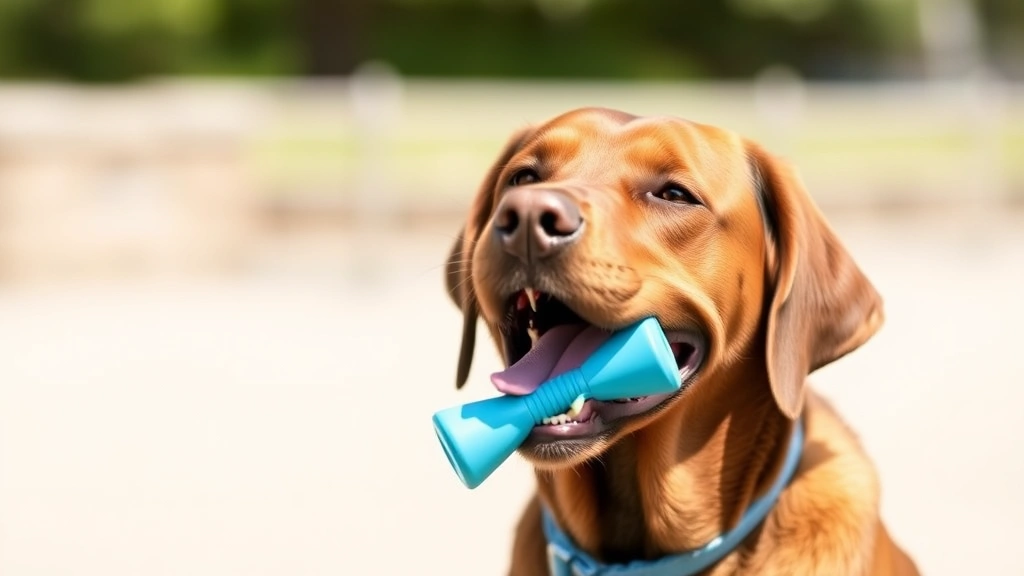
Safe Dental Care Alternatives
Brushing with dog-specific toothpaste is ideal, but it’s not your only option for maintaining your pup’s oral health. Just as pet parents wonder about product crossover—like whether they can use dog shampoo on their cat—they should also explore various dental care methods.
Professional dental cleanings performed by your veterinarian are one of the most effective ways to keep your dog’s teeth healthy. These cleanings remove tartar buildup below the gumline, where brushing alone can’t reach. Most vets recommend professional cleanings annually for adult dogs, more frequently for senior dogs or those prone to dental disease.
If you’re concerned about using any type of toothpaste, how to clean dog teeth without brushing offers several alternatives. Dental chews and toys designed to reduce tartar can be valuable supplements to your dental care routine. Products containing natural ingredients like seaweed or enzymes can help reduce plaque buildup over time.
Diet plays a significant role in oral health too. Some kibble formulations are specifically designed with texture and ingredients that help clean teeth naturally as your dog chews. Ask your veterinarian about prescription dental diets if your pup has significant plaque buildup or gum disease.
Water additives designed for dogs can also support oral health. These products contain ingredients that help reduce bacteria in the mouth and freshen breath without the risks associated with human products.
How to Brush Your Dog’s Teeth Properly
If you’re ready to start a tooth-brushing routine with your pup, here’s how to do it safely and effectively:
- Choose the Right Toothbrush: Use a toothbrush specifically designed for dogs. These have softer bristles and smaller heads than human toothbrushes. You can also use a finger brush or gauze wrapped around your finger if your dog is particularly resistant.
- Select Dog-Safe Toothpaste: Always use toothpaste formulated for dogs. Check the label to confirm it contains no fluoride, xylitol, or harmful artificial sweeteners.
- Start Slowly: Let your dog taste a small amount of toothpaste first. Most love the flavor, which makes the process easier.
- Use Gentle Technique: Apply a small amount of toothpaste to the brush and gently brush at a 45-degree angle to the gumline. Focus on the outer surfaces of the teeth where plaque accumulates most.
- Keep Sessions Short: Start with just 30 seconds and gradually increase to 2-3 minutes as your dog becomes comfortable. Positive reinforcement is key.
- Establish a Routine: Brush your dog’s teeth daily, or at least 3-4 times per week. Consistency is crucial for maintaining oral health.
- Don’t Rinse: Unlike humans, you don’t need to rinse your dog’s mouth after brushing. The small amount of toothpaste they swallow is completely safe.
If your dog resists brushing, remember that can you use baby shampoo on dogs teaches us an important lesson about product compatibility—just because something is gentle enough for one species doesn’t mean it’s right for another. The same principle applies to dental care. Never force your dog if they’re extremely resistant; instead, work with your vet to find alternative methods.
Signs Your Dog Has Dental Problems
Regular brushing helps prevent dental disease, but it’s also important to recognize warning signs that your pup might need professional veterinary attention. If you notice why does my dog’s breath stink, this could indicate underlying dental issues that need addressing.
Watch for these signs of dental disease:
- Persistent bad breath (beyond normal dog breath)
- Visible tartar or discoloration on teeth
- Swollen, red, or bleeding gums
- Loose or missing teeth
- Difficulty eating or dropping food
- Excessive drooling
- Pawing at the mouth or face
- Behavioral changes like irritability or decreased appetite
- Facial swelling or discharge from the nose or mouth
Dental disease is one of the most common conditions in dogs, affecting up to 80% of dogs over the age of three. Early detection and treatment can prevent serious complications like tooth loss, bone infection, and even organ damage from bacteria entering the bloodstream.
If you notice any of these signs, schedule a veterinary appointment promptly. Your vet can assess your dog’s oral health and recommend appropriate treatment, whether that’s professional cleaning, extractions, or other interventions.
Frequently Asked Questions
What should I do if my dog swallows human toothpaste?
If your dog has ingested a small amount of human toothpaste, don’t panic immediately. Monitor your dog closely for signs of illness including vomiting, diarrhea, lethargy, or loss of coordination. If you know the toothpaste contains xylitol, contact your veterinarian or ASPCA Animal Poison Control immediately, as this is a medical emergency. For other toothpastes, contact your vet if symptoms develop. Have the toothpaste tube available so your vet can check the ingredients.
How often should I brush my dog’s teeth?
Ideally, brush your dog’s teeth daily, just like you do for yourself. However, brushing 3-4 times per week provides significant benefit. Even once-weekly brushing is better than nothing. The key is consistency—a regular routine is more effective than sporadic intensive brushing sessions.
Are dental chews a good substitute for brushing?
Dental chews can be a helpful supplement to brushing, but they shouldn’t be considered a complete replacement. Chewing helps reduce plaque and tartar mechanically, but it doesn’t reach all tooth surfaces the way brushing does. Combine dental chews with regular brushing and professional cleanings for optimal oral health.
Can puppies use dog toothpaste?
Yes, puppies can use dog toothpaste once their baby teeth start coming in. However, focus on getting your puppy comfortable with the brushing process rather than worrying about perfect technique. Starting dental care early establishes good habits that will benefit your dog throughout their life.
What’s the best dog toothpaste brand?
Look for products approved by the Veterinary Oral Health Council. Your veterinarian can recommend specific brands based on your dog’s age, size, and any existing dental conditions. Many prescription-strength options are available for dogs with significant plaque or gum disease.
Is dog toothpaste expensive?
Quality dog toothpaste typically costs $5-15 per tube, which lasts several months with regular use. This is a small investment compared to the cost of professional dental cleanings (which can range from $200-$1,000 depending on your location and your dog’s condition) or treating advanced dental disease. Prevention is always more cost-effective than treatment.
Can I make homemade dog toothpaste?
While some people attempt homemade dog toothpaste recipes, it’s generally safer to use commercially formulated products that have been tested for safety and efficacy. If you’re interested in natural options, discuss with your veterinarian before making anything at home. They can guide you toward safe, effective alternatives.
Why do dogs get cavities less often than humans?
Dogs are actually less prone to cavities than humans for several reasons. First, their saliva has different pH and enzymatic properties that provide natural protection. Second, their diet typically contains less sugar than human diets. However, dogs are very susceptible to gum disease and tartar buildup, which can be just as damaging to their oral health as cavities are to ours.





