
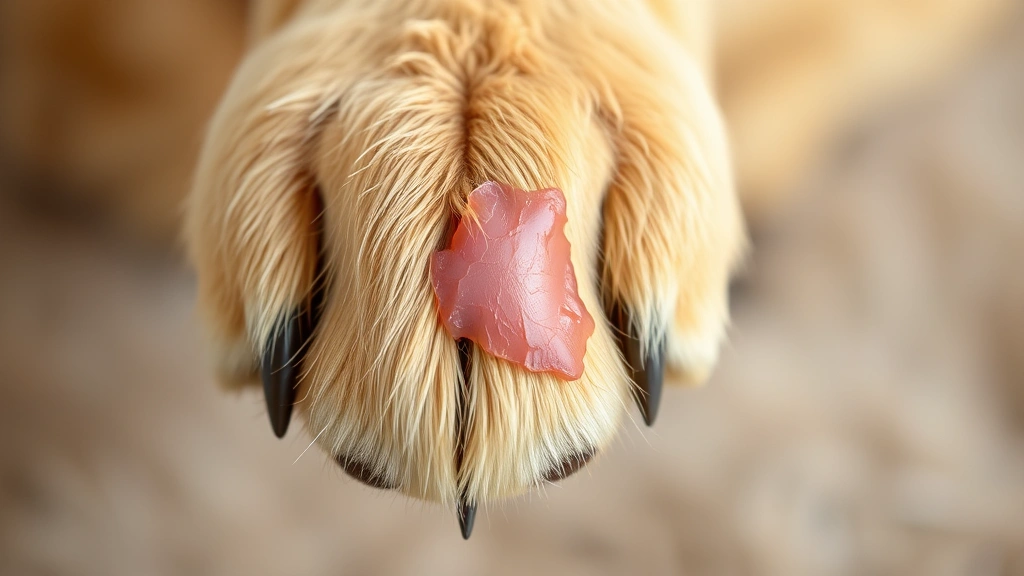
Is Neosporin Safe for Dogs? Vet-Approved Guide
As a dog owner, you want to help your furry friend when they get a minor cut, scrape, or wound. Your first instinct might be to reach for the trusted antibiotic ointment sitting in your medicine cabinet—Neosporin. But before you apply it to your dog’s injury, you need to understand whether this common human first-aid staple is actually safe for your canine companion.
The short answer is: Neosporin can be used on dogs, but with important caveats and precautions. While the antibiotic ingredients themselves aren’t inherently toxic to dogs, the way your dog interacts with the product and certain formulations can create risks. This comprehensive guide explores everything you need to know about using Neosporin on dogs, when it’s appropriate, and safer alternatives recommended by veterinarians.
What Is Neosporin and How Does It Work?
Neosporin is an over-the-counter topical antibiotic ointment that has been a household staple for decades. The original formulation contains three active ingredients: neomycin sulfate, bacitracin zinc, and polymyxin B sulfate. These three antibiotics work synergistically to prevent bacterial infection in minor cuts, scrapes, and wounds.
The neomycin component targets gram-negative and some gram-positive bacteria, bacitracin works primarily against gram-positive bacteria, and polymyxin B addresses gram-negative organisms. Together, they create a broad-spectrum antibiotic effect that stops bacterial growth and allows the wound to heal. The ointment base also provides a protective barrier that keeps the wound moist—an important factor in optimal healing.
Neosporin also comes in several variations, including versions with added pain relief (containing lidocaine) and antibiotic-free options. Understanding which formulation you’re using is crucial when determining safety for your dog, as some variations present greater risks than others.
Safety Concerns for Dogs
While Neosporin’s active ingredients aren’t typically toxic to dogs in small amounts, several safety concerns exist that veterinarians want dog owners to understand.
Ingestion Risk
The primary concern with applying Neosporin to dogs is that dogs will lick the wound. This is their natural instinct. When dogs lick Neosporin off their skin, they ingest the ointment. While small amounts of the antibiotic ingredients are unlikely to cause serious toxicity, ingesting larger quantities can lead to gastrointestinal upset, including vomiting, diarrhea, and loss of appetite. Some dogs may experience more severe reactions depending on sensitivity and the amount consumed.
Formulations with Lidocaine
Neosporin Plus Pain Relief contains lidocaine, a local anesthetic. Lidocaine is toxic to dogs and should never be applied to canine skin. Lidocaine toxicity can cause tremors, seizures, irregular heartbeat, and in severe cases, collapse. Always check your Neosporin label to ensure it does not contain lidocaine before applying it to your dog.
Allergic Reactions
Some dogs develop allergic reactions to one or more of Neosporin’s components. Signs of allergic reaction include increased redness, swelling, itching, or a rash at the application site. Dogs with sensitive skin or known antibiotic sensitivities may be at higher risk.
Wound Complications
While rare, Neosporin can occasionally cause contact dermatitis in dogs. Additionally, the ointment’s greasy base can trap moisture and bacteria under the skin in certain wound types, potentially worsening infection rather than preventing it. This is particularly concerning for puncture wounds or deep lacerations.
When Is Neosporin Safe for Dogs?
Neosporin can be used safely on dogs under specific circumstances and with proper precautions. Understanding these conditions helps you make informed decisions about your dog’s wound care.
Minor Superficial Wounds
Neosporin is most appropriate for minor superficial cuts and scrapes—the kind that don’t bleed heavily and don’t break deeply into the skin. These include small abrasions from playing outside, minor cuts from rough surfaces, or light scrapes that don’t penetrate beyond the outer skin layer. For these minor injuries, a thin application of plain Neosporin (without pain relief ingredients) can help prevent bacterial infection.
Short-Term Application
Neosporin should only be used for very short-term wound care, typically one to three days maximum. Prolonged use increases the risk of your dog ingesting significant amounts and developing adverse reactions. Most minor wounds begin healing within a few days anyway, making extended Neosporin use unnecessary.
Supervised Use
The most critical factor in safe Neosporin use is preventing your dog from licking the wound. This requires constant supervision or the use of barriers like an Elizabethan collar (cone). If you cannot prevent licking, you should not use Neosporin on your dog. Many veterinarians recommend skipping Neosporin entirely due to the difficulty of preventing ingestion through licking.
How to Safely Apply Neosporin to Dogs
If you’ve determined that Neosporin is appropriate for your dog’s specific wound, follow these application guidelines to maximize safety and effectiveness.
- Clean the wound first. Gently wash the area with lukewarm water and mild soap. Pat dry completely with a clean cloth. Do not use hydrogen peroxide or alcohol, as these can damage healing tissue.
- Check the label. Verify that your Neosporin contains only the three antibiotics (neomycin, bacitracin, polymyxin B) and does not contain lidocaine or other pain relievers.
- Apply a thin layer. Use only a small amount—a thin layer is sufficient and reduces the quantity available for your dog to ingest through licking.
- Prevent licking immediately. Place an Elizabethan collar on your dog right after application. Keep it on for at least 2-3 hours, or longer if possible. This gives the antibiotic time to absorb slightly into the skin.
- Monitor the wound. Watch for signs of infection (increasing redness, swelling, discharge, or odor) or allergic reaction (excessive itching, rash, or swelling).
- Limit duration. Do not apply Neosporin for more than 3 consecutive days. If the wound hasn’t improved by then, contact your veterinarian.
- Reapply cautiously. Only reapply if the previous layer has been completely absorbed and your dog hasn’t shown any adverse reactions.
Remember that even with perfect application technique, some Neosporin will likely be ingested through licking. This is normal and usually not dangerous in small amounts, but it’s another reason to limit duration and quantity.

Dog-Safe Wound Care Alternatives
Many veterinarians actually prefer alternatives to Neosporin for canine wound care. These options are specifically formulated for dogs and often carry less risk of ingestion-related complications.
Veterinary-Approved Topical Products
Several products are specifically designed for dog wounds and are safer than human Neosporin. Vetericyn is a hypochlorous acid-based wound spray that kills bacteria without being toxic if licked. Animax ointment is a veterinary prescription product that combines antibiotics with anti-inflammatory and antifungal agents. Bag Balm, originally formulated for cattle udders, is now popular for minor dog wounds and is safe if ingested in small amounts.
Natural and Holistic Options
For minor wounds, simple natural approaches often work well. Coconut oil has mild antimicrobial properties and is safe for dogs to lick. Honey, particularly medical-grade manuka honey, has strong antibacterial properties and has been used in veterinary medicine for wound care. Apply a small amount directly to clean wounds. Plain saline solution works excellently for cleaning wounds without causing tissue damage.
Preventive Wound Care
The best approach to wound care is often prevention through proper nutrition and overall health. Dogs with strong immune systems heal faster and resist infection better. Ensure your dog receives appropriate dog vaccines and preventive care. Additionally, keeping your dog well-hydrated supports skin health and faster healing.
Professional Wound Management
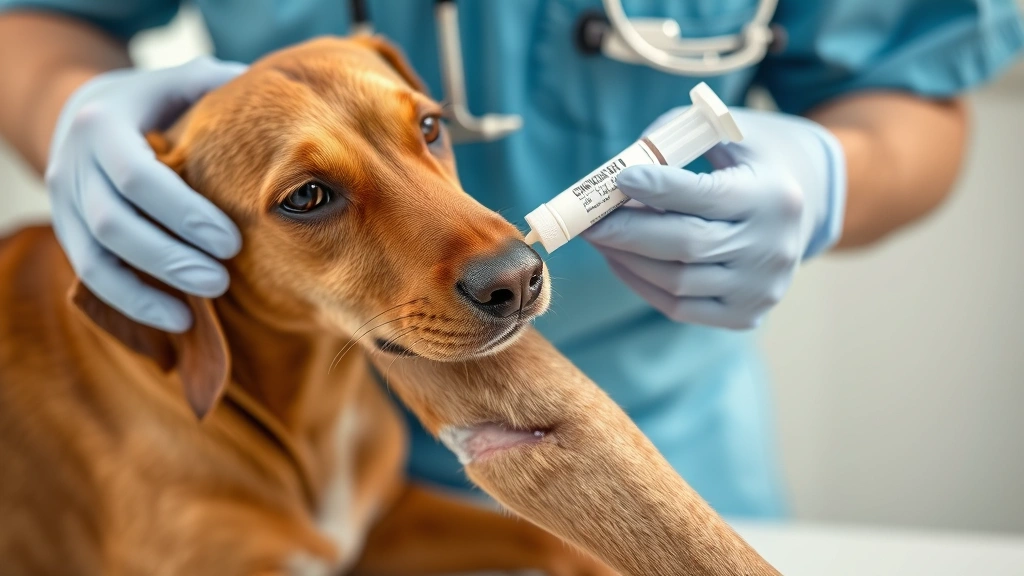
For anything beyond minor superficial wounds, professional veterinary care is the safest option. Your vet can properly clean the wound, determine if stitches are needed, prescribe appropriate antibiotics if necessary, and provide wound care instructions tailored to your specific dog. They may recommend keeping the wound uncovered to allow air circulation, or they may apply professional-grade dressings.
When to Call Your Veterinarian
Certain wounds require professional veterinary attention regardless of whether you have Neosporin at home. Contact your vet immediately if:
- The wound is deep, gaping, or won’t stop bleeding after 10 minutes of gentle pressure
- The wound appears to be from a bite (animal or human), as these carry high infection risk
- The wound is dirty or contaminated with dirt, debris, or foreign material
- Your dog is limping or unable to use a limb affected by the wound
- The wound is near the eyes, ears, mouth, or genitals
- Your dog shows signs of infection: increasing redness, swelling, discharge, odor, or heat at the wound site
- Your dog has ingested a significant amount of Neosporin and shows vomiting, diarrhea, or lethargy
- Your dog develops an allergic reaction: hives, facial swelling, difficulty breathing, or severe itching
- The wound doesn’t improve within 3-5 days of home care
- Your dog is elderly, very young, pregnant, or has a compromised immune system
According to the ASPCA, when in doubt about wound severity or treatment, it’s always better to have a professional evaluate. Infection can develop quickly and become serious if left untreated, so erring on the side of caution is wise.
FAQ
Can I use regular Neosporin on my dog?
You can use the original three-antibiotic Neosporin (without pain relief) on dogs for minor superficial wounds, but only under supervision with precautions to prevent licking. Many vets recommend dog-specific alternatives instead. Never use Neosporin Plus Pain Relief, as it contains lidocaine, which is toxic to dogs.
What happens if my dog licks Neosporin?
Small amounts of Neosporin are usually not dangerous if licked. However, ingesting larger quantities can cause gastrointestinal upset including vomiting, diarrhea, and loss of appetite. This is why preventing licking through use of an Elizabethan collar is important.
Is Neosporin toxic to dogs?
The antibiotic ingredients in regular Neosporin are not typically toxic to dogs in small amounts. However, Neosporin formulations containing lidocaine are toxic and should never be used on dogs. Additionally, ingesting large quantities of any Neosporin formulation can cause gastrointestinal problems.
What’s the best antibiotic ointment for dogs?
Veterinary-approved products like Vetericyn, Animax, and Bag Balm are generally safer for dogs than human Neosporin because they’re formulated with canine safety in mind. For minor wounds, saline solution, coconut oil, or medical honey are excellent natural alternatives.
How long can I use Neosporin on my dog?
Limit Neosporin use to a maximum of 3 consecutive days. If the wound hasn’t improved by then or shows signs of infection, contact your veterinarian. Most minor wounds begin healing within this timeframe, making extended use unnecessary.
Can I use an Elizabethan collar to prevent licking?
Yes, an Elizabethan collar (cone) is the most effective way to prevent your dog from licking Neosporin or wound areas. Leave it on for at least 2-3 hours after application, or longer if your dog is particularly persistent about licking. Some dogs tolerate cones better than others, so be patient during the adjustment period.
What should I do if my dog has an allergic reaction to Neosporin?
If you notice increased redness, swelling, itching, rash, or other signs of allergic reaction, stop using Neosporin immediately and wash the area gently with lukewarm water. Contact your veterinarian, especially if the reaction is severe or your dog shows signs of facial swelling, hives, or difficulty breathing.
Is honey safe for dog wounds?
Medical-grade manuka honey is safe for dogs and has strong antibacterial properties. Regular honey can also be used but is less potent. Apply a small amount directly to clean wounds. Never give puppies under one year raw honey due to botulism risk, but topical application on wounds is safe.
When should I see a vet instead of treating at home?
See a vet for deep wounds, bites, dirty wounds, wounds near sensitive areas, wounds that won’t stop bleeding, or any wound showing signs of infection. Also seek professional care if your dog is very young, elderly, or has health conditions compromising immunity. According to the American Kennel Club, professional evaluation is always recommended when you’re unsure about wound severity.
Can I use Neosporin on my dog’s paws?
Neosporin can be used on minor paw pad scrapes, but paws are particularly problematic because dogs constantly lick their feet. An Elizabethan collar is essential if you use Neosporin on paws. Many vets recommend paw-specific products or simply keeping the area clean and dry instead.





