

Can Dogs’ Whiskers Grow Back? What Experts Say
If you’ve ever noticed your dog’s whiskers and wondered about their purpose, you’re not alone. These fascinating facial hairs are far more important than most pet owners realize. But what happens when they fall out or get trimmed? Do dog whiskers grow back? The answer is yes, and understanding this process is crucial for responsible dog care.
Dog whiskers, or vibrissae as they’re scientifically known, are specialized sensory organs that help your furry friend navigate their world. Unlike regular fur, these thick, coarse hairs are deeply rooted in your dog’s skin and connected to sensitive nerve endings. They’re not just for show—they’re essential tools that your dog uses every single day to understand their environment.
In this comprehensive guide, we’ll explore everything you need to know about dog whiskers, including how they grow back, why they’re so important, and what you should never do to them. Whether you’re a new dog owner or a seasoned pet parent, this information will help you better care for your beloved companion.
What Are Dog Whiskers?
Dog whiskers are highly specialized sensory hairs that differ significantly from the regular fur covering your dog’s body. These remarkable structures are called vibrissae, and they’re found on your dog’s muzzle, above their eyes, and on their chin. Each whisker is three to four times thicker than regular dog hair and extends much deeper into the skin.
The root of each whisker is surrounded by a special sensory organ called a follicle sinus complex. This complex is packed with nerve endings that send information directly to your dog’s brain. When a whisker touches something, it triggers these nerves, allowing your dog to detect even the slightest changes in their environment. According to the American Kennel Club, whiskers are essentially living sensors.
These sensory hairs serve multiple purposes. They help dogs navigate in low-light conditions, determine if spaces are wide enough for their body to fit through, and detect nearby objects and potential threats. Your dog’s whiskers are constantly working, even when your pup is relaxing on the couch. When you’re learning how to clean dogs ears or handling your dog’s face, it’s important to remember how sensitive this area is.
The Whisker Growth Cycle
Like all hair on your dog’s body, whiskers follow a natural growth cycle. Understanding this cycle helps explain why whiskers grow back and how long the process takes. The whisker growth cycle consists of three main phases: the anagen phase, the catagen phase, and the telogen phase.
During the anagen phase (growth phase), the whisker is actively growing from the follicle. This phase typically lasts several months and is when your dog’s whiskers reach their full length. The whisker continues to grow during this time, pushing upward and outward from the follicle deep in the skin.
The catagen phase (transition phase) is a shorter period where growth slows down and the follicle begins to shrink slightly. This phase lasts only a few weeks and signals the beginning of the end of the whisker’s life cycle.
Finally, the telogen phase (resting phase) is when the whisker is fully mature but no longer actively growing. During this phase, the whisker remains in place but is more loosely attached to the follicle. Eventually, a new whisker begins to grow beneath it, pushing out the old one. This natural shedding process happens continuously throughout your dog’s life.

Timeline for Whisker Regrowth
So, can dogs whiskers grow back? Yes, absolutely. However, the timeline for regrowth depends on several factors. If a whisker is naturally shed or accidentally broken off, a new one will begin growing in its place relatively quickly.
In most cases, you can expect to see new whisker growth within two to three weeks after a whisker falls out or is removed. However, complete regrowth to full length typically takes three to four months. This timeline can vary depending on your dog’s age, overall health, nutrition, and genetics.
Puppies and younger dogs may experience slightly faster whisker regrowth compared to senior dogs. Dogs with excellent nutrition and overall health also tend to have faster hair growth cycles. Conversely, dogs with nutritional deficiencies, skin conditions, or other health issues may experience slower regrowth.
It’s important to note that if multiple whiskers are removed at once, your dog may temporarily lose some of their sensory capabilities. This is why it’s crucial to avoid trimming or cutting whiskers unnecessarily. If you’re interested in other aspects of dog grooming and health, check out our guide on how to cut dogs black toenails, which covers safe grooming practices.
Why Whiskers Matter to Your Dog
Understanding the importance of whiskers helps explain why they should never be trimmed or removed unnecessarily. Whiskers are far more than just decorative facial hair—they’re essential sensory tools that your dog depends on daily.
Navigation and Spatial Awareness: Your dog’s whiskers help them navigate their environment, especially in dim lighting or dark spaces. They can detect walls, furniture, and other obstacles before physically bumping into them. This is particularly important for dogs that spend time in various environments or explore new spaces.
Detecting Movement: Whiskers are incredibly sensitive to air currents and vibrations. They can detect the slightest movements nearby, which helps your dog sense when other animals or people are approaching. This sensory information is crucial for your dog’s safety and awareness.
Measuring Space: Dogs use their whiskers to determine if a space is wide enough for their body to fit through. The whiskers extend roughly to the width of a dog’s body, acting as natural measuring tools. This helps prevent your dog from getting stuck in tight spaces.
Emotional Expression: While less critical than sensory functions, whiskers also play a role in your dog’s facial expressions and communication. Why does my dog lick me and other forms of canine communication are enhanced by their ability to move their whiskers expressively.
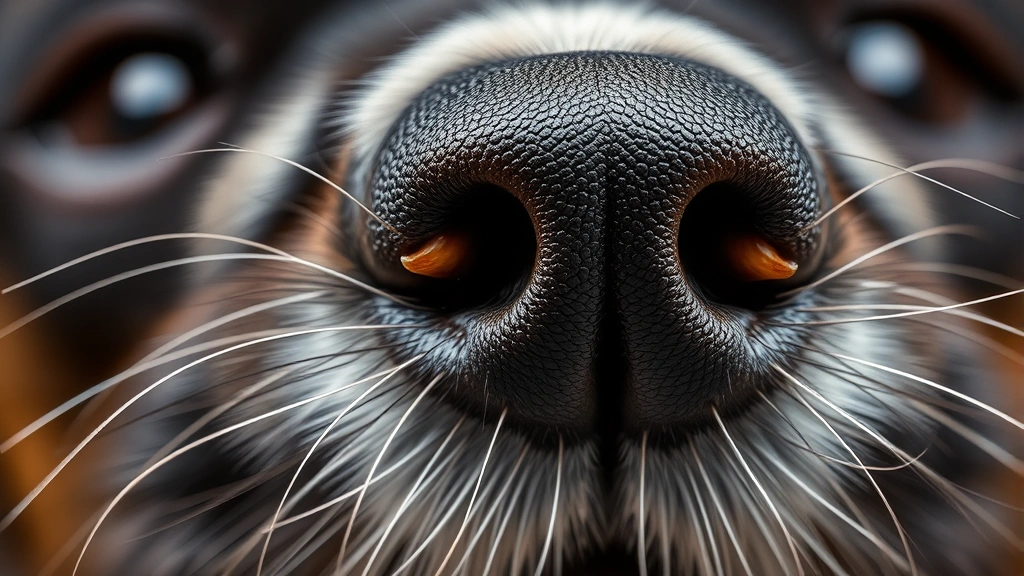
Research from the ASPCA emphasizes that removing whiskers can cause significant stress and disorientation in dogs. Without their whiskers, dogs may become anxious, confused, and less confident in their movements.
The Risks of Trimming Whiskers
One of the most important things to know about dog whiskers is that they should never be trimmed. Despite this being common knowledge among veterinarians and dog experts, some groomers or uninformed pet owners still trim whiskers. This practice can have serious consequences for your dog’s well-being.
Disorientation and Anxiety: When whiskers are trimmed, dogs often experience temporary disorientation. They may become anxious, jumpy, or overly cautious because they’ve lost a significant portion of their sensory information. This can last until the whiskers grow back completely.
Reduced Spatial Awareness: Without their full set of whiskers, dogs struggle to navigate their environment accurately. They may bump into objects, misjudge distances, and feel less confident moving around. This is especially problematic for senior dogs or those with vision problems.
Increased Stress: The sudden loss of sensory input can cause genuine stress in dogs. They may exhibit behavioral changes such as excessive barking, restlessness, or withdrawal. Some dogs become clingy or display signs of anxiety.
Safety Concerns: Dogs without their whiskers are at increased risk of injury. They may run into furniture, miss obstacles, or fail to detect approaching dangers. This is particularly concerning for dogs that spend time outdoors.
Professional veterinarians and veterinary experts universally recommend against trimming dog whiskers. If your dog is having whisker issues, consult with your veterinarian rather than attempting to trim them yourself.
Proper Whisker Care Tips
While you shouldn’t trim your dog’s whiskers, there are appropriate ways to care for them. Proper whisker care helps maintain your dog’s sensory health and overall well-being.
Never Trim or Cut: This is the golden rule of whisker care. Never trim, cut, or remove your dog’s whiskers. Even if they seem long or unruly, leave them alone. They serve a vital purpose and will naturally shed when they’re ready.
Keep the Area Clean: Whiskers can accumulate dirt and debris, especially around the muzzle. Gently wipe your dog’s face with a damp cloth to keep the whisker area clean. This is similar to how you might approach how to heal a dog wound fast at home—gentle and careful handling is key.
Avoid Pulling or Tugging: Never pull on your dog’s whiskers, even playfully. The nerve endings at the base of each whisker make them sensitive, and pulling can cause pain and stress. Teach children to be gentle around your dog’s face.
Monitor for Loss: It’s normal for dogs to shed whiskers occasionally, but excessive whisker loss may indicate a health problem. If you notice your dog losing more whiskers than usual, consult your veterinarian. Conditions like allergies, skin infections, or nutritional deficiencies can cause abnormal hair loss.
Maintain Good Nutrition: Healthy whiskers start with good nutrition. Ensure your dog is eating a balanced diet rich in proteins, omega-3 fatty acids, and essential vitamins. These nutrients support hair growth and skin health. Consult your vet about the best diet for your dog’s specific needs.
Regular Veterinary Checkups: During routine veterinary visits, your vet can assess your dog’s whisker health and overall skin condition. They can identify any issues early and recommend appropriate treatment if needed.
If you’re concerned about your dog’s appearance or behavior related to their whiskers, don’t hesitate to reach out to your veterinarian. They can provide personalized advice based on your dog’s individual health status.
Frequently Asked Questions
How long does it take for dog whiskers to grow back?
Dog whiskers typically begin regrowing within two to three weeks after being shed or removed. However, it takes approximately three to four months for them to reach their full length. The exact timeline varies based on your dog’s age, health, nutrition, and genetics.
Is it ever okay to trim dog whiskers?
No, it is never recommended to trim dog whiskers. Whiskers are essential sensory organs that help your dog navigate their environment and detect potential threats. Trimming them can cause disorientation, anxiety, and stress. Professional groomers should never trim whiskers, and pet owners should avoid doing so as well.
What should I do if my dog’s whisker is broken?
If your dog has a broken whisker, simply leave it alone. The broken whisker will eventually shed, and a new one will grow in its place. There’s no need to remove it or do anything special. If the break is accompanied by bleeding or signs of infection, contact your veterinarian.
Can whiskers grow back if they’re pulled out?
Yes, whiskers can grow back even if they’re pulled out. As long as the follicle remains intact, a new whisker will eventually grow. However, pulling out whiskers causes pain and stress to your dog, so this should never be done intentionally.
Why do some dogs have longer whiskers than others?
Whisker length varies among individual dogs based on genetics and breed. Some breeds naturally have longer, more prominent whiskers than others. Additionally, individual dogs within the same breed may have variations in whisker length due to genetic factors.
Do dog whiskers serve any purpose besides sensing?
While the primary function of whiskers is sensory, they also play a role in your dog’s facial expressions and communication. Dogs can move their whiskers expressively, which contributes to their ability to communicate with other dogs and humans. Additionally, what smells do dogs hate can be detected more effectively with their whiskers, as these sensory hairs help them assess their chemical environment.
Should I be concerned if my dog is losing whiskers?
Some whisker shedding is completely normal as part of the natural growth cycle. However, if your dog is losing an excessive number of whiskers, this could indicate an underlying health issue such as allergies, skin infections, hormonal imbalances, or nutritional deficiencies. Contact your veterinarian if you notice abnormal whisker loss.
What’s the difference between whiskers and regular dog hair?
Whiskers are much thicker and coarser than regular dog hair, and they’re rooted much deeper in the skin. Each whisker is connected to a complex network of nerve endings, making them sensitive sensory organs. Regular dog hair doesn’t have this sensory function and is primarily for insulation and protection.
According to UC Davis School of Veterinary Medicine, the structural differences between whiskers and regular fur are significant and important for understanding their distinct functions.





