
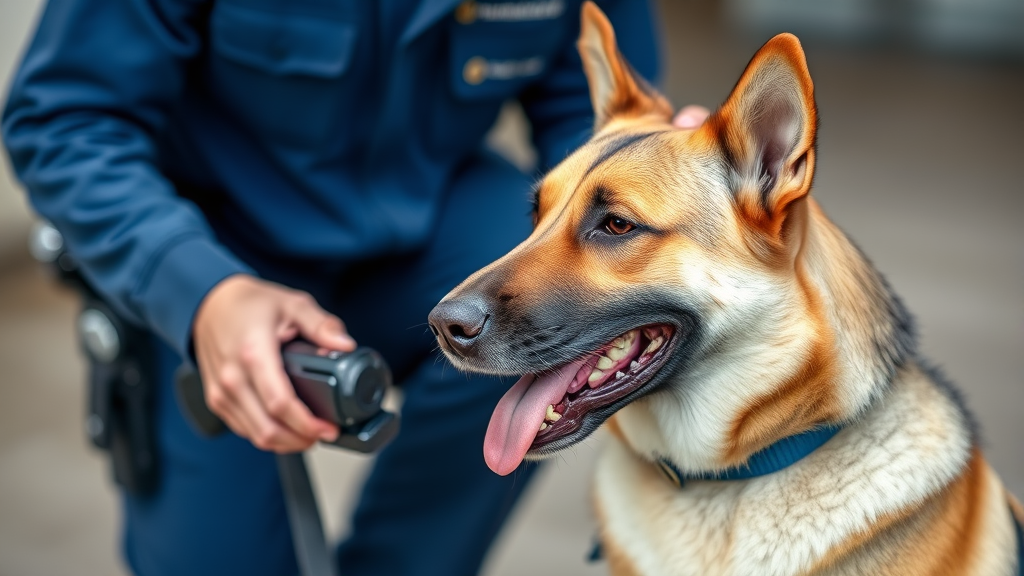
The remarkable olfactory abilities of dogs have been utilized in law enforcement for decades, with drug detection being one of their most valuable applications. As cannabis legalization expands across various jurisdictions, many pet owners find themselves wondering about the capabilities of drug dogs, particularly when it comes to detecting edibles and other cannabis-infused products.
Understanding how drug dogs work and what they can detect is crucial for pet owners, not just from a legal perspective, but also for the safety of their own furry companions. The intersection of drug detection dogs and edible cannabis products presents unique considerations that every responsible pet owner should be aware of.
How Drug Dogs Work
Drug detection dogs possess an extraordinary sense of smell that far exceeds human capabilities. According to the American Kennel Club, dogs have approximately 300 million olfactory receptors compared to humans’ mere 6 million. This incredible sensory apparatus allows them to detect odors at concentrations nearly 100 million times lower than what humans can perceive.
The canine olfactory system works through specialized scent receptors that can isolate and identify individual odor compounds within complex scent mixtures. When a drug dog encounters a scent, these receptors send signals to the brain’s olfactory bulb, which is proportionally much larger in dogs than in humans. This biological advantage makes dogs invaluable partners in law enforcement operations.
Professional drug dogs undergo extensive training to recognize specific scent signatures associated with various controlled substances. They learn to alert their handlers through specific behaviors such as sitting, pawing, or barking when they detect target odors. The training process typically takes several months and requires ongoing reinforcement to maintain peak performance.
Can Drug Dogs Detect Edibles?
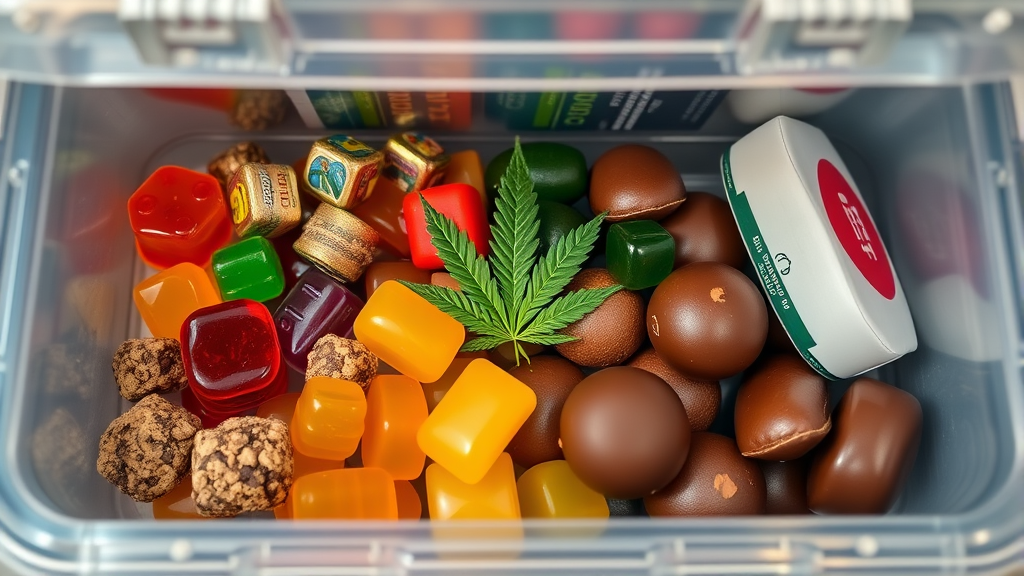
The short answer is yes, drug dogs can detect edibles, but the process is more complex than detecting raw cannabis. Edibles contain the same psychoactive compounds as traditional marijuana, primarily THC (tetrahydrocannabinol), which produces distinctive odor molecules that trained dogs can identify.
However, the detection of edibles presents unique challenges. Unlike smoking materials or raw cannabis, edibles are often masked by strong food odors such as chocolate, baked goods, or candy flavors. Despite these masking agents, the underlying cannabis compounds still emit detectable scent molecules that properly trained dogs can identify.
Research from the National Center for Biotechnology Information indicates that the terpenes and other volatile organic compounds in cannabis remain detectable even when incorporated into food products. These compounds create a unique scent profile that drug dogs are specifically trained to recognize.
The effectiveness of detection can vary significantly based on several factors, including the concentration of cannabis in the edible, the packaging method, and environmental conditions. Commercial edibles with higher THC concentrations are generally easier for dogs to detect than homemade products with lower concentrations.
Factors Affecting Detection
Several variables influence a drug dog’s ability to successfully detect edibles. Understanding these factors helps explain why detection rates may vary in different situations and environments.
Packaging plays a crucial role in scent containment. Vacuum-sealed packages or multiple layers of plastic wrap can significantly reduce odor emissions, making detection more challenging. However, it’s important to note that no packaging method is completely foolproof, as scent molecules can eventually permeate most materials over time.
Environmental conditions also impact detection capabilities. High humidity, extreme temperatures, and competing odors can interfere with a dog’s ability to isolate target scents. Strong competing odors in the environment may temporarily overwhelm the dog’s olfactory system, though professional drug dogs are trained to work through such distractions.
The age and potency of the edible product matter significantly. Fresh edibles with higher THC concentrations emit stronger odor signatures than older, degraded products. The manufacturing process and ingredients used can also affect scent emission patterns, with some food bases providing better masking than others.
Training Methods for Drug Dogs
Professional drug detection dogs undergo rigorous training programs designed to maximize their natural scenting abilities. The training process typically begins when dogs are young, often starting between 6-12 months of age, when their learning capacity is at its peak.
The foundation of drug dog training relies on positive reinforcement techniques. Dogs are introduced to target scents in controlled environments and rewarded when they successfully identify and alert to these odors. According to the Drug Enforcement Administration, this process creates strong positive associations between target odors and rewards.
Trainers use various cannabis products during the conditioning phase, including different forms of edibles, to ensure comprehensive scent recognition. Dogs learn to identify the core cannabis compounds regardless of the food matrix or masking agents present. This multi-product exposure is essential for real-world effectiveness.
Ongoing maintenance training is crucial for sustained performance. Professional drug dogs participate in regular training sessions throughout their careers to maintain sharp detection skills and prevent skill degradation. These sessions often include new product types and challenging scenarios to keep the dogs’ abilities current with evolving drug markets.

Pet Safety Concerns with Edibles
While drug dogs are professionally trained to detect cannabis products, pet owners must be acutely aware of the serious safety risks edibles pose to their own dogs. Cannabis toxicity in dogs is a growing concern as legalization increases product availability and accessibility.
Dogs are significantly more sensitive to THC than humans, and even small amounts can cause severe reactions. The ASPCA Animal Poison Control Center reports increasing cases of cannabis poisoning in pets, with many involving edible products.
Common symptoms of cannabis toxicity in dogs include lethargy, loss of coordination, excessive drooling, vomiting, and in severe cases, seizures or coma. The effects of cannabis on dogs can be particularly dangerous because dogs cannot metabolize THC as efficiently as humans, leading to prolonged and intensified symptoms.
Many edibles contain additional ingredients that are toxic to dogs, such as chocolate, xylitol (artificial sweetener), or high levels of fat. Chocolate toxicity combined with cannabis poisoning can create life-threatening emergencies requiring immediate veterinary intervention.
Pet owners should store all cannabis products, including edibles, in secure, dog-proof containers well out of reach of curious pets. Dogs’ taste preferences often lead them to investigate sweet or savory edibles, making proper storage essential for prevention.
Legal Considerations for Pet Owners
The legal landscape surrounding cannabis varies dramatically by jurisdiction, and pet owners must understand the laws in their specific area. Even in states with legal cannabis programs, federal law still classifies cannabis as a controlled substance, creating complex legal situations.
Drug dogs may be deployed in various settings, including airports, schools, public events, and during traffic stops. The detection of edibles by these dogs can lead to legal consequences regardless of local cannabis laws, particularly in federal jurisdictions or when crossing state lines.
Pet owners should be aware that the presence of cannabis products in vehicles or homes can have implications beyond personal use charges. In some jurisdictions, having cannabis products accessible to minors or pets can result in additional charges related to child or animal endangerment.
The National Organization for the Reform of Marijuana Laws provides updated information on cannabis legislation across different states. Understanding local laws is crucial for making informed decisions about cannabis possession and storage.
Legal medical cannabis patients should carry proper documentation and understand the limitations of their legal protections. Medical cannabis cards typically provide protections within the issuing state but may not be recognized in other jurisdictions.
Protecting Your Pet from Accidental Ingestion
Prevention is the most effective strategy for protecting pets from cannabis exposure. Implementing proper storage and handling protocols can eliminate most risks of accidental ingestion while ensuring compliance with legal requirements.
Secure storage solutions should include locked containers or cabinets that are completely inaccessible to pets. Child-proof containers, while helpful, may not be sufficient for determined dogs with strong jaws and problem-solving abilities. Consider investing in dedicated cannabis storage safes designed for home use.
Education for all household members is essential. Everyone in the home should understand the dangers cannabis poses to pets and the importance of proper storage. This includes guests who may bring cannabis products into the home without considering pet safety.
If accidental ingestion occurs, immediate action is crucial. Emergency response protocols should include contacting a veterinarian or pet poison control hotline immediately. The Pet Poison Helpline (1-855-764-7661) provides 24/7 assistance for cannabis toxicity cases.
Regular monitoring of pets’ behavior and health can help identify potential exposure early. Warning signs of cannabis toxicity can develop quickly, and early intervention significantly improves treatment outcomes.
Consider pet-proofing strategies beyond just cannabis storage. Many edibles resemble common snacks that dogs find appealing, making comprehensive pet-proofing of food storage areas important for overall safety.
Frequently Asked Questions
Can drug dogs smell edibles through packaging?
Yes, drug dogs can often detect edibles through most packaging materials. While vacuum-sealing and multiple layers may reduce odor emission, scent molecules can still permeate packaging over time. Professional drug dogs are trained to detect even trace amounts of cannabis compounds that escape from packaging.
How accurate are drug dogs at detecting edibles?
Well-trained drug dogs have accuracy rates of 85-95% for detecting cannabis products, including edibles. However, accuracy can be affected by environmental factors, the dog’s training level, handler competence, and the specific characteristics of the edible product. False positives and negatives can occur, though they are relatively uncommon with properly trained teams.
What should I do if my dog accidentally eats an edible?
Seek immediate veterinary attention or contact a pet poison control hotline. Do not induce vomiting unless specifically instructed by a veterinarian. Provide details about the product consumed, including THC content if known. Monitor your dog closely for symptoms like lethargy, loss of coordination, or difficulty breathing while seeking professional help.
Are homemade edibles easier or harder for drug dogs to detect than commercial ones?
Commercial edibles are generally easier for drug dogs to detect because they typically contain higher, more consistent concentrations of THC and other detectable compounds. Homemade edibles may have lower or more variable concentrations, potentially making detection more challenging, but they are still detectable by trained dogs.
Can drug dogs differentiate between CBD and THC edibles?
Most drug dogs are specifically trained to detect THC and other psychoactive compounds rather than CBD alone. However, many CBD products contain trace amounts of THC that could trigger an alert. Additionally, full-spectrum CBD products contain terpenes and other compounds that may be detectable by trained dogs.
How long can drug dogs detect cannabis odor from edibles?
The detection window varies based on factors like product potency, storage conditions, and environmental factors. Fresh edibles may be detectable for several days to weeks, while older products with degraded compounds may become undetectable sooner. Proper airtight storage can significantly reduce detection timeframes.
Do drug dogs react differently to different types of edibles?
Drug dogs are trained to detect the cannabis compounds regardless of the food matrix, so they should theoretically react similarly to all edibles containing detectable levels of THC. However, some food bases with strong competing odors might require closer inspection or optimal conditions for successful detection.





