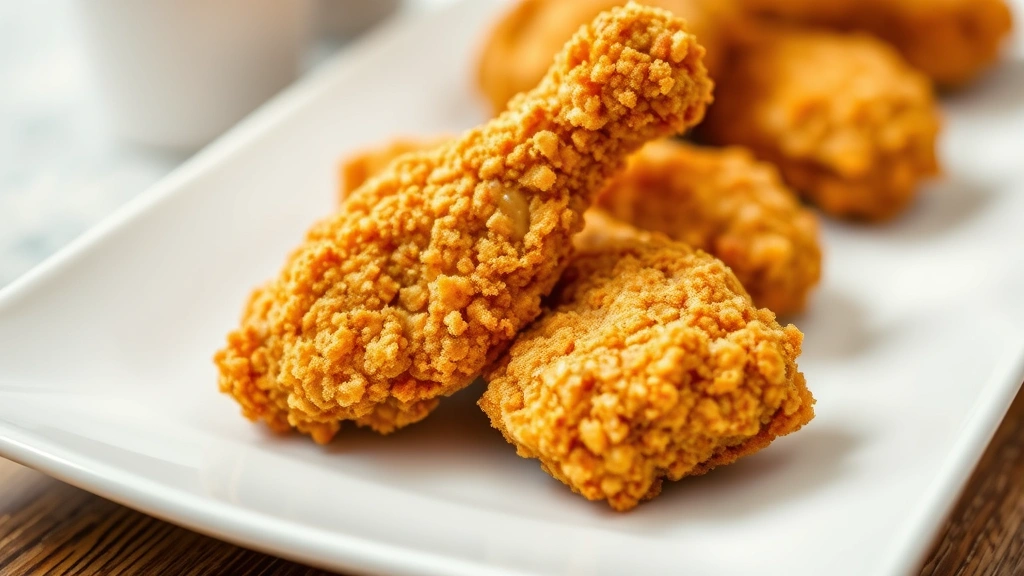
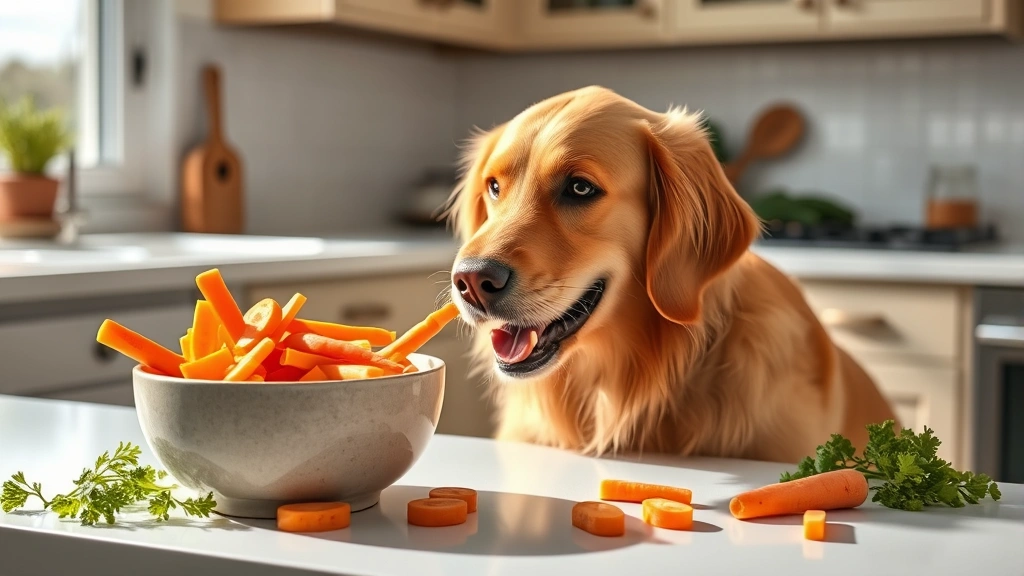
You’re standing in the kitchen with a carton of eggs, and your dog gives you that look. The one that says, “Is that for me?” Before you crack one into their bowl, let’s talk real talk: can I feed dogs eggs? The short answer is yes—eggs are actually one of the safest, most nutritious human foods you can share with your pup. But there’s a right way and a wrong way to do it, and I’m here to walk you through exactly what you need to know.
As a veterinary technician who’s worked with hundreds of dogs and their worried owners, I can tell you that eggs are legitimately great for dogs. They’re packed with protein, choline, and selenium. They’re also cheap, accessible, and most dogs go absolutely bonkers for them. The tricky part? Knowing how much is too much, whether raw eggs are safe, and how to prepare them so your dog gets the maximum benefit without any risk.
Are Eggs Safe for Dogs?
Yes. Full stop. Eggs are safe for most dogs when prepared properly. The American Kennel Club confirms that eggs are a safe and nutritious treat for dogs, whether cooked or raw (though cooked is generally preferred by most vets).
Here’s what makes eggs so dog-friendly: they’re a whole food with zero toxic compounds. Unlike chocolate, grapes, or xylitol, there’s nothing in an egg that’s inherently poisonous to canines. Your dog’s digestive system evolved to handle raw meat and eggs—they’re a natural part of a carnivore’s diet.
That said, “safe” doesn’t mean “unlimited.” Just because something won’t poison your dog doesn’t mean you should feed it every day in huge quantities. Think of eggs like a really good supplement or treat, not a meal replacement.
Pro Tip: If your dog has never eaten eggs before, introduce them slowly. Start with a quarter of an egg and watch for any digestive upset over the next 24 hours. Most dogs have zero issues, but it’s smart to ease into new foods.
Nutritional Benefits of Eggs for Dogs
Let me break down why eggs are actually nutritional superstars for your dog:
- Complete Protein: One large egg contains about 6 grams of high-quality protein with all nine essential amino acids. This is the building block for muscle, skin, hair, and basically every cell in your dog’s body.
- Choline: This nutrient supports brain health and liver function. It’s especially important for puppies and senior dogs.
- Selenium: A powerful antioxidant that helps protect cells from damage and supports thyroid health.
- Lutein and Zeaxanthin: These compounds are good for eye health—crucial for dogs as they age.
- Vitamin A and B vitamins: Support immune function, energy metabolism, and coat health.
- Healthy fats: The yolk contains omega-3 and omega-6 fatty acids, which are fantastic for skin and coat condition.
Honestly, if you’re already feeding your dog a complete and balanced commercial diet, eggs are more of a “nice to have” than a “need to have.” But if you’re looking to boost their nutrition or just want to add variety, eggs punch way above their weight nutritionally.
One thing I tell dog owners: eggs are like nature’s multivitamin. You’re not going to fix nutritional deficiencies with eggs alone, but they’re a smart addition to a solid diet. Speaking of diet, if you’re curious about other nutritional components, check out our guide on what chicken meal in dog food actually is—it’s another protein source worth understanding.
Raw vs. Cooked Eggs: What’s the Difference?
This is the question I get asked most often, and the answer is more nuanced than you’d think.
Raw Eggs
Raw eggs are safe for dogs. Period. Your dog’s stomach acid is strong enough to kill most bacteria, including salmonella and E. coli. This is why wild wolves and feral dogs eat raw eggs all the time without issue.
However—and this is important—raw eggs do contain avidin, an enzyme that can interfere with biotin (B7) absorption. This is only a problem if your dog eats raw eggs constantly, multiple times a day, every single day. If you’re feeding raw eggs occasionally, this is a non-issue.
The real concern with raw eggs isn’t your dog’s health—it’s yours. If your dog eats a raw egg and then licks your face, there’s a tiny risk of transferring bacteria to you. For most households, this is negligible. But if you have immunocompromised family members, pregnant women, or very young children, you might want to stick with cooked eggs to be safe.
Cooked Eggs
Cooked eggs are the safer choice for most households. Cooking eliminates any bacterial concerns entirely and actually makes nutrients slightly more bioavailable. Plus, there’s zero avidin issue with cooked eggs.
The best cooking methods are:
- Boiled: No added fat, easiest to portion, stores well in the fridge for up to a week.
- Scrambled: Dogs love the texture. Use water or a tiny bit of plain yogurt instead of butter or oil.
- Baked: Crack into a muffin tin and bake at 350°F for about 30 minutes. You get individual portions that freeze beautifully.
Avoid fried eggs or eggs cooked with butter, oil, salt, or seasonings. Your dog doesn’t need the extra calories or sodium, and some seasonings (like garlic or onion) are actually toxic to dogs.
PetMD’s veterinary nutritionists recommend cooked eggs as the safest option, especially for puppies and senior dogs with sensitive digestive systems.
How to Feed Eggs to Your Dog

Preparation matters. Here’s the right way to do it:
- Cook thoroughly (if going the cooked route): Boil for 7-10 minutes or scramble until fully set. No runny yolks.
- Cool completely: Hot food can burn your dog’s mouth. Let it sit for a few minutes before serving.
- No shells: Remove all shell fragments. Even small pieces can cause digestive issues or mouth injuries.
- No additives: Plain eggs only. No salt, butter, oil, garlic, onion, or seasoning.
- Cut into appropriate sizes: For small dogs, chop into bite-sized pieces. For large dogs, you can serve a whole egg.
- Mix with regular food (optional): Some dogs do better when eggs are mixed into their kibble rather than served alone. This is especially true for dogs with sensitive stomachs.
If you’re looking to maximize nutrition across the board, check out our article on brown rice vs. white rice for dogs—combining eggs with the right carbs creates a balanced, whole-food meal.
Portion Size and Frequency
This is where a lot of owners mess up. Just because eggs are healthy doesn’t mean you should feed them every day or in large quantities.
The general rule is that treats (including eggs) should make up no more than 10% of your dog’s daily caloric intake. The other 90% should come from their regular, balanced dog food.
Here’s what that looks like in practice:
- Small dogs (under 20 lbs): One egg per week, or half an egg twice a week. One large egg is about 70-80 calories, which is significant for a small dog.
- Medium dogs (20-50 lbs): One whole egg 2-3 times per week.
- Large dogs (50+ lbs): One to two eggs 2-3 times per week.
If you’re already giving your dog other treats (training treats, dental chews, etc.), you need to account for those calories too. This is why understanding how much dog food per day your dog actually needs is crucial—it helps you figure out the treat math.
Think of it like this: if your 30-pound dog needs 800 calories a day, only 80 of those should come from treats. That’s roughly one egg per week, or you could do half an egg twice a week, or even a quarter egg four times a week. The frequency is less important than the total caloric load.
Real Talk: Overfeeding treats is one of the sneakiest ways dogs gain weight. I’ve seen owners give their dogs “just one egg” every single day without realizing they’ve added 500+ calories per week. That’s half a pound of body weight per month for many dogs. Be honest about portion size.
Allergies and Health Concerns
Egg allergies in dogs are rare but not impossible. Signs of an egg allergy include:
- Itching or skin irritation
- Vomiting or diarrhea
- Swelling of the face, lips, or throat
- Hives or rash
- Excessive ear scratching
If you notice any of these symptoms after feeding eggs, stop immediately and call your vet. True egg allergies usually show up within a few hours to a day.
There are also some health conditions where eggs might not be the best choice:
- Pancreatitis: Some dogs with pancreatitis do better avoiding high-fat foods. Egg yolks are high in fat, so check with your vet first.
- Certain liver diseases: Dogs with specific liver conditions might need dietary restrictions. Ask your veterinarian.
- Obesity: If your dog is overweight, eggs are calorie-dense and should be limited even more carefully.
The ASPCA’s pet care guidelines recommend consulting your vet before adding new foods if your dog has any pre-existing health conditions.
One more thing: if your dog is on a prescription diet for a specific medical condition, check with your vet before adding eggs. Some therapeutic diets are carefully formulated, and adding extras can throw off the balance.
Creative Ways to Serve Eggs
Once you’ve confirmed your dog can handle eggs, here are some fun ways to serve them:
- Egg ice cubes: Boil and chop eggs, mix with a little plain yogurt, freeze in ice cube trays. Perfect for hot days.
- Egg and veggie scramble: Mix cooked eggs with dog-safe veggies like carrots or green beans. Check our guide on whether cauliflower is bad for dogs before adding it—spoiler: it’s fine in moderation.
- Egg muffins: Bake eggs in muffin tins with add-ins like pumpkin or sweet potato. Portion and freeze for easy treats.
- Mixed into kibble: Crumble cooked eggs over dry food to make meals more exciting.
- Training treats: Boiled eggs are perfect for training sessions—high value, easy to break into tiny pieces.
- Topped on meals: Add a poached egg to your dog’s regular dinner once or twice a week for a nutritional boost.
Pro tip: boiled eggs store in the refrigerator for up to a week in an airtight container. Baked egg muffins freeze for up to three months. This makes meal prep way easier if you’re planning to make eggs a regular part of your dog’s diet.
If you’re building balanced homemade meals for your dog, understanding portion sizes is key. Our article on how much dog food per day walks through the math, and eggs fit nicely as a protein component.
Frequently Asked Questions
Can dogs eat eggshells?
– No, avoid eggshells. They can cause intestinal blockages or cuts to the mouth and digestive tract. Always remove shells completely before serving. Some people claim eggshell powder is good for calcium, but it’s not necessary if your dog eats a complete and balanced diet. The risk isn’t worth the minimal benefit.
Is it okay to feed dogs raw eggs from the store?
– Technically yes, but cooked is safer. Store-bought eggs can carry salmonella, and while your dog’s stomach acid is strong, there’s a small risk of bacterial transfer to humans in the household. If you want to feed raw eggs, source them from a trusted local farm where you know the handling practices.
Can puppies eat eggs?
– Yes, puppies can eat eggs, and they’re actually great for growing pups because of the protein and choline. Start with a quarter egg and work up to half an egg 2-3 times per week. Cooked is safer for puppies with developing digestive systems.
What about egg whites only—are they better than whole eggs?
– Whole eggs are better. The yolk contains most of the nutrients—choline, lutein, selenium, and healthy fats. Egg whites are just protein. If you’re feeding eggs, the whole egg is the way to go.
Can dogs eat scrambled eggs made with butter?
– Technically yes, but not ideal. A tiny amount of butter won’t hurt, but it adds unnecessary fat and calories. Use water, a splash of plain yogurt, or nothing at all instead.
How do I know if my dog has an egg allergy?
– Watch for itching, vomiting, diarrhea, or facial swelling within 24 hours of feeding eggs. If you see any of these signs, stop feeding eggs and contact your vet. Allergies are rare, but they do happen. Start with small amounts to test tolerance.
Can I feed my dog eggs every day?
– No. Eggs should be a treat or supplement, not a daily staple. They’re calorie-dense and can lead to weight gain if fed too frequently. Stick to 2-3 times per week for most dogs, depending on size.
Are organic or free-range eggs better for dogs?
– Not necessarily. Organic or free-range eggs might be better for you, but nutritionally they’re similar to regular eggs for dogs. Save your money and stick with whatever eggs you prefer—your dog won’t know the difference.
What if my dog accidentally ate a whole raw egg with the shell?
– Don’t panic. Most dogs will be fine. Monitor for signs of distress (vomiting, lethargy, loss of appetite) over the next 24-48 hours. If your dog seems normal, they probably are. If you notice anything off, call your vet. Shell fragments can occasionally cause issues, but it’s not common.

Can I feed eggs to my senior dog?
– Absolutely. Eggs are great for senior dogs. The protein supports muscle maintenance, and the choline is good for cognitive function. If your senior has pancreatitis or other health issues, check with your vet first about portion size.
Last updated: 2024. This article is for informational purposes and should not replace professional veterinary advice. Always consult your veterinarian before making significant changes to your dog’s diet.