

Can I Give My Dog Pedialyte? What Vets Recommend
As a pet parent, watching your dog feel under the weather can be incredibly stressful. When your furry friend experiences dehydration from vomiting, diarrhea, or excessive heat exposure, you naturally want to help them feel better as quickly as possible. You’ve probably heard about Pedialyte—that popular electrolyte solution humans use to recover from illness—and wondered if it could help your pup too. It’s a reasonable question, and one that many dog owners ask their veterinarians.
The short answer is: yes, dogs can have Pedialyte in most cases, but there are important nuances you need to understand before giving it to your pet. Not all versions are safe, dosing matters significantly, and there are situations where Pedialyte might not be the best solution. In this comprehensive guide, we’ll explore everything you need to know about giving Pedialyte to dogs, what veterinarians recommend, and when you should reach out to your vet instead.
Understanding your dog’s hydration needs and the role electrolytes play in their health is crucial for making informed decisions about their care. Let’s dive into the details so you can feel confident and prepared if your dog ever needs this type of support.
Is Pedialyte Safe for Dogs?
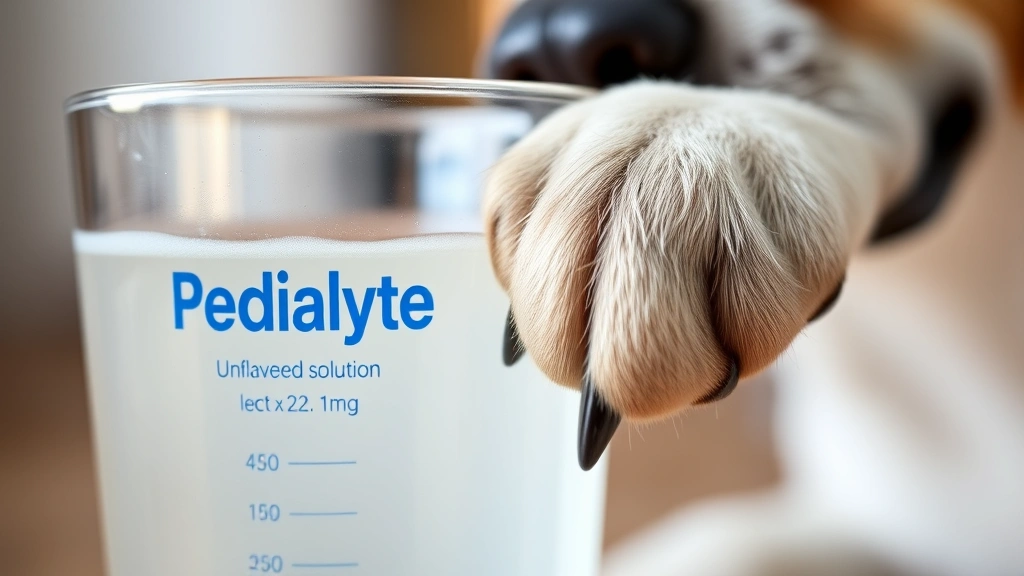
The fundamental question pet owners ask is whether Pedialyte is actually safe for their dogs. The answer is generally yes—plain, unflavored Pedialyte is considered safe for dogs when given appropriately. Pedialyte is an electrolyte solution designed to replace fluids and minerals lost during dehydration. Since dogs have similar electrolyte needs to humans, the basic formulation works for them too.
However, safety depends entirely on which type of Pedialyte you’re using. The original, unflavored Pedialyte is your safest bet. The solution contains sodium, potassium, chloride, and glucose in proportions that can help rehydrate your dog without causing harm. These electrolytes are essential for maintaining proper cellular function, nerve transmission, and muscle contraction in your dog’s body.
According to the American Kennel Club, electrolyte solutions can be beneficial for dogs experiencing mild dehydration, though they emphasize that veterinary guidance is always preferable. The key is understanding that Pedialyte isn’t a substitute for professional veterinary care—it’s a supportive measure for mild cases of dehydration.
Types of Pedialyte and Dog Safety
Not all Pedialyte products are created equal when it comes to dog safety. This is where many well-intentioned pet owners make mistakes. Understanding the differences between Pedialyte formulations is absolutely critical.
Original Unflavored Pedialyte: This is the only version you should give your dog. It contains just the essential electrolytes and glucose without any additives, artificial sweeteners, or flavorings that could harm your pet.
Flavored Pedialyte: Avoid all flavored versions, including cherry, grape, and fruit punch. These contain artificial sweeteners, particularly xylitol in some formulations, which is extremely toxic to dogs. Even small amounts of xylitol can cause severe hypoglycemia, seizures, and liver failure in dogs.
Pedialyte Popsicles: Do not give these to your dog. Popsicles contain xylitol and other ingredients inappropriate for canine consumption.
Pedialyte Powder: The powder form can be used for dogs if it’s the original, unflavored version. However, always check the ingredient list carefully before purchasing or administering any powdered electrolyte solution.
This distinction is so important that we cannot overstate it. Many cases of dog poisoning have resulted from owners giving flavored Pedialyte without realizing the danger. Always read the label thoroughly and verify that xylitol is not listed in the ingredients.
When Should You Give Your Dog Pedialyte?
Knowing when Pedialyte is appropriate for your dog is just as important as knowing how to give it. Pedialyte is most helpful during mild dehydration episodes, particularly when your dog has experienced vomiting or diarrhea. If your dog has had diarrhea and needs dietary support, Pedialyte can help restore lost fluids and electrolytes while you work on dietary adjustments.
Dehydration in dogs can occur for various reasons. Excessive heat exposure, intense exercise, illness, or digestive upset can all lead to fluid loss. When mild dehydration occurs, your dog might benefit from electrolyte replacement. Similarly, if your dog has been vomiting and struggling to keep food down, Pedialyte can provide hydration without the need for solid food.
Some dog owners also use Pedialyte as a preventative measure during hot weather or after strenuous exercise, though this should only be done under veterinary guidance. If your dog seems to be drinking excessive amounts of water, this could indicate an underlying health issue rather than simple dehydration, and Pedialyte wouldn’t be the appropriate solution.

It’s worth noting that while Pedialyte can be helpful, it’s not a cure-all. If your dog has a fever or shows signs of serious illness, Pedialyte alone won’t address the underlying problem. Learning how to tell if your dog has a fever can help you determine whether professional veterinary care is needed alongside or instead of Pedialyte.
Pedialyte Dosage Guidelines for Dogs
Proper dosing is essential for safety and effectiveness. Unlike medications with strict prescriptions, Pedialyte dosing for dogs is more flexible, but guidelines exist based on your dog’s size and condition.
General Dosage Guidelines:
- Small dogs (under 10 lbs): 1 to 2 tablespoons every 2-3 hours
- Medium dogs (10-50 lbs): 2 to 4 tablespoons every 2-3 hours
- Large dogs (over 50 lbs): 4 to 8 tablespoons every 2-3 hours
These are general guidelines, and your veterinarian may recommend different amounts based on your dog’s specific situation. The goal is to provide small, frequent amounts rather than large quantities all at once, which could upset an already sensitive stomach.
Never force your dog to drink Pedialyte. If your dog refuses it, don’t persist—there may be underlying reasons for the refusal. Some dogs simply dislike the taste, even of unflavored Pedialyte. In these cases, plain water or broth-based solutions might be better alternatives.
Duration of use also matters. Pedialyte is meant for short-term use during acute dehydration episodes. If your dog needs electrolyte support for more than a few days, veterinary intervention is necessary. Prolonged use without professional oversight could lead to electrolyte imbalances.
The ASPCA recommends consulting with your veterinarian before starting any electrolyte replacement therapy, particularly if your dog has underlying health conditions like kidney disease or heart problems.
Alternatives to Pedialyte for Dog Dehydration
While Pedialyte can be useful, it’s not your only option for addressing mild dehydration in dogs. Several alternatives exist, and some might be more readily available or better suited to your dog’s preferences.
Plain Water: The most obvious alternative is simply offering more water. For mild dehydration from normal activity, increased water intake might be all your dog needs. Ensure fresh, clean water is always available.
Bone Broth: Low-sodium bone broth provides hydration along with some nutrients and is often more palatable to dogs than plain Pedialyte. Many dogs enjoy the taste and will drink it readily. Ensure it contains no onions or garlic, which are toxic to dogs.
Coconut Water: Unsweetened coconut water contains natural electrolytes and can be given to dogs in small amounts. However, it should be diluted with water and given sparingly due to its potassium content.
Homemade Electrolyte Solution: You can make a simple electrolyte solution at home by mixing one liter of water with half a teaspoon of salt and one tablespoon of sugar. This provides basic electrolyte replacement without commercial products.
Wet Food or Pumpkin: If your dog has diarrhea, combining hydration solutions with appropriate dietary support is important. Understanding what to feed a dog with diarrhea can help you address the root cause while providing hydration.
If your dog is experiencing constipation alongside dehydration concerns, you might also want to learn about how to help a constipated dog, as digestive health and hydration are closely connected.
Some owners wonder whether sports drinks like Gatorade are appropriate for dogs. The answer is similar to flavored Pedialyte—most commercial sports drinks contain ingredients unsuitable for dogs. If you’re considering any electrolyte beverage, stick with plain Pedialyte or veterinarian-approved alternatives.
Warning Signs Your Dog Needs Veterinary Care
While Pedialyte can support mild dehydration, certain signs indicate your dog needs professional veterinary care rather than home remedies. Knowing these warning signs could literally save your dog’s life.
Severe Dehydration Signs:
- Extreme lethargy or loss of consciousness
- Pale or white gums
- Rapid, weak pulse
- Sunken eyes
- Skin that doesn’t bounce back when gently pulled
- Continuous vomiting or diarrhea lasting more than 24 hours
Signs of Underlying Illness:
- Fever (which might indicate infection)
- Blood in vomit or stool
- Abdominal pain or distension
- Difficulty breathing
- Disorientation or confusion
- Seizures or muscle tremors
If your dog displays any of these symptoms, Pedialyte is not sufficient. Your dog needs immediate veterinary evaluation. Severe dehydration requires intravenous fluid therapy administered by a veterinarian. This is not something home care can address.
Additionally, if your dog has pre-existing health conditions—particularly kidney disease, heart disease, diabetes, or electrolyte imbalances—you should never give Pedialyte without explicit veterinary approval. These conditions can be exacerbated by electrolyte solutions.
Puppies and senior dogs also warrant extra caution. Their systems are more delicate, and what’s safe for a healthy adult dog might not be appropriate for them. Always consult your veterinarian before giving Pedialyte to very young or very old dogs.
The UC Davis School of Veterinary Medicine emphasizes that while supportive care like electrolyte replacement can be helpful, it should never delay professional veterinary evaluation when serious symptoms are present.
Frequently Asked Questions
Can I give my dog Pedialyte every day?
No, Pedialyte is not intended for daily use in dogs. It’s a short-term solution for acute dehydration episodes. Daily use could lead to electrolyte imbalances and should only be done under veterinary supervision. If your dog requires ongoing electrolyte support, your veterinarian needs to address the underlying cause.
How do I know if my dog is dehydrated?
Signs of dehydration in dogs include dry mouth and nose, lethargy, sunken eyes, loss of skin elasticity, and reduced urination. You can perform a simple skin turgor test by gently pulling the skin on your dog’s neck—it should snap back immediately if hydration is normal. Delayed return indicates dehydration.
Is unflavored Pedialyte the same as the original formula?
Yes, unflavored Pedialyte is the original formula. When shopping, look for the plain, unflavored version. Avoid anything labeled with flavors like cherry, grape, or fruit punch, as these contain ingredients that may be harmful to dogs.
Can puppies have Pedialyte?
Puppies can have small amounts of unflavored Pedialyte, but dosing should be adjusted for their smaller size and monitored carefully. Puppies are more susceptible to electrolyte imbalances, so veterinary guidance is especially important before giving Pedialyte to young dogs.
What if my dog won’t drink Pedialyte?
If your dog refuses Pedialyte, don’t force it. Try offering plain water, bone broth, or coconut water instead. Some dogs simply don’t like the taste of Pedialyte. If your dog refuses all fluids and shows signs of dehydration, this is a veterinary emergency.
Can I give my dog Pedialyte if they have kidney disease?
No, you should not give Pedialyte to a dog with kidney disease without explicit veterinary approval. Dogs with kidney disease often have electrolyte imbalances, and Pedialyte could worsen their condition. Always consult your veterinarian first.
Is Pedialyte better than water for dehydrated dogs?
For mild dehydration, plain water is often sufficient. Pedialyte becomes more beneficial when dehydration is accompanied by electrolyte loss from vomiting or diarrhea. For simple dehydration from heat or exercise, water is usually adequate and safer.
How long does it take for Pedialyte to work?
Pedialyte begins rehydrating your dog relatively quickly—typically within 30 minutes to an hour. However, you should see behavioral improvements gradually as your dog becomes more hydrated. If there’s no improvement within a few hours or if symptoms worsen, seek veterinary care.
Can I give my dog Gatorade or other sports drinks instead of Pedialyte?
Most commercial sports drinks contain artificial sweeteners, excessive sodium, and other ingredients unsuitable for dogs. Stick with unflavored Pedialyte or consult your veterinarian about other options. Plain water or bone broth are safer alternatives if your dog won’t drink Pedialyte.
What should I do if my dog accidentally ingests flavored Pedialyte?
If your dog has consumed flavored Pedialyte containing xylitol, contact your veterinarian or the ASPCA Animal Poison Control Center immediately. Xylitol toxicity requires urgent veterinary treatment. Don’t wait to see if symptoms develop—seek help right away.
Can I give my dog Pedialyte mixed with food?
You can try mixing small amounts of Pedialyte with your dog’s regular food or wet food to encourage consumption. However, if your dog is vomiting, it’s better to offer Pedialyte in small sips rather than mixing it with food that might cause further upset.





