Is Pepto Bismol Safe for Dogs? Vet Advice on Treating Canine Diarrhea
If your dog is experiencing digestive upset, you might be tempted to reach for the same remedies you use for yourself. Pepto Bismol is a common household medication that many pet owners consider when their furry friends have stomach troubles. However, giving Pepto Bismol to dogs requires careful consideration and veterinary guidance. While this pink liquid has helped millions of humans manage indigestion and diarrhea, it carries specific risks and limitations when used in canine patients.
Understanding whether you can give your dog Pepto Bismol for diarrhea involves knowing the medication’s active ingredients, how dogs metabolize them differently than humans, and what safer alternatives exist. This comprehensive guide will help you make informed decisions about your dog’s gastrointestinal health and when professional veterinary care is essential.
What Is Pepto Bismol and How Does It Work?
Pepto Bismol is an over-the-counter antacid and anti-diarrheal medication that has been trusted by consumers since 1901. The medication works through multiple mechanisms: it reduces stomach acid, has antimicrobial properties, and decreases inflammation in the digestive tract. For humans experiencing occasional heartburn, nausea, or diarrhea, Pepto Bismol can provide quick relief without a prescription.
The medication comes in several formulations, including the classic liquid, tablets, and caplets. The distinctive pink color comes from bismuth subsalicylate, the active pharmaceutical ingredient. When you take Pepto Bismol, it coats the stomach lining and intestines, providing a protective barrier that reduces irritation and discomfort.
However, dogs have fundamentally different digestive systems than humans. Their stomachs are more acidic, their intestinal pH varies significantly from ours, and their metabolism processes medications in unique ways. These differences mean that a medication safe and effective for humans may behave unpredictably in canine patients.
Active Ingredients and Their Effects on Dogs
Bismuth subsalicylate is the primary active ingredient in Pepto Bismol, and it’s this compound that raises veterinary concerns. Bismuth subsalicylate contains salicylates, which are chemically related to aspirin. While aspirin is sometimes given to dogs under veterinary supervision for specific conditions, salicylates can cause problems when used without proper medical oversight.
When bismuth subsalicylate enters a dog’s digestive system, it breaks down into salicylate compounds. Dogs are more sensitive to salicylates than humans, and accumulation of these compounds can lead to toxicity. Additionally, the bismuth component itself can accumulate in a dog’s system, particularly with repeated doses, creating potential for adverse effects over time.
The medication also contains other inactive ingredients that may be problematic for dogs. Many formulations include saccharin or other sweeteners, some of which can be toxic to canines. Certain versions contain alcohol, which is never appropriate for dogs. Always check the label carefully before considering any medication for your pet.
Research published in veterinary journals indicates that while occasional, small doses of Pepto Bismol may not cause immediate harm in some dogs, the risk-benefit ratio is generally unfavorable compared to alternatives. The American Animal Hospital Association recommends discussing any over-the-counter medications with your veterinarian before administration.
Safety Concerns for Canine Patients
Several safety concerns make veterinarians cautious about Pepto Bismol use in dogs:
- Salicylate sensitivity: Dogs metabolize salicylates differently than humans, making them more prone to toxicity at lower doses
- Gastrointestinal irritation: The bismuth compound can irritate some dogs’ digestive tracts rather than soothe them
- Drug interactions: Pepto Bismol can interact with other medications your dog may be taking
- Allergic reactions: Some dogs develop allergic responses to components in the medication
- Masking serious conditions: Diarrhea is often a symptom of underlying issues that require diagnosis and proper treatment
- Salicylate accumulation: Repeated doses can lead to buildup of salicylates in the dog’s body
One particularly concerning issue is that diarrhea in dogs can indicate serious conditions requiring specific treatment. If your dog has worms, for example, Pepto Bismol won’t address the underlying parasitic infection. Similarly, bacterial infections, inflammatory bowel disease, dietary indiscretion, or food allergies all require targeted interventions beyond what Pepto Bismol offers.
Additionally, the coating effect of Pepto Bismol can interfere with your veterinarian’s ability to diagnose the problem. If you’ve already given your dog this medication, inform your vet immediately so they can account for this when examining your pet.
When NOT to Give Pepto Bismol to Dogs
There are numerous situations where Pepto Bismol is absolutely contraindicated for dogs:
- Dogs with bleeding disorders: The salicylate content can increase bleeding risk
- Dogs taking blood thinners: Dangerous interactions can occur
- Dogs with aspirin sensitivity: Since salicylates are chemically related to aspirin, cross-reactivity is possible
- Pregnant or nursing dogs: Safety in these populations has not been established
- Puppies: Young dogs are more susceptible to medication side effects
- Senior dogs: Older dogs often have compromised kidney or liver function
- Dogs with kidney or liver disease: These organs are essential for metabolizing medications
- Dogs with inflammatory bowel disease: The medication may worsen symptoms
- Dogs with gastric ulcers: Additional irritation could be dangerous
If your dog has any underlying health conditions, even seemingly unrelated ones, consult your veterinarian before giving any over-the-counter medication. What seems like simple diarrhea might be a symptom of a serious condition requiring prescription treatment.
Safer Alternatives for Dog Diarrhea
Fortunately, several safer alternatives exist for managing dog upset stomachs and diarrhea. These options address the problem without the risks associated with Pepto Bismol:
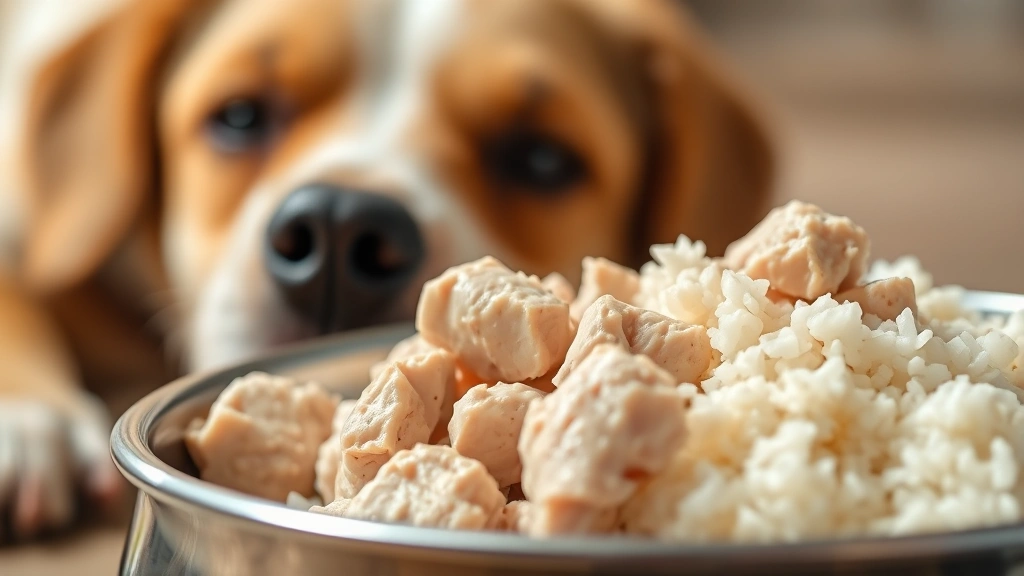
Dietary modifications: Often the first line of treatment, a bland diet of boiled chicken and white rice can calm an irritated digestive system. Proper dog care includes understanding your pet’s dietary needs, and sometimes a temporary shift to easily digestible foods is all that’s needed.
Probiotics: These beneficial bacteria support healthy gut flora and are widely recommended by veterinarians. Canine-specific probiotics are formulated to survive the dog’s acidic stomach and colonize the intestines effectively.
Pumpkin puree: Plain canned pumpkin (not pie filling) is rich in fiber and helps regulate bowel movements. It’s palatable to most dogs and completely safe.
Bone broth: Homemade or store-bought bone broth provides hydration, electrolytes, and collagen that supports digestive health. Ensure it contains no onions or garlic, which are toxic to dogs.
Slippery elm bark: This herbal supplement coats the digestive tract and has anti-inflammatory properties. Many veterinarians consider it a safer alternative to Pepto Bismol for mild digestive upset.
Prescription medications: If diarrhea persists, your veterinarian might prescribe medications specifically formulated for dogs, such as metronidazole for bacterial imbalances or other targeted treatments.
Veterinary-recommended over-the-counter products: Products like FortiFlora, a veterinary-grade probiotic, or Imodium (loperamide) under veterinary guidance are sometimes appropriate for dogs, though these also require professional recommendation.
When to See a Veterinarian
Not all episodes of diarrhea require emergency veterinary care, but several signs indicate your dog needs professional evaluation:
- Diarrhea lasting more than 24-48 hours
- Diarrhea accompanied by vomiting
- Blood or mucus in the stool
- Signs of dehydration (dry gums, lethargy, sunken eyes)
- Abdominal pain or distension
- Loss of appetite
- Fever
- Lethargy or behavioral changes
- Diarrhea in puppies, senior dogs, or dogs with existing health conditions
Your veterinarian can perform a physical examination, potentially take stool samples, and run blood work if necessary to identify the underlying cause. This diagnostic approach is far more effective than attempting to treat symptoms with over-the-counter medications.
Proper Dosage If Your Vet Approves
In rare cases, a veterinarian might determine that a very limited dose of Pepto Bismol is appropriate for a specific dog. If your vet explicitly approves its use, they will provide precise dosing instructions. Never exceed veterinary recommendations.
The typical dosage range that some veterinarians consider acceptable is approximately 0.25 to 0.5 mL per pound of body weight, given every 6-8 hours. However, this should only be administered if your veterinarian has specifically recommended it for your dog’s situation.
Important precautions if your vet approves use:
- Use only the liquid formulation unless your vet specifies otherwise
- Verify the exact product contains no alcohol or xylitol
- Do not exceed the prescribed dosage or frequency
- Do not use for more than 48 hours without veterinary reassessment
- Monitor closely for any adverse reactions
- Contact your vet immediately if symptoms worsen or new symptoms develop
Always keep your veterinarian informed about any medications or supplements you give your dog, even those available over-the-counter.
FAQ
Can I give my dog Pepto Bismol for diarrhea?
While some veterinarians might approve limited use in specific situations, Pepto Bismol is generally not recommended for dogs. The medication contains salicylates that dogs metabolize differently than humans, creating potential for toxicity. Safer alternatives exist, and it’s essential to consult your veterinarian before giving any over-the-counter medication to your dog. If diarrhea persists beyond 24-48 hours or is accompanied by other symptoms, professional veterinary evaluation is necessary.
What are the side effects of Pepto Bismol in dogs?
Potential side effects include gastrointestinal irritation, allergic reactions, salicylate toxicity symptoms (such as lethargy, vomiting, or bleeding), and interactions with other medications. Some dogs may experience darkened stools (a normal effect of bismuth) or constipation. Serious complications can include increased bleeding risk, especially in dogs with clotting disorders.
Is Pepto Bismol toxic to dogs?
Pepto Bismol isn’t immediately toxic in tiny amounts, but it carries genuine risks for dogs. The salicylate content can accumulate with repeated doses, and individual dogs vary in their sensitivity. Additionally, the medication can mask serious underlying conditions that require proper diagnosis and treatment.
What’s the safest way to treat my dog’s diarrhea at home?
Start with dietary modifications: withhold food for 12 hours, then offer a bland diet of boiled chicken and white rice. Ensure your dog has access to fresh water to prevent dehydration. Add canine-specific probiotics to support healthy gut bacteria. Plain pumpkin puree can also help regulate bowel movements. If diarrhea persists beyond 48 hours or your dog shows other symptoms, contact your veterinarian.
When should I call my vet about dog diarrhea?
Contact your veterinarian if diarrhea lasts more than 24-48 hours, is accompanied by vomiting, contains blood or mucus, or if your dog shows signs of dehydration, pain, fever, or lethargy. Puppies, senior dogs, and dogs with existing health conditions should be evaluated sooner. If you’ve already given your dog Pepto Bismol, inform your vet immediately.
Are there prescription alternatives to Pepto Bismol for dogs?
Yes. Your veterinarian can prescribe medications specifically formulated for dogs, such as metronidazole for bacterial imbalances, famotidine for acid reduction, or other targeted treatments based on the underlying cause of diarrhea. These prescription options are formulated with canine metabolism in mind and are generally safer than over-the-counter human medications.
Can I give my dog bismuth subsalicylate in any form?
No. The active ingredient in Pepto Bismol—bismuth subsalicylate—carries the same risks regardless of formulation. Tablets, liquids, and caplets all contain the problematic salicylate compounds. Always consult your veterinarian about any medication containing this ingredient before giving it to your dog.