
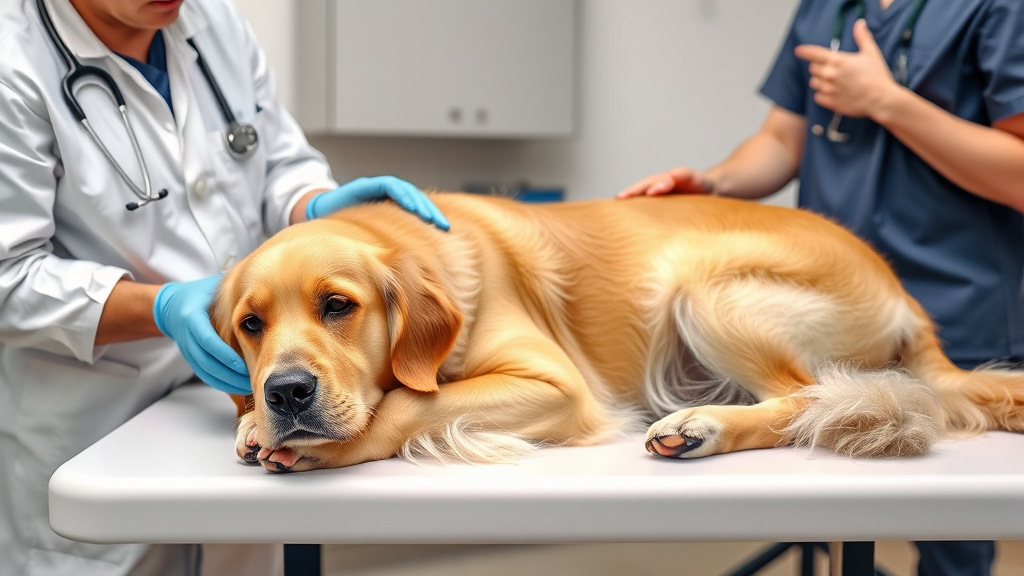
When your beloved canine companion is experiencing pain or discomfort, it’s natural to want to provide immediate relief. Many pet owners wonder if they can safely administer common human medications like Tylenol (acetaminophen) to their dogs. This question is not only understandable but also critically important for your pet’s safety and well-being.
The short answer is that Tylenol should never be given to dogs without explicit veterinary supervision. Unlike humans, dogs process medications differently, and what might be a safe dose for you could be toxic or even fatal for your furry friend. Understanding the risks, alternatives, and proper pain management strategies for dogs is essential for every responsible pet owner.
Why Tylenol is Dangerous for Dogs
Dogs lack the specific liver enzymes necessary to properly metabolize acetaminophen, the active ingredient in Tylenol. While humans can efficiently break down and eliminate this medication through their liver, dogs process it much more slowly and incompletely. This fundamental difference in metabolism makes even small doses potentially dangerous for canines.
The American Veterinary Medical Association emphasizes that acetaminophen toxicity in dogs can occur at doses as low as 75 mg per kilogram of body weight. To put this in perspective, a single regular-strength Tylenol tablet (325 mg) could be toxic to a dog weighing less than 10 pounds.
When dogs ingest acetaminophen, their bodies produce toxic metabolites that cannot be effectively neutralized. These harmful compounds accumulate in the bloodstream and tissues, leading to severe damage to vital organs, particularly the liver and red blood cells.
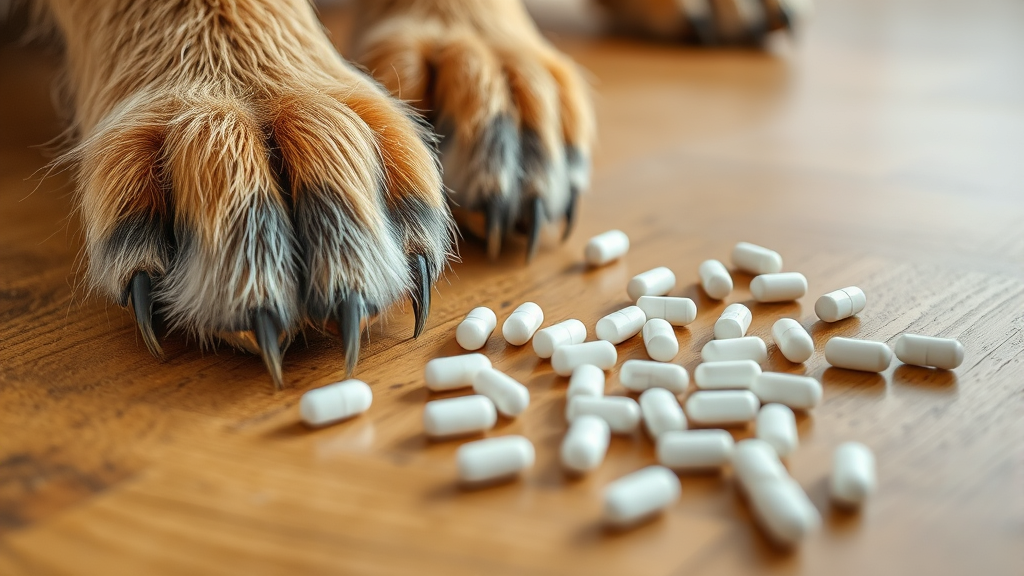
Understanding Acetaminophen Toxicity in Dogs
Acetaminophen toxicity in dogs manifests through two primary mechanisms: liver damage and methemoglobinemia. The liver damage occurs when toxic metabolites overwhelm the organ’s ability to detoxify the substance, leading to hepatocyte death and potentially fatal liver failure.
Methemoglobinemia is an equally serious condition where acetaminophen interferes with the blood’s ability to carry oxygen. The medication alters the structure of hemoglobin, creating methemoglobin, which cannot transport oxygen effectively throughout the body. This results in tissue hypoxia and can quickly become life-threatening.
The severity of toxicity depends on several factors, including the dog’s size, overall health, the amount ingested, and how quickly treatment is initiated. Smaller dogs are at higher risk due to their lower body weight, while dogs with pre-existing liver conditions face even greater dangers.
According to research published by the National Center for Biotechnology Information, acetaminophen poisoning in dogs has a mortality rate that increases significantly with delayed treatment, making immediate veterinary intervention crucial.
Signs and Symptoms of Tylenol Poisoning
Recognizing the signs of acetaminophen toxicity is crucial for dog owners. Symptoms typically appear within 1-4 hours of ingestion and can progress rapidly. Early signs include lethargy, weakness, and loss of appetite, which might be mistaken for minor illness.
As the condition progresses, more severe symptoms emerge:
- Difficulty breathing or rapid breathing
- Pale or blue-tinged gums and tongue (indicating poor oxygenation)
- Dark-colored urine
- Yellow discoloration of eyes or gums (jaundice)
- Vomiting and diarrhea
- Abdominal swelling
- Collapse or loss of consciousness
The progression from mild symptoms to severe toxicity can occur within hours, emphasizing the importance of immediate veterinary attention. Unlike some other medications where symptoms might develop gradually, acetaminophen toxicity can escalate quickly and become irreversible.
What to Do if Your Dog Ingests Tylenol
If you suspect your dog has ingested Tylenol, time is of the absolute essence. Do not wait for symptoms to appear before seeking help. Contact your veterinarian or pet poison control hotline immediately. The ASPCA Animal Poison Control Center (1-888-426-4435) provides 24/7 consultation services for pet poisoning emergencies.
While waiting for professional guidance, gather important information including the exact amount ingested, the time of ingestion, your dog’s weight, and any symptoms observed. Do not induce vomiting unless specifically instructed by a veterinary professional, as this can sometimes cause additional complications.
If directed by your veterinarian, you may need to learn how to induce vomiting safely, but this should only be done under professional supervision. The timing and method of vomiting induction are critical factors that require expert assessment.

Safe Pain Relief Alternatives for Dogs
Fortunately, there are several safe and effective alternatives for managing your dog’s pain and discomfort. The most important step is consulting with your veterinarian to determine the underlying cause of pain and the most appropriate treatment approach.
Veterinary-prescribed NSAIDs (non-steroidal anti-inflammatory drugs) specifically formulated for dogs are often the first line of treatment for pain and inflammation. These medications include carprofen, meloxicam, and firocoxib, which are designed to be safely metabolized by canine systems.
In some cases, veterinarians may recommend certain human medications that are safe for dogs when used properly. For example, many pet owners wonder about antihistamines and ask questions like can dogs have Benadryl for allergic reactions or mild discomfort. However, proper dosing is crucial, which is why understanding how much Benadryl to give is essential.
Non-pharmaceutical approaches can also be highly effective for managing canine pain:
- Physical therapy and rehabilitation
- Acupuncture and massage therapy
- Cold and heat therapy
- Weight management and exercise modification
- Nutritional supplements like glucosamine and omega-3 fatty acids
Prevention and Safety Tips
Prevention is always the best approach when it comes to protecting your dog from medication toxicity. Store all human medications in secure, dog-proof containers and locations. Many dogs are curious and may investigate pill bottles or loose medications, especially if they have an appealing scent or coating.
Educate all family members about the dangers of giving human medications to pets. Children, in particular, should understand that sharing their medicine with pets can be harmful. Create a family emergency plan that includes veterinary contact information and poison control numbers.
Be especially cautious with combination medications that contain acetaminophen alongside other active ingredients. Cold and flu medications, sleep aids, and prescription pain relievers often contain acetaminophen, even when it’s not the primary ingredient.
Consider pet-proofing your home by installing childproof locks on medicine cabinets and keeping medications in high, enclosed spaces. Remember that some dogs are excellent climbers and can access surprising locations.
When to Call Your Veterinarian
Establishing a relationship with a trusted veterinarian is crucial for your dog’s health and safety. You should contact your vet immediately if your dog shows any signs of pain, discomfort, or illness, rather than attempting to treat them with human medications.
Emergency situations that require immediate veterinary attention include any suspected ingestion of human medications, sudden onset of severe pain, difficulty breathing, pale or discolored gums, persistent vomiting, or any dramatic change in behavior or activity level.
For non-emergency situations, schedule regular wellness visits to discuss pain management strategies and preventive care. Your veterinarian can provide guidance on safe topical treatments, such as whether you can put Neosporin on a dog for minor wounds, and other aspects of canine healthcare.
The FDA’s Center for Veterinary Medicine provides valuable resources for pet owners about proper medication use and safety protocols.
Frequently Asked Questions
Can I give my dog a small piece of Tylenol for pain?
No, you should never give your dog Tylenol, even in small amounts. Dogs cannot safely process acetaminophen like humans can, and even small doses can cause serious toxicity, liver damage, and potentially death. Always consult your veterinarian for safe pain relief options specifically designed for dogs.
What should I do if my dog accidentally ate Tylenol?
Contact your veterinarian or the ASPCA Animal Poison Control Center (1-888-426-4435) immediately. Time is critical in treating acetaminophen toxicity. Do not wait for symptoms to appear, and do not induce vomiting unless specifically instructed by a veterinary professional. Gather information about the amount ingested and your dog’s weight.
How much Tylenol is toxic to dogs?
Acetaminophen toxicity can occur at doses as low as 75 mg per kilogram of body weight in dogs. For reference, a single regular-strength Tylenol tablet (325 mg) could be toxic to a dog weighing less than 10 pounds. However, any amount should be considered dangerous, and immediate veterinary attention is necessary.
What are safe pain relief alternatives for dogs?
Safe alternatives include veterinary-prescribed NSAIDs specifically formulated for dogs, such as carprofen or meloxicam. Non-pharmaceutical options include physical therapy, acupuncture, cold/heat therapy, and nutritional supplements. Some human medications like properly dosed Benadryl may be safe under veterinary guidance, but always consult your vet first.
How quickly do symptoms of Tylenol poisoning appear in dogs?
Symptoms typically appear within 1-4 hours of ingestion and can progress rapidly. Early signs include lethargy, weakness, and loss of appetite, progressing to more severe symptoms like difficulty breathing, pale or blue gums, dark urine, and jaundice. The condition can escalate quickly and become life-threatening within hours.
Can dogs recover from Tylenol poisoning?
The prognosis depends on the amount ingested, the dog’s size and health, and how quickly treatment begins. With immediate veterinary intervention, some dogs can recover completely. However, delayed treatment significantly increases the risk of permanent organ damage or death. Early treatment with activated charcoal, supportive care, and specific antidotes can improve outcomes.
Are there any human medications that are safe for dogs?
Very few human medications are considered safe for dogs, and those that are must be used under strict veterinary supervision with proper dosing. Examples might include certain antihistamines or specific topical treatments. However, what’s safe for humans is often dangerous for dogs due to differences in metabolism. Similar concerns apply to other common medications, such as questions about whether dogs can have Pepto Bismol. Always consult your veterinarian before giving any human medication to your dog.





