
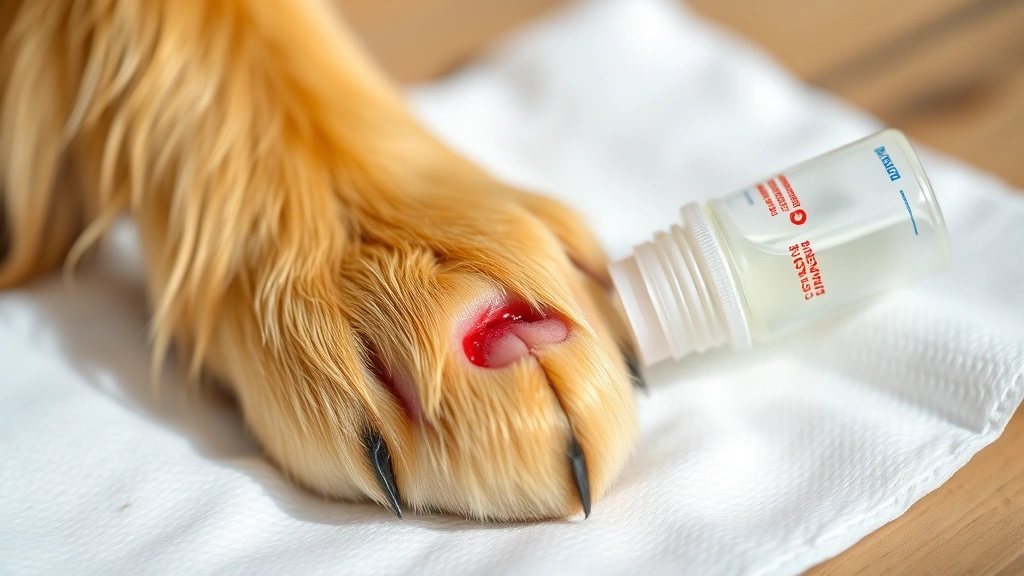
Is Antibiotic Ointment Safe for Dogs? Vet Advice
If your dog has a minor cut, scrape, or skin irritation, your first instinct might be to reach for the antibiotic ointment in your medicine cabinet. After all, if it’s safe for you, shouldn’t it be safe for your furry friend? The answer isn’t quite that straightforward. While some antibiotic ointments can be used on dogs under certain conditions, others pose serious health risks. Understanding what’s safe and what isn’t could save your dog from unnecessary complications.
As a responsible pet owner, knowing how to properly treat your dog’s minor wounds and skin issues is essential. This guide explores the safety of antibiotic ointments for dogs, which products veterinarians recommend, and when you should skip the home remedy and call your vet instead. We’ll break down the science behind these topical treatments and give you practical advice you can trust.
Can You Use Antibiotic Ointment on Dogs?
The short answer is: sometimes yes, but with caution. Certain antibiotic ointments designed for topical use can be applied to dogs’ minor wounds, but many over-the-counter products aren’t formulated with canine safety in mind. The primary concern is that dogs will lick the ointment off their skin, ingesting potentially toxic ingredients in the process.
Neosporin, the most common antibiotic ointment found in household medicine cabinets, contains three active ingredients: neomycin, polymyxin B, and bacitracin. While these antibiotics are effective at preventing bacterial infection in humans, they can cause gastrointestinal upset and allergic reactions in dogs when ingested. The inactive ingredients in many commercial ointments—including petroleum jelly, lanolin, and preservatives—can also cause digestive issues if your dog consumes them.
Veterinarians generally agree that if you absolutely must use an antibiotic ointment on your dog, plain Neosporin without pain reliever is the safest human product. However, this should only be used on very minor wounds and only if you can prevent your dog from licking it. For most situations, veterinary-approved alternatives are far superior.
Types of Antibiotic Ointments and Safety
Neosporin and Generic Antibiotic Ointments
Triple antibiotic ointments like Neosporin are widely available and inexpensive. The neomycin component can cause contact dermatitis in some dogs, especially those with sensitive skin. Additionally, if your dog has a sensitivity to certain medications that leads to diarrhea, ingesting antibiotic ointment could make the problem worse.
Antibiotic Ointments with Pain Relievers
Products like Neosporin Plus contain lidocaine for pain relief. Never use these on dogs. Lidocaine is toxic to canines and can cause neurological symptoms, tremors, and in severe cases, seizures. The same warning applies to any topical antibiotic containing benzocaine or other local anesthetics.
Veterinary-Prescribed Antibiotic Ointments
Your veterinarian can prescribe antibiotic ointments specifically formulated for dogs, such as those containing gentamicin or clindamycin. These are safer because they’re designed for animal use and come with proper dosing instructions. Your vet might also prescribe medicated wound washes or sprays that are more effective than human products.
Natural and Herbal Ointments
Some pet owners prefer natural alternatives like tea tree oil-based ointments. However, tea tree oil is toxic to dogs and should never be applied to their skin. Other plant-based products may be safer, but they’re often less effective than proven antibiotic treatments. Always check with your vet before using any herbal product.
Why Dogs Lick Wounds and Ingest Ointments
Understanding dog behavior is key to preventing accidental poisoning. Dogs lick wounds for several reasons: to clean them, to soothe pain, and out of simple curiosity. This instinctive behavior makes it nearly impossible to keep topical treatments on your dog’s skin long enough for them to work effectively.
Even if you apply ointment to your dog’s paw or leg, your pet will likely lick it off within minutes. This means any potentially harmful ingredients get ingested directly into their digestive system. Small amounts might cause mild upset stomach, but larger quantities or repeated exposure could lead to serious complications.
Some dogs are more prone to licking than others. Anxious or bored dogs may obsessively lick their wounds, making the problem worse. If your dog has a habit of over-grooming or excessive licking, gastrointestinal distress from ingested ointments could result in vomiting.

Prevention Strategies
If your vet recommends a topical treatment, ask about protective measures. An Elizabethan collar (cone) can prevent licking, though many dogs find them uncomfortable. Some vets suggest bandaging the wound or using a protective boot. For facial wounds or areas that can’t be easily covered, your vet might recommend an oral antibiotic instead.
Safe Alternatives for Dog Wound Care
Rather than reaching for human antibiotic ointment, consider these veterinarian-approved alternatives for treating your dog’s minor wounds.
Saline Wound Wash
A simple saline solution is one of the safest and most effective ways to clean a dog’s wound. You can make it at home by mixing one teaspoon of salt with one cup of distilled water, or purchase pre-made saline wound wash from pet supply stores. Gently flush the wound to remove dirt and debris, then pat dry with a clean cloth.
Chlorhexidine Solution
Veterinarians frequently recommend chlorhexidine (also called Nolvasan) for cleaning wounds. It’s a broad-spectrum antimicrobial agent that kills bacteria effectively. Unlike some human products, it’s formulated to be safe if your dog licks it. Your vet can provide the appropriate concentration for your dog’s wound.
Hydrogel Dressings
Modern wound care often involves hydrogel dressings that keep wounds moist while protecting them from contamination. These advanced dressings promote faster healing than ointments and are less likely to be licked off because they don’t taste appealing to dogs.
Oral Antibiotics
For wounds with signs of infection, your vet will likely prescribe oral antibiotics like amoxicillin or cephalexin. These systemic antibiotics are far more effective than topical treatments for serious infections and eliminate the risk of your dog ingesting harmful ointment ingredients. Make sure your dog eats properly when taking oral medications, as some antibiotics work better with food while others require an empty stomach.

Colloidal Silver
While controversial, colloidal silver has antimicrobial properties and is sometimes used in veterinary medicine. However, it’s not proven to be more effective than conventional treatments and can accumulate in the body with repeated use. Only use under veterinary guidance.
Honey-Based Wound Dressings
Medical-grade honey (like Manuka honey) has genuine antimicrobial properties and promotes healing. Some vets recommend honey-based wound dressings for dogs. Unlike regular honey, medical-grade products are sterilized and safe for wound care. However, regular honey from your pantry isn’t appropriate for open wounds.
When to See a Veterinarian
Knowing when a wound requires professional care is crucial for your dog’s health. Minor scrapes and small cuts might be treated at home with saline wash, but many situations demand veterinary attention.
Seek immediate veterinary care if:
- The wound is deep or gaping open
- Bleeding won’t stop after 10 minutes of gentle pressure
- The wound shows signs of infection: increased redness, swelling, discharge, or warmth
- Your dog is limping severely or won’t put weight on the affected limb
- The wound is on the face, eye, or genitals
- Your dog was bitten by another animal (high infection risk)
- The wound is dirty or contaminated with foreign material
- Your dog is elderly, very young, or immunocompromised
Even puncture wounds that look small on the surface can harbor deep infections. Your vet has the expertise to determine whether your dog needs stitches, antibiotics, or other treatments. They can also properly assess whether dietary adjustments might help your dog’s immune system fight infection.
Additionally, if your dog has recently ingested antibiotic ointment and is showing symptoms like vomiting, diarrhea, loss of appetite, or lethargy, contact your vet immediately. The ASPCA Animal Poison Control Center is also available 24/7 if you suspect poisoning.
Common Mistakes Pet Owners Make
Assuming Human Products Are Safe
The biggest mistake is thinking that because a product is safe for humans, it must be safe for dogs. Dogs have different metabolism rates, different skin pH levels, and different dietary needs. What works for you could harm your pet.
Using Expired Products
Old ointments can degrade and become less effective or potentially harmful. Check expiration dates and properly dispose of old medications rather than applying them to your dog.
Applying Too Much Product
More ointment doesn’t mean better healing. Excess product makes it more likely your dog will lick it off and ingest harmful amounts. Use the smallest amount necessary to cover the wound.
Skipping the Vet for Serious Wounds
Some owners try home remedies for wounds that clearly need professional attention. Waiting too long for professional care can allow infections to develop or worsen, leading to more serious complications and higher veterinary bills.
Not Preventing Licking
If you apply any topical treatment, you must take steps to prevent your dog from licking it. An Elizabethan collar isn’t fun for your dog, but it’s essential for treatment success and safety.
Using Tea Tree Oil or Other Toxic Substances
Some natural products are dangerous for dogs. Tea tree oil, essential oils, and certain herbal preparations can cause serious toxicity. Always research products before applying them to your dog’s skin.
FAQ
Can I put regular Neosporin on my dog’s wound?
In a pinch, plain Neosporin (without pain reliever) on a very minor wound your dog cannot lick is acceptable, but it’s not ideal. Veterinary-approved alternatives are safer and more effective. Never use Neosporin Plus or any version containing lidocaine, as these are toxic to dogs.
What are the signs my dog ingested antibiotic ointment?
Symptoms include vomiting, diarrhea, loss of appetite, lethargy, drooling, or abdominal pain. If you suspect your dog ingested ointment, contact your veterinarian or poison control immediately. Have the product container available to provide ingredient information.
How long does it take for a dog’s wound to heal?
Minor wounds typically heal within 1-2 weeks, while deeper wounds may take 4-6 weeks or longer. Proper wound care and preventing infection significantly speed up healing. Your vet can give you a more specific timeline based on your dog’s specific injury.
Is it okay to use antibiotic ointment on my dog’s paw pads?
Paw pads are particularly problematic because dogs constantly lick their feet. The moist environment and constant licking make topical ointments ineffective and increase ingestion risk. Ask your vet about paw balms specifically formulated for dogs or protective booties instead.
What’s the best way to clean my dog’s wound at home?
Use lukewarm saline solution (salt water) or a veterinary-approved wound wash. Gently flush the area, then pat dry with a clean cloth. Avoid harsh scrubbing that could damage tissue. If the wound is dirty or contaminated, see your vet rather than attempting home cleaning.
Can I use hydrocortisone cream on my dog?
Over-the-counter hydrocortisone cream may be used on dogs for minor itching, but only under veterinary guidance and for short periods. Never use it on open wounds or if your dog will lick it. Stronger steroid creams require prescription and professional supervision.
My dog keeps licking their wound. What should I do?
Use an Elizabethan collar to prevent licking, apply a protective bandage, or use a dog boot depending on wound location. You can also ask your vet about bitter-tasting sprays designed to discourage licking. Persistent licking suggests your dog is uncomfortable—your vet should evaluate whether additional pain management or treatment is needed.





