
Can You Use Dog Shampoo on Cats? Vet Insights on Pet Grooming Safety
If you’re a multi-pet household owner, you’ve likely wondered whether you can save money and simplify your grooming routine by using the same shampoo for both your dogs and cats. It seems logical—they’re both furry animals that need bathing, right? Unfortunately, the answer is a resounding no. Using dog shampoo on cats can cause serious skin irritation, allergic reactions, and other health complications. Veterinarians consistently advise against this practice because cats and dogs have fundamentally different skin chemistry, pH levels, and grooming needs.
This comprehensive guide explores why dog shampoo isn’t suitable for felines, what makes cat shampoo different, and how to safely groom your cat at home. Whether you’re dealing with a dirty cat or simply curious about pet care, understanding these differences will help you keep your feline friend healthy and comfortable.
Why pH Differences Matter for Cat Skin
The most critical reason you cannot use dog shampoo on cats involves pH balance. A substance’s pH level determines how acidic or alkaline it is, measured on a scale from 0 to 14, where 7 is neutral. This seemingly technical detail has enormous implications for your pet’s skin health.
Dogs have skin with a pH level between 6.2 and 7.4, which is nearly neutral to slightly alkaline. In contrast, cats have much more acidic skin, with a pH ranging from 6.0 to 6.5. This difference might seem minor numerically, but it’s actually quite significant biologically. Dog shampoos are formulated to match canine pH requirements, making them too alkaline for feline skin.
When you apply an alkaline product to a cat’s naturally acidic skin, you disrupt the protective acid mantle—a thin, slightly acidic layer that shields the skin from bacteria, fungi, and environmental irritants. This disruption weakens your cat’s natural defense system, leaving the skin vulnerable to infections and irritation. The acid mantle typically takes 24 to 48 hours to restore itself after being compromised, during which your cat is at increased risk.
Additionally, cats spend significant time grooming themselves, which means they’ll ingest any residual shampoo remaining on their fur. Using an inappropriate pH-balanced product increases the risk of gastrointestinal upset when they lick their coat. This is another reason why formulation matters tremendously for feline safety.
Cat Skin Sensitivity Explained
Beyond pH differences, cats have inherently more sensitive skin than dogs. Their skin is thinner and more delicate, with fewer oil glands than canine skin. This means cats have less natural protective oils to shield their skin from harsh chemicals and environmental stressors.
Cats also lack certain enzymes that help dogs metabolize and tolerate certain ingredients. For example, cats cannot efficiently process phenols and some essential oils that are commonly found in dog shampoos. When these substances contact feline skin or are ingested during grooming, they can cause toxic reactions ranging from mild irritation to serious poisoning.
The feline epidermis (outer skin layer) is approximately 20% thinner than dog skin. This anatomical difference means irritants penetrate more easily and cause more significant reactions. What might cause mild dryness in a dog could trigger severe dermatitis in a cat. Veterinary dermatologists emphasize this distinction when counseling pet owners about appropriate grooming products.
Furthermore, cats are more prone to developing allergic contact dermatitis. Their immune systems can become sensitized to ingredients more readily than dogs. Once a cat develops an allergy to a particular substance, even minimal exposure in the future can trigger reactions. Using dog shampoo increases the risk of establishing these problematic allergies.
Problematic Ingredients in Dog Shampoo
Many dog shampoos contain ingredients that are specifically problematic for cats. Understanding these harmful components helps explain why veterinarians are so adamant about using species-appropriate products.
Essential oils and fragrance compounds are common in dog shampoos but dangerous for cats. Ingredients like tea tree oil, eucalyptus, lavender, citrus oils, and peppermint can cause toxicity in felines. Cats lack glucuronyl transferase, an enzyme necessary to metabolize these compounds safely. Even small amounts absorbed through the skin can accumulate in the body and cause neurological symptoms, liver damage, or gastrointestinal distress.
Phenolic compounds present another serious concern. Some dog shampoos include phenol-based preservatives or active ingredients that are toxic to cats. These can cause chemical burns on the skin and systemic poisoning if absorbed or ingested during grooming.
Sulfates like sodium lauryl sulfate, commonly used in dog shampoos for their cleansing properties, are too harsh for feline skin. They strip away natural oils excessively and can cause severe dryness, flaking, and irritation. Cat shampoos typically use much gentler surfactants formulated for their delicate skin.
Artificial dyes and colorants in some dog shampoos can trigger allergic reactions in sensitive cats. These additives serve no functional purpose and increase the risk of adverse reactions. Quality cat shampoos avoid unnecessary dyes and colorants.
Insecticides and pesticides in flea and tick dog shampoos are particularly dangerous. Products containing pyrethrin, permethrin, or organophosphates can cause severe toxicity in cats. Permethrin, in particular, is highly toxic to felines and can cause seizures, tremors, and death even in small quantities. Never apply dog flea shampoos to cats under any circumstances.
Health Risks and Side Effects
Using dog shampoo on your cat can result in numerous health complications ranging from mild to severe. Recognizing these risks helps you understand why this seemingly innocent mistake could harm your feline companion.
Skin irritation and dermatitis are the most common immediate reactions. Your cat may develop red, inflamed patches, excessive itching, and discomfort. Some cats develop open sores from scratching, which can become secondarily infected with bacteria. This condition often requires veterinary treatment with topical or oral medications.
Dry skin and dandruff frequently develop after using inappropriate shampoo. The disrupted acid mantle and harsh cleansers leave the skin parched and flaky. Your cat may experience increased grooming behavior, trying to alleviate the uncomfortable dryness, which can lead to over-grooming and hair loss.
Allergic reactions can develop immediately or over time with repeated exposure. Symptoms include facial swelling, hives, difficulty breathing, or anaphylaxis in severe cases. If you notice these signs, seek emergency veterinary care immediately.
Gastrointestinal upset occurs when cats ingest shampoo residue during grooming. Symptoms include vomiting, diarrhea, loss of appetite, and abdominal discomfort. This is particularly concerning with dog shampoos containing essential oils or other toxic ingredients. If your cat shows signs of GI distress after shampooing, contact your veterinarian.
Systemic toxicity from absorbed or ingested harmful ingredients can cause serious complications. Symptoms may include lethargy, weakness, tremors, seizures, liver damage, or kidney dysfunction depending on what was absorbed. Some ingredients accumulate in the body over time, causing delayed effects.
Secondary infections often develop when the protective skin barrier is compromised. Bacteria and fungi take advantage of the damaged acid mantle, leading to bacterial pyoderma or yeast infections that require antifungal or antibiotic treatment.
If you’ve accidentally used dog shampoo on your cat, rinse thoroughly with lukewarm water and monitor closely for any signs of distress. Contact your veterinarian if your cat shows any concerning symptoms. Most mild cases resolve without intervention, but professional guidance is important if reactions develop.
Choosing the Right Cat Shampoo
When selecting a shampoo specifically formulated for cats, several factors ensure you’re choosing a safe, effective product. Quality cat shampoos are pH-balanced for feline skin, typically in the 6.0 to 6.5 range.
Look for these positive indicators:
- Explicitly labeled “formulated for cats” or “feline-specific”
- pH-balanced for cat skin (should be stated on packaging)
- Free from essential oils and phenolic compounds
- Hypoallergenic and dermatologist-tested formulations
- Gentle surfactants rather than harsh sulfates
- Free from artificial dyes and unnecessary colorants
- No insecticides unless specifically prescribed by your vet
Popular veterinary-recommended cat shampoo brands include Earthbath, Burt’s Bees for Cats, Veterinary Formula Clinical Care, and Vet’s Best. These brands prioritize safety and appropriate formulations for feline skin. However, your veterinarian may recommend specific products based on your cat’s individual skin condition or health needs.
For cats with skin conditions, medicated shampoos prescribed by your veterinarian are essential. Conditions like fungal infections, bacterial infections, or allergic dermatitis require therapeutic shampoos with active ingredients like miconazole, chlorhexidine, or salicylic acid specifically formulated for cats.
Hypoallergenic and fragrance-free options are ideal for cats with sensitive skin or known allergies. These products minimize the risk of triggering reactions and are gentler on compromised skin barriers.
Safe Cat Bathing Techniques
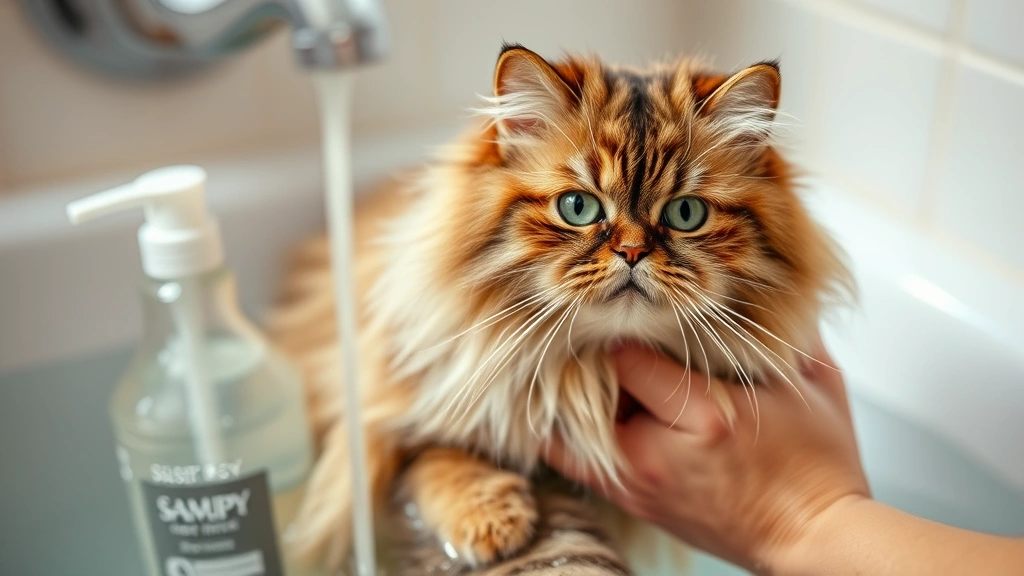
Bathing cats requires patience, preparation, and proper technique since most felines dislike water. Following these guidelines ensures a safe, stress-free experience for your cat.
Preparation is crucial:
- Gather all supplies before starting (shampoo, towels, washcloth, non-slip mat)
- Trim your cat’s nails beforehand to prevent scratching
- Brush your cat thoroughly to remove mats and tangles
- Use lukewarm water (around 85-90°F), never hot
- Have a calm environment with minimal noise and distractions
During the bath:
- Fill the tub with 2-3 inches of lukewarm water
- Gently place your cat in the water, supporting their body firmly
- Wet their body gradually, avoiding the face and ears
- Apply a small amount of cat shampoo and lather gently
- Work the shampoo into the coat with your fingertips, not nails
- Rinse thoroughly with clean, lukewarm water until all shampoo is removed
- Use a damp washcloth to gently clean the face and ears
- Never spray water directly in the face or force the head underwater
After bathing:
- Wrap your cat immediately in a soft, dry towel
- Gently pat (don’t rub) to remove excess water
- Keep your cat in a warm, draft-free room until completely dry
- Use a cat-safe hair dryer on low heat if your cat tolerates it
- Brush the coat once dry to prevent matting
- Provide treats and positive reinforcement to create positive associations
Most cats don’t require frequent bathing—typically once every 4 to 6 weeks is sufficient for healthy cats. Cats with skin conditions may need more frequent bathing with medicated shampoos as prescribed by your veterinarian. Regular brushing reduces the need for baths and helps maintain coat health.
If your cat has severe anxiety about bathing or you’re uncomfortable handling a wet cat, professional groomers who specialize in feline grooming can help. They have experience and techniques to minimize stress while ensuring proper care.
FAQ
Is it ever safe to use dog shampoo on a cat?
No, it is never safe to intentionally use dog shampoo on cats. The pH imbalance and potentially toxic ingredients make it inappropriate for feline skin regardless of the dog shampoo brand or type. Always use shampoo specifically formulated for cats.
What should I do if I accidentally used dog shampoo on my cat?
Rinse your cat thoroughly with lukewarm water to remove all shampoo residue. Monitor closely for signs of skin irritation, itching, or gastrointestinal upset over the next 24 to 48 hours. Contact your veterinarian if any concerning symptoms develop. Most accidental exposures cause only mild reactions.
Can I use human shampoo on my cat instead?
No, human shampoo is also inappropriate for cats. Human shampoos are formulated for human skin pH (around 5.5) and contain ingredients that can irritate or harm feline skin. Always use cat-specific shampoos formulated for their unique needs.
Why do cats need different shampoo than dogs?
Cats have more acidic skin (pH 6.0-6.5) compared to dogs (pH 6.2-7.4), thinner skin, fewer oil glands, and lack enzymes to metabolize certain ingredients. These differences mean cat shampoos must be specifically formulated to match feline skin chemistry and safety requirements.
How often should I bathe my cat?
Healthy cats typically need bathing once every 4 to 6 weeks. Cats with skin conditions, outdoor cats, or those with long coats may need more frequent bathing. Indoor cats often require less frequent bathing since they groom themselves effectively. Ask your veterinarian about the appropriate bathing frequency for your cat.
What are signs my cat has a reaction to shampoo?
Signs include excessive itching, red or inflamed skin, flaking or dandruff, hair loss, facial swelling, difficulty breathing, vomiting, diarrhea, or lethargy. Seek veterinary care if these symptoms develop, especially if they’re severe or persistent.
Can I make homemade shampoo for my cat?
Homemade shampoos are risky because it’s difficult to achieve the proper pH balance and ensure safety without professional knowledge. Commercial cat shampoos are formulated by veterinary dermatologists to meet feline skin requirements. If you want natural options, choose commercial products specifically labeled as natural or organic cat shampoos from reputable brands.
Are medicated cat shampoos safe?
Yes, medicated cat shampoos prescribed by your veterinarian are specifically formulated to safely treat skin conditions while being appropriate for feline skin. Never use medicated dog shampoos on cats, as they may contain toxic ingredients. Only use medicated shampoos recommended by your veterinarian.





