
Is Antibiotic Ointment Safe for Dogs? Vet Advice
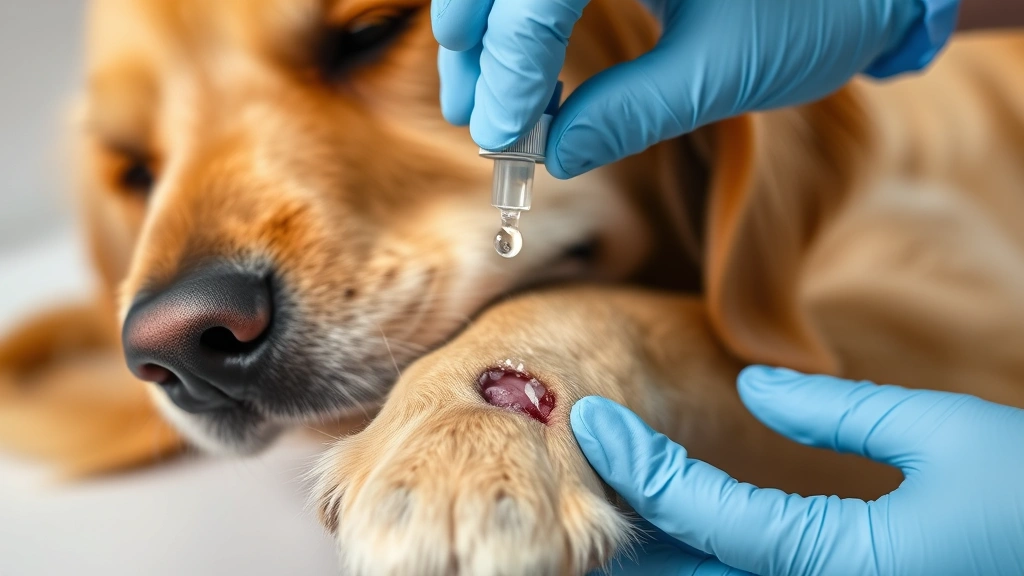
Finding a small cut or scrape on your dog’s paw or skin can be worrying, and your first instinct might be to reach for the antibiotic ointment in your medicine cabinet. But before you apply that tube of Neosporin or similar product to your furry friend’s wound, it’s important to understand whether these topical treatments are actually safe for dogs. While many antibiotic ointments are generally considered safe for dogs when used appropriately, there are important nuances, potential risks, and situations where veterinary guidance becomes essential.
Dogs explore their world with their mouths and paws, which means wounds and minor injuries are practically inevitable parts of pet ownership. The good news is that most minor cuts and scrapes heal well with basic care, and in many cases, antibiotic ointments can play a helpful role in preventing infection. However, the challenge lies in understanding which products are safe, how to apply them correctly, and when you absolutely need to contact your veterinarian instead of attempting home treatment.
Common Antibiotic Ointments and Their Safety Profile
The most commonly used antibiotic ointment is neomycin-based products like Neosporin, which combines neomycin, bacitracin, and polymyxin B. According to the American Animal Hospital Association, these ingredients are generally safe for topical use on dogs in small quantities. Neomycin works by preventing bacterial growth on the skin’s surface, making it effective for minor wounds, cuts, and scrapes.
However, not all antibiotic ointments are created equal when it comes to canine safety. Products containing hydrocortisone (a steroid) should be approached with caution, as dogs can absorb these compounds through their skin more readily than humans. Additionally, some ointments contain ingredients that may be irritating to a dog’s sensitive skin or potentially toxic if ingested in significant quantities.
Neomycin sensitivity is another consideration worth noting. Some dogs have allergic reactions to neomycin, which can manifest as redness, swelling, or itching at the application site. If your dog has a history of antibiotic sensitivities or allergies, it’s crucial to inform your veterinarian before applying any topical antibiotic.
Mupirocin is another antibiotic ointment sometimes recommended by veterinarians, particularly for bacterial skin infections. This prescription-strength option may be more appropriate for certain types of wounds, though it’s more expensive than over-the-counter alternatives. Always consult your vet before using prescription antibiotics on your dog.
Why Dogs Require Different Care Than Humans
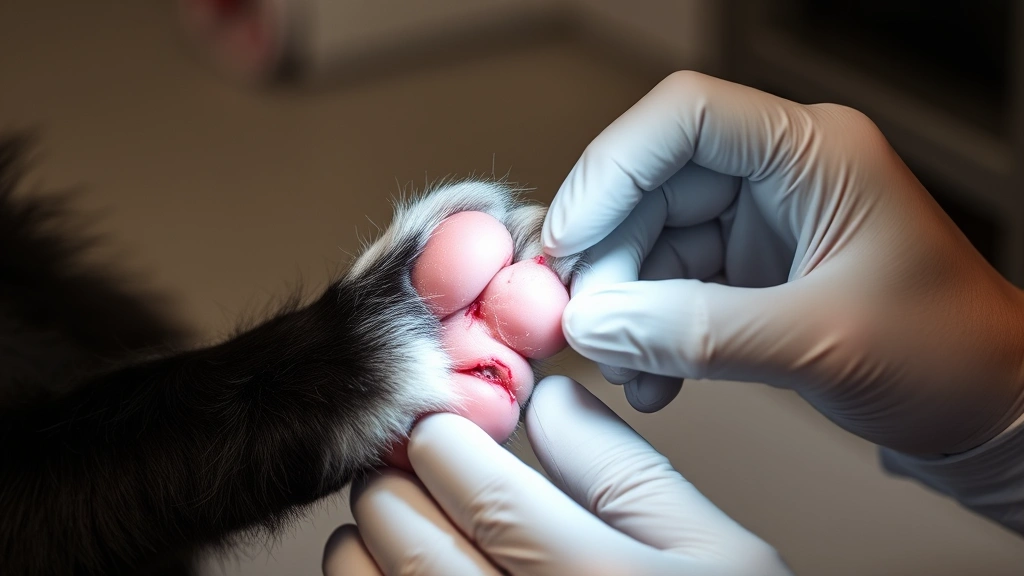
The primary difference between treating human wounds and canine wounds lies in a dog’s instinctive behavior: they lick. Dogs use their tongues to explore, comfort, and investigate injuries, which means any topical treatment you apply will likely end up in your dog’s mouth within minutes. This behavior, while natural and often beneficial for wound cleaning, creates challenges when using medicated ointments.
When dogs ingest antibiotic ointments, the risks depend on the quantity and the specific ingredients. Small amounts of neomycin-based ointments are unlikely to cause serious harm, but larger quantities can lead to gastrointestinal upset, including vomiting and diarrhea. This is why you might want to explore what to feed a dog with diarrhea if your pet ingests too much ointment.
Additionally, dogs have more permeable skin than humans, meaning they can absorb topical medications more efficiently. This increased absorption rate means that products safe for human use might reach problematic levels in a dog’s bloodstream if applied liberally or over large areas. The skin barrier function also differs, making dogs more susceptible to irritation from certain chemical compounds.
Another crucial difference involves wound healing mechanisms. Dogs’ skin heals faster than human skin in many cases, but their tendency to scratch and bite at wounds can complicate the healing process. An antibiotic ointment might help prevent infection, but it won’t stop your dog from reopening the wound through excessive licking.
Safe Application Methods for Your Dog
If your veterinarian approves using antibiotic ointment on your dog’s wound, proper application technique is essential for safety and effectiveness. First, thoroughly clean the wound with mild soap and lukewarm water, gently removing any dirt, debris, or dried blood. Pat the area dry with a clean cloth—never rub, as this can irritate the wound further.
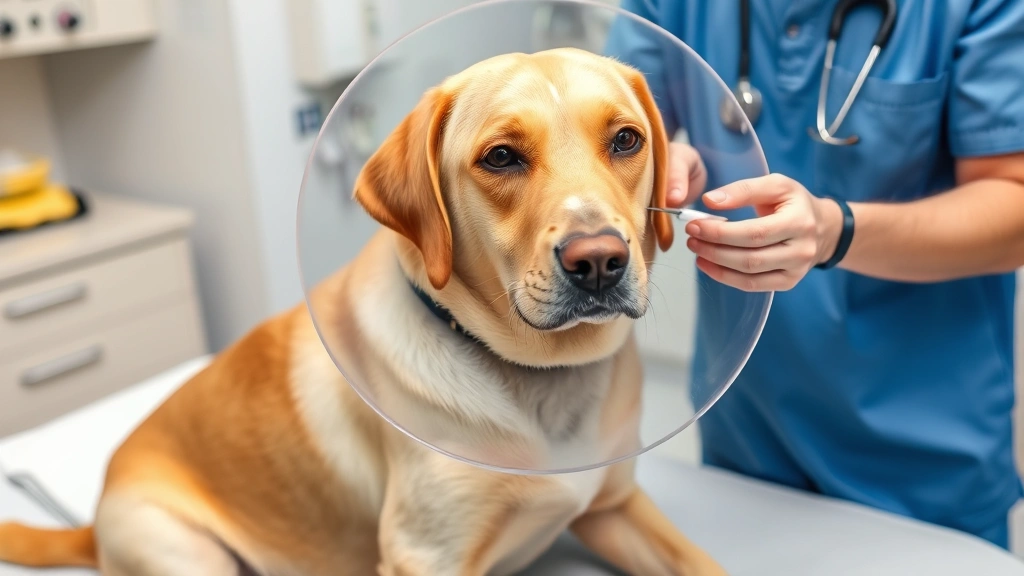
Apply a thin layer of the antibiotic ointment directly to the wound, using just enough to create a light coating. More ointment doesn’t mean better results; excess product simply increases the likelihood of your dog ingesting it during grooming. If the wound is on a paw or body area your dog can easily reach with their mouth, consider using an Elizabethan collar (cone) to prevent licking for at least 15-30 minutes while the ointment sets.
For wounds on the face, ears, or other sensitive areas, be especially cautious about product selection. These areas have thinner skin and increased blood flow, which can enhance absorption of topical medications. Some veterinarians recommend avoiding antibiotic ointments entirely on facial wounds, instead relying on gentle cleaning and close monitoring.
Reapplication frequency depends on the specific product and your vet’s recommendations, but typically antibiotic ointments should be applied 2-3 times daily for minor wounds. Always wash your hands before and after application to prevent spreading bacteria to or from the wound. If you notice any signs of allergic reaction—including increased redness, swelling, hives, or excessive scratching—discontinue use immediately and contact your veterinarian.
Keep detailed records of when you apply the ointment and any changes in the wound’s appearance. This information helps your vet assess whether the treatment is working if you need to follow up.
When to Skip the Ointment and Call Your Vet
Certain situations demand professional veterinary attention rather than home treatment with antibiotic ointments. Deep puncture wounds, lacerations that won’t stop bleeding, or injuries from bites should never be treated with over-the-counter ointments alone. These wounds often require professional cleaning, possible sutures, and potentially systemic antibiotics (oral medication) rather than topical treatments.
If your dog has signs of infection—including increasing redness, warmth, swelling, pus discharge, or a foul odor—contact your veterinarian immediately. Infected wounds may require stronger prescription antibiotics or oral medications that penetrate deeper than topical ointments can reach. Fever, lethargy, or loss of appetite accompanying a wound also warrant professional evaluation.
Dogs with compromised immune systems, those taking immunosuppressive medications, or senior dogs with underlying health conditions should have all wounds evaluated by a veterinarian. Similarly, if your dog has diabetes, allergies, or a history of poor wound healing, professional guidance is essential.
Wounds near the eyes, ears, or genitals require special care and should be assessed by a vet before applying any topical treatments. The delicate tissues in these areas can be easily damaged by inappropriate products. Additionally, if your dog has recently received other medications or treatments, check for potential interactions before applying antibiotic ointments.
Never attempt to treat burns, chemical exposures, or severe trauma with antibiotic ointment. These injuries require immediate professional emergency care. Even seemingly minor burns can be more serious than they appear and may require specialized treatment.
Natural Alternatives and Preventative Care
While antibiotic ointments can be useful, several natural approaches to wound care are worth considering. Honey, particularly medical-grade manuka honey, has well-documented antimicrobial properties and can be safely applied to minor dog wounds. The thick consistency also provides a protective barrier against contamination.
Keeping wounds clean with gentle saline solution (salt water) is one of the most effective and safest wound care approaches. Simply flushing the wound with saline 2-3 times daily can dramatically reduce infection risk without introducing any chemical compounds your dog might ingest. You can make saline at home by dissolving one teaspoon of salt in one cup of warm water.
Preventing wounds in the first place is always preferable to treating them. Regular nail trimming reduces the likelihood of your dog scratching themselves, while keeping your dog’s living environment free of sharp objects and hazards minimizes injury risk. Maintaining proper nutrition supports faster, healthier wound healing—consider consulting your vet about nutritious foods like broccoli that support overall health.
Regular grooming allows you to spot small wounds before they become infected. Checking your dog’s paws, skin, and coat during grooming sessions helps catch problems early. Keeping your dog’s immune system strong through proper diet, exercise, and preventative veterinary care reduces infection risk significantly.
For dogs prone to wounds or with sensitive skin, discuss preventative strategies with your veterinarian. Some dogs benefit from protective clothing or booties, while others may need dietary supplements that support skin and coat health. The ASPCA provides additional resources on pet wound care and prevention.
FAQ
Can I use Neosporin on my dog’s wound?
Neosporin is generally safe for dogs in small amounts on minor cuts and scrapes, provided your dog doesn’t have a known neomycin allergy. Apply only a thin layer and prevent licking with an Elizabethan collar if possible. For larger wounds or if your dog ingests significant amounts, contact your veterinarian.
What should I do if my dog licks antibiotic ointment?
Small amounts of antibiotic ointment are unlikely to cause serious harm, but monitor your dog for signs of gastrointestinal upset like vomiting or diarrhea. If your dog ingests large quantities or shows concerning symptoms, contact your vet. Consider using an Elizabethan collar to prevent licking in the future.
How long should I leave antibiotic ointment on my dog’s wound?
Antibiotic ointments should be applied 2-3 times daily for minor wounds, typically for 5-7 days or until the wound shows significant improvement. If the wound isn’t improving after a week, consult your veterinarian. Continue applications as long as your vet recommends.
Are there antibiotic ointments specifically made for dogs?
Yes, veterinary-formulated topical antibiotics like mupirocin are available through prescription. These may be safer or more effective for certain types of wounds. Ask your vet about prescription options if over-the-counter products aren’t appropriate for your dog’s situation.
When should I definitely call my vet instead of using ointment?
Contact your vet for deep puncture wounds, lacerations that won’t stop bleeding, bite wounds, signs of infection (increased redness, swelling, pus, odor), or if your dog has a compromised immune system. Wounds near the eyes, ears, or genitals also warrant professional evaluation before home treatment.
Can antibiotic ointment cause allergic reactions in dogs?
Yes, some dogs are allergic to neomycin or other antibiotic ingredients. Signs of allergic reaction include increased redness, swelling, hives, or excessive scratching at the application site. If you notice these symptoms, stop using the ointment and contact your veterinarian immediately.
Is it safe to use human antibiotic ointment on dogs?
Most human antibiotic ointments like Neosporin are safe for dogs in small amounts, but dog-specific formulations may be preferable. Never use ointments containing hydrocortisone or other steroids without veterinary approval, as dogs absorb these more readily than humans do.
How can I prevent my dog from licking their wound?
An Elizabethan collar (cone) is the most effective method for preventing licking. Leave it on for at least 15-30 minutes after applying ointment, or longer if your dog has a tendency to obsessively lick wounds. Some dogs also respond to distraction techniques like puzzle toys or supervised playtime.
What’s the best natural alternative to antibiotic ointment?
Saline solution (salt water) is one of the safest and most effective natural alternatives. Flushing wounds with saline 2-3 times daily reduces infection risk without chemical compounds. Medical-grade manuka honey is another evidence-based natural option with antimicrobial properties.
Should I cover my dog’s wound after applying ointment?
For most minor wounds, covering isn’t necessary and may trap moisture that promotes bacterial growth. However, for wounds on paws or areas prone to dirt contamination, a loose bandage may help. Change bandages daily and watch for signs of moisture buildup or infection. Consult your vet about whether covering is appropriate for your dog’s specific wound.





