
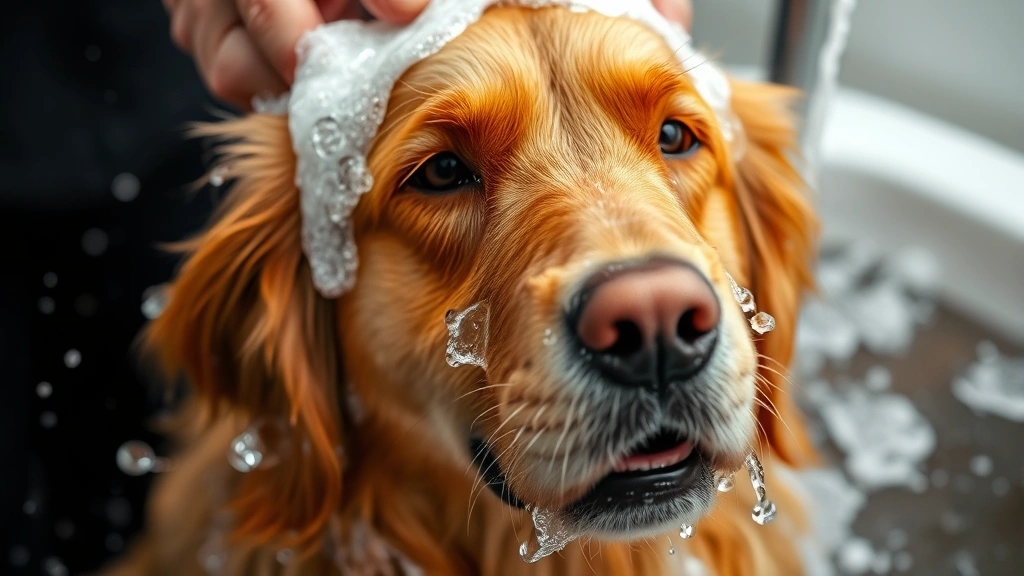
Can I Use Cat Shampoo on My Dog? Expert Advice
We’ve all been there—standing in the shower with a sudsy dog and realizing you grabbed the wrong bottle. Your feline friend’s shampoo is right there, and you’re wondering if it’s really that different from dog shampoo. After all, they’re both pets, right? Well, not exactly. The answer to whether you can use cat shampoo on your dog is more nuanced than a simple yes or no, and understanding the differences could save your pup from some serious discomfort.
The truth is, while cat shampoo won’t necessarily poison your dog in a one-time emergency situation, it’s definitely not ideal for regular use. Dogs and cats have fundamentally different skin pH levels, coat structures, and nutritional needs that are reflected in their grooming products. Using the wrong shampoo can lead to irritation, dryness, itching, and other skin problems that’ll have your furry friend scratching themselves raw.
In this comprehensive guide, we’ll explore why cat shampoo and dog shampoo are formulated so differently, what happens when dogs use feline grooming products, and what your best alternatives are when you’re in a pinch. Let’s dive into the science behind pet shampoos and help you make the best decision for your canine companion.
pH Differences Between Dogs and Cats
The most critical difference between cat and dog shampoos comes down to one simple factor: pH balance. Your dog’s skin is naturally more acidic than a cat’s, with a pH ranging from 6.2 to 7.4, while cats have a skin pH of around 6.3 to 6.8. This might seem like a small difference on paper, but it’s actually quite significant when it comes to maintaining healthy skin.
Cat shampoos are specifically formulated to work with feline skin’s pH balance, which means they’re typically less acidic than dog shampoos. When you apply cat shampoo to your dog’s skin, you’re essentially using a product that’s too alkaline for their dermatological needs. This disruption in pH balance can compromise your dog’s skin barrier, which is responsible for protecting against bacteria, allergens, and irritants.
The skin barrier is like your dog’s first line of defense against the world. When it’s compromised by using the wrong pH-balanced product, your pup becomes more susceptible to infections, dryness, and inflammation. Think of it like using the wrong cleanser on your own face—sure, it might work in a pinch, but prolonged use will leave your skin irritated and uncomfortable.
Why Shampoo Formulations Matter
Beyond pH, cat and dog shampoos differ significantly in their active ingredients and formulations. Dog shampoos are designed with the canine coat structure in mind, which is typically thicker and coarser than a cat’s fur. Dog shampoos often contain ingredients that address common canine skin conditions like allergies, parasites, and sebum buildup.
Cat shampoos, on the other hand, are formulated for the feline coat, which requires different conditioning agents and moisturizers. Many cat shampoos include ingredients that are specifically chosen to be safe if ingested during grooming, since cats spend significant time licking themselves clean. Dogs, while they do groom themselves, don’t rely on this method as heavily as cats do.
Additionally, dog shampoos often include ingredients that target specific canine health concerns. For instance, many dog shampoos contain oatmeal for sensitive skin, medicated formulas for fungal or bacterial infections, or flea and tick preventatives. Cat shampoos rarely include these ingredients because cats have different health priorities and different tolerances for certain chemicals.
When you use a product formulated for a different species, you’re not just using a different shampoo—you’re using a product whose entire chemical profile is designed for someone else’s needs. It’s like putting diesel fuel in a gasoline engine; it might run for a bit, but it’s not going to work optimally.
Risks of Using Cat Shampoo on Dogs
So what actually happens when you use cat shampoo on your dog? The risks range from minor annoyances to more serious skin complications. Let’s break down what you might encounter:
- Skin Irritation: The most common immediate effect is skin irritation. Your dog might develop redness, itching, or a rash within hours or days of being bathed with cat shampoo. This happens because the pH imbalance disrupts the skin’s natural protective barrier.
- Dryness and Flaking: Cat shampoos may leave your dog’s coat feeling dry and brittle, leading to flaking and dandruff-like symptoms. This is particularly problematic for dogs with already sensitive skin or those prone to dryness.
- Increased Itching: Many dogs experience increased itching after being washed with cat shampoo. This can lead to excessive scratching, which can break the skin and create entry points for infections.
- Fungal or Bacterial Infections: When the skin barrier is compromised, your dog becomes more susceptible to opportunistic infections. While a single bath with cat shampoo is unlikely to cause an infection, regular use could increase this risk significantly.
- Coat Quality Degradation: Over time, using the wrong shampoo can negatively impact your dog’s coat quality, making it look dull, matted, or unhealthy.
- Allergic Reactions: Some dogs may have allergic reactions to specific ingredients in cat shampoos, particularly if they have sensitive skin or known allergies.
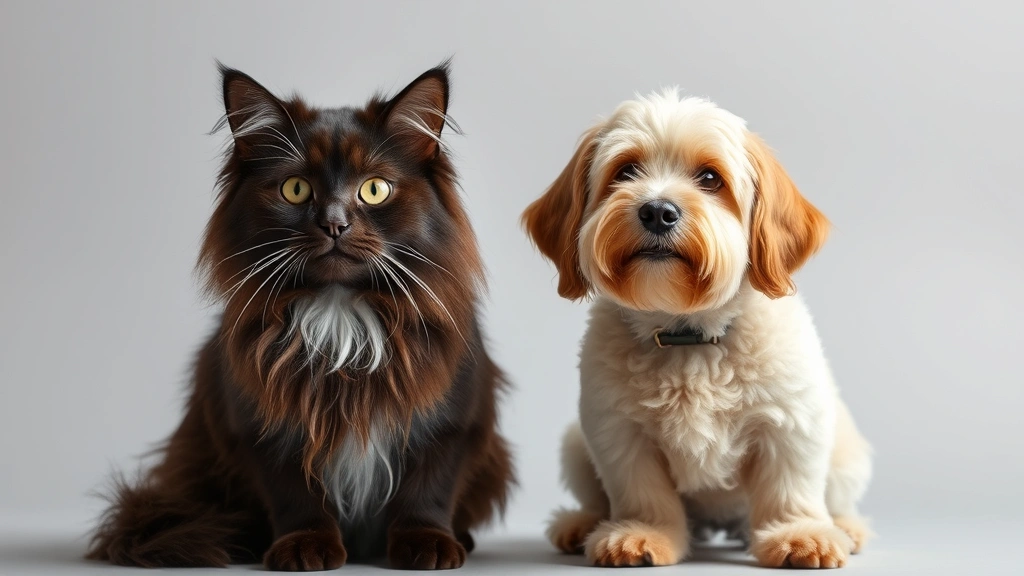
Interestingly, the reverse scenario—using dog shampoo on cats—can be equally problematic for similar reasons. Both species deserve products formulated specifically for their unique needs.
What to Do in an Emergency
Now, let’s address the real-world scenario: it’s bath time, your dog is covered in mud, and all you have is your cat’s shampoo. What do you do? First, don’t panic. A single bath with cat shampoo won’t cause permanent damage to your dog, though it’s certainly not ideal.
If you find yourself in this situation, here are the best practices:
- Use Sparingly: Use only the minimum amount of cat shampoo necessary to clean your dog’s coat. Less product means less potential for irritation.
- Rinse Thoroughly: Rinse your dog’s coat extremely well with lukewarm water. Any residue left behind can exacerbate irritation, so take extra time with this step.
- Avoid the Face: Be extra careful around your dog’s face and ears, where skin is more sensitive. If possible, avoid using the cat shampoo in these areas entirely.
- Dry Completely: After rinsing, dry your dog thoroughly. Dampness can trap bacteria and create an environment for fungal growth.
- Monitor for Reactions: Keep a close eye on your dog over the next few days. If you notice excessive itching, redness, or any signs of skin irritation, contact your veterinarian.
- Follow Up with Dog Shampoo: If possible, give your dog a proper wash with dog shampoo within a week to help restore the skin’s pH balance.
When considering alternatives to dog shampoo in emergencies, you might wonder about using baby shampoo on dogs. While baby shampoo is generally gentler than cat shampoo, it’s still not formulated specifically for canine skin and should only be used as a last resort.
Safe Alternatives to Dog Shampoo
If you find yourself without proper dog shampoo regularly, here are some safe alternatives you can use in a pinch:
Mild Human Shampoo: Plain, unscented human shampoo designed for sensitive skin is gentler than cat shampoo and closer to dog-appropriate pH levels. However, it’s still not ideal for regular use.
Oatmeal-Based Solutions: Plain colloidal oatmeal mixed with water can be used to gently cleanse your dog’s coat without harsh chemicals. This is particularly good for dogs with sensitive skin.
Coconut Oil: While not a shampoo replacement, coconut oil can be used to spot-clean your dog’s coat and provides moisturizing benefits.
Vinegar Rinse: A diluted apple cider vinegar rinse (one part vinegar to three parts water) can help restore your dog’s skin pH after an emergency wash with an inappropriate product.
When you’re ready to establish a regular bathing routine, learning how to give a dog a bath properly with the right products will make a significant difference in your dog’s skin and coat health.
For additional cleaning between baths, you might also explore whether baby wipes are safe for dogs, though specialized pet wipes are always preferable.
If you’re looking for emergency cleaning solutions that don’t involve bathing, some people turn to dry shampoos. However, it’s worth noting that just as using Dawn dish soap to wash your dog is generally not recommended for regular use due to its harsh formulation, alternative cleaning methods should be reserved for true emergencies.
Best Practices for Dog Bathing
To keep your dog’s skin and coat healthy, follow these best practices for regular bathing:
Choose the Right Shampoo: Always use a shampoo specifically formulated for dogs. Look for products that match your dog’s specific needs—sensitive skin, allergies, oily coat, dry coat, or medicated formulas for specific conditions. According to the American Kennel Club’s guidance on dog shampoos, selecting the appropriate formula is crucial for maintaining coat health.
Bathe Frequency: Most dogs only need bathing every 4-12 weeks, depending on their breed, coat type, and lifestyle. Over-bathing can strip natural oils from the coat and skin, leading to dryness and irritation.
Water Temperature: Use lukewarm water, not hot. Hot water can damage the skin barrier and cause irritation, while cold water is uncomfortable and ineffective at cleaning.
Massage, Don’t Scrub: When applying shampoo, gently massage it into the coat rather than scrubbing vigorously. This is gentler on the skin and more effective at cleaning.
Proper Rinsing: Rinse thoroughly until the water runs clear. Shampoo residue left on the skin can cause irritation and dullness in the coat.
Dry Completely: Use a towel or dog-safe blow dryer to dry your dog completely. Damp skin creates an environment where bacteria and fungi can thrive.
For comprehensive information on pet skin health, the ASPCA’s dog care resources provide excellent guidance on maintaining your dog’s overall health and hygiene.
Frequently Asked Questions
Is it ever okay to use cat shampoo on a dog?
In a true emergency, a single use of cat shampoo won’t cause permanent harm, but it’s not recommended for regular use. Always use dog-specific shampoo when possible. The pH imbalance and different formulation can lead to skin irritation and coat problems with repeated use.
What if my dog has sensitive skin?
If your dog has sensitive skin, it’s even more important to use a shampoo specifically formulated for canine sensitive skin. Avoid cat shampoo entirely, as the pH mismatch will likely cause irritation. Look for hypoallergenic dog shampoos with soothing ingredients like oatmeal or aloe vera.
Can I use human shampoo on my dog instead?
While human shampoo is less problematic than cat shampoo, it’s still not ideal. Human shampoo is typically formulated for a pH of around 5.5, which is closer to dog skin pH but still not perfect. Dog shampoo is always the better choice when available.
How often should I bathe my dog?
Most dogs benefit from bathing every 4-12 weeks, depending on their breed, coat type, activity level, and skin condition. Dogs with oily coats or skin conditions may need more frequent baths, while those with dry skin may need less frequent bathing. Ask your veterinarian for personalized recommendations based on your dog’s specific needs.
What are signs my dog has a skin problem from wrong shampoo?
Watch for excessive itching, redness, flaking, dryness, hair loss, or any unusual odor. If you notice these symptoms after bathing with an inappropriate shampoo, contact your veterinarian. They can determine if it’s a reaction to the product or if there’s an underlying skin condition.
Are there any dog breeds that shouldn’t use standard dog shampoo?
Most dogs do well with standard dog shampoo, but some breeds with specific coat types or skin conditions may benefit from specialized formulas. For example, breeds prone to dryness might need moisturizing shampoos, while those with oily coats might need clarifying formulas. Your veterinarian or a professional groomer can recommend the best option for your specific dog.
What should I do if I accidentally used cat shampoo on my dog?
Don’t worry—one bath with cat shampoo won’t cause lasting damage. Monitor your dog for any signs of irritation over the next few days. If you notice itching or redness, give your dog a bath with proper dog shampoo and contact your vet if symptoms persist. In the future, keep dog-specific shampoo on hand to avoid this situation.





