
Can Dogs Eat Blackberries? Vet-Approved Guide
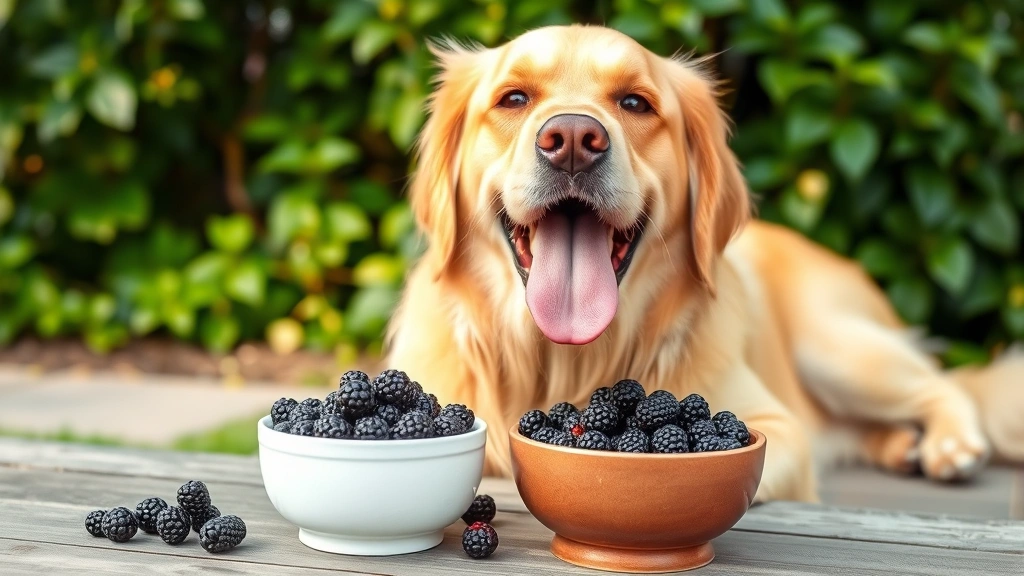
If you’re snacking on fresh blackberries and your dog gives you those irresistible puppy-dog eyes, you might wonder: can dogs eat blackberries safely? The good news is that blackberries are generally safe for dogs in moderation and can even offer some nutritional benefits. However, like all treats, there are important guidelines to follow to ensure your furry friend stays healthy and happy.
Blackberries are packed with antioxidants, fiber, and vitamins that support canine health when given appropriately. Many veterinarians approve blackberries as an occasional treat, making them a smart alternative to processed dog treats high in sugar and artificial ingredients. Understanding the proper serving sizes, potential risks, and preparation methods will help you confidently share this berry with your beloved pet.
Are Blackberries Safe for Dogs?
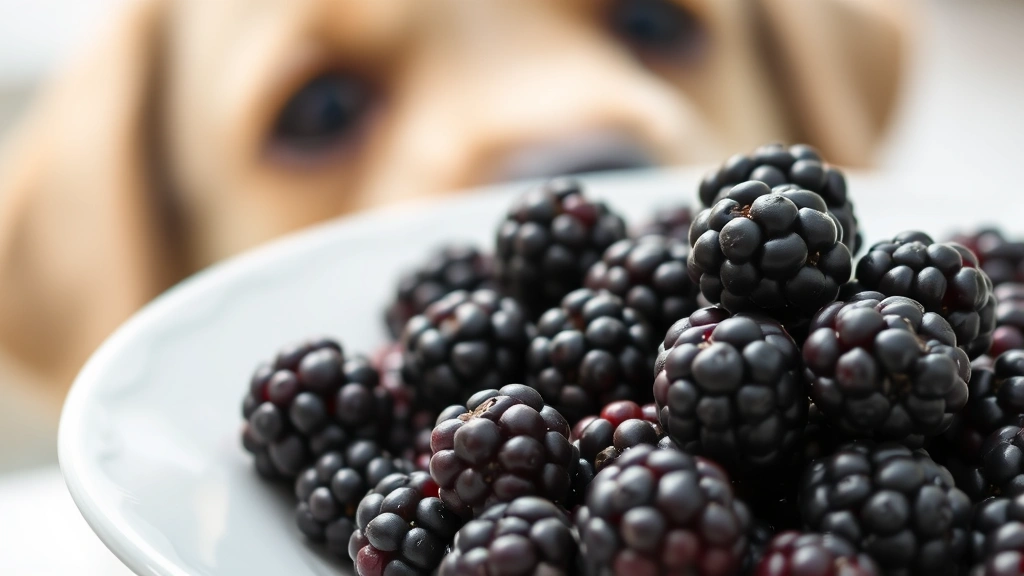
Yes, blackberries are safe for most dogs when offered in appropriate quantities. Unlike some fruits that contain toxic compounds for canines, blackberries don’t have any inherently dangerous properties. The ASPCA lists blackberries as non-toxic to dogs, making them a worry-free treat option for responsible pet owners.
Your dog’s digestive system can handle blackberries without issue, provided they’re given occasionally and in moderation. The berry’s natural composition—primarily water and fiber—makes it gentle on canine stomachs. However, individual dogs may respond differently based on their age, size, health status, and existing dietary sensitivities.
Before introducing blackberries to your dog’s diet, consider your pet’s specific health profile. Senior dogs, puppies, and dogs with pre-existing gastrointestinal conditions may need special consideration. If your dog has never eaten blackberries before, start with a single berry to observe for any adverse reactions.

Nutritional Benefits of Blackberries
Blackberries offer impressive nutritional value that extends beyond simple treats. These little powerhouses contain vitamins, minerals, and phytonutrients that support overall canine wellness:
- Antioxidants: Blackberries are rich in anthocyanins and other antioxidants that help combat free radicals and support cellular health in dogs, potentially reducing inflammation and supporting immune function.
- Vitamin C: This essential nutrient supports immune system function and collagen production, helping maintain healthy skin and coat in your dog.
- Vitamin K: Critical for blood clotting and bone metabolism, vitamin K helps ensure proper physiological function in dogs of all ages.
- Fiber: The dietary fiber in blackberries promotes healthy digestion and can help maintain regular bowel movements, supporting gut health.
- Manganese: This mineral plays a role in bone development, metabolism, and immune response in canines.
Research published in veterinary nutrition journals indicates that antioxidant-rich foods can support cognitive function in aging dogs. This makes blackberries particularly interesting for senior dogs experiencing age-related mental decline. The low calorie content—approximately 43 calories per 100 grams—makes blackberries an excellent treat choice for weight-conscious pets.
Serving Guidelines and Portion Control
Proper portion control is crucial when feeding blackberries to your dog. The general rule veterinarians recommend is that treats should constitute no more than 10% of your dog’s daily caloric intake, with the remaining 90% coming from balanced commercial dog food or veterinarian-approved diets.
For most dogs, serving guidelines look like this:
- Small dogs (under 10 lbs): 1-2 blackberries per serving, once or twice weekly
- Medium dogs (10-25 lbs): 3-5 blackberries per serving, once or twice weekly
- Large dogs (25-50 lbs): 5-8 blackberries per serving, once or twice weekly
- Giant dogs (over 50 lbs): 8-12 blackberries per serving, once or twice weekly
These serving sizes ensure your dog receives the nutritional benefits of blackberries without consuming excessive fiber or natural sugars. Remember that blackberries should supplement, never replace, your dog’s primary nutrition. Always introduce new foods gradually and monitor your pet’s response over several days.
Pro tip: Freeze blackberries for a refreshing summer treat that can help soothe sore gums in teething puppies. Frozen berries also make the treat last longer, providing extended enjoyment for your dog.
How to Prepare Blackberries for Dogs
Proper preparation ensures maximum safety and nutritional value when serving blackberries to your canine companion. Follow these evidence-based preparation methods:
Fresh Blackberries: Rinse thoroughly under cool running water to remove dirt, pesticides, and potential contaminants. If possible, purchase organic blackberries to minimize pesticide exposure. Pat dry with a paper towel before serving to your dog. Whole fresh blackberries are ideal for dogs with healthy teeth and normal chewing ability.
Frozen Blackberries: Wash fresh berries, pat dry, and freeze individually on a baking sheet before transferring to freezer bags. This method prevents clumping and allows portion control. Frozen berries are excellent for dogs prone to overheating or for creating enrichment activities. Never use blackberries frozen in sugar syrup or sweetened preparations.
Mashed Blackberries: For senior dogs with dental issues or puppies with developing teeth, mash blackberries with a fork. You can mix mashed berries into their regular food or serve as a standalone treat. This preparation increases digestibility and reduces choking risk.
Blackberry and Yogurt Treats: Combine plain, unsweetened yogurt with mashed blackberries and freeze in ice cube trays for homemade frozen treats. Ensure the yogurt contains no artificial sweeteners, particularly xylitol, which is toxic to dogs.
Never cook or heat blackberries with added sugars, spices, or sweeteners. These additions can introduce harmful ingredients and unnecessary calories into your dog’s diet.
Potential Risks and Precautions
While blackberries are generally safe, certain situations warrant caution and veterinary consultation:
Choking Hazard: Whole blackberries can present a choking risk for small dogs, brachycephalic breeds (flat-faced dogs), or dogs who gulp food without chewing. Supervise your dog while eating blackberries, and consider mashing them for at-risk breeds.
Digestive Upset: Excessive fiber consumption can cause diarrhea or constipation in sensitive dogs. If your dog experiences digestive issues after eating blackberries, discontinue them and consult your veterinarian. Dogs with existing gastrointestinal conditions may need to avoid blackberries entirely—consult guidance on managing dog diarrhea if problems develop.
Pesticide Exposure: Non-organic blackberries may contain pesticide residues. While small amounts are unlikely to cause harm, purchasing organic berries when possible reduces exposure to potentially harmful chemicals.
Sugar Content: Although natural sugars in blackberries are minimal compared to other fruits, dogs with diabetes or obesity should consume them sparingly or avoid them entirely. Always discuss new foods with your veterinarian if your dog has metabolic conditions.
Seed Concerns: Blackberry seeds are small enough to pass through the digestive tract without issue in most dogs. However, some dogs may experience mild gastrointestinal upset from the seeds. Monitor your dog’s response after the first serving.
Medication Interactions: Blackberries contain compounds that may interact with certain medications. If your dog takes prescription medications, particularly blood thinners or diabetes medications, consult your veterinarian before introducing blackberries.
Healthy Blackberry Alternatives
If blackberries don’t work for your dog or you want variety in treat offerings, consider these similarly safe and nutritious alternatives:
- Blueberries: Even higher in antioxidants than blackberries, blueberries are small, naturally portioned treats perfect for training rewards.
- Raspberries: Similar nutritional profile to blackberries with slightly less sugar content, making them excellent for weight-conscious dogs.
- Strawberries: Rich in vitamin C and lower in fiber, strawberries provide variety while remaining gentle on sensitive digestive systems.
- Watermelon: Hydrating and low-calorie, watermelon (without seeds) makes an excellent summer treat for overheating dogs.
- Apples: High in fiber and vitamin C, apples support dental health through natural chewing. Remove seeds, which contain small amounts of cyanide compounds.
- Carrots: Non-toxic, low-calorie, and beneficial for dental health, carrots provide satisfying crunch and natural sweetness.
- Pumpkin: Plain cooked pumpkin supports digestive health and provides natural sweetness dogs enjoy.
When introducing any new food, follow the same gradual introduction protocol used for blackberries. Start with small amounts and observe your dog for 24-48 hours before increasing portions.
FAQ
Can puppies eat blackberries?
Yes, puppies can eat blackberries in very small quantities once they’re eating solid food (typically after 4 weeks of age). Start with just one mashed blackberry to ensure no adverse reactions. Puppies have developing digestive systems, so introduce new foods more cautiously than with adult dogs. Always consult your veterinarian before adding new foods to your puppy’s diet.
Are blackberry leaves toxic to dogs?
Blackberry leaves are not toxic to dogs, though they’re not particularly nutritious either. The leaves contain some of the same compounds as the berries but in lower concentrations. Most dogs show little interest in leaves, but there’s no harm if they accidentally ingest small amounts while eating berries directly from bushes.
Can dogs eat blackberry jam or preserves?
No, dogs should never eat blackberry jam or preserves. Commercial jams contain added sugars, which can contribute to obesity, dental disease, and diabetes in dogs. Some preserves contain xylitol, an artificial sweetener that’s extremely toxic to dogs even in small amounts. Stick to fresh or frozen plain blackberries only.
What should I do if my dog eats too many blackberries?
If your dog consumes excessive blackberries, monitor for signs of digestive upset including vomiting, diarrhea, or constipation. In most cases, mild gastrointestinal upset resolves independently within 24 hours. Ensure your dog has access to fresh water and their regular food. If symptoms persist beyond 24 hours or worsen, contact your veterinarian. If your dog ingests blackberries along with other concerning substances, learn how to make a dog vomit and contact poison control immediately.
Can dogs with allergies eat blackberries?
Most dogs with food allergies can eat blackberries since berry allergies are uncommon in dogs. However, if your dog has multiple food sensitivities, introduce blackberries cautiously. Watch for signs of allergic reactions including itching, swelling, or gastrointestinal upset. Some dogs may react to pesticides on non-organic berries rather than the berries themselves. Try organic blackberries if your allergic dog shows reactions to conventional berries.
Are blackberries good for dogs with seizures?
Blackberries themselves don’t cause or prevent seizures in dogs. However, the antioxidants in blackberries may provide general neurological support. If your dog has a history of seizures, consult your veterinarian before introducing any new foods. Learn more about what to do if your dog has a seizure and what a dog seizure looks like to better understand your pet’s condition.
How often can I give my dog blackberries?
Most healthy dogs can safely eat blackberries once or twice weekly in appropriate portion sizes. This frequency allows your dog to benefit from their nutritional properties without excessive fiber or sugar intake. Dogs with sensitive digestive systems may tolerate blackberries less frequently. Individual tolerance varies, so adjust frequency based on your dog’s response.
Can senior dogs eat blackberries?
Yes, senior dogs can benefit from blackberries due to their antioxidant content, which supports cognitive function and overall health in aging canines. Senior dogs may benefit from mashed blackberries rather than whole berries if dental issues are present. Start with very small portions and monitor for digestive sensitivity, as older dogs sometimes develop food intolerances they didn’t have when younger.





