

Can Neosporin Be Used on Dogs? A Comprehensive Safety Guide
As a pet owner, you want to do everything right when your furry friend gets a minor cut, scrape, or wound. Your instinct might be to reach for that trusty tube of Neosporin from your medicine cabinet—after all, it’s worked wonders on your own minor injuries. But before you apply that antibiotic ointment to your dog’s skin, it’s important to understand whether this common household remedy is actually safe for our canine companions.
The question of whether can Neosporin be used on dogs is more nuanced than a simple yes or no. While Neosporin isn’t necessarily toxic to dogs, there are important considerations and safer alternatives that veterinarians often recommend. Understanding the risks, benefits, and proper application methods can help you make informed decisions about your dog’s wound care.
In this comprehensive guide, we’ll explore everything you need to know about using Neosporin on dogs, from the active ingredients to potential side effects, and most importantly, when you should seek professional veterinary care instead.
What Is Neosporin and How Does It Work?
Neosporin is an over-the-counter topical antibiotic ointment that has been a staple in medicine cabinets for decades. The original formulation contains three active ingredients: neomycin, polymyxin B, and bacitracin. Each of these antibiotics works by disrupting bacterial cell walls and preventing bacterial growth on minor cuts, scrapes, and abrasions.
The ointment also typically contains petroleum jelly as a base, which helps seal moisture into the wound and creates a protective barrier against dirt and bacteria. This combination has made Neosporin an effective first-aid treatment for minor human wounds, but the question remains: does this effectiveness translate to our four-legged friends?
Understanding the composition is crucial because different formulations exist. Some versions of Neosporin include additional ingredients like pain relievers (such as pramoxine), which can change the safety profile for dogs. Always check the label before considering any application to your pet’s skin.
Is Neosporin Safe for Dogs?
The straightforward answer is: it depends. When applied topically in small amounts to minor wounds, traditional Neosporin is generally considered relatively safe for dogs. The three antibiotic components—neomycin, polymyxin B, and bacitracin—are not inherently toxic to canines at the doses found in topical ointments.
However, “safe” doesn’t mean “ideal” or “recommended.” Veterinarians often express caution about pet owners self-treating wounds with human medications, even when those medications aren’t toxic. The concern isn’t necessarily that Neosporin will poison your dog, but rather that it may not be the best choice for canine skin and wound care.
When asking is Neosporin safe for dogs, you’re really asking whether the benefits outweigh the potential drawbacks. Many veterinarians suggest that there are better, more targeted options specifically formulated for dogs that provide superior wound healing benefits without the same concerns.
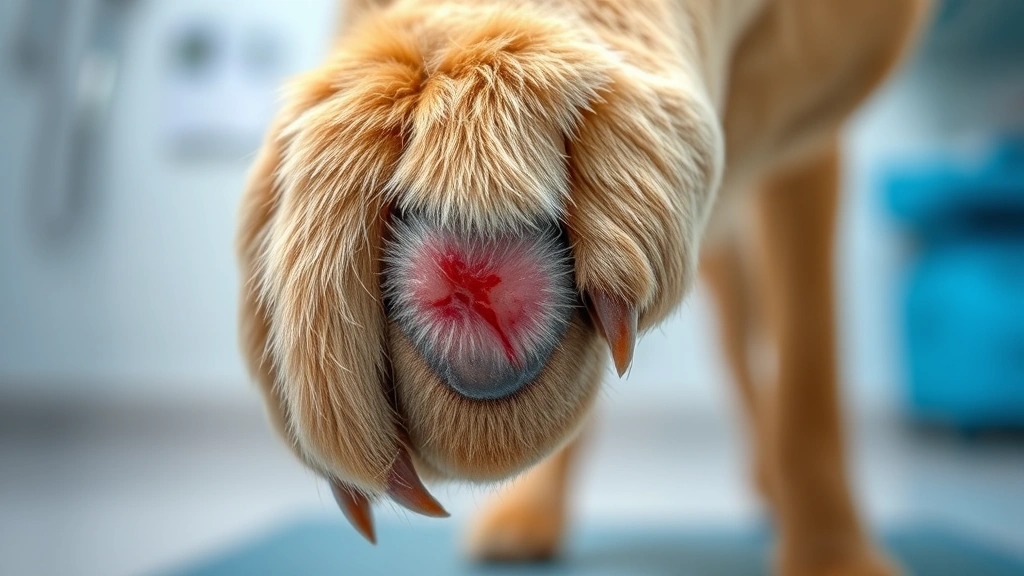
Potential Risks and Concerns
While Neosporin isn’t toxic in small amounts, several concerns make veterinarians hesitant to recommend it for dogs:
- Ingestion Risk: Dogs naturally lick their wounds and paws. When you apply Neosporin to an area your dog can reach with their tongue, there’s a significant chance they’ll ingest it. While small amounts aren’t typically dangerous, ingesting larger quantities can cause gastrointestinal upset, including vomiting and diarrhea. Some dogs may experience more severe reactions depending on their sensitivity.
- Skin Irritation: Dogs have more sensitive skin than humans, with a different pH balance. What’s gentle enough for human skin might irritate your dog’s epidermis. Some dogs may develop contact dermatitis or allergic reactions to one or more of Neosporin’s ingredients, particularly neomycin, which is a known allergen in some pets.
- Neomycin Sensitivity: Neomycin is the ingredient most likely to cause allergic reactions in dogs. Studies have shown that roughly 1-5% of the population (both human and canine) can develop contact allergies to neomycin. If your dog has sensitive skin or a history of allergies, this is an important consideration.
- Antibiotic Resistance: Overuse of topical antibiotics contributes to the development of antibiotic-resistant bacteria. Using Neosporin when it’s not necessary or when a wound doesn’t warrant antibiotics can contribute to this growing public health concern.
- Unnecessary for Minor Wounds: Most minor cuts and scrapes don’t actually require antibiotic treatment. Proper cleaning and keeping the wound dry is often sufficient for healing. Using antibiotics when they’re not needed provides no additional benefit and increases the risk of side effects.
- Formulation Concerns: If your Neosporin contains pain relievers like pramoxine or other additives, the safety profile changes. These additional ingredients may carry different risks for dogs and should definitely be avoided.

When Can You Use Neosporin on Dogs?
If you’re wondering can you put Neosporin on a dog, the answer in specific situations is yes, but it requires careful consideration. There are limited scenarios where traditional Neosporin (without added pain relievers) might be appropriate for dogs:
- Very Minor Superficial Wounds: Small cuts or scrapes that are barely bleeding and show no signs of infection might be candidates for Neosporin application, though it’s still not the first choice.
- Areas Dogs Cannot Lick: If you can apply Neosporin to a wound area that your dog genuinely cannot reach with their tongue—such as their back or shoulder when you can monitor them closely—the ingestion risk decreases significantly.
- After Proper Wound Cleaning: Only consider Neosporin after you’ve thoroughly cleaned the wound with gentle soap and water to remove dirt, debris, and bacteria.
- As a Temporary Measure: If Neosporin is all you have available and you’re unable to reach a veterinary clinic for several hours, it’s better than leaving a wound untreated. However, this should be a temporary solution only.
Even in these situations, veterinarians typically recommend that you consult with your vet before application, especially if your dog has any history of skin sensitivities or allergies.
How to Safely Apply Neosporin to Dogs
If you’ve decided with your veterinarian’s approval that Neosporin is appropriate for your dog’s specific situation, here’s how to apply it safely:
- Clean the Wound First: Gently wash the area with cool water and mild soap. Pat dry completely with a clean cloth. This removes dirt and bacteria that could complicate healing.
- Use a Minimal Amount: Apply only a thin layer of Neosporin to the wound. You don’t need much—a small dab is sufficient. More product increases the chance your dog will ingest it through licking.
- Avoid the Eyes, Ears, and Mouth: Never apply Neosporin near these sensitive areas unless specifically directed by your veterinarian. These areas have different tissue types and higher absorption rates.
- Consider a Barrier: If possible, cover the treated area with a bandage or cloth to prevent your dog from licking it off. Alternatively, use a cone (Elizabethan collar) to prevent access to the wound for at least a few hours.
- Monitor Your Dog: Watch for signs of irritation, increased licking, or other concerning behaviors. If your dog seems to be having a reaction, wash off the ointment immediately and contact your veterinarian.
- Limit Application Frequency: Don’t apply Neosporin multiple times daily. Once daily is typically the maximum, and even then, only for a few days.
- Know When to Stop: If the wound isn’t showing signs of improvement within 3-5 days, or if it appears to be getting worse, discontinue use and seek veterinary care.
Safer Alternatives for Dog Wound Care
Rather than reaching for Neosporin, consider these safer, dog-specific alternatives:
Veterinary-Formulated Products: Many pharmaceutical companies make antibiotic ointments specifically formulated for dogs. These are designed with canine skin pH in mind and often contain fewer allergens. Your veterinarian can recommend products like Vetericyn or other vet-approved wound care solutions.
Chlorhexidine Solution: This antimicrobial solution is commonly recommended by veterinarians for wound cleaning and care. It’s effective against bacteria and is formulated to be safe for dogs. Many vets suggest using this for initial wound cleaning.
Honey-Based Wound Care: Medical-grade honey has antimicrobial properties and promotes healing. Products like Manuka honey are increasingly recommended in veterinary medicine for minor wounds. These are particularly useful when you’re concerned about how to heal a dog wound fast at home.
Simple Saline Rinse: For most minor wounds, simply rinsing with saline solution and keeping the area clean is often sufficient. Your dog’s immune system is quite capable of handling minor injuries without pharmaceutical intervention.
Antibiotic-Free Barrier Ointments: Some products provide a protective barrier without antibiotics. These can seal out dirt and bacteria while allowing the wound to breathe and heal naturally.
When your dog has specific skin issues like what causes hot spots on dogs, you’ll definitely want veterinary-specific treatments rather than over-the-counter human products.
When to Call Your Veterinarian
Certain situations absolutely require professional veterinary care and should never be treated at home with Neosporin or any other over-the-counter product:
- Deep wounds or wounds with significant bleeding that doesn’t stop after 10 minutes of gentle pressure
- Wounds caused by animal bites, which carry high infection risk
- Puncture wounds, which can trap bacteria deep in tissue
- Wounds that show signs of infection, including swelling, redness, warmth, discharge, or foul odor
- Wounds near the eyes, ears, mouth, or genitals
- Wounds that won’t stop bleeding or continue to bleed heavily
- Any wound that seems to be worsening rather than improving
- If your dog is showing signs of pain, fever, or lethargy
- Wounds caused by stepping on something sharp or dirty
- If you’re unsure whether the wound needs professional evaluation
When in doubt, call your veterinarian. They can assess the wound properly, determine if sutures or other treatments are necessary, and recommend the best course of action. Professional evaluation is especially important if you’re wondering can I put Neosporin on my dog because of a specific wound or skin condition.
Frequently Asked Questions
Is Neosporin toxic to dogs if ingested?
Small amounts of Neosporin are not typically toxic to dogs. However, ingesting larger quantities can cause gastrointestinal upset including vomiting, diarrhea, and abdominal discomfort. If your dog ingests a significant amount, contact your veterinarian or poison control immediately. The main concern is preventing ingestion rather than treating toxicity.
Can I use Neosporin on my dog’s paws?
Paws are one of the worst places to apply Neosporin because dogs are constantly licking their paws. This dramatically increases the chance of ingestion. Additionally, paw wounds are prone to infection due to their constant contact with dirt and bacteria. A veterinarian-approved paw wound treatment is much better than Neosporin.
What’s the difference between Neosporin and Neosporin Plus?
Neosporin Plus contains an added pain reliever (pramoxine), making it even less suitable for dogs. Never use Neosporin Plus on your dog. Stick to the original triple-antibiotic formulation if you must use it, and even then, consult your vet first.
How long can I safely apply Neosporin to my dog?
If your veterinarian has approved Neosporin use, limit application to no more than 3-5 days. Prolonged use increases the risk of allergic reactions and isn’t necessary for minor wound healing. If the wound hasn’t improved within this timeframe, seek veterinary care.
Will Neosporin hurt my dog if used occasionally?
Occasional use of small amounts of traditional Neosporin on minor wounds is unlikely to cause serious harm to most dogs. However, “unlikely” doesn’t mean risk-free, and there are genuinely better alternatives available. Veterinary-formulated products are designed for canine use and carry fewer risks.
Can I use Neosporin on my dog’s ears?
No. Ear tissue is delicate and has a different structure than skin. Never put Neosporin in or around your dog’s ears. For ear issues, consult your veterinarian. If you’re concerned about ear health, learn about how to clean a dog’s ears using vet-approved methods.
What should I do if my dog has a reaction to Neosporin?
If your dog develops redness, swelling, itching, or any other adverse reaction after Neosporin application, wash off the ointment immediately with cool water and mild soap. Contact your veterinarian, especially if the reaction seems severe. Your vet may recommend antihistamines or other treatment depending on the severity of the reaction.
Is there anything safer than Neosporin for dogs?
Yes, absolutely. Many options are safer and more effective for dogs, including veterinary-formulated wound care products, chlorhexidine solution, medical-grade honey, and simple saline rinses. Your veterinarian can recommend the best option based on your dog’s specific wound and health history.
Can puppies use Neosporin?
Puppies have even more sensitive skin than adult dogs and are more likely to lick wounds. Neosporin is generally not recommended for puppies. If your puppy has a wound, consult your veterinarian for age-appropriate treatment options.
Should I use Neosporin before or after a vet visit?
If you’re planning to see a veterinarian about a wound, it’s actually better not to apply anything beforehand. This allows your vet to properly assess the wound without any products interfering. If several hours will pass before the appointment, simply keep the area clean and dry. Contact your vet’s office for specific guidance based on the wound type.





