

When it comes to protecting our beloved senior dogs, many pet owners wonder about their vulnerability to serious diseases like parvovirus. The question “can older dogs get parvo” is more common than you might think, and the answer might surprise you. While parvovirus is often associated with puppies, senior dogs are not immune to this potentially deadly disease, making prevention and awareness crucial for older canines.
Senior dogs face unique health challenges as their immune systems naturally weaken with age. This makes them more susceptible to various infections, including parvovirus, which can be devastating for dogs of any age. Understanding how to protect your aging companion from parvo requires knowledge of the disease, recognition of risk factors, and implementation of proper preventive measures tailored to senior dogs’ specific needs.
Understanding Parvovirus in Senior Dogs
Parvovirus, commonly known as parvo, is a highly contagious viral infection that primarily affects the gastrointestinal system and can severely compromise a dog’s immune system. While puppies between 6 weeks and 6 months old are most susceptible, senior dogs can indeed contract this serious disease. The American Veterinary Medical Association confirms that unvaccinated dogs of any age remain vulnerable to parvovirus infection.
The virus attacks rapidly dividing cells, particularly those in the intestinal tract, bone marrow, and lymphoid tissue. In senior dogs, this can be especially problematic because their bodies may not respond as quickly or effectively to treatment as younger dogs. The disease manifests through severe symptoms including bloody diarrhea, vomiting, lethargy, and rapid dehydration, which can be life-threatening without immediate veterinary intervention.
What makes parvovirus particularly dangerous is its incredible resilience in the environment. The virus can survive in soil, on surfaces, and in contaminated areas for months or even years, making exposure a constant risk for unprotected dogs. Senior dogs who spend time outdoors, visit dog parks, or interact with other animals face ongoing exposure risks that require careful management and protection strategies.
Risk Factors for Older Dogs
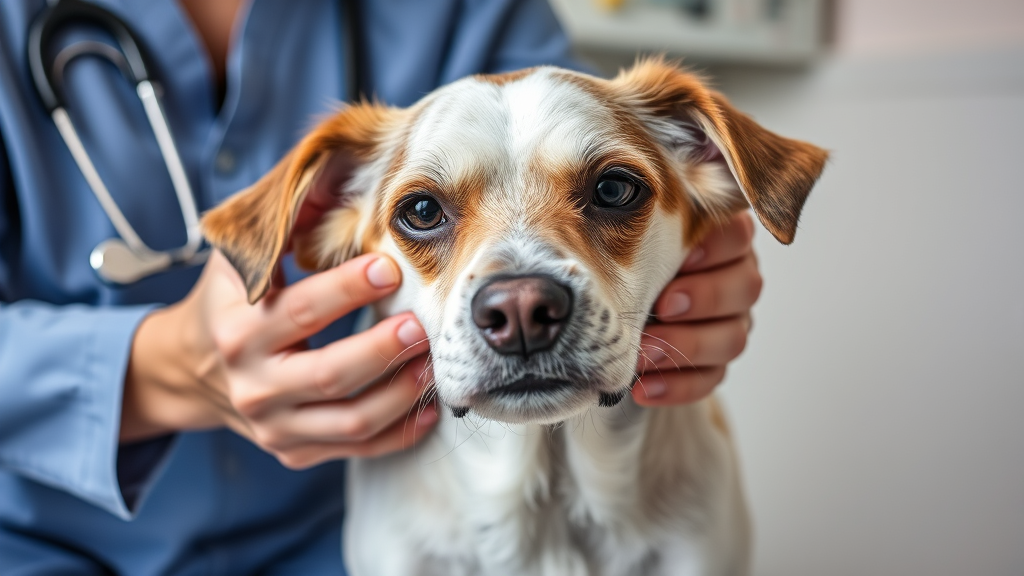
Senior dogs face several unique risk factors that can increase their susceptibility to parvovirus infection. Age-related immune system decline, known as immunosenescence, is the primary concern. As dogs age, their immune response becomes less robust, making it harder for their bodies to fight off infections effectively. This natural aging process means that even previously vaccinated senior dogs may have waning immunity that requires attention.
Chronic health conditions common in older dogs can further compromise their ability to resist parvovirus. Dogs with diabetes, kidney disease, heart conditions, or cancer may have weakened immune systems that struggle to mount an adequate defense against viral infections. Additionally, medications used to treat these conditions, particularly immunosuppressive drugs, can further reduce the dog’s natural disease resistance.
Stress factors also play a significant role in senior dog vulnerability. Changes in routine, moving to new environments, boarding situations, or the loss of companion animals can create stress that temporarily suppresses immune function. Senior dogs may also have reduced mobility, making them less likely to maintain the physical activity levels that support overall health and immune function.
Nutritional factors cannot be overlooked when considering parvo risk in senior dogs. Aging dogs often experience changes in appetite, digestion, and nutrient absorption that can impact their overall health status. Poor nutrition directly affects immune system function, making proper dietary management crucial for disease prevention in older canines.
Vaccination Strategies for Senior Dogs
Vaccination remains the most effective method for preventing parvovirus infection in dogs of all ages, including seniors. However, vaccination strategies for older dogs require special consideration and often differ from standard puppy or adult dog protocols. Understanding what shots do dogs need is essential for maintaining protection throughout their senior years.
Senior dogs should receive regular titer testing to assess their current immunity levels against parvovirus and other diseases. This blood test measures the concentration of antibodies in the dog’s system and helps veterinarians determine whether booster vaccinations are necessary. The American Animal Hospital Association recommends titer testing as part of comprehensive senior dog healthcare to ensure optimal protection without over-vaccination.
The timing and frequency of vaccinations may need adjustment for senior dogs. While younger dogs typically receive annual boosters, some senior dogs may benefit from more frequent monitoring or modified vaccination schedules based on their individual health status and risk factors. Veterinarians may recommend splitting combination vaccines or using single-component vaccines to reduce the immune system burden on older dogs.
For senior dogs with compromised immune systems, modified live virus vaccines may not be appropriate, and veterinarians might recommend killed virus vaccines instead. These decisions require careful consultation with a veterinary professional who can assess the individual dog’s health status, risk factors, and optimal vaccination approach. The cost considerations are important too, and pet owners often wonder about how much are dog vaccines when planning senior dog healthcare budgets.
Environmental Protection Measures
Creating a safe environment for senior dogs involves understanding how parvovirus spreads and implementing practical measures to reduce exposure risks. The virus is primarily transmitted through direct contact with infected feces, contaminated environments, or indirect contact through contaminated objects, people, or animals. Senior dog owners must be particularly vigilant about environmental hazards that could expose their pets to the virus.
Home environment management starts with proper waste disposal and regular cleaning protocols. All fecal matter should be removed immediately from yards, and areas should be disinfected with appropriate cleaning agents. Bleach solution (1 part bleach to 30 parts water) is effective against parvovirus, but commercial disinfectants specifically designed for parvo elimination are also available and may be more convenient for regular use.
Public spaces pose significant risks for senior dogs, particularly dog parks, boarding facilities, grooming salons, and veterinary clinics. While these locations typically maintain cleaning protocols, the high volume of dogs and potential for asymptomatic carriers means exposure risks remain elevated. Senior dog owners should research facilities’ cleaning and vaccination requirements before visits and consider avoiding high-risk locations during parvo outbreaks in their area.
Travel considerations become more complex with senior dogs, as new environments present unknown risks. When traveling, research the parvovirus history of destination areas, ensure accommodations maintain proper cleaning protocols, and avoid areas where stray or unvaccinated dogs congregate. Bringing familiar bedding, food, and water can help reduce stress that might compromise the senior dog’s immune system during travel.
Supporting Your Senior Dog’s Immune System
A robust immune system is the best defense against parvovirus and other infections in senior dogs. Supporting immune function requires a comprehensive approach that addresses nutrition, exercise, stress management, and overall health maintenance. Senior dogs benefit from diets specifically formulated for their age group, which typically contain adjusted protein levels, enhanced antioxidants, and nutrients that support cognitive and immune function.
Nutritional supplements can play a valuable role in immune system support for senior dogs. Omega-3 fatty acids, probiotics, antioxidants like vitamin E and vitamin C, and specific immune-supporting supplements may help maintain optimal immune function. However, supplement decisions should always be made in consultation with a veterinarian, as some supplements can interact with medications commonly prescribed for senior dogs.
Regular, appropriate exercise remains crucial for senior dogs, though the intensity and duration may need modification based on the individual dog’s capabilities and health status. Exercise supports circulation, maintains muscle mass, reduces stress, and contributes to overall immune system health. Low-impact activities like swimming, gentle walks, and mental stimulation exercises can provide benefits without overexerting aging joints and organs.
Stress reduction strategies are particularly important for senior dogs, as chronic stress can significantly suppress immune function. Maintaining consistent routines, providing comfortable sleeping areas, managing pain effectively, and ensuring social interaction can help reduce stress levels. Some senior dogs benefit from anxiety-reducing supplements or medications, particularly during times of increased stress or environmental changes.
Regular veterinary care becomes even more critical for senior dogs, with many veterinarians recommending biannual wellness examinations instead of annual visits. These examinations can identify health issues early, monitor chronic conditions, and ensure that preventive care measures remain appropriate and effective. Just as with other preventive care, understanding how often do dogs require rabies shots helps maintain comprehensive protection.
Recognizing Warning Signs
Early recognition of parvovirus symptoms in senior dogs can be lifesaving, as prompt veterinary intervention significantly improves treatment outcomes. However, senior dogs may present with subtle or atypical symptoms that can be easily overlooked or attributed to age-related changes. Pet owners must be vigilant for any changes in their senior dog’s behavior, appetite, or bodily functions.
The classic symptoms of parvovirus include severe, often bloody diarrhea, persistent vomiting, lethargy, loss of appetite, and rapid dehydration. In senior dogs, these symptoms may develop more gradually or be less dramatic initially, making early detection challenging. Additionally, senior dogs with concurrent health conditions may show overlapping symptoms that complicate diagnosis.
Behavioral changes often precede obvious physical symptoms in senior dogs with parvovirus. These may include increased lethargy beyond normal age-related slowing, reluctance to eat favorite foods, seeking isolation, or changes in normal activity patterns. Senior dogs may also show subtle signs of abdominal discomfort, such as hunched posture, reluctance to move, or sensitivity when the abdomen is touched.
Dehydration develops rapidly in dogs with parvovirus and can be particularly dangerous for senior dogs whose organs may already be functioning at reduced capacity. Signs of dehydration include dry gums, skin that doesn’t spring back quickly when lifted, sunken eyes, and decreased urination. The Merck Veterinary Manual emphasizes that dehydration can become life-threatening within hours in severe cases.
Senior dog owners should also be aware that other common illnesses can present with similar symptoms. Understanding whether can dogs get the flu or can dogs get colds helps distinguish between different conditions that might cause digestive or respiratory symptoms in older dogs.
Treatment Considerations for Senior Dogs
Treatment of parvovirus in senior dogs requires specialized approaches that account for age-related physiological changes and potential concurrent health conditions. Senior dogs often have reduced organ function, particularly in the kidneys and liver, which affects how their bodies process medications and respond to intensive treatments typically used for parvo patients.
Intensive supportive care remains the cornerstone of parvovirus treatment, but protocols may need modification for senior patients. Intravenous fluid therapy, essential for combating dehydration and maintaining electrolyte balance, must be carefully monitored in senior dogs to avoid fluid overload that could strain the heart or kidneys. Veterinarians may use different fluid rates, types, or monitoring protocols compared to younger patients.
Medication considerations become more complex with senior dogs, particularly those already receiving treatments for chronic conditions. Drug interactions, altered metabolism, and increased sensitivity to side effects require careful medication selection and dosing adjustments. Pain management, anti-nausea medications, and antibiotics to prevent secondary infections must all be chosen with the senior dog’s overall health profile in mind.
Nutritional support during recovery takes on added importance for senior dogs, who may have pre-existing nutritional challenges or reduced ability to absorb nutrients. Recovery diets may need to be specially formulated for senior dogs, with consideration for any dietary restrictions related to concurrent health conditions like kidney or heart disease. The recovery period may also be longer for senior dogs, requiring extended veterinary monitoring and supportive care.
Prognosis for senior dogs with parvovirus depends heavily on early intervention, the dog’s overall health status, and the presence of concurrent conditions. While survival rates can be lower than for younger dogs, many senior dogs can recover fully with appropriate treatment. The key is rapid recognition of symptoms and immediate veterinary care, as delays in treatment significantly reduce the chances of successful outcomes.
Frequently Asked Questions
Can older dogs get parvo even if they were vaccinated as puppies?
Yes, senior dogs can contract parvovirus even if they were vaccinated as puppies. Vaccine immunity can wane over time, and senior dogs’ immune systems may not maintain the same level of protection they had when younger. This is why regular titer testing and booster vaccinations are important for senior dogs. The duration of immunity varies among individual dogs, making ongoing veterinary monitoring essential for maintaining adequate protection throughout their senior years.
How often should senior dogs receive parvo vaccinations?
The frequency of parvovirus vaccinations for senior dogs should be determined through titer testing and veterinary consultation rather than following a standard schedule. Some senior dogs may need annual boosters, while others might maintain immunity for longer periods. Factors like overall health, immune system status, and environmental risk factors influence vaccination frequency. Understanding how often do dogs get rabies shots provides insight into how vaccination schedules can vary for different vaccines and age groups.
What makes senior dogs more vulnerable to parvo than younger adult dogs?
Senior dogs face increased vulnerability to parvovirus due to natural immune system aging, concurrent health conditions, medications that may suppress immunity, and potentially waning vaccine immunity. Their bodies may also respond less effectively to treatment, making prevention even more critical. Chronic diseases common in senior dogs, such as diabetes or kidney disease, can further compromise their ability to fight off infections like parvovirus.
Are there specific symptoms of parvo that are different in senior dogs?
While senior dogs can exhibit the same classic parvo symptoms as younger dogs, they may present more subtly or gradually. Senior dogs might show less dramatic vomiting or diarrhea initially, making early detection challenging. Behavioral changes like increased lethargy, loss of appetite, or seeking isolation might be the first signs. Dehydration can also develop more rapidly and be more dangerous in senior dogs due to potentially compromised organ function.
Can stress make senior dogs more susceptible to parvo?
Yes, stress can significantly increase a senior dog’s susceptibility to parvovirus by suppressing immune system function. Common stressors for senior dogs include changes in routine, moving, boarding, loss of companion animals, or environmental changes. Chronic stress is particularly problematic as it can maintain suppressed immunity over extended periods. Managing stress through consistent routines, comfortable environments, and appropriate medical support when needed is crucial for senior dog health.
Should senior dogs avoid certain places to prevent parvo exposure?
Senior dogs should exercise caution in high-risk environments, particularly if their vaccination status is uncertain or if they have compromised immune systems. High-risk locations include dog parks with unknown vaccination requirements, areas with known parvo outbreaks, and facilities with poor sanitation practices. However, complete isolation isn’t necessary or healthy for senior dogs. The key is choosing well-managed facilities with strong cleaning protocols and vaccination requirements, such as reputable boarding facilities and veterinary clinics.
What should I do if I suspect my senior dog has been exposed to parvo?
If you suspect your senior dog has been exposed to parvovirus, contact your veterinarian immediately, even before symptoms appear. Early intervention can be crucial for senior dogs. Monitor closely for any symptoms including changes in appetite, energy levels, bowel movements, or behavior. Keep the dog isolated from other animals and maintain strict hygiene practices to prevent spread. Your veterinarian may recommend immediate examination, testing, or prophylactic supportive care depending on the exposure circumstances and your dog’s health status. Understanding what is dhpp vaccine for dogs can help you discuss protection options with your veterinarian.





