

Can You Put Neosporin on a Dog? Safety Tips and Alternatives
As a dog owner, you want to do everything right when your furry friend gets a minor cut, scrape, or skin irritation. When you reach for the first aid kit, Neosporin often comes to mind—it’s a trusted staple in most households for treating human wounds. But here’s the question that stops many pet parents in their tracks: can you put Neosporin on a dog? The answer isn’t as straightforward as you might think, and understanding the nuances could make a real difference in your dog’s health and safety.
While Neosporin is generally considered safe for topical use on dogs in small amounts, there are important considerations and potential risks you should know about. This comprehensive guide will walk you through everything you need to know about using Neosporin on your dog, safer alternatives, and when to seek veterinary care for your pet’s wounds.
Understanding Neosporin: What It Is and How It Works
Neosporin is an over-the-counter antibiotic ointment that contains three active ingredients: neomycin, polymyxin B, and bacitracin. These are broad-spectrum antibiotics designed to prevent bacterial infection in minor cuts and scrapes. The ointment creates a protective barrier over the wound while the antibiotics work to inhibit bacterial growth, making it a popular choice for minor injuries in humans.
The product comes in various formulations, including the original triple-antibiotic ointment, pain-relieving versions with lidocaine, and antibiotic-free versions. When considering whether Neosporin is safe for dogs, it’s crucial to understand which formulation you’re using and what each ingredient does.
The primary concern with Neosporin isn’t necessarily the antibiotics themselves—it’s what happens when dogs ingest the product. Since dogs tend to lick their wounds and anything applied to their skin, oral ingestion becomes a real possibility. The ingredients in Neosporin can cause gastrointestinal upset if consumed in significant quantities, though small amounts are rarely dangerous.
Safety Concerns: Is Neosporin Safe for Dogs?
The short answer is: it depends. Neosporin can be used on dogs, but it comes with caveats that every responsible pet owner should understand. According to the American Kennel Club, small amounts of regular Neosporin applied topically are generally considered safe, but there are several important considerations.
The main safety concerns include:
- Ingestion risk: Dogs naturally lick their wounds and anything on their skin. Even small amounts of Neosporin ingested repeatedly can cause digestive issues including diarrhea, vomiting, and loss of appetite.
- Allergic reactions: Some dogs may be allergic or sensitive to one or more of the antibiotic components. Signs include increased itching, redness, swelling, or hives around the application area.
- Pain-relieving formulations: Neosporin products containing lidocaine or other pain relievers are not recommended for dogs. Lidocaine can be toxic to canines, especially if ingested.
- Zinc oxide concern: Some Neosporin formulations contain zinc oxide, which can be harmful to dogs if ingested in large quantities.
- Wound prevention: Applying ointment to a wound can sometimes prevent proper healing by creating a moist environment that promotes bacterial growth rather than inhibiting it.
The ASPCA recommends consulting with a veterinarian before applying any human medications to your dog’s skin, as individual dogs may have different sensitivities and underlying conditions that affect wound healing.
When You Can Use Neosporin on Dogs
If you decide to use regular, plain Neosporin on your dog, there are specific situations where it might be appropriate. Understanding these scenarios helps you make informed decisions about your pet’s care.
Appropriate situations for Neosporin use:
- Minor superficial cuts: Small scratches or cuts that haven’t broken deeply into the skin and show no signs of infection
- Minor abrasions: Light scrapes from playing or minor accidents that don’t involve puncture wounds
- Post-veterinary wound care: If your vet recommends it as part of post-operative or post-injury care
- One-time application: Using it once rather than repeatedly over several days reduces ingestion risk
However, when learning if you can put Neosporin on a dog, it’s equally important to understand when NOT to use it. Never apply Neosporin to puncture wounds, deep cuts, infected wounds, or any injury that shows signs of serious infection. Additionally, avoid using it on your dog’s face, especially near the eyes and mouth, where licking is inevitable.

How to Apply Neosporin to Your Dog Safely
If you’ve decided that Neosporin is appropriate for your dog’s minor wound, following proper application procedures minimizes risks and maximizes effectiveness.
Step-by-step application guide:
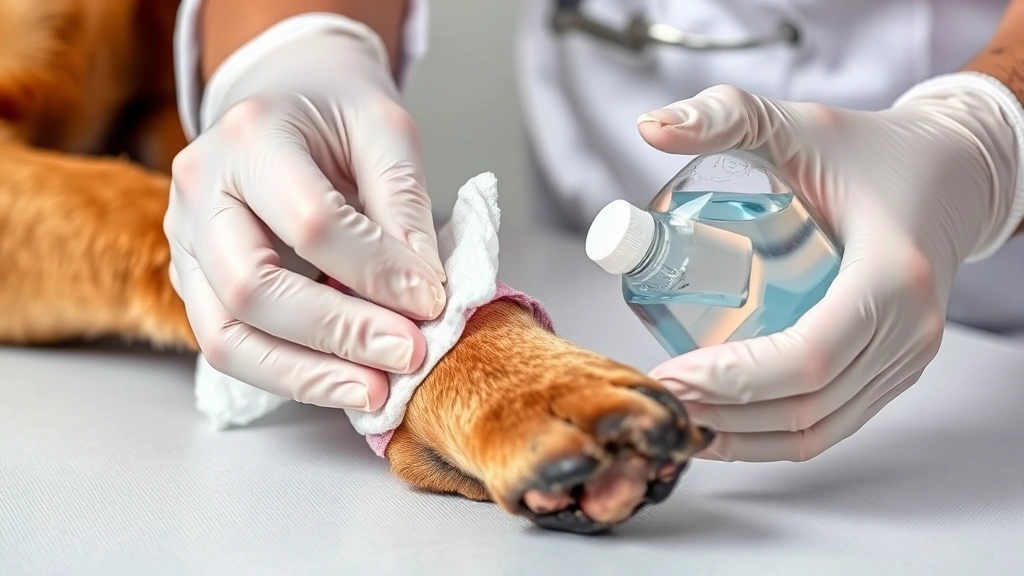
- Clean the wound first: Gently wash the area with mild soap and warm water. Pat dry with a clean cloth. This removes dirt and debris that could trap bacteria.
- Check for infection: Look for signs of redness, swelling, discharge, or warmth around the wound. If present, skip the Neosporin and contact your vet.
- Apply a thin layer: Use a clean applicator or your finger (with a glove) to apply a very thin layer of plain, regular Neosporin. Don’t use pain-relieving formulations.
- Prevent licking: This is crucial. Consider using a cone (Elizabethan collar) or bandage to prevent your dog from licking the wound immediately after application. Allow it to dry for 5-10 minutes before removing the barrier.
- Monitor the area: Check the wound daily for signs of improvement or complications. If it worsens or shows signs of infection, contact your veterinarian immediately.
- Limit frequency: Apply only once or twice, not repeatedly over days. The goal is to support healing, not create a dependency on topical antibiotics.
Remember that healing a dog wound fast at home often involves more than just topical ointments. Proper wound care, keeping the area clean, and preventing infection through appropriate measures are equally important.
Dog-Safe Alternatives to Neosporin
Many veterinarians recommend exploring safer alternatives to Neosporin for canine wound care. These options are specifically formulated with dogs in mind and may be more appropriate for your pet’s needs.
Veterinarian-recommended alternatives:
- Veterinary-specific wound care products: Products like Vetericyn, Dermacyn, and other vet-formulated solutions are designed specifically for dogs and are safe even if ingested in small amounts. These antimicrobial solutions help prevent infection without the risks associated with human antibiotic ointments.
- Chlorhexidine solution: This antimicrobial cleanser is commonly recommended by vets for wound cleaning and is considered safe for dogs. It effectively reduces bacteria without the ingestion concerns of Neosporin.
- Saline solution: Plain sterile saline is excellent for gently cleaning wounds and is completely safe for dogs. It won’t irritate the skin and helps flush away debris.
- Honey-based products: Medical-grade manuka honey has antimicrobial properties and promotes healing. Some veterinary practices recommend honey for minor wounds, though it should be medical-grade, not regular honey.
- Coconut oil: While not an antibiotic, organic coconut oil has mild antimicrobial properties and is safe for dogs if ingested in small amounts. It can soothe irritated skin and support healing.
- Aloe vera: Pure aloe vera gel (without additives or alcohol) can help soothe minor skin irritation, though it shouldn’t be your primary wound treatment.
For specific situations like hot spots on dogs, your veterinarian may recommend specialized treatments that are more effective than general-purpose antibiotic ointments. These medicated products are formulated to address the specific causes and symptoms of hot spots while being safe for your dog’s skin and digestive system.
Signs Your Dog Is Having a Problem
Even with careful application, complications can arise. Knowing what to watch for helps you catch problems early and seek veterinary care when needed.
Watch for these warning signs:
- Increased licking or chewing: If your dog becomes obsessed with licking the treated area, this could indicate discomfort, irritation, or an allergic reaction.
- Swelling or redness: Worsening swelling, increased redness, or heat around the wound suggests infection or allergic reaction.
- Discharge: Pus, blood, or unusual discharge from the wound indicates infection requiring veterinary attention.
- Gastrointestinal upset: Vomiting, diarrhea, loss of appetite, or excessive drooling could indicate your dog has ingested too much ointment.
- Spreading infection: If the area around the wound becomes increasingly red, warm, or swollen, infection may be spreading.
- Behavioral changes: Lethargy, depression, or unusual behavior combined with a wound issue warrants veterinary evaluation.
- Fever: If your dog seems feverish (check by feeling the ears and nose), contact your vet immediately.
When in doubt, it’s always better to contact your veterinarian. They can assess whether your dog’s wound needs professional care and recommend the safest treatment options based on your individual dog’s health status.
Prevention Tips for Common Dog Wounds
The best approach to wound management is prevention. By taking proactive steps, you can significantly reduce the likelihood of your dog suffering from cuts, scrapes, and other injuries.
Prevention strategies:
- Regular grooming: Keeping your dog’s coat well-maintained reduces matting and skin irritation that can lead to wounds. Regular grooming also helps you spot potential skin issues early.
- Safe play environment: Inspect your yard regularly for sharp objects, broken fencing, or hazards that could injure your dog. Remove debris and maintain safe play areas.
- Appropriate exercise: Provide adequate exercise and mental stimulation to reduce destructive behaviors that might lead to self-inflicted wounds.
- Training and supervision: Teach your dog appropriate play behavior and supervise interactions with other dogs to prevent fighting-related injuries.
- Protective gear: For dogs prone to injuries or during specific activities, consider protective booties, vests, or other gear.
- Regular veterinary check-ups: Routine vet visits help catch skin conditions and potential problems before they become serious wounds.
- Nail maintenance: Keep your dog’s nails trimmed to prevent accidental self-scratching and wounds.
- Pest prevention: Use appropriate flea and tick prevention as recommended by your vet. These parasites can cause itching that leads to self-inflicted wounds.
Additionally, ensuring your dog is up-to-date on vaccinations, particularly tetanus protection, helps prevent serious infections if wounds do occur. Discuss wound prevention and care strategies with your veterinarian during regular check-ups.
For general skin health maintenance, you might also explore whether baby shampoo can be used on dogs, as proper bathing practices contribute to overall skin health and can help prevent certain types of skin issues that predispose dogs to wounds.
Frequently Asked Questions
Is regular Neosporin different from Neosporin Plus?
Yes, there’s an important difference. Regular Neosporin contains only the three antibiotics (neomycin, polymyxin B, and bacitracin). Neosporin Plus adds pain-relieving ingredients like lidocaine or pramoxine. Never use Neosporin Plus on dogs because lidocaine can be toxic to canines, especially if ingested. Stick to plain, regular Neosporin only if you choose to use it.
Can I use Neosporin on my dog’s face?
It’s best to avoid applying Neosporin to your dog’s face, especially near the eyes, nose, and mouth. These areas are difficult to keep dogs from licking, dramatically increasing ingestion risk. If your dog has a facial wound, consult your veterinarian for appropriate treatment recommendations.
How long can I leave Neosporin on my dog’s wound?
If you apply Neosporin, it’s best to remove it or have your dog wear a protective collar/cone within 15-30 minutes to prevent licking. Don’t leave it on continuously for days. One or two applications maximum is the safest approach. For ongoing wound care, consult your vet about dog-safe alternatives.
What should I do if my dog licks Neosporin?
Small amounts of Neosporin are generally not dangerous, but if your dog licks a significant quantity, monitor for signs of gastrointestinal upset including vomiting, diarrhea, or loss of appetite. Contact your veterinarian or ASPCA Animal Poison Control Center if you’re concerned. In most cases, small ingestions resolve on their own, but professional guidance is valuable.
Is it ever necessary to use Neosporin on dogs?
Not really. There are many safer, dog-specific alternatives available. Veterinary-formulated wound care products are designed specifically for canine skin and are safer if ingested. Most minor wounds heal well with just proper cleaning and monitoring. Reserve antibiotic ointments for situations where your veterinarian specifically recommends them.
When should I take my dog to the vet for a wound?
Contact your veterinarian if your dog has: deep cuts or puncture wounds, wounds that won’t stop bleeding after 10 minutes of gentle pressure, signs of infection (redness, swelling, discharge, heat), wounds on the face or joints, or any wound that seems to be worsening. Don’t wait to see if it improves on its own—professional assessment is important.
Can I use expired Neosporin on my dog?
It’s best not to use expired medications on your dog, even topically. The active ingredients may have degraded, making the product less effective. Additionally, expired products may have developed bacterial contamination. Always use fresh products and discard expired items properly.
Are there any dog breeds more sensitive to Neosporin?
While sensitivity can vary individually, dogs with sensitive skin conditions, allergies, or certain breeds prone to skin issues (like Bulldogs, Shar-Peis, or Golden Retrievers) may be more likely to have adverse reactions. Always monitor your individual dog closely, and discuss any known sensitivities with your veterinarian before applying any topical products.





