

Can You Declaw a Dog? What Experts Recommend
If you’ve ever wondered whether declawing is an option for your furry friend, you’re not alone. Many dog owners wrestle with this question, especially when dealing with destructive scratching, furniture damage, or concerns about aggressive behavior. But here’s the thing: declawing a dog is far more complicated than it might seem at first glance, and the answer isn’t as straightforward as it is for cats.
The short answer? Yes, technically you can declaw a dog, but veterinary experts and animal welfare organizations almost universally recommend against it. This procedure carries significant physical, behavioral, and psychological consequences that can affect your dog’s quality of life for years to come. Before you consider this option, it’s crucial to understand what declawing actually involves and why so many professionals strongly advise pet owners to explore alternatives instead.
In this comprehensive guide, we’ll explore everything you need to know about dog declawing, including what the procedure entails, why vets discourage it, and the better alternatives available to help manage your dog’s scratching and behavioral issues.
What Is Declawing in Dogs?
Declawing in dogs is a surgical procedure that involves the permanent removal of a dog’s claws along with the bone and tissue at the tip of each toe. This is fundamentally different from simply trimming nails. When you use dog nail clippers to trim your pup’s nails, you’re removing just the keratin shell. Declawing, by contrast, is an amputation procedure that removes the entire distal phalanx—the last bone in each toe.
Many people mistakenly believe that declawing is equivalent to removing human fingernails. In reality, it’s more like removing the tips of your fingers at the first knuckle. It’s an invasive surgical intervention with lasting consequences that veterinary medicine has largely moved away from recommending.
The procedure is sometimes called “onychectomy” in veterinary terminology. While it’s technically possible to perform this surgery on dogs, the ethical debate surrounding it has intensified significantly over the past decade, with leading veterinary organizations taking increasingly firm positions against the practice.
The Declawing Procedure Explained
Understanding exactly what happens during a declawing surgery can help you comprehend why veterinarians discourage it so strongly. The procedure typically involves one of three methods: guillotine-style clippers, laser surgery, or scalpel blade removal.
In the traditional guillotine method, the veterinarian uses specialized clippers to sever the bone and tissue. With laser declawing, a laser beam is used to cut through the tissue and cauterize blood vessels simultaneously. The scalpel method involves manual cutting with a surgical blade. Regardless of the technique used, the end result is the same: permanent removal of the last bone in each toe.
The surgery is typically performed on the front paws, though some vets may declaw all four paws if requested. After the procedure, the dog’s paws are bandaged, and recovery takes several weeks. During this time, the surgical sites are extremely sensitive, and the dog experiences considerable pain as the wounds heal.
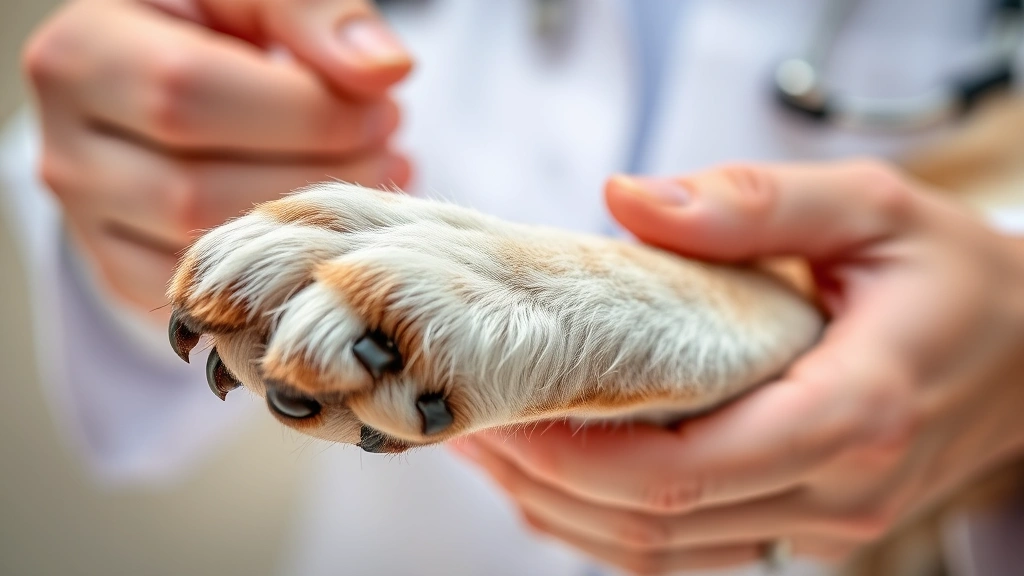
Pain management is critical during the recovery period, though studies have shown that many dogs don’t receive adequate pain relief following declawing. This inadequate pain management can lead to chronic pain conditions that persist long after the initial surgery has healed.
Physical and Health Complications
The health consequences of declawing extend far beyond the initial surgical recovery period. Veterinary research has documented numerous complications that can develop months or even years after the procedure.
Chronic Pain and Phantom Pain: One of the most significant complications is chronic pain. Studies indicate that up to 50% of declawed dogs develop chronic pain conditions. This can manifest as limping, reluctance to walk, or visible signs of discomfort. Some dogs experience phantom pain—pain in the amputated digits—similar to phantom limb pain in humans.
Arthritis and Joint Problems: Because dogs bear weight on their paws differently after declawing, they often develop arthritis in their legs, hips, and spine. The altered gait and weight distribution put abnormal stress on joints throughout the body, leading to degenerative joint disease over time.
Bone Fragments and Regrowth: Occasionally, small fragments of bone remain after surgery or regrow improperly, causing ongoing pain and infection. This complication may require additional surgical intervention to resolve.
Infection and Complications: Surgical site infections can occur, and some dogs develop bleeding problems or poor wound healing. Certain dogs may experience nerve damage leading to chronic sensitivity.
Scar Tissue Formation: Excessive scar tissue can form in the paw pads, causing discomfort and affecting the dog’s ability to walk normally. This can be particularly problematic for active dogs or those that spend time outdoors.
Behavioral and Psychological Effects
Beyond the physical complications, declawing can have profound effects on a dog’s behavior and psychological well-being. These changes often surprise and distress owners who weren’t aware of the potential behavioral consequences.
Increased Aggression: Many declawed dogs develop behavioral problems, including increased aggression and biting. When a dog loses its primary defense mechanism—its claws—it may become more defensive and resort to biting as a way to protect itself. Studies have shown that declawed dogs are more likely to bite than their clawed counterparts.
Litter Box Avoidance (in Indoor Dogs): Some declawed dogs develop an aversion to using the litter box or going to the bathroom outdoors because of pain in their paws. This can lead to house-soiling issues that frustrate owners and further strain the human-dog relationship.
Anxiety and Depression: Declawed dogs often exhibit signs of anxiety, depression, and behavioral changes. They may become withdrawn, reluctant to play, or show signs of learned helplessness. The chronic pain and loss of their natural defense mechanism can significantly impact their quality of life and emotional well-being.
Reluctance to Walk or Exercise: Many declawed dogs show reluctance to walk on certain surfaces or engage in normal physical activity. This reduced activity can lead to obesity, muscle atrophy, and further health complications.

What Veterinary Experts Say
The veterinary community has largely reached consensus on declawing: it should be avoided except in extremely rare medical circumstances. Major veterinary organizations have issued strong statements against the procedure.
The American Veterinary Medical Association (AVMA) discourages declawing and recommends it only as a last resort when other behavioral modification techniques have failed and the alternative is euthanasia. Many veterinarians won’t perform the procedure at all, citing ethical concerns.
The ASPCA explicitly states that declawing is “an inhumane and unnecessary procedure” and urges pet owners to consider alternatives. Similarly, the American Animal Hospital Association recommends against routine declawing of dogs.
Veterinary behaviorists and orthopedic specialists have published numerous research papers documenting the negative consequences of declawing. The scientific evidence overwhelmingly supports the position that declawing causes more problems than it solves and should be avoided in favor of humane alternatives.
Some countries and regions have already banned declawing in dogs, recognizing it as animal cruelty. Several U.S. states and cities have also enacted legislation restricting or prohibiting the practice, reflecting growing public awareness of its harmful effects.
Better Alternatives to Declawing
If you’re struggling with your dog’s scratching behavior or destructive habits, there are many effective alternatives to declawing that address the underlying issues without causing harm.
Regular Nail Maintenance: One of the simplest solutions is maintaining your dog’s nails through regular trimming. Learning how to trim black dog nails or other nail types is an essential skill for dog owners. Regular trimming reduces the damage dogs can do with their claws and helps prevent overgrowth-related issues. If you’re unsure about the process, your veterinarian can show you the proper technique, or you can visit a professional groomer regularly.
Nail Caps: Soft plastic caps can be applied over a dog’s nails to dull their sharpness without removing them. These caps, often called “nail covers” or “claw caps,” are humane, reversible, and effective for reducing damage from scratching. They need to be replaced periodically as the dog’s nails grow.
Environmental Modification: Providing appropriate scratching surfaces, such as scratching posts or pads, can redirect your dog’s natural scratching behavior. Some dogs scratch out of boredom or anxiety, so ensuring adequate mental and physical stimulation is crucial.
Behavioral Training: Working with a certified professional dog trainer or veterinary behaviorist can help address the underlying causes of destructive scratching. Techniques like positive reinforcement, redirection, and desensitization can be highly effective.
Anti-Anxiety Measures: If your dog scratches due to anxiety or stress, addressing the root cause through training, environmental changes, or in some cases, medication prescribed by your veterinarian, can resolve the behavior.
Furniture Protection: Using furniture covers, rugs, or other protective barriers can minimize damage while you work on addressing the behavior. This is a temporary solution but can reduce frustration while you implement other strategies.
Proper Nail Care and Maintenance
Establishing a regular nail care routine is one of the best ways to prevent problems associated with overgrown nails and reduce destructive scratching. Understanding the fundamentals of how to cut dogs black toenails can empower you to maintain your dog’s paws at home.
Most dogs need their nails trimmed every 3-4 weeks, though this varies depending on individual growth rates and activity level. Dogs that spend a lot of time outdoors on rough surfaces may naturally wear down their nails faster. You’ll know it’s time for a trim when you hear your dog’s nails clicking on hard floors or notice them curling.
When trimming, be careful not to cut into the quick—the sensitive tissue inside the nail that contains blood vessels and nerves. In light-colored nails, the quick appears as a pink line. In dark nails, it’s harder to see, so trim conservatively. If you accidentally cut the quick, the nail will bleed and your dog will experience pain, so it’s better to trim less than too much.
If your dog has a condition that makes nail care difficult—such as behavioral issues that might resemble autism or severe anxiety—your veterinarian can provide sedation for nail trimming or recommend professional grooming services.
Regular nail care not only prevents the need for declawing but also prevents other health issues like ingrown nails, infections, and gait abnormalities. It’s an investment in your dog’s long-term health and comfort.
Frequently Asked Questions
Is declawing painful for dogs?
Yes, declawing is extremely painful. The procedure involves amputating bone and tissue, and recovery is painful even with pain medication. Many dogs experience chronic pain for months or years after the surgery. The initial healing period typically involves significant discomfort, and some dogs never fully recover from the pain.
Can declawed dogs still defend themselves?
Declawed dogs lose their primary defense mechanism and are more vulnerable to injury and predation. This vulnerability often leads to increased anxiety and, paradoxically, more aggressive behavior including biting. A declawed dog cannot defend itself as effectively as a dog with claws, making them particularly at risk if they escape outdoors.
What’s the recovery time after declawing?
Initial wound healing typically takes 2-4 weeks, but complete recovery can take much longer. Pain may persist for months or years. Many declawed dogs never fully recover and deal with chronic pain, arthritis, and behavioral issues indefinitely.
Are there any medical reasons to declaw a dog?
Very rarely, declawing might be considered for legitimate medical reasons, such as severe nail infections that don’t respond to other treatments, or certain cancers of the nail bed. However, these situations are extremely uncommon, and most veterinarians would exhaust all other treatment options first.
Can I declaw only the front paws?
While it’s technically possible to declaw only the front paws, doing so still carries all the risks and complications mentioned throughout this article. The front paws are particularly important for weight-bearing and balance, so front-only declawing can be especially problematic.
What should I do if my dog scratches furniture?
Start by establishing a regular nail trimming routine, consider nail caps as a temporary solution, provide appropriate scratching surfaces, ensure adequate exercise and mental stimulation, and consult with a veterinary behaviorist if the behavior is severe. Most scratching issues can be resolved without resorting to declawing.
Is declawing illegal?
Declawing is banned in several countries and many U.S. cities and states. Even where it’s not explicitly illegal, many veterinarians refuse to perform the procedure on ethical grounds. Before seeking out a veterinarian willing to declaw your dog, consider whether the procedure is legal in your area and explore alternatives with your vet.
How do I find a veterinarian who won’t declaw?
Most modern veterinary practices don’t perform declawing. When searching for a veterinarian, you can ask about their stance on declawing. Many will be happy to discuss alternatives and help you address your dog’s behavioral issues humanely.
Can declawed dogs live normal lives?
While some declawed dogs adapt and appear to live relatively normal lives, many experience chronic pain, arthritis, behavioral problems, and reduced quality of life. Even those who seem to adapt often have underlying pain and joint problems that develop over time. The procedure carries significant risks that aren’t worth taking.





