
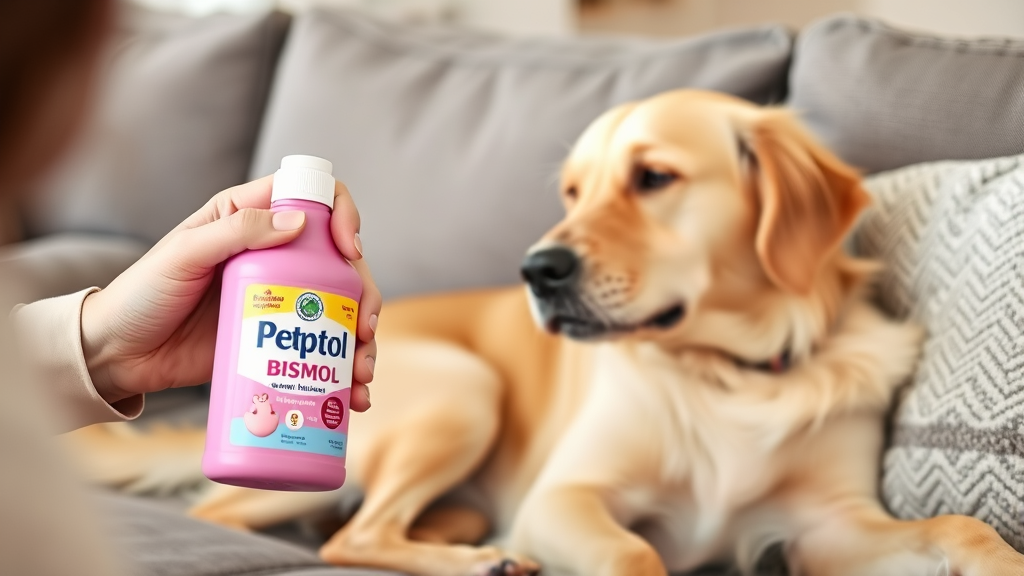
When your beloved canine companion experiences stomach upset, vomiting, or diarrhea, it’s natural to want to provide relief quickly. Many pet owners wonder if they can give their dog human medications like Pepto Bismol to ease digestive discomfort. While this pink liquid has been a household staple for treating human stomach ailments for decades, the question of whether it’s safe for dogs requires careful consideration.
Understanding the safety and proper use of medications for your dog is crucial for their health and wellbeing. Before reaching for any human medication to treat your pet’s symptoms, it’s essential to understand the potential risks, benefits, and safer alternatives available. This comprehensive guide will explore everything you need to know about Pepto Bismol and dogs, helping you make informed decisions about your pet’s digestive health.
What is Pepto Bismol and How Does it Work?
Pepto Bismol is an over-the-counter medication containing bismuth subsalicylate as its active ingredient. This compound works by coating the stomach lining and reducing inflammation in the digestive tract. In humans, it’s commonly used to treat symptoms such as upset stomach, nausea, heartburn, and diarrhea. The medication has both anti-inflammatory and antimicrobial properties, making it effective against certain bacteria that can cause digestive upset.
The bismuth component helps protect the stomach lining from acid, while the salicylate portion (related to aspirin) provides anti-inflammatory effects. When taken orally, Pepto Bismol can temporarily turn the tongue and stool black, which is a harmless but noticeable side effect. Understanding how this medication works in humans is important when considering its use in dogs, as canine physiology differs significantly from human physiology.
The FDA regulates Pepto Bismol as an over-the-counter medication for human use, but this regulation doesn’t extend to veterinary applications. This distinction is crucial for pet owners to understand when considering any human medication for their dogs.
Can Dogs Have Pepto Bismol?
The short answer is that while Pepto Bismol can be given to dogs in very specific circumstances and dosages, it’s not the safest or most recommended option for treating canine digestive issues. Some veterinarians may occasionally recommend it for mild, short-term digestive upset, but this should only be done under professional guidance. The decision to use Pepto Bismol for dogs should never be made without consulting a veterinarian first.
Unlike some human medications that are more universally safe for dogs, such as certain antihistamines, Pepto Bismol carries specific risks that make it a less favorable choice. The salicylate component in Pepto Bismol is chemically similar to aspirin, which can be problematic for dogs, especially those with certain health conditions or those taking other medications.
For pet owners wondering can dogs have Pepto Bismol, it’s important to understand that while it’s not immediately toxic in small doses for most healthy adult dogs, there are much safer alternatives available. The risks often outweigh the potential benefits, particularly when safer options exist.
Professional veterinary organizations, including the American Veterinary Medical Association, emphasize the importance of consulting with a veterinarian before giving any human medication to pets.
Risks and Side Effects for Dogs
The primary concern with giving Pepto Bismol to dogs stems from its salicylate content. Dogs metabolize salicylates differently than humans, making them more susceptible to salicylate toxicity. This can lead to serious complications including gastrointestinal bleeding, kidney damage, and in severe cases, liver problems. Signs of salicylate toxicity in dogs include vomiting, diarrhea, loss of appetite, lethargy, and difficulty breathing.
Another significant risk is the potential for Pepto Bismol to mask symptoms of more serious underlying conditions. While it might temporarily relieve diarrhea or stomach upset, it could prevent pet owners from recognizing signs of conditions that require immediate veterinary attention, such as intestinal blockages, infections, or poisoning.
The bismuth component can also cause constipation in some dogs, potentially creating a new problem while trying to solve the original issue. Additionally, the characteristic black stool that results from bismuth ingestion can make it difficult to detect blood in the stool, which could be an important diagnostic indicator for veterinarians.
Certain dogs are at higher risk for complications from Pepto Bismol, including puppies, senior dogs, pregnant or nursing females, and dogs with pre-existing health conditions. Dogs currently taking other medications, particularly those on blood thinners or other anti-inflammatory drugs, face increased risks of adverse interactions.
Safe Dosage Guidelines and Administration
If a veterinarian does recommend Pepto Bismol for your dog, they will provide specific dosage instructions based on your dog’s weight, age, and health status. Generally, the dosage is much lower than what humans would take, typically calculated at 0.5 to 1 ml per pound of body weight, given every 6 to 8 hours. However, these guidelines should never be followed without explicit veterinary approval.
It’s crucial to use only the regular strength, unflavored liquid Pepto Bismol if recommended by a vet. Extra-strength formulations, cherry-flavored versions, or tablets should never be given to dogs. Some flavored versions contain xylitol, an artificial sweetener that is highly toxic to dogs and can cause rapid drops in blood sugar and liver failure.
When administering any medication to dogs, proper technique is important to ensure the dog receives the full dose safely. The liquid should be given slowly using a syringe or dropper, allowing the dog to swallow between small amounts to prevent choking or aspiration.
Duration of treatment should be limited to no more than a few days, and improvement should be seen within 24-48 hours. If symptoms persist or worsen, immediate veterinary attention is necessary. Never exceed the recommended dosage or frequency, as this significantly increases the risk of toxicity.
When NOT to Give Pepto Bismol to Dogs
There are several situations where Pepto Bismol should never be given to dogs, regardless of the severity of their digestive symptoms. Puppies under 12 weeks of age should never receive Pepto Bismol, as their developing systems are particularly vulnerable to salicylate toxicity. Similarly, pregnant or nursing dogs should avoid this medication due to potential risks to developing puppies.
Dogs with known allergies to aspirin or other salicylates should never receive Pepto Bismol. Additionally, dogs currently taking medications such as corticosteroids, blood thinners, or other anti-inflammatory drugs face dangerous interaction risks. The combination can lead to increased bleeding risks and gastrointestinal complications.
If your dog is showing signs of severe illness such as bloody diarrhea, persistent vomiting, severe lethargy, or signs of dehydration, Pepto Bismol is not appropriate. These symptoms may indicate serious conditions requiring immediate veterinary intervention. Similarly, if you suspect your dog has ingested something toxic or has an intestinal obstruction, masking symptoms with Pepto Bismol could delay critical treatment.
Dogs with pre-existing kidney disease, liver problems, or gastrointestinal conditions should not receive Pepto Bismol without careful veterinary evaluation. The medication can exacerbate these conditions and interfere with ongoing treatments.
Safer Alternatives for Dog Digestive Issues
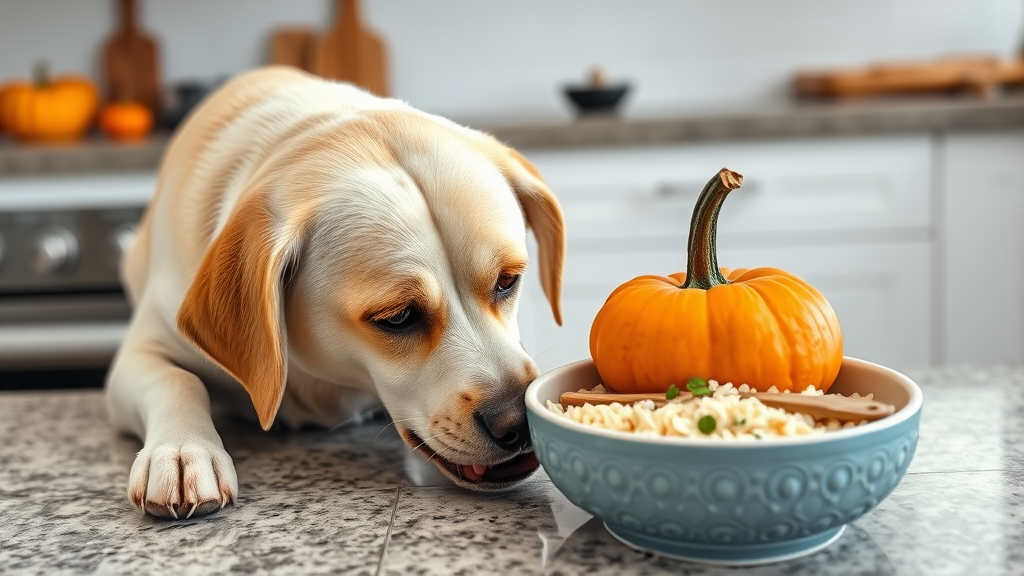
Fortunately, there are several safer alternatives to Pepto Bismol for treating mild digestive upset in dogs. A bland diet consisting of boiled chicken and white rice is often the first line of treatment recommended by veterinarians. This combination is easy to digest and can help firm up loose stools while providing necessary nutrition during recovery.
Pumpkin puree (not pie filling) is another excellent natural remedy for digestive issues. The fiber in pumpkin can help with both diarrhea and constipation, making it a versatile option for various digestive problems. Start with small amounts, typically 1-2 tablespoons for medium-sized dogs, and adjust based on your pet’s response.
Probiotics specifically designed for dogs can help restore healthy gut bacteria and improve digestive function. These are available as supplements, treats, or can be found in plain, unsweetened yogurt in small amounts. When considering what to feed dog with diarrhea, probiotics are often a safe and beneficial addition.
For dogs experiencing frequent digestive issues, learning how to stop diarrhea in dogs through dietary management and preventive care is often more effective than relying on medications. Bone broth (without onions or garlic) can provide hydration and nutrients while being gentle on the stomach.
The American Kennel Club provides comprehensive guidance on managing digestive issues in dogs through natural and veterinary-approved methods.
When to See a Veterinarian
While mild digestive upset can sometimes be managed at home with appropriate care, there are clear indicators that warrant immediate veterinary attention. If your dog is experiencing persistent vomiting or diarrhea lasting more than 24 hours, this requires professional evaluation. Dehydration can occur quickly in dogs, especially smaller breeds and puppies, making prompt treatment essential.
Blood in vomit or stool is always a serious sign requiring immediate veterinary care. This could indicate various conditions ranging from dietary indiscretion to more serious internal issues. Similarly, if your dog appears lethargic, refuses food and water, or shows signs of abdominal pain, these symptoms suggest the need for professional diagnosis and treatment.
Understanding why is my dog throwing up can help determine when home care is appropriate versus when veterinary intervention is necessary. Persistent or projectile vomiting, especially when accompanied by other symptoms, should never be ignored.
Changes in your dog’s behavior, such as excessive drooling, panting, or seeking cool surfaces, can indicate nausea or discomfort that requires professional evaluation. Senior dogs and those with pre-existing health conditions should receive veterinary attention more quickly when digestive symptoms occur.
The ASPCA provides valuable resources for recognizing emergency situations in dogs with digestive issues.
Prevention and Long-term Digestive Health
Preventing digestive issues is often more effective than treating them after they occur. Maintaining a consistent, high-quality diet appropriate for your dog’s age, size, and health status is fundamental to digestive health. Sudden dietary changes should be avoided, and when necessary, new foods should be introduced gradually over 7-10 days.
Regular exercise promotes healthy digestion and can prevent many gastrointestinal issues. However, avoid feeding your dog immediately before or after vigorous exercise, as this can contribute to digestive upset or more serious conditions like bloat in susceptible breeds.
Keeping your dog away from garbage, compost, and other potential sources of dietary indiscretion is crucial. Many digestive upsets result from dogs eating inappropriate items during walks or while unsupervised. Training commands like “leave it” can be invaluable in preventing these incidents.
Regular veterinary check-ups can help identify potential digestive issues before they become serious problems. Your veterinarian can recommend appropriate diets, supplements, and preventive measures based on your dog’s individual needs and health history.
Just as pet owners research questions like can dogs have Benadryl or how much Benadryl can I give my dog for allergic reactions, understanding safe medication practices for digestive issues is equally important. However, unlike some antihistamines that may be safer for dogs, digestive medications require more careful consideration.
It’s worth noting that while some human medications might be considered for dogs in specific situations, others like acetaminophen should be completely avoided. For instance, pet owners should never consider can I give my dog Tylenol as this medication is toxic to dogs.
Frequently Asked Questions
How much Pepto Bismol can I give my dog safely?
The safe dosage of Pepto Bismol for dogs is typically 0.5 to 1 ml per pound of body weight, given every 6-8 hours. However, this should only be administered under direct veterinary guidance. Never give Pepto Bismol to your dog without first consulting with a veterinarian, as individual factors like age, health status, and concurrent medications can significantly affect safety.
What are the signs of Pepto Bismol poisoning in dogs?
Signs of salicylate toxicity from Pepto Bismol include vomiting, diarrhea, loss of appetite, lethargy, difficulty breathing, and in severe cases, collapse. If you notice any of these symptoms after giving your dog Pepto Bismol, stop the medication immediately and contact your veterinarian or emergency animal clinic right away.
Can I give Pepto Bismol to my puppy?
No, Pepto Bismol should never be given to puppies under 12 weeks of age. Young dogs are particularly susceptible to salicylate toxicity, and their developing systems cannot properly metabolize the medication. Even older puppies should only receive Pepto Bismol under strict veterinary supervision, and safer alternatives are typically recommended.
How long does it take for Pepto Bismol to work in dogs?
If Pepto Bismol is appropriate for your dog and given under veterinary guidance, you should see improvement in symptoms within 24-48 hours. If there’s no improvement within this timeframe, or if symptoms worsen, discontinue the medication and contact your veterinarian immediately for alternative treatment options.
What should I do if my dog accidentally ate Pepto Bismol?
If your dog accidentally ingested Pepto Bismol, contact your veterinarian or pet poison control hotline immediately. The severity of the situation depends on how much was consumed relative to your dog’s size and weight. Do not induce vomiting unless specifically instructed by a veterinary professional, and monitor your dog closely for any signs of distress.
Are there any dog breeds that shouldn’t have Pepto Bismol?
While no specific breeds are absolutely contraindicated, some breeds may be at higher risk for complications. Dogs with known sensitivities to salicylates, those prone to bleeding disorders, or breeds with sensitive stomachs may face increased risks. Additionally, brachycephalic (flat-faced) breeds may have difficulty with liquid medications due to their anatomy.
What’s the best natural alternative to Pepto Bismol for dogs?
The best natural alternatives include a bland diet of boiled chicken and white rice, plain pumpkin puree (not pie filling), bone broth without seasonings, and dog-specific probiotics. These options are generally safer and often more effective than Pepto Bismol for mild digestive upset. Always consult with your veterinarian before starting any treatment regimen.





