
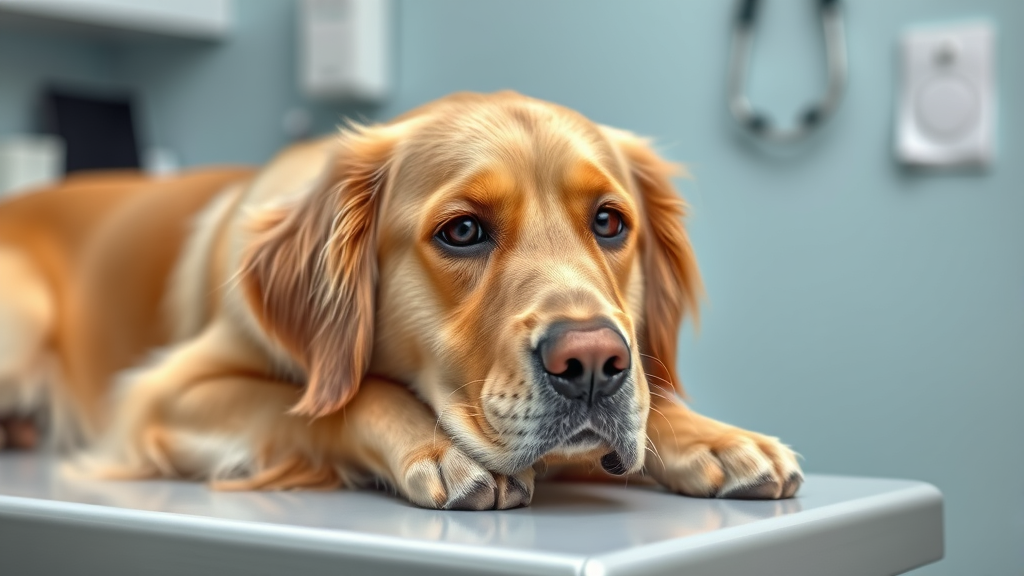
When your beloved canine companion is experiencing stomach upset, nausea, or diarrhea, it’s natural to want to help them feel better quickly. Many pet owners find themselves wondering if they can reach into their medicine cabinet for a solution, particularly considering medications like Pepto-Bismol that they might use for their own digestive issues. The question “can you give dogs pepto” is one of the most frequently searched pet health queries online.
The relationship between human medications and canine health is complex and potentially dangerous. While some human medications can be safely administered to dogs under proper veterinary guidance, others can be toxic or even fatal. Understanding the safety profile of Pepto-Bismol for dogs requires careful consideration of its ingredients, potential benefits, risks, and safer alternatives that might better serve your pet’s needs.
What is Pepto-Bismol and How Does it Work?
Pepto-Bismol is a popular over-the-counter medication containing bismuth subsalicylate as its active ingredient. This compound belongs to a class of medications called antidiarrheals and is designed to treat symptoms such as upset stomach, indigestion, heartburn, nausea, and diarrhea in humans. The medication works through multiple mechanisms, including coating the stomach lining, reducing inflammation, and possessing mild antibacterial properties.
The bismuth component helps protect the stomach lining from acid and irritants, while the salicylate portion provides anti-inflammatory effects. When humans take Pepto-Bismol, it can temporarily turn the tongue and stool black, which is a harmless side effect. However, the way dogs process this medication differs significantly from humans, leading to potential complications.
Understanding the pharmacokinetics of bismuth subsalicylate in canines is crucial for pet owners. Dogs metabolize medications differently than humans due to variations in liver enzymes, kidney function, and overall body chemistry. What might be a safe and effective dose for a human could be toxic or ineffective for a dog of any size.
Safety Concerns: Why Pepto Can Be Dangerous for Dogs
The primary concern with giving dogs Pepto-Bismol lies in its salicylate content. Salicylates are chemically related to aspirin and can cause serious health complications in dogs, particularly when given repeatedly or in large doses. Dogs are much more sensitive to salicylates than humans, and even small amounts can lead to salicylate toxicity, also known as salicylism.
Salicylate toxicity in dogs can manifest through various symptoms including vomiting, diarrhea, loss of appetite, lethargy, difficulty breathing, and in severe cases, seizures or coma. The ASPCA Animal Poison Control Center frequently receives calls about salicylate poisoning in pets, making it a significant concern for veterinarians and pet owners alike.
Another major risk factor is the potential for gastrointestinal bleeding. Salicylates can irritate the stomach lining and interfere with blood clotting mechanisms, leading to internal bleeding that may not be immediately apparent to pet owners. This is particularly dangerous for dogs with pre-existing conditions such as kidney disease, liver problems, or bleeding disorders.
The question of can dogs have pepto bismol becomes even more complex when considering drug interactions. Dogs taking other medications, particularly NSAIDs (non-steroidal anti-inflammatory drugs) or corticosteroids, face increased risks of adverse reactions when combined with bismuth subsalicylate.
When Do Pet Owners Consider Giving Pepto to Dogs?
Pet owners typically consider administering Pepto-Bismol to their dogs when they observe symptoms of digestive distress. Common scenarios include episodes of diarrhea, particularly after dietary indiscretions such as eating table scraps or getting into garbage. The urgency to provide relief often leads owners to reach for familiar human medications without fully understanding the risks involved.
Many pet owners wonder can i give my dog pepto bismol during late-night or weekend hours when veterinary clinics are closed. This timing creates additional pressure to find immediate solutions, making human medications seem like convenient options. However, the convenience factor should never override safety considerations.
Stress-related digestive issues also prompt owners to consider Pepto-Bismol. Dogs experiencing anxiety from travel, moving to a new home, or changes in routine may develop stomach upset. While the desire to provide comfort is understandable, the risks associated with improper medication use can create more serious problems than the original symptoms.
Some owners have heard anecdotal success stories from friends or online forums about using Pepto-Bismol for dogs, leading them to believe it’s a safe practice. However, individual cases don’t establish safety protocols, and what works for one dog without apparent immediate harm doesn’t guarantee safety for another animal.
Safer Alternatives for Canine Digestive Issues
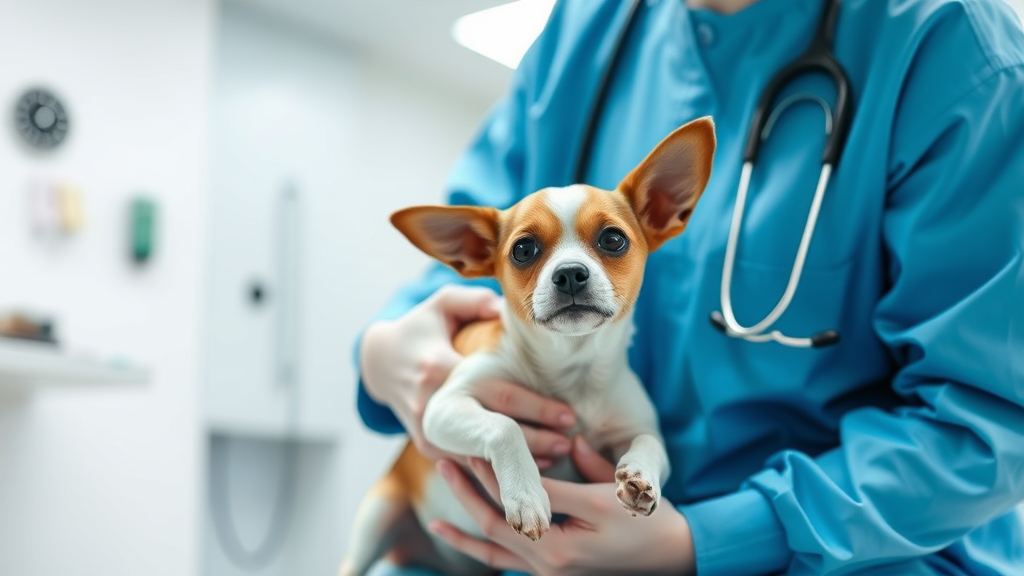
When dealing with canine digestive problems, several safer alternatives exist that don’t carry the risks associated with bismuth subsalicylate. The first and most important step is consulting with a veterinarian who can properly diagnose the underlying cause of digestive symptoms and recommend appropriate treatment options.
Dietary management often provides effective relief for minor digestive upset. A bland diet consisting of boiled chicken and rice can help settle upset stomachs while providing necessary nutrition. This approach addresses the question of what to feed a dog with diarrhea in a safe, veterinarian-approved manner.
Probiotics specifically formulated for dogs can help restore healthy gut bacteria and improve digestive function. Unlike human medications, canine probiotics are designed with dogs’ specific digestive systems in mind and carry minimal risk when used as directed. The American Kennel Club recognizes the benefits of probiotics for canine digestive health.
Pumpkin puree (not pie filling) serves as another safe, natural remedy for minor digestive issues. The fiber content helps regulate bowel movements while providing beneficial nutrients. Many veterinarians recommend keeping plain pumpkin puree on hand as a gentle digestive aid.
For more persistent issues, veterinarians may prescribe medications specifically formulated for dogs, such as metronidazole or famotidine. These medications undergo testing for canine safety and efficacy, providing more reliable and safer treatment options than human medications.
Understanding how to stop diarrhea in dogs safely involves recognizing when home remedies are appropriate and when professional veterinary care is necessary. The American Veterinary Medical Association provides guidelines for managing canine diarrhea that prioritize safety over quick fixes.
When to Seek Emergency Veterinary Care
Certain symptoms require immediate veterinary attention and should never be treated with home remedies or human medications. Blood in vomit or stool indicates potential internal bleeding or serious underlying conditions that require professional diagnosis and treatment. Attempting to mask these symptoms with medications like Pepto-Bismol can delay critical care and worsen outcomes.
Severe dehydration represents another emergency situation that requires immediate veterinary intervention. Signs include excessive panting, dry gums, sunken eyes, and lethargy. Dehydration can quickly become life-threatening in dogs, particularly puppies and senior animals, making prompt professional treatment essential.
When considering what can you give a dog for upset stomach, it’s crucial to recognize warning signs that indicate serious conditions requiring immediate care. Persistent vomiting, inability to keep water down, severe abdominal pain, or behavioral changes such as hiding or aggression warrant emergency veterinary visits.
The Pet Poison Helpline operates 24/7 to provide guidance on toxic exposures and medication reactions. This resource becomes invaluable when pet owners accidentally administer inappropriate medications or when symptoms suggest poisoning.
Temperature regulation problems, including fever or hypothermia, often accompany serious digestive issues and require professional assessment. Home thermometers designed for pets can help owners monitor their dog’s condition, but interpretation and treatment decisions should always involve veterinary professionals.
Prevention Strategies for Digestive Health
Preventing digestive issues proves more effective and safer than treating them after they occur. Maintaining consistent feeding schedules with high-quality, age-appropriate dog food helps establish healthy digestive patterns. Sudden dietary changes should be avoided, and when necessary, transitions should occur gradually over several days.
Environmental management plays a crucial role in preventing digestive problems. Securing garbage cans, removing access to potentially harmful foods, and supervising dogs during walks prevents many cases of dietary indiscretion that lead to stomach upset. Dog-proofing homes reduces the likelihood of pets consuming inappropriate items.
Regular veterinary check-ups enable early detection of digestive system problems before they become serious. Annual or bi-annual examinations include assessment of digestive health and provide opportunities to discuss appropriate emergency care plans with veterinary professionals.
Stress management contributes significantly to digestive health in dogs. Maintaining consistent routines, providing adequate exercise, and creating calm environments during potentially stressful situations helps prevent stress-related digestive issues. The Humane Society offers comprehensive guidance on recognizing and managing stress in dogs.
Owner education about safe and unsafe foods for dogs prevents many emergency situations. Understanding that certain human foods and medications are toxic to dogs empowers owners to make better decisions about their pets’ care. When wondering about what painkillers can i give my dog, the answer should always involve veterinary consultation rather than assumptions based on human medicine.
Establishing relationships with emergency veterinary clinics before problems arise ensures access to care when needed. Knowing the location, hours, and contact information for after-hours veterinary services prevents delays during emergency situations.
Frequently Asked Questions
Can I give my dog Pepto-Bismol in small doses?
No, even small doses of Pepto-Bismol can be dangerous for dogs due to the salicylate content. Dogs are much more sensitive to salicylates than humans, and even minimal amounts can cause toxicity. The safest approach is to avoid giving dogs any human medications containing salicylates and consult with a veterinarian for appropriate alternatives. The question can you give a dog pepto bismol should always be answered with veterinary guidance.
What should I do if my dog accidentally consumed Pepto-Bismol?
If your dog has consumed Pepto-Bismol, contact your veterinarian or the Pet Poison Helpline immediately. Do not induce vomiting unless specifically instructed by a veterinary professional. Monitor your dog for symptoms of salicylate toxicity including vomiting, diarrhea, difficulty breathing, or lethargy. Time is critical in treating potential poisoning, so prompt professional intervention is essential.
Are there any dog-specific medications similar to Pepto-Bismol?
Yes, veterinarians can prescribe medications specifically formulated for dogs that address digestive issues without the risks associated with bismuth subsalicylate. These may include famotidine, sucralfate, or other gastroprotective agents that are safe and effective for canine use. Always consult with your veterinarian rather than attempting to find over-the-counter alternatives.
How long should I wait before seeing a vet for my dog’s digestive issues?
For mild symptoms in otherwise healthy adult dogs, you may monitor the situation for 12-24 hours while providing supportive care such as withholding food and offering small amounts of water. However, puppies, senior dogs, or animals with chronic health conditions should be evaluated more quickly. Severe symptoms such as blood in vomit or stool, signs of dehydration, or persistent vomiting require immediate veterinary attention.
Can probiotics help prevent the need for medications like Pepto-Bismol?
Dog-specific probiotics can support digestive health and may help prevent some digestive issues, but they are not a cure-all or replacement for veterinary care when serious problems arise. Probiotics work best as part of a comprehensive approach to canine health that includes proper nutrition, regular veterinary care, and appropriate management of underlying health conditions. Consult with your veterinarian about incorporating probiotics into your dog’s health regimen.
What are the signs of salicylate poisoning in dogs?
Signs of salicylate poisoning in dogs include vomiting, diarrhea, loss of appetite, excessive panting, difficulty breathing, weakness, lethargy, and in severe cases, seizures or collapse. These symptoms can develop rapidly after ingestion or may appear gradually with repeated exposure. The FDA’s Center for Veterinary Medicine provides detailed information about salicylate toxicity in pets.
Are there natural remedies that are safe for dogs with upset stomachs?
Several natural remedies can be safe for dogs when used appropriately, including plain pumpkin puree, bone broth made specifically for dogs, and probiotics formulated for canines. However, the key word is “appropriately” – even natural remedies should be used under veterinary guidance, especially for persistent or severe symptoms. The question of can dogs have pepto often arises when owners seek quick solutions, but patience and professional guidance typically yield better outcomes than human medications.





