Can You Give Pepto Bismol to Dogs? Vet Advice
Your furry best friend just had an accident on the carpet, and their stomach is making sounds that would rival a horror movie soundtrack. As a concerned pet parent, you’re probably wondering: can you give Pepto Bismol to dogs? It’s a natural question, especially when you’ve got a bottle sitting in your medicine cabinet. The short answer is complicated, and that’s exactly why we’re diving deep into this topic today.
Many dog owners reach for familiar over-the-counter remedies when their pups experience digestive issues, but what works for humans doesn’t always work for our four-legged companions. Pepto Bismol, while generally considered safe for dogs in specific situations, comes with important caveats and dosing guidelines that you absolutely need to understand before administering it. This article will walk you through everything a responsible pet owner should know.
Whether your dog is experiencing occasional stomach upset or you’re simply being proactive about your pet’s health, understanding the ins and outs of Pepto Bismol for canines is crucial. Let’s explore what veterinarians recommend, potential risks, and safer alternatives for keeping your pup’s digestive system happy.
Understanding Pepto Bismol and Its Active Ingredients
Pepto Bismol’s primary active ingredient is bismuth subsalicylate, a compound that has been used for decades to treat gastrointestinal upset in humans. This ingredient works by reducing inflammation in the stomach and intestines while also having mild antimicrobial properties. The pink liquid formula is so iconic that many people don’t even think twice about what’s actually in it before considering it for their pets.
Beyond bismuth subsalicylate, Pepto Bismol contains several other components including salicylic acid, which is essentially a form of aspirin. This is particularly important for dog owners to understand because salicylates can affect dogs differently than they affect humans. The formulation also includes various inactive ingredients like saccharin, benzoic acid, and other additives that may not be ideal for canine consumption.
The mechanism by which Pepto Bismol works involves coating the stomach lining and reducing inflammation. For humans experiencing traveler’s diarrhea or mild food poisoning, it’s generally effective. However, a dog’s digestive system operates quite differently from ours, which is why the same remedy doesn’t automatically translate to the same results or safety profile in our pets.
Safety Profile for Dogs
When discussing whether dogs can have Pepto-Bismol, veterinarians generally agree that occasional, small doses are unlikely to cause serious harm in most healthy adult dogs. However, this doesn’t mean it’s a first-line treatment or that it’s appropriate for every situation. The safety profile depends heavily on several factors including your dog’s age, weight, underlying health conditions, and concurrent medications.
The American Veterinary Medical Association acknowledges that bismuth subsalicylate can be used in dogs, but with significant reservations. The salicylate component is particularly concerning because it can accumulate in a dog’s system and potentially cause toxicity with repeated or prolonged use. Additionally, some dogs may have sensitivities to the other ingredients in the formulation.
Puppies, senior dogs, and dogs with certain health conditions are at higher risk for adverse effects. Pregnant or nursing dogs should definitely avoid Pepto Bismol unless explicitly directed by a veterinarian. Dogs with bleeding disorders, ulcers, or those taking blood thinners require extra caution, as the salicylate component can interfere with clotting.
Proper Dosage Guidelines
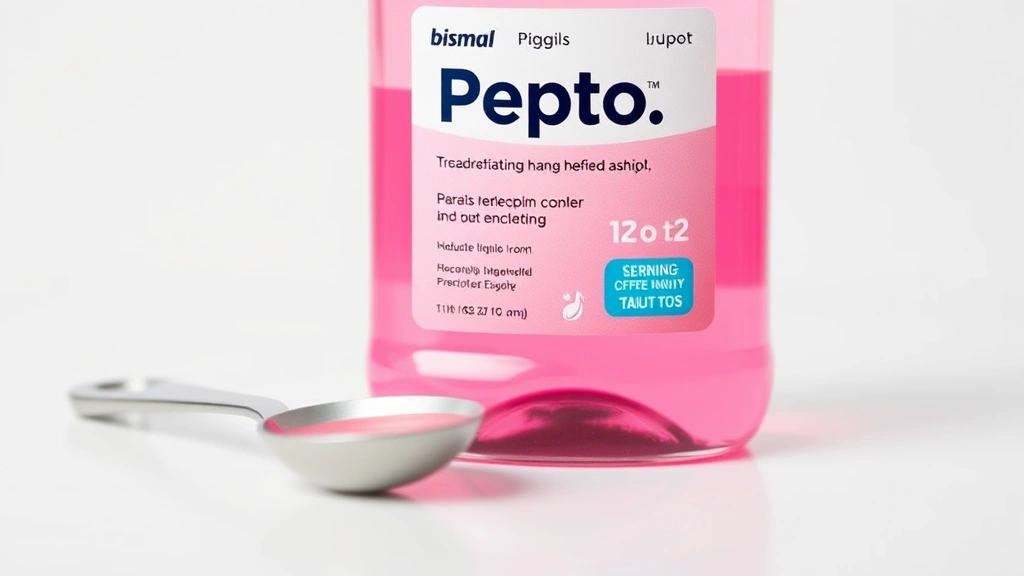
If your veterinarian has determined that how much Pepto-Bismol you can give your dog is appropriate for their specific situation, proper dosing is absolutely critical. The general guideline that most veterinarians recommend is approximately 1 teaspoon per 10 pounds of body weight, administered every 6-8 hours. However, this should never exceed three to four doses in a 24-hour period.
For a small dog weighing 20 pounds, this would mean roughly 2 teaspoons per dose. A medium-sized 50-pound dog would receive about 5 teaspoons. Always measure carefully using a proper measuring spoon rather than eyeballing the dose. Underdosing won’t provide benefits, while overdosing increases the risk of adverse effects significantly.
The liquid formulation is generally preferred over tablets or caplets for dogs since it’s easier to measure and administer accurately. If your dog absolutely refuses the liquid, never crush tablets to mix with food, as this can damage the coating and alter how the medication is absorbed. Always consult your veterinarian about the specific dose appropriate for your individual dog, as they may recommend adjustments based on your pet’s health status.
When Pepto Bismol Is Appropriate
Pepto Bismol might be considered appropriate for dogs experiencing mild, temporary digestive upset such as occasional diarrhea or mild nausea. This could include situations where your dog has eaten something slightly disagreeable or experienced a minor dietary indiscretion. If your dog got into the garbage and is experiencing mild stomach upset, a single dose of Pepto Bismol might help settle things down.
The key word here is “mild” and “temporary.” If your dog’s symptoms persist beyond 24 hours or worsen, Pepto Bismol is not the answer—professional veterinary care is necessary. Similarly, when dealing with how to stop dog diarrhea, Pepto Bismol should rarely be a first choice without veterinary guidance.
Some veterinarians might recommend Pepto Bismol as part of a broader treatment plan for certain conditions, but this would be an explicit recommendation from your vet, not something you should initiate on your own. It’s particularly important to understand that just because something is available over-the-counter doesn’t mean it’s appropriate for self-diagnosis and self-treatment of your pet’s health issues.
Potential Risks and Warnings
Understanding the potential risks associated with Pepto Bismol is essential before administering it to your dog. One significant concern is salicylate toxicity, which can develop with repeated or excessive use. Signs of salicylate toxicity in dogs include vomiting, loss of appetite, lethargy, and in severe cases, gastrointestinal bleeding.
The formulation of Pepto Bismol also contains benzoic acid as a preservative, which some dogs may react to negatively. Additionally, the sweetening agents and other inactive ingredients can cause gastrointestinal upset in sensitive dogs, essentially making the problem worse rather than better. Some formulations contain artificial sweeteners that could be problematic for certain dogs.
Dogs with certain medical conditions should absolutely avoid Pepto Bismol. This includes dogs with bleeding disorders, those taking anticoagulant medications, dogs with kidney disease, and those with inflammatory bowel disease. Dogs with aspirin sensitivity or salicylate sensitivity should never receive this medication. Before administering Pepto Bismol, always inform your veterinarian of any other medications or supplements your dog is taking, as drug interactions are possible.
When considering can dogs drink Pepto-Bismol, it’s important to note that some dogs may experience black or darkened stools after taking it, which is a normal side effect due to the bismuth content. However, if you notice blood in the stool, persistent vomiting, or signs of abdominal pain, discontinue use immediately and contact your veterinarian.
Safer Alternatives for Dog Stomach Issues
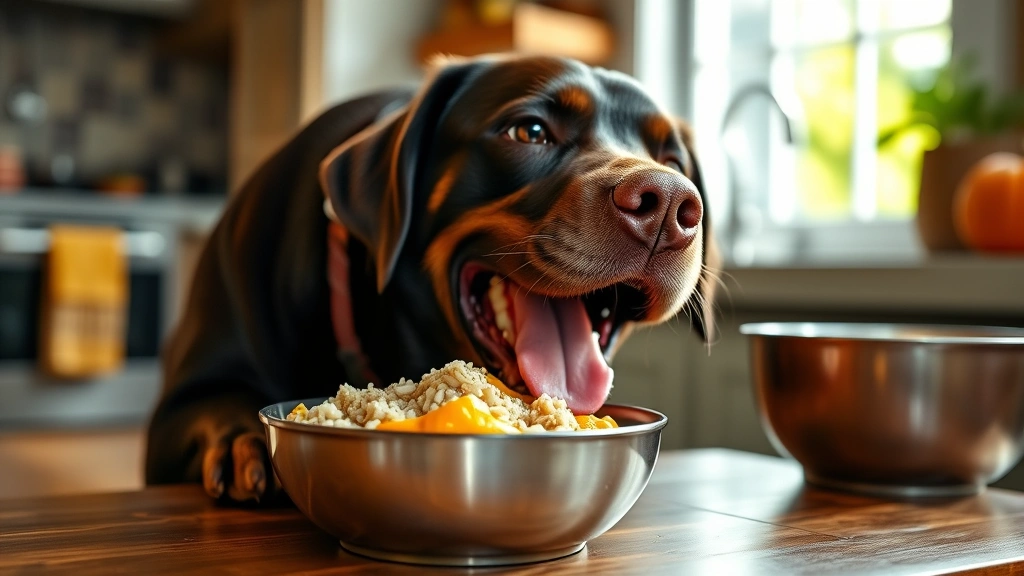
Rather than immediately reaching for Pepto Bismol, there are several safer alternatives worth considering when your dog experiences digestive upset. Plain pumpkin puree (not pie filling) is a popular, gentle option that many veterinarians recommend. It’s high in fiber and can help with both diarrhea and constipation by normalizing digestive function. A tablespoon or two mixed with food can work wonders for many dogs.
Bone broth made specifically for dogs (without onions, garlic, or excessive salt) can provide both hydration and nutritional support during digestive upset. The gelatin and amino acids in bone broth are soothing to the gastrointestinal tract. Similarly, plain cooked chicken or turkey with white rice can serve as a bland diet that’s easier on an upset stomach than regular dog food.
Probiotics designed specifically for dogs are increasingly recommended by veterinarians as a way to support healthy gut bacteria and improve digestive function. These are generally very safe and can be beneficial for dogs experiencing various digestive issues. Slippery elm bark is another natural remedy that some veterinarians recommend for its soothing properties on the digestive tract.
When exploring what you can give a dog for upset stomach, fasting for 12-24 hours (in consultation with your vet) can sometimes allow the digestive system to reset itself. Simply providing plenty of fresh water during this period helps prevent dehydration. Many cases of mild digestive upset resolve naturally without any intervention beyond dietary modification and rest.
When to Contact Your Veterinarian
Knowing when to skip home remedies entirely and head straight to your veterinarian is crucial for your dog’s health. If your dog’s diarrhea lasts more than 24 hours, contains blood, or is accompanied by vomiting, lethargy, or loss of appetite, professional veterinary evaluation is necessary. These symptoms could indicate serious conditions that require proper diagnosis and treatment.
Any signs of abdominal pain such as hunching, whining, or reluctance to move warrant a veterinary visit. If your dog experiences multiple episodes of vomiting or if vomiting accompanies diarrhea, this suggests something more serious than simple dietary indiscretion. Similarly, if your dog appears lethargic or shows signs of dehydration (dry gums, loss of skin elasticity), professional help is needed immediately.
Before administering any medication, including over-the-counter remedies like Pepto Bismol, it’s wise to consult with your veterinarian. They can properly diagnose what’s causing your dog’s symptoms and recommend the most appropriate treatment. This is especially important if your dog is on any other medications or has existing health conditions.
According to the American Kennel Club’s expert advice, when in doubt, it’s always better to err on the side of caution and contact your veterinarian. Professional guidance ensures your dog receives appropriate care tailored to their individual needs rather than generic over-the-counter treatments.
For dogs experiencing chronic or recurring digestive issues, your veterinarian may recommend diagnostic testing to identify underlying causes. Conditions like food allergies, inflammatory bowel disease, or parasites require specific treatments that Pepto Bismol cannot address. Understanding the root cause of your dog’s symptoms is far more valuable than simply treating the symptoms.
Frequently Asked Questions
Is Pepto Bismol toxic to dogs?
Pepto Bismol is not typically toxic to dogs in small, occasional doses, but it can become problematic with repeated or excessive use. The salicylate content can accumulate in a dog’s system and potentially cause toxicity. Always follow veterinary guidance regarding dosage and frequency. According to the ASPCA Animal Poison Control Center, bismuth subsalicylate should be used cautiously in dogs and only under veterinary supervision.
How long does Pepto Bismol take to work in dogs?
If Pepto Bismol is going to be effective, you should typically see some improvement within 2-4 hours. However, if there’s no improvement after this timeframe or if symptoms worsen, discontinue use and contact your veterinarian. It’s important to remember that Pepto Bismol addresses symptoms rather than underlying causes.
Can I give my puppy Pepto Bismol?
Puppies should not receive Pepto Bismol without explicit veterinary approval. Their digestive systems are still developing, and they’re more susceptible to adverse effects from medications. Additionally, puppies experiencing diarrhea may have parasites or other conditions requiring specific treatment rather than over-the-counter remedies.
What’s the difference between is Pepto-Bismol safe for dogs versus other antacids?
Different antacids work through different mechanisms and have varying safety profiles in dogs. Some alternatives like famotidine (Pepcid) are actually more commonly recommended by veterinarians for dogs with acid reflux or gastric upset. Your veterinarian can recommend the safest option for your dog’s specific situation.
Can Pepto Bismol cause constipation in dogs?
While Pepto Bismol’s primary effect is typically anti-diarrheal, some dogs may experience constipation following its use. This is another reason why it should only be used for short-term relief under veterinary guidance. If constipation develops, contact your veterinarian for recommendations.
Should I use Pepto Bismol or probiotics for my dog’s upset stomach?
Probiotics are generally considered safer for long-term use and can actually support healthy digestive function. They’re beneficial for many dogs and rarely cause adverse effects. Pepto Bismol is more of a short-term symptom reliever. For most situations, probiotics would be the better choice, though your veterinarian should guide this decision based on your dog’s specific needs.
What if my dog accidentally ingested Pepto Bismol?
If your dog consumed a small amount of Pepto Bismol accidentally, it’s unlikely to cause serious harm. However, if a large quantity was ingested or if your dog shows signs of distress, contact your veterinarian or Pet Poison Helpline immediately. Having the product container available with ingredient information is helpful when calling for guidance.