
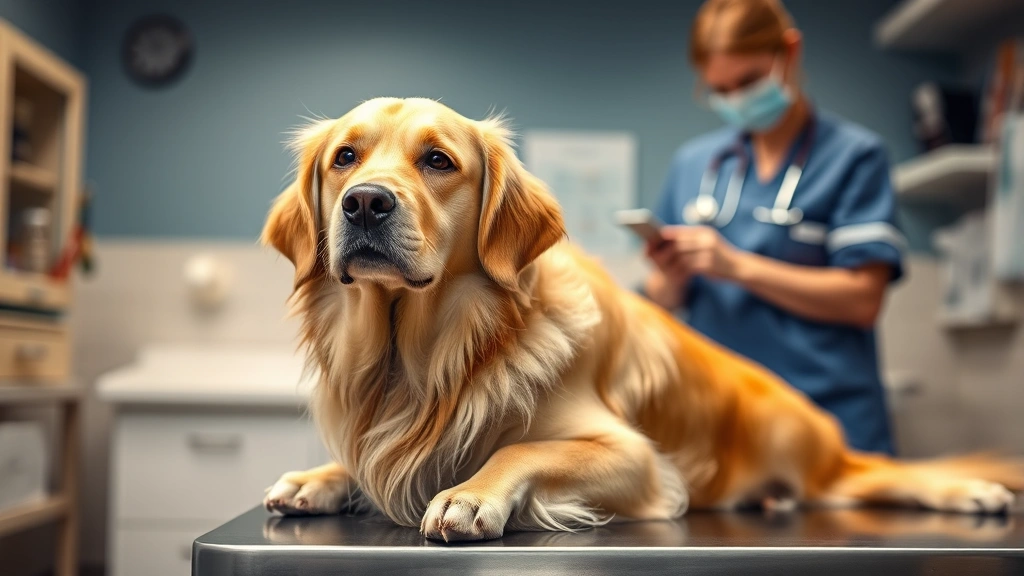
Can You Spay a Dog in Heat? What Vets Recommend
If you’re a dog parent navigating the world of reproductive health for your furry friend, you’ve probably wondered: can you spay a dog in heat? It’s a question that catches many pet owners off guard, especially when their female dog’s heat cycle arrives unexpectedly. The short answer? It’s complicated—and your veterinarian’s recommendation matters more than you might think.
The decision to spay your dog during her heat cycle involves weighing medical risks, recovery considerations, and your vet’s professional expertise. While the procedure is technically possible, most veterinarians suggest waiting it out rather than rushing into surgery. Let’s dive into what you need to know to make the best decision for your beloved canine companion.
Understanding the nuances of spaying during heat isn’t just academic—it directly impacts your dog’s health and recovery. Whether you’re dealing with an unexpected heat cycle or planning ahead, this guide will help you navigate the conversation with your veterinarian and understand why timing matters.
Understanding a Dog’s Heat Cycle
Before we address whether spaying during heat is safe, let’s clarify what’s actually happening in your dog’s body. Do dogs have periods? Well, not exactly like humans do, but female dogs do experience a reproductive cycle that’s often compared to menstruation.
A dog’s heat cycle, or estrus, typically lasts between 7 to 14 days, though how long dogs are in heat varies by individual. During this time, her body undergoes significant hormonal changes. The cycle has several stages: proestrus (when bleeding begins), estrus (when she’s fertile), diestrus (when fertility decreases), and anestrus (the resting period). During proestrus and estrus, the vulva swells, and there’s vaginal bleeding or discharge.
Most dogs go into heat twice yearly, though this varies by breed and age. Smaller breeds may cycle more frequently, while larger breeds might cycle less often. The first heat typically occurs between 6 to 12 months of age, depending on the breed.
During heat, blood vessels in the reproductive tract become engorged and more fragile. This physiological state is crucial to understanding why vets hesitate to perform spay surgeries during this time.
Can You Spay During Heat?
The technical answer is yes—veterinarians can spay a dog while she’s in heat. However, the real question isn’t about capability; it’s about whether they should. Whether a dog can be spayed while in heat is actually less important than understanding the risks involved.
When a dog is in heat, her reproductive organs are flooded with blood and hormones. The uterus and ovaries are engorged, making them more delicate and prone to bleeding during surgery. This increased vascularity means there’s a higher risk of hemorrhage during the procedure, which can complicate anesthesia and extend surgical time.
According to the American Kennel Club, most veterinarians prefer to schedule spay surgeries when dogs are not in heat for these very reasons. The procedure becomes more complex, recovery can be more challenging, and complications become more likely.
That said, emergency situations exist. If your dog has a pyometra (a life-threatening uterine infection), or if there are other medical emergencies, your vet may recommend spaying during heat to save her life. In these cases, the benefits clearly outweigh the risks.

Medical Risks and Complications
Understanding the specific risks helps explain why veterinarians typically recommend waiting. Let’s break down the potential complications:
- Increased bleeding: Engorged blood vessels mean more bleeding during surgery. While vets are skilled at managing this, it increases the complexity and duration of the procedure.
- Anesthesia complications: Extended surgery time means prolonged anesthesia exposure, which carries its own risks, especially for older dogs or those with health conditions.
- Infection risk: The hormonal changes during heat can affect immune function, potentially increasing infection risk during recovery.
- Seroma formation: Fluid accumulation under the incision site is more common after spaying during heat.
- Ovarian remnant syndrome: If tissue isn’t completely removed due to bleeding complications, dogs can experience continued heat cycles.
According to ASPCA guidelines, the complication rate for spaying during heat is notably higher than for routine spays. Post-operative bleeding, bruising, and swelling are more pronounced, and recovery typically takes longer.
For dogs with bleeding disorders or those taking blood thinners, the risks escalate significantly. Even healthy dogs face increased complications when spayed during heat.
What Veterinarians Recommend
The veterinary consensus is clear: wait if you can safely do so. Most veterinarians recommend spaying dogs before their first heat cycle or at least 4 to 6 weeks after the heat cycle ends. This timing allows the reproductive tract to return to its normal, non-engorged state.
The American Veterinary Medical Association supports this approach, noting that routine spays performed on non-cycling dogs have significantly lower complication rates and faster recovery times.
Your vet will likely discuss the optimal timing during your dog’s first veterinary visit. If you’ve missed the window and your dog is already in heat, most vets will recommend waiting until the cycle completes before scheduling surgery. This typically means waiting an additional 2 to 3 weeks from the start of her heat cycle.
However, your individual vet may have specific recommendations based on your dog’s health, age, and circumstances. Some emergency clinics or board-certified surgical specialists might feel more comfortable performing the procedure during heat if there’s a compelling reason to do so.

Why Timing Matters for Surgery
Surgical timing isn’t just about convenience—it directly impacts your dog’s safety and recovery experience. When you spay a dog at the right time, several benefits emerge:
Optimal healing: A non-engorged uterus and ovaries mean less bleeding, smaller incisions, and faster tissue healing. Your dog’s body can focus its energy on recovery rather than managing bleeding complications.
Reduced anesthesia time: Shorter surgery means less anesthesia exposure, which is particularly important for senior dogs or breeds prone to anesthetic sensitivity.
Faster return to normal: Dogs spayed at optimal times typically resume normal activity faster and with fewer restrictions.
Lower costs: How much it costs to spay a dog can vary, but emergency surgeries or complicated procedures cost significantly more. Waiting for the right time often means lower surgical fees.
Prevention of future issues: Spaying before the first heat provides the greatest protection against mammary tumors and eliminates the risk of pyometra entirely. Spaying after the first heat still provides significant benefits, though the protective effect is slightly reduced.
The ideal window is typically between 5 to 15 months of age, before the first heat cycle. If you’ve missed this window, the next best time is 4 to 6 weeks after heat ends.
Managing Heat While Waiting
If your dog is currently in heat and you’re waiting for the right time to spay, you’ll need strategies to manage the situation. How to stop a dog in heat from bleeding is a common question, but the truth is you can’t stop it entirely—that’s her body’s natural process. However, you can manage it:
- Use dog diapers: Specially designed heat diapers keep your furniture clean and protect your dog’s comfort.
- Limit outdoor access: Unspayed females in heat attract male dogs from impressive distances. Keep her indoors or in a securely fenced yard, never off-leash.
- Maintain extra hygiene: Wipe her vulva with warm water and a soft cloth periodically to maintain cleanliness and comfort.
- Provide safe spaces: Create comfortable resting areas where she can relax without staining your furniture.
- Keep her calm: Heat can make dogs restless and anxious. Provide appropriate exercise and mental stimulation without overexertion.
- Avoid breeding: Unless you’re a responsible breeder, keep her away from intact males during this period.
Some owners wonder about hormone treatments to suppress heat cycles, but most veterinarians caution against these due to potential side effects. Spaying remains the safest, most effective solution.
During this waiting period, maintain regular vet contact. If you notice signs of pyometra—lethargy, loss of appetite, vaginal discharge with an odor, or excessive thirst—contact your vet immediately.
Frequently Asked Questions
Is it ever necessary to spay a dog in heat?
Yes, in emergency situations. If your dog develops pyometra, a life-threatening uterine infection, spaying during heat becomes necessary to save her life. Additionally, if you have a breeding female who’s had an accidental mating and you want to prevent pregnancy, your vet might recommend immediate spaying. In these cases, the life-saving benefits outweigh the surgical risks.
What’s the difference between spaying before and after the first heat?
Spaying before the first heat provides maximum protection against mammary tumors (up to 99% risk reduction). Spaying after the first heat still provides significant protection (about 90%), but the benefit decreases with each subsequent cycle. Both timings are far superior to never spaying, regarding cancer prevention and eliminating pyometra risk.
How long after heat ends should I wait to spay?
Most veterinarians recommend waiting 4 to 6 weeks after the heat cycle completely ends. This allows the reproductive tract to return to its normal, non-engorged state. Your vet will give you a specific timeline based on your dog’s individual cycle.
Can I get my dog spayed immediately after her heat ends?
Not immediately—you need to wait for the tract to fully involute. Your vet will advise when it’s safe to schedule surgery. Typically, this means waiting until at least 4 weeks after the last signs of heat disappear. Some vets prefer to wait the full 6 weeks for maximum safety.
What if I didn’t know my dog was in heat and scheduled a spay?
Contact your veterinary clinic immediately. They may recommend rescheduling to a safer time, or they may have a plan for proceeding safely. Don’t delay in communicating this—your vet needs to know to adjust their surgical planning.
Are there any dog breeds that shouldn’t be spayed during heat?
All breeds carry increased risk during heat, but some considerations apply. Large and giant breeds may have higher anesthetic risks, and breeds prone to bleeding disorders should definitely be spayed during non-heat periods. Discuss your specific breed’s considerations with your vet.
Will spaying affect my dog’s personality or energy level?
Spaying eliminates heat-related behavioral changes like restlessness and aggression toward other females. Most dogs don’t experience significant personality changes. Some may have slightly reduced energy levels due to hormonal changes, but appropriate exercise and diet management maintain healthy activity levels. The timing of spaying doesn’t significantly affect these outcomes.





