
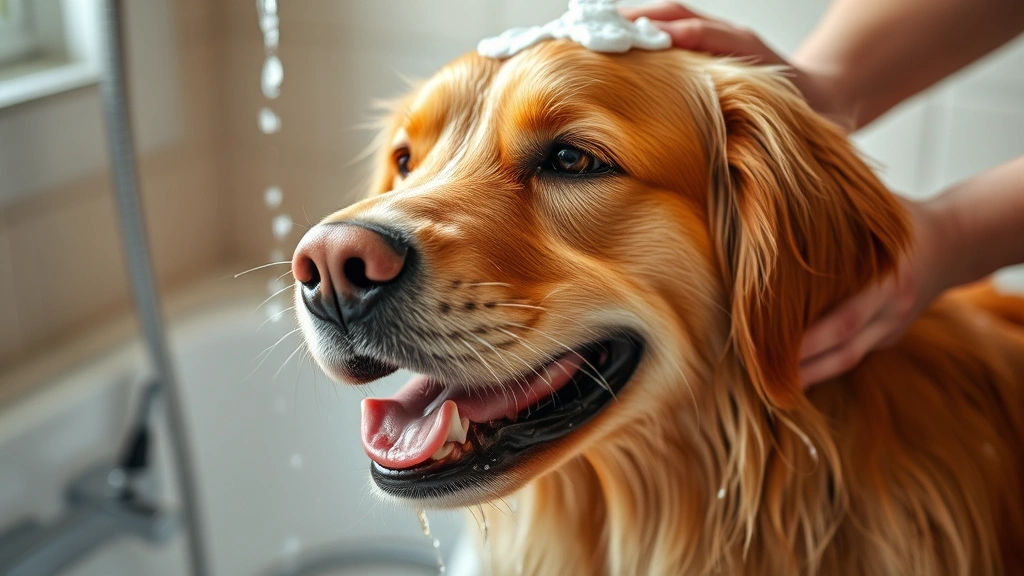
So you’re standing in your bathroom, staring at that bottle of cat shampoo, and wondering: can you use cat shampoo for dogs? Your pup is due for a bath, the cat shampoo is right there, and you’re thinking maybe you could save a few bucks. Before you squeeze that bottle onto your dog’s fur, let’s talk about why this might not be the brilliant money-saving hack you think it is.
Table of Contents
- Why Cat Shampoo and Dog Shampoo Are Different
- The pH Balance Problem Explained
- Potential Side Effects of Using Cat Shampoo on Dogs
- What About Medicated Cat Shampoos?
- Breed-Specific Shampoo Considerations
- The Cost Argument Doesn’t Actually Hold Up
- What About Human Shampoo? Same Problem
- Choosing the Right Dog Shampoo for Your Pup
- Natural Alternatives Worth Considering
- Frequently Asked Questions
- The Bottom Line on Cat Shampoo for Dogs
Why Cat Shampoo and Dog Shampoo Are Different
Here’s the thing—cats and dogs have completely different skin chemistry. Your dog’s skin is naturally more acidic, with a pH level between 6.2 and 7.4, while cats are even more acidic at around 6.0 to 6.5. But wait, that means cat shampoo should work on dogs, right? Not exactly. The real issue is that cat shampoos are formulated specifically for feline skin, which is thinner and more sensitive than dog skin. Cat shampoos often contain ingredients that are perfect for cats but can irritate your dog’s skin or cause dryness and itching. When you’re looking at pet stress supplements, you’ll notice vets recommend breed-specific products for a reason—it all comes down to biology.
The pH Balance Problem Explained
Both cats and dogs need shampoo that matches their skin’s pH level, but the formulations differ significantly. Dog shampoos are engineered to maintain the protective acid mantle on your dog’s skin, which keeps bacteria and fungi at bay. Cat shampoos, on the other hand, are designed for a cat’s thinner epidermis and different oil production. Using the wrong shampoo can strip away natural oils, leaving your dog’s coat dull and their skin vulnerable to infections. This is especially problematic for dogs with sensitive skin or existing dermatological conditions.
Potential Side Effects of Using Cat Shampoo on Dogs
Let’s get real about what could happen if you use cat shampoo on your dog. The most common side effects include excessive itching, dry skin, flaking, and redness. Some dogs might develop contact dermatitis, which is basically an allergic reaction to the shampoo. In severe cases, you could see hair loss or secondary skin infections from your dog scratching excessively. Certain cat shampoos contain ingredients like tea tree oil or essential oils that can be toxic to dogs in concentrated forms. Before reaching for any product, consider checking veterinarian recommended supplements to understand what vets actually suggest for your pet’s health.
What About Medicated Cat Shampoos?
This is where things get really dicey. If you’re thinking about using a medicated cat shampoo on your dog—don’t. Medicated shampoos for cats often contain antifungal or antibacterial agents specifically dosed for feline skin. Using these on your dog could result in underdosing (making the treatment ineffective) or overdosing (causing toxicity). Some medications used in cat shampoos, like certain antifungals, can be harmful to dogs. Always consult your veterinarian before using any medicated shampoo on your pet, regardless of where it came from.
Breed-Specific Shampoo Considerations
Different dog breeds have vastly different coat types and skin needs. A Golden Retriever’s thick, oily coat requires completely different care than a Chihuahua’s delicate skin. Large breed dogs often need shampoos that support joint health and coat density, while small breeds need gentler formulations. Hypoallergenic dog shampoos are formulated to avoid common allergens that affect canine skin. When you use a cat shampoo on your dog, you’re completely ignoring these breed-specific needs, which can lead to coat problems and skin issues down the road.
The Cost Argument Doesn’t Actually Hold Up
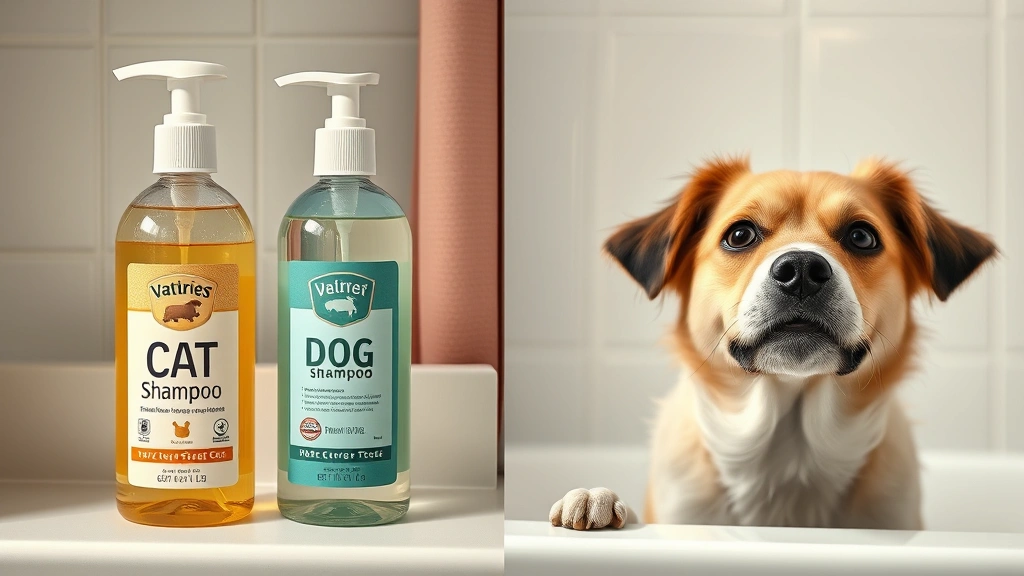
Sure, you might save a dollar or two by using cat shampoo on your dog, but consider the potential vet bills if your pup develops a skin infection or dermatitis. A single veterinary visit for skin issues can cost $200-$500, and if antibiotics or additional treatments are needed, you’re looking at significantly more. Quality dog shampoo typically costs between $10-$30 per bottle and lasts several baths. The math just doesn’t work in favor of the cat shampoo shortcut. Plus, if you need to explore pet supplement ingredient transparency, you’ll see that reputable pet products are worth the investment.
What About Human Shampoo? Same Problem
While we’re on the topic of using the wrong products, let’s address human shampoo too. Your dog’s skin is much more sensitive than your own, and human shampoo is way too alkaline for canine skin. Using human shampoo on your dog can cause the same problems as cat shampoo—dryness, itching, and irritation. Your dog’s skin barrier is already compromised by living indoors, eating processed food, and environmental stressors. The last thing they need is harsh human shampoo stripping away their natural protective oils.
Choosing the Right Dog Shampoo for Your Pup
So what should you actually use? Look for dog shampoos that are pH-balanced specifically for canines. Check the ingredient list and avoid anything with harsh sulfates or parabens. If your dog has sensitive skin, allergies, or specific coat needs, your vet can recommend a shampoo tailored to their condition. Oatmeal-based shampoos are great for itchy skin, coconut oil shampoos work well for dry coats, and hypoallergenic options are perfect for dogs with food or environmental allergies. Some dog owners prefer natural or organic shampoos, which can be excellent if they’re properly formulated for canine pH levels.
Natural Alternatives Worth Considering
If you’re concerned about chemicals, there are legitimate natural dog shampoo options that actually work. Coconut oil, aloe vera, and oatmeal are all dog-safe ingredients found in quality natural shampoos. You can even make a simple dog shampoo at home using dog-safe ingredients, though it requires research to get the pH balance right. Some pet parents swear by apple cider vinegar rinses after shampooing, which can help restore pH balance and add shine to the coat. The key is ensuring whatever you use is formulated with your dog’s specific needs in mind, not just grabbing whatever’s in your medicine cabinet.
Frequently Asked Questions
Will one bath with cat shampoo hurt my dog?
A single bath with cat shampoo probably won’t cause serious harm, but it might leave your dog’s skin feeling dry or itchy. If your dog shows signs of irritation afterward, rinse them thoroughly with plain water and switch to proper dog shampoo immediately. Monitor their skin for the next few days for any developing issues.
Can I use dog shampoo on my cat?
No, you shouldn’t use dog shampoo on cats either. Dog shampoos are too harsh for feline skin and can cause similar irritation problems. Cats have their own specific skincare needs, and products should be formulated accordingly.
What if my dog has sensitive skin?
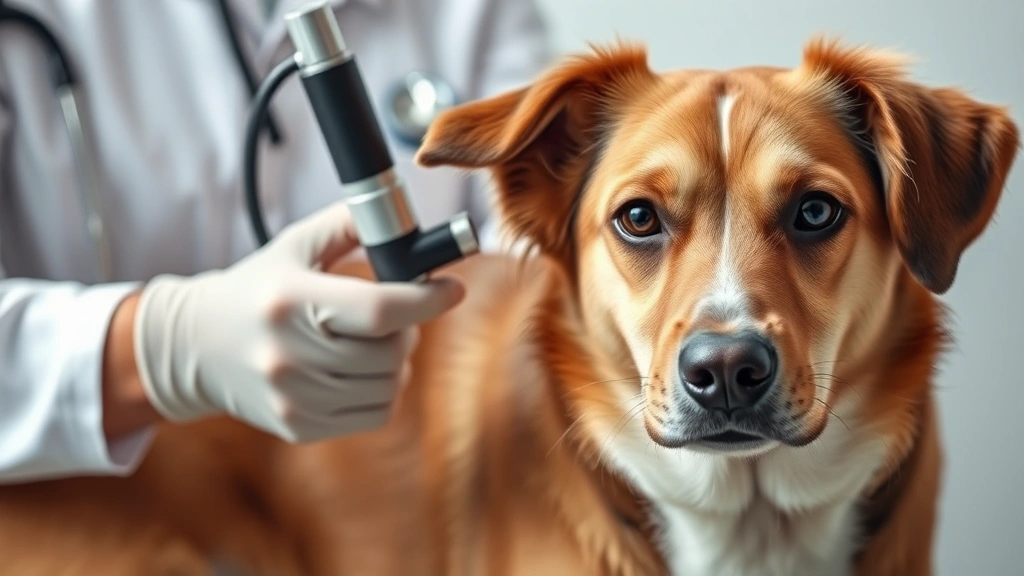
Dogs with sensitive skin need specially formulated shampoos designed for their condition. Talk to your veterinarian about prescription or hypoallergenic shampoos. Using the wrong product on sensitive skin can trigger allergic reactions or worsen existing dermatitis.
Are expensive dog shampoos worth it?
Not necessarily. You don’t need to buy the most expensive brand, but you should buy a quality shampoo formulated for dogs. Mid-range dog shampoos from reputable brands often work better than bargain options or cross-species products.
How often should I bathe my dog?
Most dogs need bathing every 4-6 weeks, though this varies by breed, coat type, and activity level. Dogs with oily coats might need more frequent baths, while those with dry skin might need less. Your vet can recommend the right bathing schedule for your dog.
The Bottom Line on Cat Shampoo for Dogs
Can you use cat shampoo for dogs? Technically, your dog might survive a bath with cat shampoo, but it’s not recommended and could cause skin problems. The formulations are different for a reason—cats and dogs have different skin chemistry and care needs. Invest in a proper dog shampoo that’s pH-balanced for canine skin, and your pup will have a healthier coat and fewer skin issues. Your dog’s skin health is worth the extra few dollars, and you’ll save money in the long run by avoiding vet visits for preventable skin problems. When in doubt about what products to use on your pet, consult your veterinarian. They can recommend the best shampoo for your dog’s specific needs and help you avoid costly mistakes.





