
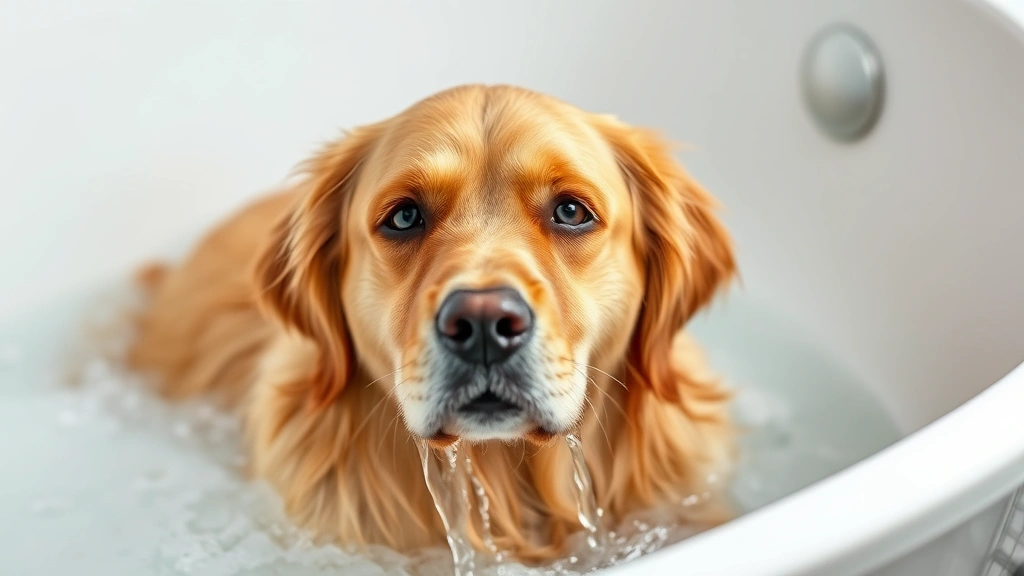
Can You Use Dawn Dish Soap on Dogs? Expert Advice
Your golden retriever just rolled in mud, your labrador found the greasiest spot in the yard, or your pup got into something sticky at the park. Your first instinct? Grab that trusty bottle of Dawn dish soap from under the kitchen sink. After all, if it cuts through grease on your dishes, surely it’ll work on your furry friend, right? Well, hold your horses—or should we say, hold your hounds! While Dawn dish soap has become somewhat of a household legend for pet cleaning, the reality is far more nuanced than you might think.
The question of whether you can use Dawn dish soap on dogs isn’t a simple yes or no. Instead, it requires understanding your dog’s skin chemistry, the specific formulation of the product, and when it might actually be appropriate to use it. As pet parents, we want to do right by our four-legged companions, and that means making informed decisions about what we put on their skin and fur.
In this comprehensive guide, we’ll explore everything you need to know about using Dawn dish soap on dogs, including when it might be acceptable, why it’s generally not recommended, and what safer alternatives exist for keeping your pup clean and fresh.
Why Dawn Dish Soap Became Popular for Dog Bathing
Dawn dish soap has earned an almost mythical status in pet care circles, and there are some legitimate reasons for this reputation. The original blue Dawn formula became famous for its use in wildlife rehabilitation, particularly for cleaning oil-covered birds and marine animals following environmental disasters. When rescue workers successfully used Dawn to remove crude oil from pelicans and other wildlife, pet owners took notice and began wondering if this powerful degreaser could work on their dogs.
The logic seemed sound: if Dawn could strip heavy petroleum products from bird feathers, surely it could handle a stubborn case of mud, grease, or mysterious yard gunk on your dog’s coat. Additionally, Dawn is affordable, readily available in most households, and many people already trust it for their own cleaning needs. Word spread through dog parks and online pet communities, and before long, using Dawn on dogs became a widely accepted—if not always recommended—practice.
The product’s popularity also stems from the fact that it does actually work. It cuts through oils and grime effectively, leaving dogs feeling clean. However, effectiveness doesn’t necessarily equal safety, which is where many pet owners get tripped up in their bathing decisions.
Understanding Your Dog’s Skin
Before we can properly answer whether you can use Dawn to wash your dog, we need to understand what makes dog skin different from human skin—and why that matters.
Your dog’s skin has a pH level that’s significantly more neutral than human skin. While human skin is naturally acidic with a pH of around 4.5 to 5.5, dog skin ranges from 6.5 to 7.5. This seemingly small difference is actually huge when it comes to maintaining a healthy skin barrier. Your dog’s skin also has a thinner outer layer (stratum corneum) compared to humans, making it more vulnerable to irritation and moisture loss.
This delicate pH balance serves an important purpose: it helps maintain your dog’s natural protective barrier and supports beneficial bacteria that keep their skin healthy. When you use a product that’s formulated for human skin or dishes—like Dawn—you’re introducing something with a pH that doesn’t match your dog’s needs. This can disrupt the natural skin barrier, strip away protective oils, and create an environment where harmful bacteria and yeast can thrive.
Additionally, dogs have fewer sweat glands than humans and rely heavily on their coat’s natural oils for temperature regulation and skin protection. When you use a harsh degreaser designed to strip oil from dishes, you’re doing exactly that to your dog’s coat—removing those crucial protective oils that took weeks to build back up.
Is Dawn Actually Safe for Dogs?
So, is Dawn dish soap safe for dogs? The answer depends on several factors: the specific formulation, how often it’s used, your individual dog’s skin sensitivity, and the concentration used.
According to the Association of American Feed Control Officials, Dawn dish soap is not formulated for use on pets and therefore doesn’t meet pet-specific safety standards. The product is designed for dishes and kitchen surfaces, not for the delicate skin of animals. While the original blue Dawn formula is less toxic than many other dish soaps, it’s still harsher than products formulated specifically for dogs.
In small, diluted amounts and used occasionally, Dawn is unlikely to cause serious harm to most dogs. However, this doesn’t make it safe or ideal. It’s more accurate to say it’s “not ideal but not immediately dangerous in limited use.” Think of it like this: you might survive eating gas station sushi once, but that doesn’t mean it’s a good idea or something you should make a habit of.
The real concern isn’t usually acute toxicity but rather the cumulative effects of regular use: chronic skin irritation, dryness, itching, and compromised skin barrier function. These issues can lead to secondary infections, hot spots, and increased susceptibility to parasites and allergens.
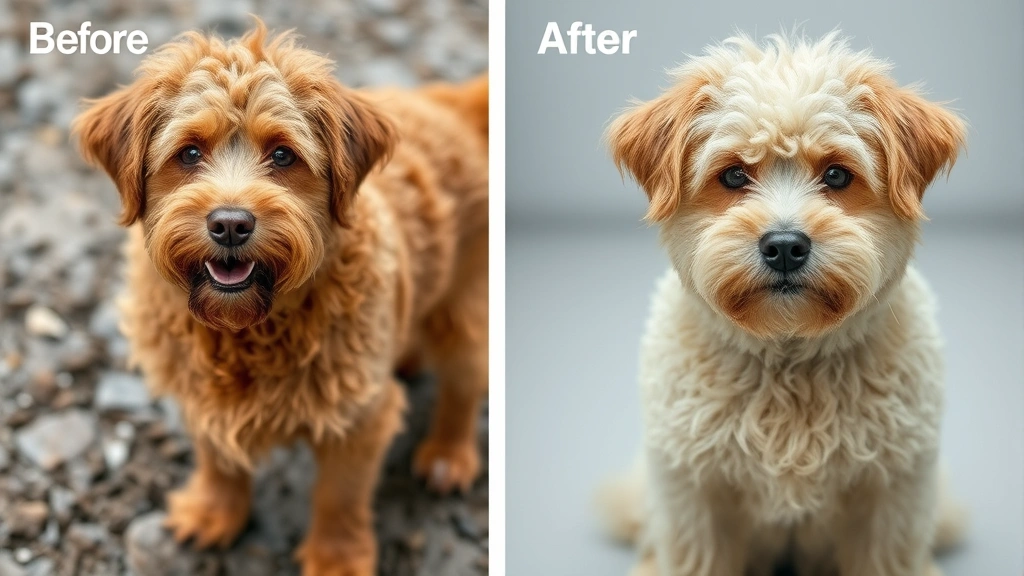
When Vets Recommend Dawn for Dogs
Interestingly, there are specific situations where veterinarians actually do recommend using Dawn to wash your dog. Understanding these exceptions helps clarify when and why this product might be appropriate.
Oil or Grease Contamination: If your dog has gotten into motor oil, tar, or other petroleum-based products, diluted Dawn can be an effective way to remove these dangerous substances before they’re absorbed through the skin or ingested during grooming. In these emergency situations, the temporary use of Dawn is preferable to leaving toxic substances on your dog’s coat.
Flea Treatment: Some veterinarians recommend using Dawn as a supplemental flea treatment, particularly for puppies or dogs with sensitive skin who might react poorly to traditional flea medications. A single bath with diluted Dawn can help remove fleas, though it’s typically used alongside other flea prevention methods rather than as a standalone treatment.
Severe Skin Infections: In cases of bacterial or yeast overgrowth, vets might recommend Dawn as a temporary cleansing agent before applying medicated treatments. The degreasing properties can help remove excess oils that feed fungal growth.
Post-Surgical Cleaning: After certain surgical procedures, vets might recommend a gentle Dawn wash to keep the area clean without using a harsh medicated shampoo that could irritate healing tissue.
In all these cases, the recommendation typically includes important caveats: use a highly diluted solution, use it only once or twice, follow up with a moisturizing rinse, and don’t make it a regular practice. These are emergency or short-term solutions, not long-term grooming strategies.
Potential Risks and Side Effects
Understanding the potential downsides of using Dawn on your dog helps illustrate why veterinary dermatologists prefer pet-specific shampoos. Here are the main risks:
- Skin Irritation and Dermatitis: The most common result of regular Dawn use is irritated, itchy, flaky skin. Dogs may develop contact dermatitis, characterized by redness, excessive scratching, and discomfort.
- Dry, Brittle Coat: By stripping natural oils, Dawn can leave your dog’s fur dry, dull, and prone to breakage. This affects both appearance and protective function.
- pH Imbalance: Disrupting your dog’s natural skin pH can lead to bacterial and yeast overgrowth, potentially causing infections, odor, and secondary skin issues.
- Increased Allergen Sensitivity: A compromised skin barrier allows allergens and irritants to penetrate more easily, potentially worsening allergies or creating new sensitivities.
- Eye Irritation: If Dawn gets in your dog’s eyes during bathing, it can cause significant irritation and discomfort. The product is formulated to cut through oils, including the protective oils in the eye area.
- Neurological Effects with Repeated Use: While rare, some ingredients in dish soap can cause neurological issues if absorbed in significant quantities over extended periods.
These risks increase substantially with regular use. A one-time emergency wash with diluted Dawn is vastly different from using it every week for regular grooming.
Better Alternatives for Dog Bathing
Now that we’ve explored the concerns about Dawn, let’s talk about what actually works better for keeping your dog clean and healthy. The good news? There are excellent alternatives that are specifically formulated for your dog’s skin.
Dog-Specific Shampoos: Products formulated specifically for dogs are pH-balanced to match canine skin chemistry. They contain ingredients that cleanse without stripping essential oils. Brands recommended by veterinary dermatologists include Earthbath, Burt’s Bees for Dogs, Veterinary Formula, and Douxo.
If you’re wondering whether you can use baby shampoo on dogs, the answer is similar to the Dawn question: occasionally and in diluted form, maybe, but it’s still not ideal. Baby shampoo is formulated for human skin, not dog skin.
Medicated Shampoos: For dogs with specific skin conditions—yeast infections, bacterial infections, allergies, or seborrhea—medicated shampoos prescribed or recommended by your vet are essential. These contain therapeutic ingredients that address underlying problems rather than just cleaning.
Natural and Organic Options: If you prefer natural ingredients, look for shampoos made with oatmeal, aloe vera, or coconut oil. These tend to be gentler while still being effective. Oatmeal-based shampoos are particularly good for dogs with sensitive skin or allergies.
Waterless and Dry Shampoos: For between-bath freshening or quick cleanups, dry shampoos and waterless products are excellent alternatives. These don’t require rinsing and can help absorb oils and odors without any of the skin irritation risks associated with harsh soaps.
Grooming Wipes: For spot cleaning or quick cleanups, pet-specific grooming wipes are convenient and safe. They’re great for cleaning a dog’s ears or wiping down muddy paws.
How to Safely Bathe Your Dog
Whether you’re using an appropriate dog shampoo or, in rare cases, diluted Dawn, here’s how to bathe your dog safely and effectively:
Preparation: Brush your dog thoroughly before bathing to remove mats and loose fur. This prevents tangles and helps the shampoo reach the skin. Have all supplies ready before you start: shampoo, towels, washcloth, and a non-slip mat for the tub or shower.
Water Temperature: Use lukewarm water—not hot. Hot water can further dry out the skin and is uncomfortable for dogs. Test the temperature with your elbow first, just like you would for a baby.
Proper Dilution (if using Dawn): If you must use diluted Dawn, mix one part soap with ten parts water. This significantly reduces the concentration of harsh ingredients. For regular dog shampoos, follow the manufacturer’s instructions, which typically recommend diluting as well.
Application: Wet your dog’s coat thoroughly, starting from the neck and working backward. Apply shampoo in sections, working it into a lather but being careful to avoid the eyes, ears, and nose. Massage gently into the skin for a few minutes to allow the product to work.
Rinsing: This is crucial. Rinse thoroughly with lukewarm water until all soap residue is gone. Leftover shampoo can cause irritation and dryness. This might take longer than you think—keep rinsing until the water runs completely clear.
Conditioning: Consider using a dog-specific conditioner after shampooing, especially if your dog has a dry coat or sensitive skin. This helps restore moisture and protective oils.
Drying: Towel dry your dog gently, and if using a hair dryer, use the lowest heat setting and keep it moving to avoid burns. Some dogs prefer air drying, which is perfectly fine.
Post-Bath Care: After bathing, give your dog a few hours before applying any topical treatments or medications. Also, to get rid of dog smell between baths, regular brushing and proper diet are often more effective than frequent washing.
Bathing Frequency: Most healthy dogs only need bathing every 4-12 weeks, depending on their coat type, activity level, and individual needs. Over-bathing is one of the most common causes of dry, irritated dog skin.
Frequently Asked Questions
Is it ever okay to use Dawn on dogs?
In emergency situations involving petroleum products, oil, or severe flea infestations, a single diluted wash with Dawn may be acceptable under veterinary guidance. However, it should never be used as a regular grooming product. The risks of skin irritation, dryness, and barrier dysfunction outweigh any benefits for routine bathing.
What’s the difference between Dawn and dog shampoo?
Dog shampoos are pH-balanced for canine skin (around 6.5-7.5), contain moisturizing ingredients, and are formulated to maintain the skin barrier. Dawn is designed to strip grease and oils from dishes and has a pH closer to human skin products. Using it on dogs disrupts their natural skin chemistry.
My dog has really oily fur. Won’t Dawn help?
While Dawn might temporarily reduce oiliness, it will trigger your dog’s skin to overproduce oil to compensate for the stripping effect. This creates a cycle where your dog’s coat becomes greasier over time. A proper dog shampoo that gently cleanses without over-stripping is a better long-term solution.
Can I use diluted Dawn for flea treatment?
Diluted Dawn can help remove fleas in a single wash, but it’s not a reliable long-term flea prevention method. Modern flea treatments are far more effective and safer. If you’re concerned about flea prevention, consult your veterinarian about prescription options that are both safe and highly effective.
What if my dog has very sensitive skin?
Dogs with sensitive skin should absolutely avoid Dawn. Instead, look for hypoallergenic, fragrance-free dog shampoos recommended for sensitive skin. Oatmeal-based formulas are particularly good for itchy, reactive skin.
How do I know if my dog’s skin is irritated from shampoo?
Signs of shampoo-related irritation include excessive scratching, redness, flaking, hair loss, odor, or visible rashes. If you notice these symptoms after bathing, discontinue the product and consult your veterinarian. It may take a few weeks of using an appropriate shampoo for the skin to recover.
Is the brand of Dawn important?
Yes, different Dawn formulations vary in strength. The original blue formula is generally considered the gentlest option, while concentrated versions or specialty formulas are harsher. However, none of them are ideal for regular dog bathing, regardless of brand.
Can puppies be bathed with Dawn?
Puppies have even more delicate skin than adult dogs and should never be bathed with Dawn. Their developing skin barrier is particularly vulnerable to disruption. Always use a puppy-specific shampoo formulated for their gentle skin.





