
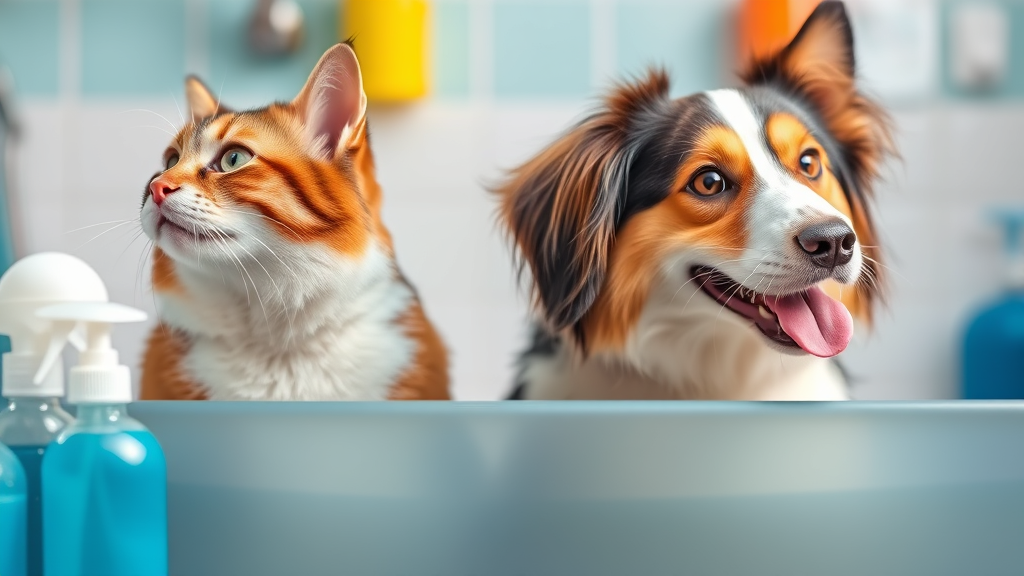
When it comes to pet grooming, many multi-pet households face the practical question: can you use dog shampoo on cats? This seemingly simple question has important implications for your feline friend’s health and safety. While it might seem convenient to use one product for all your pets, cats have unique physiological needs that differ significantly from dogs.
The short answer is that while dog shampoo won’t typically cause immediate harm to cats in emergency situations, it’s not recommended for regular use. Cats have different skin pH levels, grooming behaviors, and sensitivities that make species-specific products the safer choice. Understanding these differences is crucial for maintaining your cat’s health and ensuring their grooming routine supports their natural skin barrier and overall well-being.
Understanding Skin pH Differences Between Cats and Dogs
The most fundamental difference between cats and dogs when it comes to grooming products lies in their skin pH levels. Cats typically have a skin pH ranging from 6.2 to 7.5, which is more neutral to slightly alkaline compared to dogs, whose skin pH ranges from 5.5 to 7.5, generally more acidic. This difference might seem minor, but it plays a crucial role in maintaining the skin’s protective barrier.
The skin’s natural pH balance helps maintain the acid mantle, a thin protective layer that prevents harmful bacteria and fungi from penetrating the skin. When you use a product formulated for a different pH level, you risk disrupting this delicate balance, potentially leading to skin irritation, dryness, or increased susceptibility to infections.
Dog shampoos are specifically formulated to work with canine skin pH levels and may contain ingredients that are too harsh or inappropriate for feline skin. The American Veterinary Medical Association emphasizes the importance of using species-appropriate grooming products to maintain optimal skin health in pets.
Key Ingredient Concerns in Dog Shampoos
Several common ingredients found in dog shampoos can be problematic for cats. Essential oils like tea tree oil, eucalyptus, and citrus oils are frequently used in dog grooming products but can be toxic to cats due to their unique metabolism. Cats lack certain liver enzymes that help break down these compounds, making them more susceptible to poisoning.
Permethrin, a synthetic insecticide commonly found in flea shampoos for dogs, is particularly dangerous for cats and can cause severe neurological symptoms including tremors, seizures, and even death. The ASPCA Animal Poison Control Center reports numerous cases of permethrin toxicity in cats each year.
Other concerning ingredients include sulfates and parabens, which while not necessarily toxic, can cause skin irritation and allergic reactions in sensitive cats. Artificial fragrances and dyes, common in many dog shampoos, can also trigger allergic responses in felines. Understanding the difference between species is important, just as cats and dogs have different cognitive abilities, they also have different physiological responses to various substances.
When Emergency Use Might Be Necessary
There are rare circumstances when using dog shampoo on a cat might be unavoidable, such as emergency situations involving toxic substances on the cat’s fur or when no cat-specific products are immediately available. In these cases, choosing the gentlest possible dog shampoo is crucial.
Look for dog shampoos that are free from essential oils, artificial fragrances, and harsh chemicals. Puppy shampoos are often milder and may be safer for emergency use on cats, though they should still be used sparingly and rinsed thoroughly. However, even in emergencies, alternatives like Dawn dish soap, which is considered safe for dogs, might be a better option as it’s also commonly used by wildlife rehabilitators for cleaning animals.
If you must use dog shampoo on your cat in an emergency, dilute it significantly with water, apply only to the necessary areas, and rinse thoroughly multiple times. Monitor your cat closely for any signs of skin irritation, excessive grooming, or behavioral changes following the bath.
Choosing the Right Shampoo for Your Cat
When selecting a shampoo specifically designed for cats, look for products that are pH-balanced for feline skin and free from potentially harmful ingredients. Quality cat shampoos should be gentle, hypoallergenic, and formulated without artificial fragrances, dyes, or harsh chemicals.
Consider your cat’s specific needs when choosing a shampoo. Cats with sensitive skin may benefit from oatmeal-based formulas, while those with flea problems should use products specifically designed for cats containing safe active ingredients like pyrethrin (not permethrin). The FDA Center for Veterinary Medicine provides guidelines for safe pet grooming products.
For cats that require frequent bathing due to skin conditions or long coats, consult with your veterinarian about medicated shampoos. Some conditions may require prescription treatments that address specific dermatological issues while maintaining the skin’s natural protective barriers.
Safe Alternatives to Commercial Shampoos
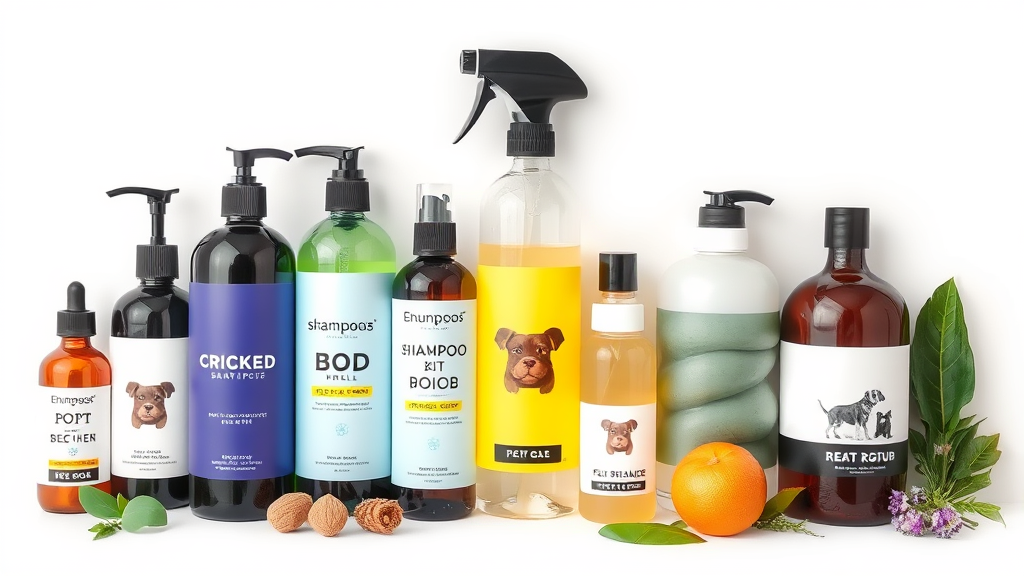
For pet owners seeking natural alternatives, several safe options exist for cleaning cats without commercial shampoos. Plain warm water is often sufficient for routine cleaning, especially for indoor cats that maintain their cleanliness through natural grooming behaviors.
A mixture of gentle baby shampoo (fragrance-free) and water can serve as an emergency cleaning solution, though it should be used sparingly. Some pet owners successfully use diluted apple cider vinegar rinses for deodorizing, though this should be thoroughly rinsed to prevent skin irritation.
Dry shampoos specifically formulated for cats can be excellent alternatives for cats that hate water or for between-bath cleaning. These products absorb oils and odors without requiring water, making them less stressful for both cats and owners. Just as Dawn can be used to wash dogs in certain situations, there are specific circumstances where alternative cleaning methods work better for cats.
Cat Grooming Best Practices
Most healthy cats require minimal bathing due to their natural grooming behaviors. Unlike dogs, cats are self-cleaning animals that spend 30-50% of their waking hours grooming themselves. Understanding when bathing is actually necessary can help you avoid unnecessary stress for your feline friend.
Bathing may be necessary for cats that have gotten into something messy, elderly or overweight cats that can’t reach all areas for self-grooming, hairless breeds, or cats with certain medical conditions. When bathing is required, preparation is key to reducing stress and ensuring safety.
Use lukewarm water, speak in calm tones, and have all supplies ready before starting. Place a non-slip mat in the tub or sink, and consider having a helper to gently restrain the cat if needed. The Humane Society recommends introducing cats to water gradually and making the experience as positive as possible.
Regular brushing is often more important than bathing for most cats, helping to remove loose fur, prevent matting, and distribute natural oils throughout the coat. This is especially important in multi-pet households where introducing cats and dogs requires attention to both species’ grooming needs.
Frequently Asked Questions
Can I use dog shampoo on my cat just once?
While a single use of mild dog shampoo is unlikely to cause serious harm, it’s not recommended. Even one-time use can disrupt your cat’s skin pH balance and potentially cause irritation. If you must use dog shampoo in an emergency, choose the mildest formula available, dilute it well, and rinse thoroughly. Monitor your cat for any adverse reactions afterward.
What should I do if I accidentally used dog shampoo on my cat?
If you’ve already used dog shampoo on your cat, rinse them immediately and thoroughly with clean, lukewarm water to remove any residual product. Monitor your cat closely for signs of skin irritation, excessive scratching, or unusual behavior. Contact your veterinarian if you notice any concerning symptoms, especially if the shampoo contained essential oils or other potentially toxic ingredients.
Are there any dog shampoos that are safe for cats?
While no dog shampoo is specifically recommended for cats, very mild, fragrance-free puppy shampoos with minimal ingredients might be safer than adult dog formulas in emergency situations. However, it’s always better to invest in a cat-specific shampoo or use safe alternatives like plain water or diluted baby shampoo when needed.
How often should I bathe my cat with proper cat shampoo?
Most healthy cats rarely need baths, as they’re excellent self-groomers. Generally, cats should only be bathed when they’re visibly dirty, have gotten into something harmful, or have a medical condition requiring regular bathing. Over-bathing can strip natural oils and cause skin problems. Consult your veterinarian for guidance based on your cat’s specific needs.
What ingredients should I avoid in any pet shampoo for cats?
Avoid shampoos containing essential oils (tea tree, eucalyptus, citrus), permethrin, artificial fragrances, harsh sulfates, and alcohol. These ingredients can be toxic to cats or cause severe skin irritation. Always read ingredient lists carefully and choose products specifically formulated for cats. When in doubt, consult your veterinarian about safe grooming products.
Can using dog shampoo on cats cause long-term health problems?
Regular use of dog shampoo on cats can potentially cause chronic skin irritation, disruption of the natural skin barrier, and increased susceptibility to skin infections. Some ingredients in dog products can accumulate in a cat’s system over time, potentially leading to more serious health issues. This is why species-appropriate products are always the safest choice for long-term pet health.
What’s the best way to clean my cat without shampoo?
For routine cleaning, regular brushing is often sufficient to maintain your cat’s coat. For spot cleaning, you can use pet-safe wipes designed for cats, a damp cloth with plain water, or dry shampoo formulated for cats. These methods are less stressful than full baths and maintain your cat’s natural oils while keeping them clean and comfortable.





