Can You Use Human Eye Drops on Dogs? Safety Tips Every Pet Owner Should Know
Your furry best friend’s eyes are watering, they’re squinting in discomfort, and you’ve got a bottle of eye drops sitting right there in your medicine cabinet. The temptation is real, but hold on—before you reach for that human formula, we need to have a serious chat about canine eye health and why your instinct to help might actually cause harm.
The short answer? No, you should not use human eye drops on dogs. But the full story is much more nuanced, and understanding why this matters could save your pup from serious complications. Let’s dive into the science, the risks, and what you should actually be doing when those adorable doggy eyes need relief.
Eye health in dogs is surprisingly complex, and their ocular anatomy differs significantly from ours. What works perfectly fine for your irritated human eyes could be downright dangerous for your canine companion. This comprehensive guide will walk you through everything you need to know about dog eye care, the dangers of human medications, and the safe alternatives that actually work.
Why Human Eye Drops Are Dangerous for Dogs
Using human eye drops on your dog is a classic case of good intentions gone wrong. Even though both humans and dogs have eyes, the physiological differences are substantial enough to make human products potentially toxic for our four-legged friends. The risks range from mild irritation to severe chemical burns, depending on the specific formula and concentration of ingredients.
One of the biggest concerns is that dogs have a much more sensitive ocular surface than humans. Their tear film composition differs, their pH balance is different, and their eyes are more prone to absorbing substances through the cornea. This means that what causes mild stinging in your eye could cause significant pain and damage in your dog’s eye. Additionally, many human eye drops contain preservatives and active ingredients that are simply not formulated for canine use.
The concentration of active ingredients in human eye drops is calibrated for human physiology. Dogs’ metabolism works differently, and their smaller body size means that even topical applications can lead to systemic absorption of harmful chemicals. A dog’s eye is also more likely to experience allergic reactions to unfamiliar substances, potentially triggering inflammation that requires veterinary intervention.
Another critical factor is behavioral. Dogs can’t tell you if something hurts, and they’re more likely to paw at their eyes, spreading the medication around and potentially causing additional damage. They might also try to lick their eyes, ingesting the drops and exposing their entire system to potentially harmful chemicals. This is why using products like Neosporin that aren’t formulated for dogs becomes even more problematic when applied near the eyes.
Key Differences in Canine Eye Anatomy
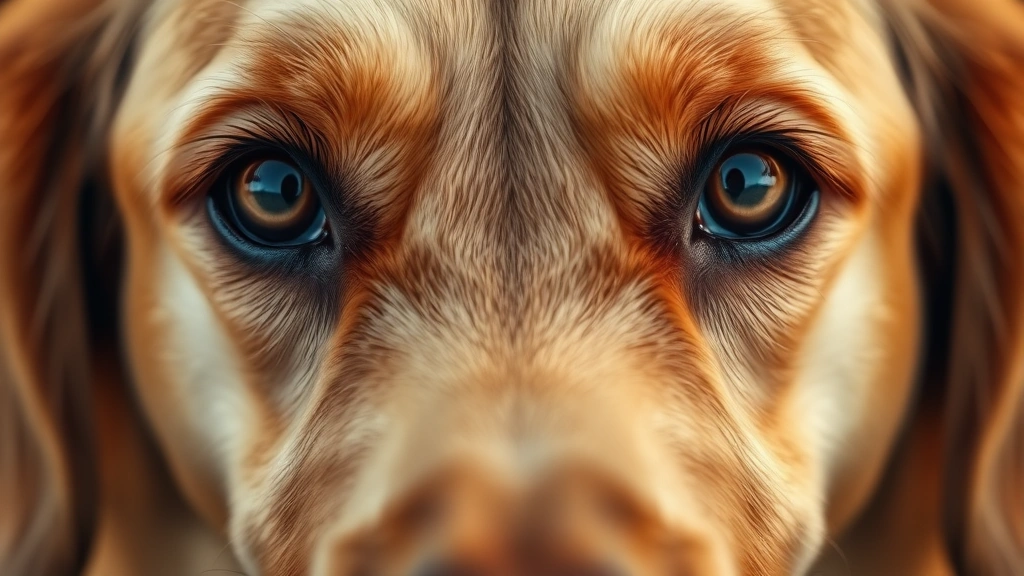
To understand why human eye drops don’t work for dogs, you need to understand how their eyes actually function differently from ours. Dogs have a third eyelid called the nictitating membrane, which humans don’t have. This pink tissue can extend across the eye to protect it and distribute tears. This anatomical feature means that drops need to be formulated to work with this additional structure.
The cornea in dogs is also different. It’s more sensitive and has a different cellular makeup than human corneas. The pH of a dog’s tear film is different from human tears, typically more alkaline. Human eye drops are formulated to match human tear pH, which is usually around 7.4. When you introduce human drops into this environment, you’re creating a chemical mismatch that can disrupt the delicate balance of the ocular surface.
Dogs also have different tear production patterns and tear composition. Their tears contain different concentrations of protective proteins and antibodies. The meibomian glands (which produce the oily layer of tears) function differently in dogs than in humans. This means that drops designed to augment human tear film won’t necessarily integrate well with canine tears.
Furthermore, the blood-eye barrier in dogs is different, affecting how substances pass through ocular tissues. The size and shape of a dog’s eye relative to their head also means that surface area considerations for drop application are completely different. What works as a standard dose for a human eye might be way too much for a smaller canine eye.
Common Ingredients That Harm Dogs
Let’s talk specifics. Understanding which ingredients are problematic helps you recognize why human eye drops are off-limits. Many human eye drops contain preservatives like benzalkonium chloride, which is toxic to dogs in concentrations used for human formulas. This preservative can cause corneal damage and is particularly dangerous if absorbed systemically.
Antihistamines like ketotifen are common in allergy eye drops for humans. While antihistamines themselves aren’t necessarily toxic (some dogs can safely take Benadryl under veterinary guidance), the formulation and concentration in eye drops is problematic. The inactive ingredients and preservatives create a dangerous combination for canine use.
Decongestants are another common ingredient. Phenylephrine and similar compounds can cause systemic effects in dogs when absorbed through the eye, potentially affecting heart rate and blood pressure. These are particularly concerning because the ocular surface is highly vascularized and can rapidly absorb topical medications.
Lubricating drops often contain polyethylene glycol or propylene glycol. While these aren’t inherently toxic, the formulations for human use may include additives that are problematic for dogs. Additionally, the viscosity of human lubricating drops might not be appropriate for canine tear film dynamics.
Some human eye drops contain salts and minerals in concentrations that could cause osmotic stress on canine corneal cells. Others include medications like nonsteroidal anti-inflammatory drugs (NSAIDs) in formulations that aren’t safe for dogs. The bottom line is that every ingredient in a human eye drop formula was chosen for human physiology, not canine.
Safe Alternatives for Canine Eye Care
So what should you actually use when your dog’s eyes need attention? The safest option is always to consult your veterinarian, but there are some legitimate alternatives you can consider in non-emergency situations.
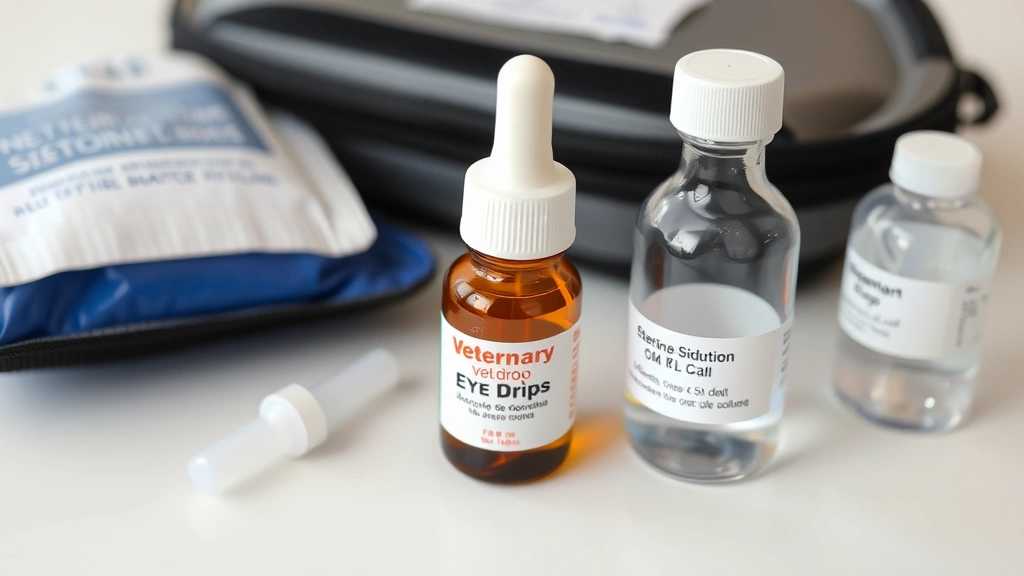
Veterinary-Formulated Eye Drops: These are your gold standard. Products specifically formulated for dogs are pH-balanced, preservative-free or contain dog-safe preservatives, and are tested for canine safety. Your vet can recommend specific brands based on your dog’s condition. These drops are designed to work with canine tear film and won’t cause chemical irritation.
Saline Solution: Plain saline solution (the type used for contact lenses or wound irrigation) can be safely used to rinse your dog’s eyes. It’s sterile, pH-balanced for ocular use, and won’t cause harm. This is particularly useful for removing debris or dust. However, it won’t treat infections or serious conditions—it’s just a rinse.
Warm Compresses: For minor irritation or mild inflammation, a warm (not hot) compress applied gently to closed eyes can provide relief. Use a clean cloth and apply gentle pressure for 5-10 minutes. This can help with tear production and reduce discomfort from minor issues.
Prescription Medications from Your Vet: If your dog has an actual eye condition, your veterinarian can prescribe appropriate medications. These might include antibiotic drops for infections, anti-inflammatory drops for allergies, or lubricating drops specifically formulated for dogs. Never assume your dog’s eye problem is the same as a human’s—the causes and treatments can be completely different.
It’s worth noting that just as you shouldn’t use human eye drops on dogs, you also shouldn’t assume other human products are safe either. This principle extends to other topical treatments. For instance, using human shampoo on dogs has similar risks related to pH imbalance and inappropriate formulation.
When You Need to See a Veterinarian
Certain eye conditions absolutely require professional veterinary care and shouldn’t be treated at home with any drops. Knowing when to make that appointment is crucial for your dog’s health.
Emergency Situations: If your dog has eye trauma, a visible wound, or something embedded in the eye, seek emergency veterinary care immediately. If you’ve accidentally applied human eye drops to your dog’s eyes, contact your vet or animal poison control right away. Cloudiness that develops suddenly, severe redness, or discharge that looks like pus all warrant immediate attention.
Persistent Symptoms: If your dog’s eyes remain red, watery, or irritated for more than a day or two, it’s time for a vet visit. These could indicate infections, allergies, dry eye syndrome, or other conditions requiring professional diagnosis and treatment.
Vision Changes: Any signs that your dog’s vision might be affected—bumping into things, reluctance to move, or behavioral changes—suggest serious eye problems. Conditions like glaucoma or corneal ulcers can progress rapidly and cause permanent damage if not treated promptly.
Discharge or Crusting: While some mild tearing is normal, excessive discharge, especially if it’s colored or crusty, indicates infection or inflammation requiring veterinary treatment. This is different from the minor irritation that might benefit from a saline rinse.
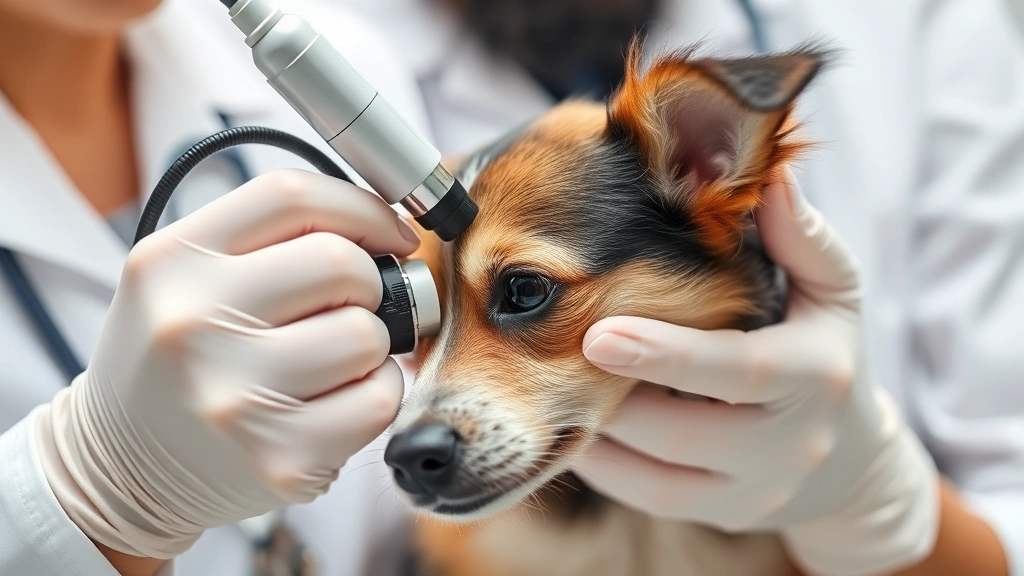
Your veterinarian can properly diagnose eye conditions using specialized equipment and knowledge. They can also rule out systemic issues that might be causing ocular symptoms. Just like with ear infections, what seems like a simple problem might have underlying complications that only a professional can identify.
Prevention Tips for Healthy Dog Eyes
The best approach to eye health is prevention. Keeping your dog’s eyes healthy reduces the likelihood of problems that would tempt you to reach for any available treatment.
Regular Eye Cleaning: Gently wipe around your dog’s eyes with a damp, clean cloth during grooming. This removes debris and tear staining. Some dogs are prone to excessive tearing and crusting, especially around the eyes. Regular gentle cleaning prevents buildup that can lead to irritation or infection.
Grooming and Hair Management: Keep hair out of your dog’s eyes. Long-haired breeds especially benefit from regular trimming around the eyes. Hair in the eyes causes constant irritation and can lead to infections. This simple preventive step eliminates a common source of eye problems.
Environmental Protection: Protect your dog’s eyes during activities that expose them to irritants. Wind, dust, sand, and chlorine can all irritate canine eyes. If your dog swims, consider rinsing their eyes with sterile saline afterward to remove chlorine or salt water.
Proper Nutrition: A diet rich in omega-3 and omega-6 fatty acids supports eye health and tear production. Antioxidants like vitamins C and E also support ocular health. Quality dog food formulated for complete nutrition will include these beneficial compounds.
Regular Veterinary Checkups: Include eye health in your regular vet visits. Your veterinarian can identify early signs of problems like dry eye syndrome, cataracts, or other conditions before they become serious. Early intervention is always better than crisis management.
Allergy Management: If your dog has allergies, work with your vet to manage them. Allergies often manifest in the eyes with redness and watering. Addressing the underlying allergy reduces ocular symptoms. Unlike red eyes from other causes, allergy-related redness often requires systemic treatment rather than just topical drops.
Hydration: Ensure your dog drinks plenty of water. Proper hydration supports tear production and overall ocular health. Dry eye syndrome is more common in dehydrated dogs, so keeping your pup well-hydrated is a simple preventive measure.
These preventive steps work in conjunction with responsible pet ownership to keep your dog’s eyes healthy and reduce the likelihood of conditions that might tempt you to self-treat with inappropriate medications.
Frequently Asked Questions
What should I do if I accidentally put human eye drops in my dog’s eyes?
Stay calm and contact your veterinarian or animal poison control immediately. Describe the specific eye drops you used, including the brand name and active ingredients if possible. Rinse your dog’s eyes gently with sterile saline solution while waiting for professional guidance. Don’t panic—early intervention usually prevents serious complications. Your vet might recommend bringing your dog in for an examination to ensure no damage has occurred.
Are there any human eye drops that are safe for dogs?
No human eye drops are formulated or approved for use in dogs. Even preservative-free human eye drops aren’t appropriate because they’re still formulated for human tear film chemistry and human eye anatomy. Always use products specifically formulated for dogs or consult your veterinarian. There are excellent veterinary eye care products available that are designed specifically for canine physiology.
Can I use artificial tears designed for dry eyes on my dog?
Not human artificial tears. However, there are veterinary-formulated lubricating drops specifically designed for dogs with dry eye syndrome. These are different from human artificial tears in their composition and concentration. If your dog has dry eye, your vet can prescribe appropriate treatment. Signs of dry eye in dogs include excessive blinking, redness, and thick discharge.
What’s the difference between dog eye drops and human eye drops?
Veterinary eye drops are formulated according to different standards than human medications. They account for canine tear film composition, pH balance, corneal sensitivity, and the presence of the third eyelid. The preservatives used are dog-safe, and active ingredients are in concentrations appropriate for canine physiology. Human eye drops are optimized for human eyes and can cause harm when used on dogs.
My dog’s eyes look like they need something. Can I wait to see the vet?
It depends on the severity. Minor tearing or slight redness might resolve on its own or with gentle cleaning. However, if your dog is squinting, has discharge, or shows signs of pain, don’t wait. Eye conditions can deteriorate quickly, and what seems minor today could become serious tomorrow. When in doubt, call your vet for guidance on whether an urgent visit is needed.
Are there home remedies for dog eye problems?
Limited safe home remedies exist. Warm compresses and saline rinses are safe for minor irritation, but they won’t treat infections or serious conditions. Most eye problems require professional diagnosis and treatment. While ear care has some home remedy options, eye care is more specialized and less suited to DIY treatment.
Can I use my dog’s eye drops on myself?
No. Veterinary eye drops are formulated for canine eyes and haven’t been tested for human safety. Using them on yourself could be harmful. Stick to human eye drops for yourself and veterinary drops for your dog. Each species has different ocular requirements and medication safety profiles.
What causes red eyes in dogs, and how is it treated?
Red eyes can result from allergies, infections, dry eye syndrome, trauma, or inflammation. The cause determines the treatment. Some cases respond to antibiotic drops, others to anti-inflammatory drops, and some require oral medications. Understanding why your dog’s eyes are red requires veterinary examination. Your vet might use special dyes or equipment to identify the specific problem.