
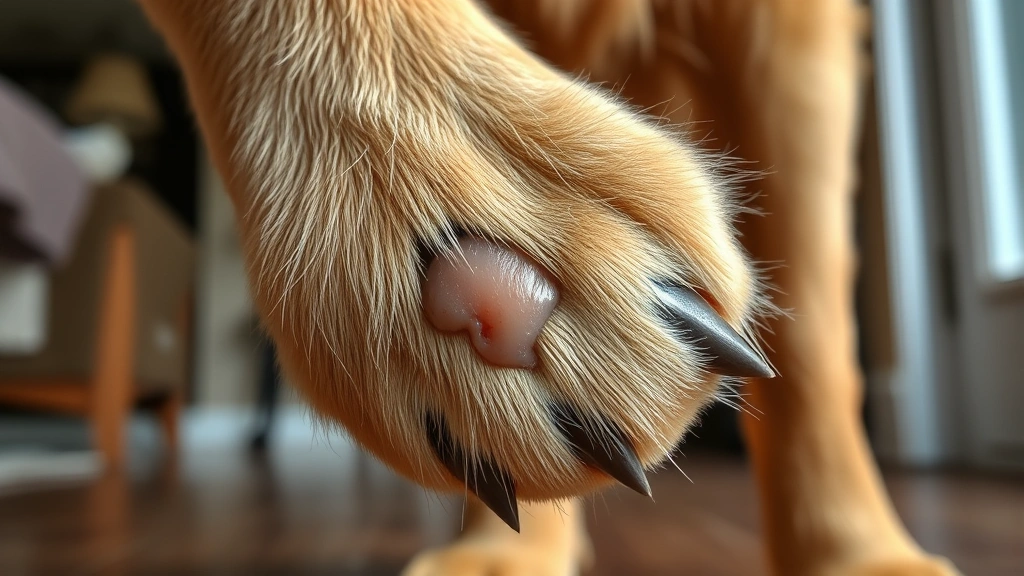
So your furry friend just scraped their paw, and you’re standing there with a bottle of liquid bandage wondering: can you use liquid bandage on dogs? Great question, because the answer isn’t a simple yes or no—it’s more nuanced than that. Let’s dig into what you need to know before slapping that stuff on Fido’s wound.
Table of Contents
- What Is Liquid Bandage, Anyway?
- The Short Answer: Proceed With Extreme Caution
- Why Vets Worry About Liquid Bandage on Dogs
- Dog Wound Care Alternatives That Actually Work
- When Should You Call Your Vet About Dog Wounds?
- Pet-Specific Liquid Bandage Products: Are They Better?
- Signs Your Dog’s Wound Needs More Than Bandaging
- The Real Talk: Prevention Is Your Best Medicine
- Specific Scenarios: Paws, Pads, and Claws
- Frequently Asked Questions
- The Bottom Line on Liquid Bandage for Dogs
What Is Liquid Bandage, Anyway?
Liquid bandage (also called liquid skin or liquid stitches) is basically a flexible adhesive coating that creates a protective barrier over minor cuts and scrapes. The main ingredient is usually cyanoacrylate—yes, the same stuff as super glue, but formulated to be skin-safe. It dries quickly and forms a waterproof seal that keeps bacteria out while your skin heals underneath.
For humans, it’s fantastic. For dogs? Well, that’s where things get complicated.
The Short Answer: Proceed With Extreme Caution
Can you use liquid bandage on dogs? Technically, some veterinarians say small amounts of pet-safe liquid bandage products are okay for minor wounds. However, most vets recommend avoiding it altogether unless you’ve got the green light from your vet first. The risks often outweigh the benefits, and there are safer alternatives available.
If your dog has a significant wound or won’t stop licking it, this is definitely a situation where pet health consultation via video with a licensed veterinarian can provide personalized guidance specific to your pup’s injury.
Why Vets Worry About Liquid Bandage on Dogs
Here’s the thing: dogs are obsessive lickers. That’s not an insult—it’s just their nature. When you apply liquid bandage to a dog’s wound, they immediately sense it as foreign and want to lick it off. This creates several problems:
Ingestion Risk: If your dog licks off the liquid bandage, they’re ingesting cyanoacrylate. While small amounts might not cause serious harm, larger quantities can irritate their mouth, throat, and digestive system. Some dogs have experienced vomiting, drooling, or difficulty eating after ingesting liquid bandage.
Allergic Reactions: Dogs can have sensitivity or allergic reactions to the ingredients in liquid bandage products. You might notice swelling, redness, itching, or hives around the application area.
Trapping Bacteria: If the wound isn’t completely clean before application, the liquid bandage can seal in bacteria, potentially making the infection worse instead of better. It’s not breathable like traditional bandages, which means moisture can accumulate underneath.
Difficulty Monitoring: Once that liquid bandage hardens, you can’t easily check if the wound is healing properly or if infection is developing underneath.
Dog Wound Care Alternatives That Actually Work
Before you even think about liquid bandage, try these proven methods first:
Clean the Wound Properly: Rinse the area with cool water and mild soap. Remove any dirt or debris gently. If there’s bleeding, apply gentle pressure with a clean cloth for a few minutes.
Apply Dog-Safe Antiseptic: Use products specifically formulated for dogs, like chlorhexidine or povidone-iodine solutions. Skip the hydrogen peroxide and alcohol—they can damage healthy tissue and irritate your dog’s skin.
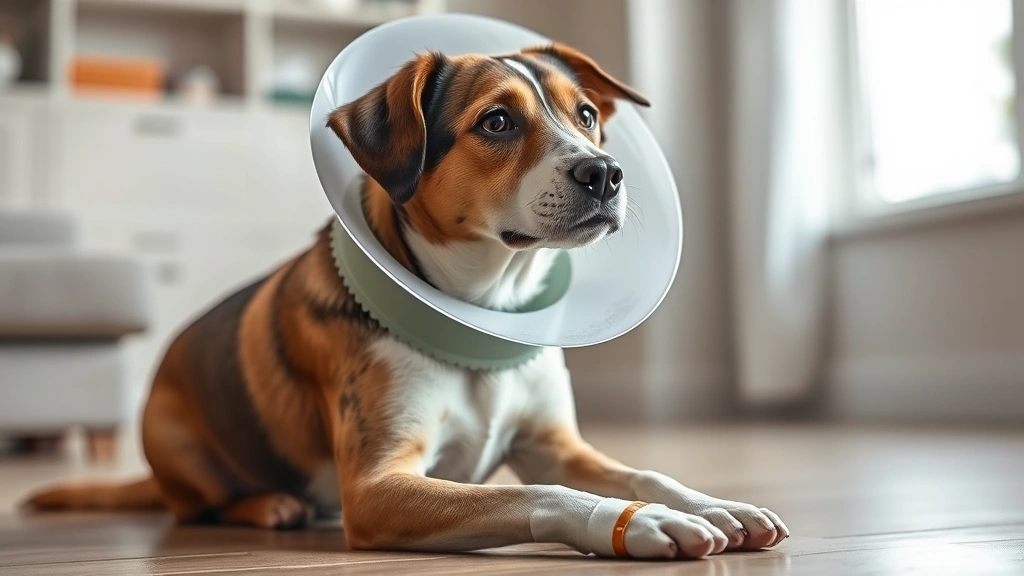
Use Traditional Bandages or Wraps: For minor cuts on paws or legs, a properly applied bandage or wrap works better than liquid bandage. It’s removable for cleaning, allows airflow, and prevents your dog from licking the wound directly. Just make sure it’s not too tight—you should be able to fit a finger underneath.
Try Protective Cones or Sleeves: If your dog won’t stop licking, an Elizabethan collar (the cone of shame) or a protective sleeve is your best friend. Yeah, they look silly, but they actually prevent infection and allow wounds to heal.
When Should You Call Your Vet About Dog Wounds?
Some wounds need professional attention, and trying to DIY them with liquid bandage can delay proper treatment. Contact your vet if:
- The wound is deep, gaping, or longer than half an inch
- The wound won’t stop bleeding after 10 minutes of pressure
- The area shows signs of infection (pus, excessive redness, warmth, swelling)
- Your dog is limping or showing signs of pain
- The wound is near the eye, mouth, or genitals
- Your dog was bitten by another animal
For post-wound care questions or follow-up concerns, remote vet consultation services can be incredibly convenient, especially for minor wound monitoring or medication guidance.
Pet-Specific Liquid Bandage Products: Are They Better?
You might find products labeled as “pet-safe liquid bandage” or “dog wound sealant.” These are formulated to be less toxic if ingested and often include bitter agents to discourage licking. While they’re theoretically safer than human versions, they still carry similar risks.
According to the American Kennel Club (AKC), even pet-specific formulations should only be used on minor superficial wounds, and only after consulting with your veterinarian. The AKC recommends traditional wound care methods as the first line of defense for most dog injuries.
If you’re considering a pet-specific product, ask your vet which brands they recommend and get clear instructions on application. This is where pet surgery follow up telehealth appointments can be super helpful—your vet can see the wound on video and advise whether liquid bandage is appropriate for your specific situation.
Signs Your Dog’s Wound Needs More Than Bandaging
If you notice any of these signs after treating a wound, get professional help immediately:
- Increased swelling or redness that spreads beyond the original wound
- Discharge that’s yellow, green, or foul-smelling
- Your dog is licking or chewing at the wound obsessively despite barriers
- Fever or lethargy
- The wound isn’t improving after 3-5 days
Infections in dogs can escalate quickly, and what starts as a minor scrape can become a serious issue if bacteria get involved. Don’t wait—reach out to your vet at the first sign of trouble.
The Real Talk: Prevention Is Your Best Medicine
The best approach to dog wound care is preventing wounds in the first place. Keep your dog’s nails trimmed, check their paws regularly during walks, and avoid areas with sharp objects or rough terrain when possible. Regular grooming also helps you spot potential skin issues before they become infected wounds.
For dogs prone to skin problems or frequent minor injuries, talk to your vet about preventative care strategies. Sometimes dietary supplements or skin health products can strengthen your dog’s skin and reduce susceptibility to wounds. Check out resources on over the counter pet supplements to discuss options with your vet.
Specific Scenarios: Paws, Pads, and Claws
Different wound locations require different approaches:
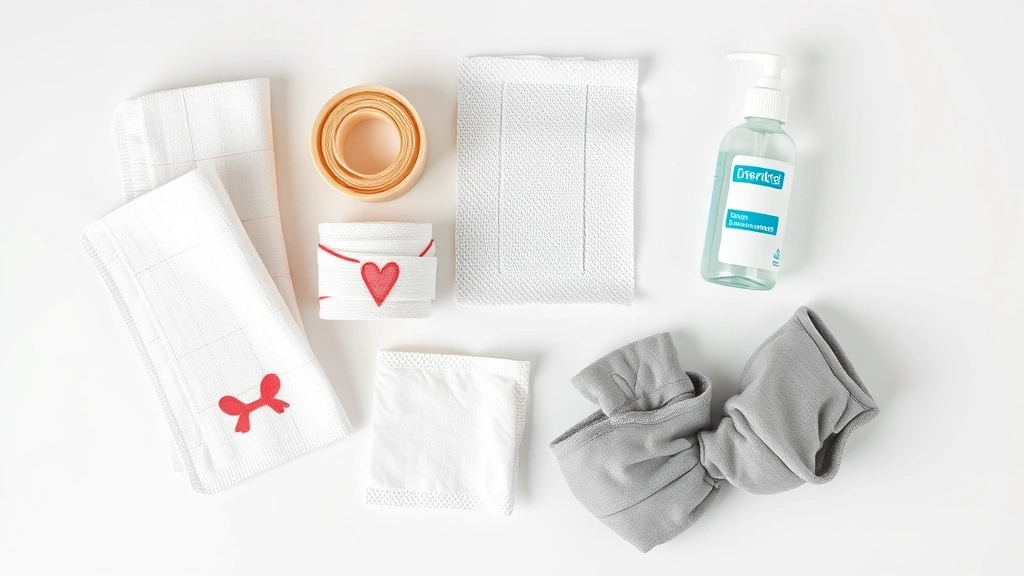
Paw Pad Wounds: These are tricky because dogs use their paws constantly, and keeping them clean is nearly impossible. Liquid bandage might seem appealing here, but the constant friction and moisture make it likely to fail. Protective booties or wraps are much more effective.
Between Toes: Wounds here are prone to infection because of moisture and bacteria. Don’t use liquid bandage—focus on keeping it dry and clean, and consider a protective wrap.
Cracked or Bleeding Paw Pads: These sometimes indicate nutritional deficiencies or skin conditions. If your dog has chronic paw pad issues, it’s worth discussing with your vet during a general health consultation.
Frequently Asked Questions
Is liquid bandage toxic to dogs?
Human liquid bandage can be toxic if ingested in large quantities. Most dogs who lick off a small amount experience mild digestive upset at worst, but larger ingestion can cause vomiting, drooling, and difficulty eating. Pet-specific formulations are safer but still shouldn’t be a first choice for wound care.
Can I use New-Skin or similar products on my dog?
New-Skin and similar human liquid bandage products are not recommended for dogs. They contain ingredients not formulated for animal safety, and the ingestion risk is too high. Always ask your vet before using any human medical product on your dog.
What’s the best bandage for a dog’s paw wound?
A properly applied gauze wrap or veterinary bandage is ideal. It keeps the wound clean, prevents licking, and allows airflow for healing. If your dog won’t leave it alone, add a protective bootie or cone. For serious paw wounds, your vet might recommend antibiotic ointment under the bandage.
How long does it take a dog wound to heal?
Minor superficial wounds typically heal in 5-7 days. Deeper wounds may take 2-4 weeks. Infection can significantly delay healing, which is why keeping the wound clean and preventing licking is crucial. If your dog’s wound isn’t improving after a week, contact your vet.
Can I use Neosporin on my dog instead of liquid bandage?
Neosporin (triple antibiotic ointment) is generally safer than liquid bandage for dogs in small amounts, though some dogs may have sensitivity to it. The main issue is that dogs will lick it off, which means they’re ingesting it. If you use it, apply a small amount and monitor your dog closely. Your vet might recommend pet-specific antibiotic ointments instead.
Should I cover my dog’s wound or leave it open?
It depends on the wound type and location. Superficial wounds on non-hairy areas might heal fine uncovered, but wounds on paws or areas your dog can lick absolutely need covering. A protective barrier prevents infection and stops the licking cycle that delays healing.
The Bottom Line on Liquid Bandage for Dogs
So, can you use liquid bandage on dogs? The answer is: generally, no—at least not as your first option. While small amounts of pet-specific liquid bandage might be okay in rare cases, traditional wound care methods are safer, more effective, and give you better control over the healing process.
Focus on cleaning the wound properly, keeping it protected from licking, and monitoring for infection. If you’re ever unsure about a wound’s severity or the best treatment approach, consult with your veterinarian. Modern telemedicine options make it easier than ever to get professional advice quickly without a stressful vet clinic visit.
Your dog depends on you to make smart health choices, and when it comes to wound care, smart means skipping the liquid bandage and sticking with proven methods. Your pup will thank you when they heal up quickly and without complications!





