

When your furry companion gets injured, your first instinct is to help them heal quickly and safely. Many pet owners wonder if hydrogen peroxide, a common household antiseptic, can be used on dogs for wound care and first aid situations. Understanding when and how to properly use peroxide on your dog can be the difference between effective treatment and potentially causing harm.
While hydrogen peroxide has its place in canine first aid, it’s crucial to know the proper applications, concentrations, and limitations. This comprehensive guide will walk you through the safe ways to use peroxide for your dog’s first aid needs, helping you make informed decisions about your pet’s immediate care while knowing when professional veterinary attention is necessary.
Understanding Hydrogen Peroxide for Dogs
Hydrogen peroxide (H₂O₂) is a mild antiseptic that works by releasing oxygen when it comes into contact with tissues, creating an environment that’s hostile to bacteria. For dogs, only 3% hydrogen peroxide solution should ever be considered, and even then, its use is limited to specific situations. The American Veterinary Medical Association emphasizes that while peroxide can be useful in emergency situations, it should never replace proper veterinary care.
The primary mechanism of hydrogen peroxide involves oxidation, which helps clean debris from wounds and can eliminate some bacteria. However, this same oxidizing action can also damage healthy tissue if used improperly or too frequently. Understanding this dual nature is essential for safe application in canine first aid scenarios.
Unlike some human medications that can be adapted for dogs, peroxide requires careful consideration of your dog’s size, the type of wound, and the specific circumstances. The concentration that’s safe for humans may still be appropriate for dogs, but the application method and frequency differ significantly.

Safe Applications of Peroxide in Dog First Aid
The most widely accepted use of hydrogen peroxide for dogs is to induce vomiting in cases of recent toxic ingestion, but this should only be done under veterinary guidance. For wound care, peroxide can be used sparingly on fresh, minor cuts and scrapes to clean away debris and bacteria. However, healing dog wounds fast at home requires understanding that peroxide should be a one-time cleaning agent rather than an ongoing treatment.
Small superficial wounds, such as minor cuts from sharp objects or scrapes from rough surfaces, may benefit from a single application of diluted hydrogen peroxide. The key is to use it immediately after the injury occurs and then switch to gentler cleaning methods for ongoing care. Never use peroxide on deep wounds, puncture wounds, or injuries near sensitive areas like the eyes or genitals.
Another appropriate use is cleaning around wound edges where debris has accumulated, but avoid getting peroxide directly into deep tissue. The FDA’s Center for Veterinary Medicine notes that proper wound cleaning is crucial for preventing infection, but overdoing it with harsh antiseptics can delay healing.
Proper Concentrations and Dosage Guidelines
When using hydrogen peroxide on dogs, always start with the standard 3% solution found in most pharmacies, but consider diluting it further for sensitive areas or small dogs. A 1.5% solution, created by mixing equal parts 3% peroxide and clean water, is often gentler while still providing antiseptic benefits. Never use higher concentrations, as they can cause severe tissue damage and chemical burns.
For inducing vomiting (only under veterinary instruction), the general guideline is 1 teaspoon per 10 pounds of body weight, with a maximum of 3 tablespoons for larger dogs. However, this should never be attempted without first consulting your veterinarian, as certain substances can cause more damage coming back up than staying down.
When cleaning wounds, use just enough peroxide to moisten the area – typically a few drops for small cuts. The foaming action indicates it’s working, but excessive foaming suggests you’re using too much. Allow the peroxide to foam briefly, then gently rinse with clean water and pat dry with a clean cloth.
Step-by-Step Wound Cleaning Protocol
Begin by calming your dog and ensuring you have good lighting to assess the wound properly. Wear disposable gloves if available, and have clean towels, gauze, and fresh water ready. Gently restrain your dog if necessary, but avoid causing additional stress that could worsen the situation.
First, examine the wound to determine if it’s appropriate for home treatment. Minor cuts less than an inch long and not deep enough to require stitches may be suitable for peroxide cleaning. If you’re dealing with issues like hot spots on dogs, peroxide is generally not recommended as it can irritate already inflamed skin.
Apply a small amount of 3% hydrogen peroxide directly to the wound using a clean cotton ball or gauze pad. Allow it to foam for 30-60 seconds, which helps lift debris and bacteria from the wound. Gently rinse the area with clean water to remove the peroxide and any loosened debris, then pat dry with a clean towel. Apply a thin layer of antibiotic ointment if recommended by your veterinarian.
When NOT to Use Peroxide on Dogs
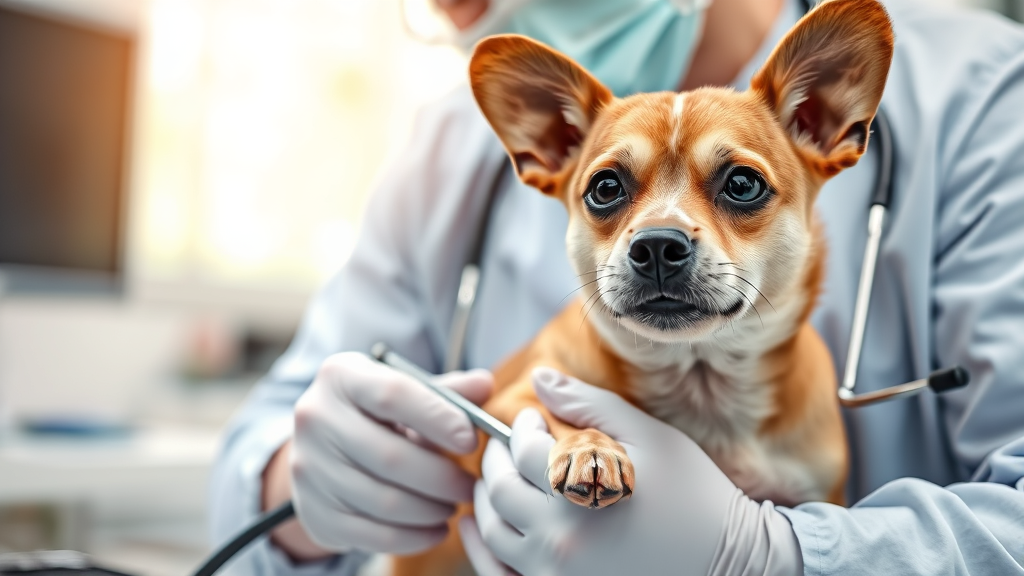
Several situations make hydrogen peroxide inappropriate or dangerous for dogs. Deep puncture wounds, bites from other animals, or any wound that exposes underlying tissue should never be treated with peroxide at home. These injuries require immediate veterinary attention and professional cleaning techniques.
Avoid using peroxide on chronic wounds or injuries that aren’t healing properly, as it can actually slow the healing process by damaging healthy tissue that’s trying to regenerate. Similarly, don’t use peroxide for routine cleaning of dogs’ ears, as it can disrupt the natural balance of the ear canal and potentially cause irritation.
Never use peroxide on burns, as it can worsen tissue damage. Chemical burns, heat burns, and sunburn should be treated with cool water and immediate veterinary care. The ASPCA Animal Poison Control Center advises against using peroxide on any wound that’s more than a few hours old, as bacteria may have already established themselves in the tissue.
Dogs with known allergies or sensitive skin should not be treated with peroxide without veterinary approval. Some dogs may experience contact dermatitis or other allergic reactions to hydrogen peroxide, making their condition worse rather than better.
Alternative First Aid Options
While peroxide has its place in dog first aid, several alternatives may be gentler and more appropriate for ongoing wound care. Saline solution, either commercially prepared or homemade with distilled water and salt, provides effective cleaning without the tissue-damaging effects of peroxide. This is particularly useful for daily wound cleaning during the healing process.
Chlorhexidine solutions, available at pet stores and veterinary clinics, offer antimicrobial properties with less tissue irritation than peroxide. Many veterinarians recommend chlorhexidine for ongoing wound management because it continues to provide antibacterial protection even after application.
For minor wounds, sometimes the best approach is simple cleaning with warm water and mild soap, followed by appropriate bandaging. When considering whether to use products like Neosporin on dogs, it’s important to understand that some human medications can be toxic to pets, making veterinary-approved alternatives safer choices.
Natural options like diluted povidone-iodine or even plain warm water can be effective for cleaning minor wounds without the potential complications of hydrogen peroxide. The key is maintaining cleanliness while avoiding products that might delay healing or cause adverse reactions.
Emergency Situations and Professional Care
Certain emergency situations may warrant the use of hydrogen peroxide before veterinary care can be obtained, but these should be rare exceptions rather than routine practice. If your dog has ingested something toxic and your veterinarian specifically instructs you to induce vomiting with peroxide, follow their exact dosage instructions and timeline carefully.
However, many emergency situations require immediate professional intervention. Deep lacerations, wounds with heavy bleeding, injuries involving the eyes or genitals, and any wound showing signs of infection should be treated by a veterinarian as soon as possible. The AVMA’s emergency care guidelines emphasize that first aid is meant to stabilize your pet until professional help is available, not replace veterinary treatment.
When dealing with conditions like mange in dogs, home treatments should complement rather than replace professional diagnosis and treatment. While you might be tempted to use peroxide on affected areas, mange requires specific medications and treatment protocols that only a veterinarian can provide.
Keep your veterinarian’s emergency contact information readily available, and don’t hesitate to call if you’re unsure about whether a wound is appropriate for home treatment. Many veterinary clinics offer phone consultations that can help you determine whether immediate care is needed or if home first aid is sufficient.
Remember that what appears to be a minor wound may have complications that aren’t immediately visible. Internal damage, foreign objects embedded in the wound, or damage to underlying structures may require professional assessment even when the surface injury seems manageable.
Frequently Asked Questions
Can I use hydrogen peroxide on my dog’s wound every day?
No, hydrogen peroxide should not be used daily on dog wounds. While it’s effective for initial cleaning, repeated use can damage healthy tissue and delay healing. After the first application, switch to gentler cleaning methods like saline solution or clean water. Daily use of peroxide can actually harm the regenerating tissue and slow your dog’s recovery process.
What concentration of hydrogen peroxide is safe for dogs?
Only 3% hydrogen peroxide should ever be used on dogs, and even this concentration should be diluted to 1.5% for sensitive areas by mixing equal parts peroxide and clean water. Never use higher concentrations like those used for hair bleaching or industrial purposes, as these can cause severe chemical burns and tissue damage in dogs.
How do I know if my dog’s wound needs veterinary care instead of home treatment?
Seek veterinary care for wounds longer than one inch, deeper than the skin surface, actively bleeding, located near eyes or genitals, caused by animal bites, or showing signs of infection like swelling, heat, or pus. When in doubt, it’s always better to have a professional evaluate the injury rather than risk complications from inadequate treatment.
Is it safe to use peroxide if my dog might lick the wound?
While small amounts of 3% hydrogen peroxide won’t seriously harm dogs if licked, it’s best to prevent access to treated areas until the peroxide has been rinsed away. Consider using an Elizabethan collar or bandaging the area appropriately. If your dog consumes large amounts of peroxide, contact your veterinarian as it can cause stomach irritation.
Can hydrogen peroxide be used on all types of dog wounds?
No, hydrogen peroxide should only be used on fresh, minor superficial cuts and scrapes. Avoid using it on burns, puncture wounds, deep lacerations, chronic wounds, or injuries in sensitive areas. It’s also not appropriate for conditions like skin infections that might benefit from Neosporin or other specific treatments.
What should I do if hydrogen peroxide doesn’t seem to be helping my dog’s wound?
If a wound doesn’t improve within 24-48 hours, shows signs of worsening, or develops infection symptoms, discontinue home treatment and consult your veterinarian immediately. Persistent problems may indicate the need for antibiotics, professional cleaning, or treatment of underlying issues that home remedies cannot address.
Are there any dogs that shouldn’t be treated with hydrogen peroxide?
Dogs with known allergies to peroxide, those with compromised immune systems, very young puppies, and dogs with certain medical conditions may not be good candidates for peroxide treatment. Always consult your veterinarian before using any first aid treatments on dogs with health issues or if you’re unsure about your dog’s sensitivity to antiseptic products.





