

Can You Use Triple Antibiotic Ointment on Dogs Safely?
Your furry best friend just scraped their paw on the sidewalk, and your instinct is to reach for that trusty tube of triple antibiotic ointment from your medicine cabinet. But hold on—before you apply it, you’re probably wondering if it’s actually safe for your four-legged companion. The short answer? It’s complicated, and we’re here to break down everything you need to know about using this common household product on your pup.
Triple antibiotic ointment, commonly known by brand names like Neosporin, has been a staple in human first aid kits for decades. But dogs have different skin chemistry and sensitivities than humans do, which means what works for you might not work (or could even be harmful) for Fido. Understanding the nuances of pet-safe wound care is crucial for every dog owner who wants to keep their companion healthy and happy.
In this comprehensive guide, we’ll explore whether triple antibiotic ointment is safe for dogs, what alternatives might work better, and how to properly care for your dog’s wounds at home. Let’s dig into the details so you can make informed decisions about your pup’s health and safety.
What Is Triple Antibiotic Ointment?
Triple antibiotic ointment is a topical medication that combines three different antibiotics: bacitracin, neomycin, and polymyxin B. These three ingredients work together to prevent bacterial infections in minor cuts, scrapes, and wounds. The ointment base is typically made from petrolatum (petroleum jelly), which helps the medication adhere to the skin and creates a protective barrier over the wound.
The popularity of triple antibiotic ointment stems from its effectiveness in humans. Healthcare professionals have recommended it for decades as a first-line treatment for minor wounds. It’s available over-the-counter, affordable, and widely accessible at any pharmacy or grocery store. However, the fact that it’s safe and effective for humans doesn’t automatically mean it’s appropriate for our canine companions.
When considering whether Neosporin is safe for dogs, it’s essential to understand that this ointment was formulated with human skin in mind. Dogs have different skin pH levels, thickness, and absorption rates than humans, which can affect how their bodies respond to topical medications.
Safety Concerns for Dogs
The primary concern with using triple antibiotic ointment on dogs is that most formulations contain neomycin, which can cause allergic reactions in some dogs. Studies have shown that neomycin is one of the most common contact allergens in topical medications, affecting a notable percentage of the canine population. If your dog has sensitive skin or a known history of allergies, this ingredient becomes even more problematic.
Another significant issue is that dogs are notorious for licking wounds. Unlike humans, who can follow instructions to keep a wound clean and dry, dogs will immediately attempt to lick off anything you apply to their skin. When they ingest triple antibiotic ointment, it can cause gastrointestinal upset, including vomiting and diarrhea. The petroleum jelly base, while generally recognized as safe, can also cause digestive issues if consumed in large quantities.
Additionally, the petrolatum base can trap moisture against the skin, potentially creating an environment conducive to bacterial or fungal growth rather than promoting healing. This is particularly problematic in areas where your dog’s fur is thick or where air circulation is limited.
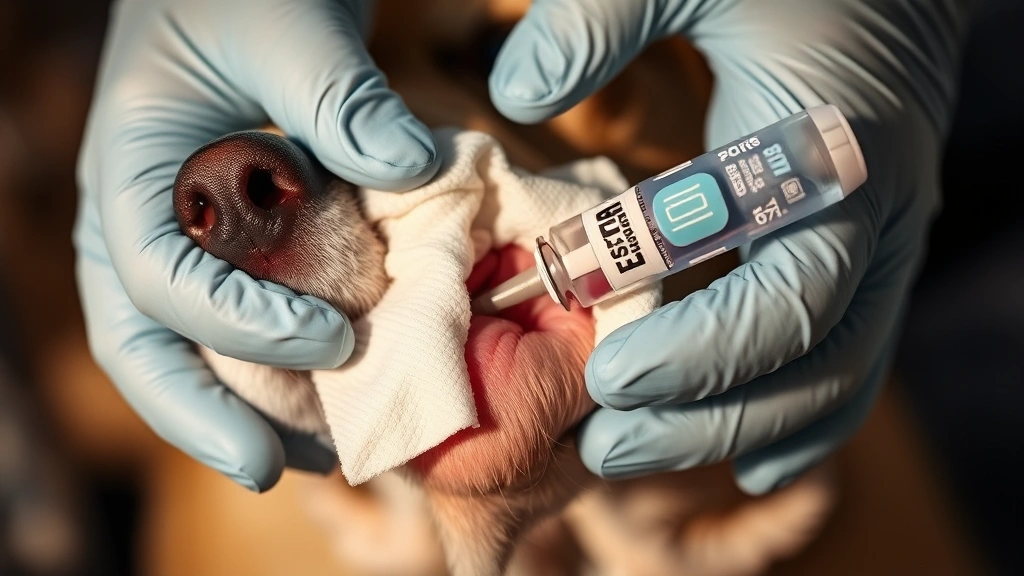
Before applying any topical treatment, you should also consider that putting Neosporin on a dog requires careful consideration of the wound type and your individual pet’s health status.
When It Might Be Okay to Use
While caution is warranted, there are specific circumstances where triple antibiotic ointment might be considered appropriate for dogs. If your veterinarian specifically recommends it for your dog’s particular wound, then following their professional guidance is the right choice. Your vet might recommend a small amount on a minor scrape if they believe the benefits outweigh the risks for your specific pup.
Some veterinarians suggest that triple antibiotic ointment can be used on dogs as long as it’s applied to areas the dog cannot easily lick, such as between the toes or on the ear flap, and only in small quantities. The key is ensuring that your dog cannot ingest the ointment through licking or chewing.
If you do decide to use triple antibiotic ointment, you should only apply it to truly minor wounds—think small scrapes or slight abrasions. For anything more serious, professional veterinary care is absolutely necessary. Additionally, you might consider alternative approaches to using Neosporin on dogs that your vet might recommend.
The consensus among veterinary professionals is increasingly shifting away from recommending triple antibiotic ointment for dogs, with many suggesting that the risks often outweigh the benefits. According to the American Kennel Club’s expert advice, pet owners should consult with their veterinarian before applying any human medications to their dogs.
Risks and Side Effects
The most common side effect of triple antibiotic ointment in dogs is an allergic reaction, particularly to the neomycin component. Signs of an allergic reaction include redness, swelling, itching, and skin irritation at the application site. Your dog might also develop a rash or hives in response to the medication.
Gastrointestinal upset is another frequent consequence when dogs lick off the ointment. You might notice vomiting, diarrhea, or loss of appetite following application. In some cases, dogs might experience more severe digestive distress, especially if they consume a significant amount of the product.
Another concern is the potential for the ointment to interfere with the wound healing process. The petrolatum base can create a waterproof barrier that prevents proper air circulation, which wounds actually need to heal optimally. This can lead to prolonged healing times or even secondary infections.
In rare cases, particularly if your dog has underlying health conditions or is taking other medications, triple antibiotic ointment could cause more serious complications. This is why professional veterinary guidance is so important before using any topical medication on your pet.
Safer Alternatives for Dog Wounds
Fortunately, there are several safer alternatives to triple antibiotic ointment that can effectively support your dog’s wound healing. The first step in any wound care routine is proper cleaning, which you can learn more about by reading our guide on how to clean a dog wound.
Veterinary-Approved Wound Care Products: Your veterinarian can recommend or prescribe topical medications specifically formulated for dogs. These products are designed with canine skin chemistry in mind and are less likely to cause adverse reactions. Many veterinary clinics carry specialized wound care products that are far superior to over-the-counter human medications.
Plain Saline Solution: A simple, effective approach is to clean wounds with sterile saline solution. This gently removes debris and bacteria without irritating the skin. Saline is safe even if your dog licks it off, making it an excellent first-line treatment for minor wounds.
Honey-Based Wound Products: Medical-grade honey has antimicrobial properties and promotes healing. Some veterinarians recommend honey-based wound care products specifically formulated for pets. These natural alternatives have shown promising results in clinical settings and are gentler on sensitive skin.
Protective Barriers: Sometimes the best approach is simply keeping the wound clean and protected. A clean bandage or protective wrap can prevent contamination and reduce your dog’s ability to lick the wound, which is often the primary concern anyway.
For more comprehensive guidance on wound management, our article on how to heal a dog wound fast at home provides detailed step-by-step instructions for at-home care.
The ASPCA’s pet care resources also offer valuable information about safe wound treatment options for dogs. When in doubt, consulting these authoritative sources can help you make the best decisions for your pup.
Proper Wound Care for Your Dog
Understanding the correct way to care for your dog’s wounds is essential for promoting healing and preventing infection. The process begins with assessment—determine whether the wound is minor and suitable for home treatment or whether it requires professional veterinary attention.
Step 1: Initial Assessment: Look at the size, depth, and location of the wound. Minor scrapes and small cuts can often be treated at home, while puncture wounds, deep lacerations, or wounds caused by bites require immediate veterinary attention. If you’re unsure, it’s always better to err on the side of caution and contact your vet.
Step 2: Gentle Cleaning: Use lukewarm water and a mild, pet-safe cleanser to gently clean the wound. Avoid harsh chemicals or anything that might irritate your dog’s skin. Pat the area dry with a clean cloth rather than rubbing, which could cause further irritation.
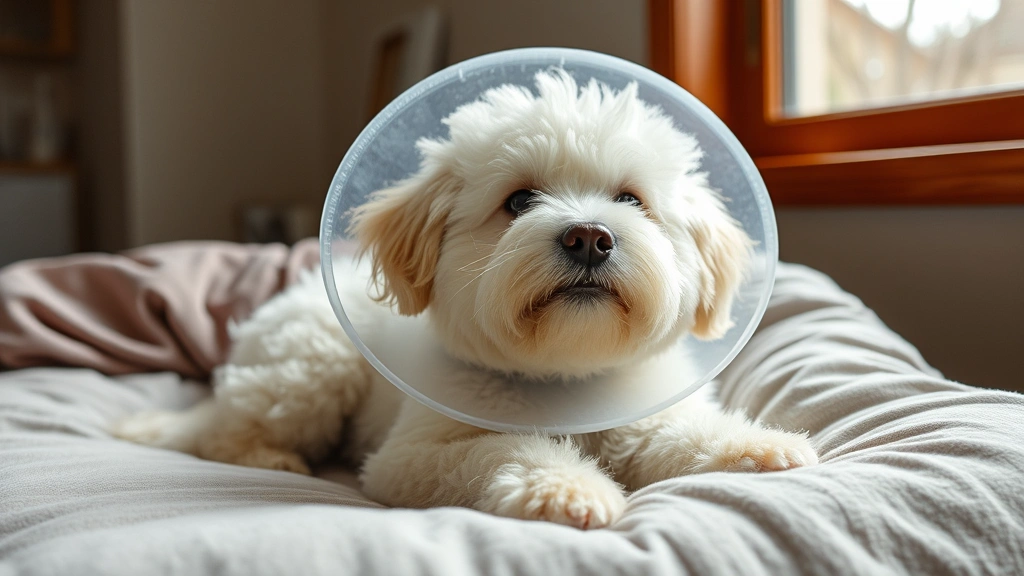
Step 3: Prevent Licking: This is crucial. Your dog’s natural instinct is to lick wounds, but this can introduce bacteria and delay healing. Use an Elizabethan collar (cone), a protective bandage, or even a specially designed recovery suit to prevent access to the wound.
Step 4: Monitor for Signs of Infection: Watch for increased redness, swelling, discharge, or odor. If the wound doesn’t show signs of improvement within a few days or if it gets worse, contact your veterinarian immediately.
You might also consider learning about whether peroxide is safe to use on dogs, as this is another common household product people consider for wound care.
When to See Your Veterinarian
Knowing when to seek professional help is critical for your dog’s health and safety. Some wounds absolutely require veterinary attention, and recognizing these situations can prevent serious complications.
Seek immediate veterinary care if:
- The wound is deep, gaping, or longer than a quarter-inch
- The wound was caused by a bite from another animal
- The wound is bleeding heavily or won’t stop bleeding after 10 minutes of gentle pressure
- The wound shows signs of infection (pus, excessive redness, swelling, or foul odor)
- Your dog is limping or unable to bear weight on an injured limb
- The wound is on your dog’s face, eye, or genitals
- Your dog seems to be in significant pain
- Your dog has a fever or acts lethargic
Your veterinarian can properly assess the wound, determine if stitches are needed, prescribe appropriate antibiotics if necessary, and ensure your dog receives any necessary pain management. They can also provide personalized recommendations based on your dog’s individual health status and medical history.
According to the American Animal Hospital Association, professional evaluation of wounds is often more cost-effective in the long run, as untreated infections can lead to more serious health complications requiring extensive (and expensive) treatment.
Frequently Asked Questions
Is Neosporin toxic to dogs?
Neosporin isn’t inherently toxic to dogs, but it can cause adverse reactions. The neomycin component can trigger allergic reactions in some dogs, and the petroleum jelly base can cause gastrointestinal upset if ingested. Most dogs will experience mild symptoms like vomiting or diarrhea, but serious toxicity is rare. However, the risk-benefit analysis often doesn’t favor using it on dogs.
What should I do if my dog licked triple antibiotic ointment?
If your dog has licked a small amount of triple antibiotic ointment, they’ll likely be fine. Monitor them for signs of gastrointestinal upset like vomiting, diarrhea, or loss of appetite over the next 24-48 hours. If they consumed a large amount or show severe symptoms, contact your veterinarian or an animal poison control center immediately. It’s best to prevent this by using protective barriers after application.
Can I use Neosporin on my dog’s paw pads?
Paw pads are particularly problematic areas for topical ointments because dogs are constantly licking their paws. If you must apply something to a paw pad wound, use a protective bandage to prevent licking. Even better, consult your veterinarian about pet-specific products designed for paw injuries.
What’s the best way to treat a dog’s minor cut at home?
The best approach for minor cuts is to clean the wound gently with lukewarm water and mild soap, pat it dry, and keep it protected with a clean bandage to prevent licking and contamination. Skip the antibiotic ointment unless your veterinarian specifically recommends it. Most minor cuts heal well with just proper cleaning and protection.
Are there dog-specific antibiotic ointments available?
Yes! Many veterinary-specific wound care products are available that are formulated with dogs’ skin chemistry in mind. Your veterinarian can recommend appropriate options, and many are available through veterinary clinics or online pet pharmacies. These products are generally safer and more effective for canine wound care than human medications.
How long does it typically take for a dog’s wound to heal?
Minor scrapes and cuts typically show visible improvement within 3-5 days and can heal completely within 1-2 weeks, depending on the wound’s size and location. Larger or deeper wounds may take several weeks. If you don’t see improvement within a week or if the wound worsens, contact your veterinarian.
Can I use triple antibiotic ointment on my dog’s ears?
While ears are less accessible for licking than other body areas, using triple antibiotic ointment on dogs’ ears is still not ideal. The ear canal has different pH and bacterial flora than other skin areas, and human medications may not be appropriate. Your veterinarian can recommend ear-specific treatments if your dog has an ear wound or infection.





