

So, can you use witch hazel on dogs? The short answer is: it depends, and you’ll want to read this before you grab that bottle from your medicine cabinet. Witch hazel is a popular home remedy for humans dealing with everything from bug bites to hemorrhoids, but when it comes to our furry friends, things get a bit more complicated. Let’s dig into what you actually need to know before slathering this stuff on Fido.
Table of Contents
- What Exactly Is Witch Hazel, Anyway?
- The Alcohol Problem: Why Most Witch Hazel Isn’t Dog-Friendly
- Alcohol-Free Witch Hazel: A Safer Alternative for Canine Skin Care
- What Skin Issues Can Witch Hazel Actually Help With?
- Safer Alternatives to Witch Hazel for Dogs
- When to Call Your Vet Instead of DIY-ing It
- How to Safely Use Alcohol-Free Witch Hazel on Dogs
- The Ingredient Label Deep Dive
- Witch Hazel and Specific Dog Health Conditions
- The Bottom Line on Witch Hazel for Dogs
- Frequently Asked Questions
What Exactly Is Witch Hazel, Anyway?
Witch hazel is a plant extract derived from the North American shrub Hamamelis virginiana. It’s been used for centuries in traditional medicine and is now found in countless skincare and first-aid products. The stuff works as an astringent, meaning it helps tighten and tone skin tissue. It also has mild anti-inflammatory and antimicrobial properties, which is why people love it for treating minor wounds, insect bites, and skin irritation.
Most commercial witch hazel products you’ll find at the drugstore contain around 13-15% alcohol content, which is a critical detail when considering witch hazel for dogs safety. Some brands offer alcohol-free versions, but you need to check your label carefully. The alcohol content is actually one of the biggest concerns when it comes to using this product on your pup.
The Alcohol Problem: Why Most Witch Hazel Isn’t Dog-Friendly
Here’s where things get tricky. Standard witch hazel contains significant amounts of alcohol, and alcohol is genuinely toxic to dogs. Even small amounts can cause problems, and larger quantities can lead to serious alcohol poisoning. Dogs metabolize alcohol differently than humans do, which means they’re more vulnerable to its effects.
When you apply witch hazel with alcohol to your dog’s skin, especially if they have any open wounds or irritated areas, the alcohol can be absorbed through the skin. Additionally, if your dog licks the treated area—which, let’s be honest, most dogs will do—they’re ingesting alcohol directly. This is a no-go situation.
Symptoms of alcohol toxicity in dogs include disorientation, vomiting, tremors, difficulty breathing, and in severe cases, seizures or coma. You don’t want to find out the hard way that your home remedy caused a trip to the emergency vet clinic. This is why consulting with Pet Wellness Exam Telehealth services before using any new product on your dog is a smart move.
Alcohol-Free Witch Hazel: A Safer Alternative for Canine Skin Care
The good news? Alcohol-free witch hazel exists, and it’s significantly safer for dogs. These products maintain the beneficial astringent and anti-inflammatory properties without the toxic alcohol content. If you’re going to use witch hazel on your dog, this is absolutely the version you need to choose.
Even with alcohol-free witch hazel, you should still exercise caution. Just because it’s safer doesn’t mean it’s a free-for-all. You’ll still want to avoid applying it to areas where your dog can easily lick it off, and you should never use it on open wounds without veterinary approval. Some dogs may have sensitivities to witch hazel itself, so a patch test on a small, inconspicuous area first is wise.
What Skin Issues Can Witch Hazel Actually Help With?
Assuming you’re using alcohol-free witch hazel, there are actually some legitimate uses for it on dogs. Many pet owners have found it helpful for minor issues like bug bites, small areas of itching, and mild skin irritation. The astringent properties can help reduce inflammation and provide some temporary relief.
However—and this is a big however—witch hazel is not a substitute for proper veterinary care. If your dog has a skin condition that’s causing them to scratch, you need to figure out why that’s happening. Is it allergies? Parasites? A fungal infection? Dry skin? The underlying cause matters way more than slapping a topical remedy on the problem. Witch hazel might provide temporary relief, but it won’t cure anything serious.
For more comprehensive approaches to your dog’s health concerns, explore options like Pet First Aid Guidance resources that can help you understand when home remedies are appropriate and when professional help is necessary.
Safer Alternatives to Witch Hazel for Dogs
If you’re looking for natural remedies for your dog’s minor skin issues, there are actually better options than witch hazel. Plain, cool water is often your best first-line defense for soothing irritated skin. A cool compress applied to the affected area can reduce inflammation and provide relief without any risk of toxicity.
Coconut oil is another popular option that many vets don’t object to in moderation. It has natural antimicrobial properties and can help with dry, itchy skin. Oatmeal baths are also excellent for soothing irritated skin—just make sure you use colloidal oatmeal specifically designed for this purpose, not the stuff you eat for breakfast.
Aloe vera is often recommended for humans with skin issues, but it’s actually not ideal for dogs. Like witch hazel with alcohol, aloe can be toxic if ingested, and dogs will absolutely lick it off. Avoid this one.
For more serious or persistent skin issues, your vet might recommend medicated shampoos, topical antibiotics, or oral medications depending on the underlying cause. This is where professional guidance becomes essential.

When to Call Your Vet Instead of DIY-ing It
Look, I get it. We all want to be the hero who solves our dog’s problems at home with natural remedies. But there are definitely situations where you need to skip the witch hazel and pick up the phone instead.
If your dog has open wounds, signs of infection (redness, swelling, discharge, warmth to the touch), or if the skin issue persists for more than a few days, you need professional help. If your dog is scratching excessively or seems uncomfortable, that’s also a red flag. Chronic itching often indicates an underlying issue like allergies or parasites that requires proper diagnosis and treatment.
If your dog ingests witch hazel (whether alcohol-free or not) in significant quantities, or if they’ve gotten into standard witch hazel with alcohol, contact your vet or poison control immediately. Don’t wait to see if symptoms develop. Time matters in these situations.
How to Safely Use Alcohol-Free Witch Hazel on Dogs
If your vet gives you the green light to use alcohol-free witch hazel on your dog, here’s how to do it safely:
1. Verify It’s Alcohol-Free: Read the label carefully. Don’t assume anything. If it doesn’t explicitly say alcohol-free, don’t use it.
2. Patch Test First: Apply a small amount to an inconspicuous area and wait 24 hours to see if your dog has any reaction.
3. Use Sparingly: Less is more. You’re not trying to soak your dog in the stuff; just a light application to the affected area.
4. Prevent Licking: Apply it to areas your dog can’t easily reach and lick. If that’s not possible, consider using a cone collar temporarily to prevent ingestion.
5. Don’t Use on Open Wounds: Unless your vet specifically recommends it, avoid applying witch hazel to open wounds, cuts, or areas with broken skin.
6. Monitor for Reactions: Watch your dog for any signs of irritation, increased itching, or other adverse reactions.
The Ingredient Label Deep Dive
When you’re shopping for witch hazel, the ingredient list is your best friend. Beyond checking for alcohol, you should also look out for other potentially problematic ingredients. Some commercial witch hazel products contain added fragrances, essential oils, or other additives that might not be safe for dogs.
Essential oils, in particular, can be problematic. Oils like tea tree, eucalyptus, and peppermint can be toxic to dogs. Even “natural” sounding ingredients can be risky. If you’re unsure about any ingredient on the label, ask your vet before using the product on your pup.
The safest option is to look for products specifically formulated for pets, or to stick with the most basic, simplest alcohol-free witch hazel you can find with minimal additives. When in doubt, ask your veterinarian for specific product recommendations.
Witch Hazel and Specific Dog Health Conditions
Different dogs have different needs. A dog with sensitive skin might react differently to witch hazel than a dog with hardy, resilient skin. Similarly, certain health conditions might make witch hazel use more or less appropriate.
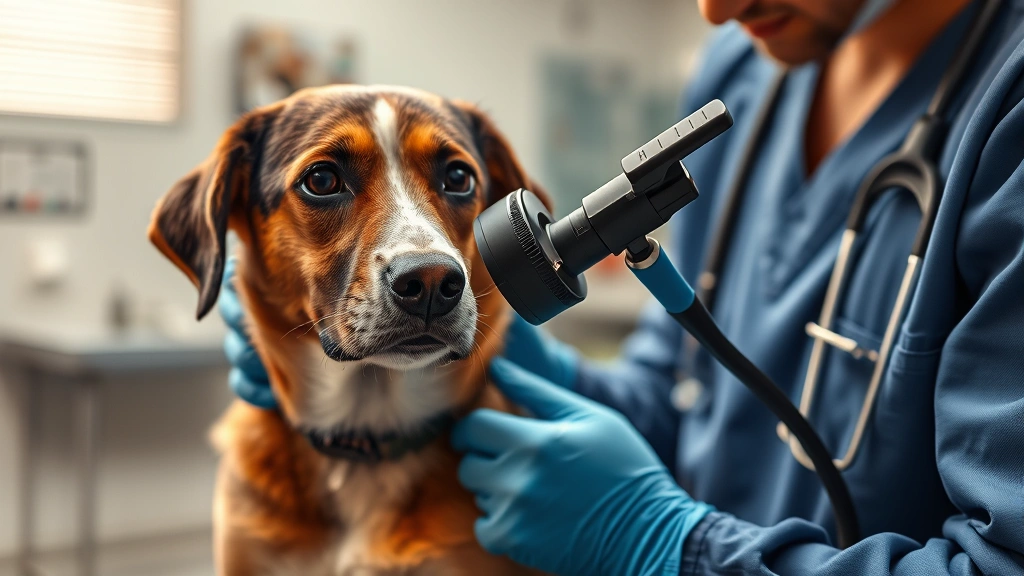
For dogs with allergies, witch hazel might provide temporary relief from itching, but it won’t address the underlying allergy. You’ll need to work with your vet to identify and manage the allergen. For dogs with yeast or bacterial skin infections, witch hazel alone won’t cut it—you’ll need prescription medications.
If your dog is on any medications, check with your vet before adding witch hazel to the mix. Some medications might interact with it, or the combination might cause unexpected side effects. This is especially important for dogs taking oral medications or those with compromised immune systems.
For dogs with digestive issues or those taking supplements for sensitive stomachs, be extra cautious about any topical products they might ingest. Learn more about Sensitive Stomach Supplements to understand how various products might affect your dog’s overall health.
The Bottom Line on Witch Hazel for Dogs
So, can you use witch hazel on dogs? Technically, yes—but only if it’s alcohol-free, and only for minor, non-serious skin issues. Even then, it’s not a miracle cure, and it shouldn’t be your first line of defense for any skin problem.
The safest approach is to talk to your vet before using any home remedy on your dog, especially if the issue is persistent or seems serious. Your vet knows your dog’s health history and can recommend the best course of action. Sometimes that might be witch hazel; often it will be something else.
Remember, your dog can’t tell you if something’s bothering them beyond showing you they’re scratching or uncomfortable. Taking a cautious approach to home remedies is just part of being a responsible pet parent. When in doubt, reach out to a professional. That’s what they’re there for.
Frequently Asked Questions
Is witch hazel toxic to dogs?
Standard witch hazel with alcohol can be toxic to dogs if ingested or absorbed through the skin. Alcohol-free witch hazel is much safer, but should still be used cautiously and only with veterinary approval.
Can I use witch hazel on my dog’s ears?
While some people use diluted witch hazel for ear cleaning in dogs, this should only be done under veterinary guidance. The ear canal is sensitive, and improper application could cause damage. Always consult your vet first.
What should I do if my dog ingests witch hazel?
If your dog ingests standard witch hazel with alcohol, contact your vet or poison control immediately. If it’s alcohol-free witch hazel in small amounts, monitor your dog for any signs of distress, but still call your vet to be safe.
Are there prescription alternatives to witch hazel for dogs?
Yes, absolutely. Your vet can prescribe medicated shampoos, topical antibiotics, antifungal treatments, or oral medications depending on your dog’s specific skin condition. These are often more effective than home remedies.
How long does it take for witch hazel to work on dogs?
If witch hazel is going to help, you should see some improvement within a few days. If the issue persists beyond that, it’s definitely time to see your vet, as the underlying cause might require professional treatment.
Can I make my own dog-safe witch hazel?
You could theoretically make your own by steeping witch hazel bark in water without alcohol, but this is risky if you’re not sure about proper preparation. It’s safer and easier to just buy a commercial alcohol-free product or consult your vet for recommendations.





