

When it comes to keeping your furry best friend healthy, canine-specific probiotics are like tiny wellness warriors working behind the scenes in your dog’s gut. These beneficial bacteria can transform your pup’s digestive health, boost immunity, and even improve their coat quality. But with so many options flooding the market, how do you know which ones actually work? Let’s dig into the science, the hype, and the real deal when it comes to choosing the best probiotics for your dog.
Table of Contents
- What Are Canine-Specific Probiotics and Why Do Dogs Need Them?
- The Science Behind Dog Gut Health and Probiotic Benefits
- When Should You Consider Probiotic Supplements for Your Dog?
- Top 5 Canine-Specific Probiotics Worth Your Money
- Choosing Quality: What to Look for in Probiotic Products
- Understanding Prebiotics vs. Probiotics for Dogs
- Potential Side Effects and Safety Considerations
- How Long Before You See Results?
- Probiotics as Part of Your Dog’s Preventative Care Plan
- Over-the-Counter vs. Prescription Probiotics
- Frequently Asked Questions
- The Bottom Line on Canine-Specific Probiotics
What Are Canine-Specific Probiotics and Why Do Dogs Need Them?
Think of your dog’s digestive system as a bustling city. The good bacteria are like responsible citizens keeping everything running smoothly, while bad bacteria are the troublemakers causing chaos. Canine-specific probiotics are live microorganisms—primarily beneficial bacteria strains like Lactobacillus and Bifidobacterium—that are specifically formulated for dogs’ unique digestive needs.
Unlike human probiotics (which your dog definitely shouldn’t steal from your bathroom cabinet), dog probiotics are tailored to your pup’s pH levels, enzyme production, and gut flora composition. Your dog’s gut is fundamentally different from yours, so generic probiotics just won’t cut it. The good news? A healthy gut means better digestion, fewer bathroom surprises, and a happier, healthier dog overall.
The Science Behind Dog Gut Health and Probiotic Benefits
Your dog’s microbiome isn’t just about digestion—it’s basically the command center for their entire health. Research shows that a balanced gut microbiome supports immune function, reduces inflammation, and even influences mood and behavior. When your dog’s gut bacteria get out of whack (a condition called dysbiosis), you might notice diarrhea, vomiting, allergies, or that notorious dog breath.
Canine-specific probiotics work by colonizing the intestinal tract with beneficial bacteria that crowd out the bad guys and restore balance. Studies have shown that quality probiotics can reduce antibiotic-associated diarrhea, support immune response, and improve overall digestive efficiency. It’s not magic—it’s microbiology.
When Should You Consider Probiotic Supplements for Your Dog?
Not every dog needs probiotics, but several situations call for them. If your dog has recently finished a course of antibiotics, probiotics are basically essential—antibiotics don’t discriminate between good and bad bacteria, so you need to repopulate the beneficial strains. Dogs with sensitive stomachs, chronic diarrhea, or food allergies often benefit tremendously from sensitive stomach supplements that include probiotic support.
Senior dogs, puppies during their developmental phase, and dogs with compromised immune systems are also excellent candidates. Even healthy dogs can benefit from preventative probiotic support—think of it as health insurance for their gut. Stressed dogs (yes, your anxious pup can have stress-related gut issues) often show improvement with probiotic supplementation.
Top 5 Canine-Specific Probiotics Worth Your Money
Let’s talk about the heavy hitters in the probiotic world. These aren’t just random supplements—they’re formulated with your dog’s digestive needs in mind.
1. Proviable-DC Capsules
This is the gold standard that veterinarians actually recommend. Proviable contains a proprietary blend of beneficial bacteria plus a prebiotic to feed those good guys. It comes in capsules you can open and sprinkle on food, making administration painless. The formula includes Enterococcus faecium and Lactobacillus acidophilus—the heavy hitters of the probiotic world.
2. Probiotic Everyday for Dogs
This powder formula is perfect for picky eaters since it mixes seamlessly into food. It contains multiple Lactobacillus and Bifidobacterium strains plus inulin as a prebiotic. The powder format means you can easily adjust dosing for different dog sizes, from Chihuahuas to Great Danes.
3. FortiFlora Probiotic Supplement
Developed by veterinary nutritionists, FortiFlora is specifically designed for dogs with digestive upset. It contains Enterococcus faecium and includes fructooligosaccharides (FOS) as a prebiotic. Many vets prescribe this for post-antibiotic recovery, and it actually tastes decent enough that most dogs will eat it willingly.
4. Native Pet Probiotics
This newer player on the scene uses a soil-based organism approach with Bacillus subtilis and other strains. It’s shelf-stable without refrigeration and comes in easy-to-use daily packets. The formula includes pumpkin and sweet potato for additional digestive support.
5. Visbiome for Dogs
If you want the Cadillac of probiotics, this is it. Visbiome contains 10 different bacterial strains and is based on extensive clinical research. It’s pricier, but if your dog has serious digestive issues, the investment might be worthwhile.

Choosing Quality: What to Look for in Probiotic Products
Not all probiotics are created equal, and the supplement industry is notoriously unregulated. When evaluating pet supplement ingredient transparency, look for these red flags and green flags.
Check the CFU count (Colony Forming Units)—this tells you how many live bacteria you’re actually getting. Most quality dog probiotics contain between 1-10 billion CFUs per dose. Lower counts are basically expensive placebos. Look for multiple bacterial strains rather than just one—diversity is good for your dog’s microbiome.
Verify that the product is specifically formulated for dogs. Human probiotics often contain xylitol or other ingredients that are toxic to dogs. Check for third-party testing certifications and look for products that include a prebiotic component (like inulin or FOS) to feed those beneficial bacteria. Refrigeration requirements usually indicate the bacteria are still alive, which is actually a good sign.
Understanding Prebiotics vs. Probiotics for Dogs
Here’s where people get confused: prebiotics aren’t bacteria—they’re the food that bacteria eat. Probiotics are the actual beneficial bacteria. Think of it like this: probiotics are the residents, and prebiotics are the grocery store. The best formulations include both.
Common prebiotics in dog supplements include inulin, FOS (fructooligosaccharides), and pumpkin fiber. These aren’t digested by your dog’s stomach acid, so they make it to the colon intact where the beneficial bacteria feast on them. This is why quality canine-specific probiotics often include prebiotic components—they’re setting up the bacteria for success.
Potential Side Effects and Safety Considerations
The good news? Probiotics are generally very safe for dogs. The bad news? Your dog might experience temporary digestive adjustments when starting probiotics. Some dogs get mild gas, loose stools, or increased bowel movements for the first few days as their gut flora rebalances. This usually resolves within a week.
If your dog has a compromised immune system or is critically ill, check with your vet before starting probiotics. Also, be aware of potential pet supplement interactions with medications. Some antibiotics might reduce probiotic effectiveness, so timing matters. Generally, space probiotics at least 2 hours away from antibiotics.
Never give your dog human probiotics—many contain ingredients toxic to canines. Stick with products specifically formulated for dogs and always follow dosing instructions on the label.
How Long Before You See Results?
Patience is key with probiotics. You won’t see overnight miracles, but most dogs show noticeable improvements within 2-4 weeks of consistent supplementation. Some dogs respond faster, especially if they’re recovering from antibiotic use. Chronic digestive issues might take 6-8 weeks to fully resolve.
The key is consistency—probiotics work best when given daily. Missing doses sets back your progress, so establish a routine. Many pet parents add probiotic powder to their dog’s regular meals at the same time each day, making it a no-brainer habit.
Probiotics as Part of Your Dog’s Preventative Care Plan
While probiotics are fantastic for addressing existing issues, they’re even better for prevention. Including preventative care supplements like probiotics in your dog’s wellness routine can help avoid digestive problems before they start. Senior dogs especially benefit from ongoing probiotic support to maintain gut health as they age.
Think about combining probiotics with a high-quality diet, regular exercise, and routine vet checkups. Your dog’s gut health is interconnected with their overall wellness, so a holistic approach works best.
Over-the-Counter vs. Prescription Probiotics
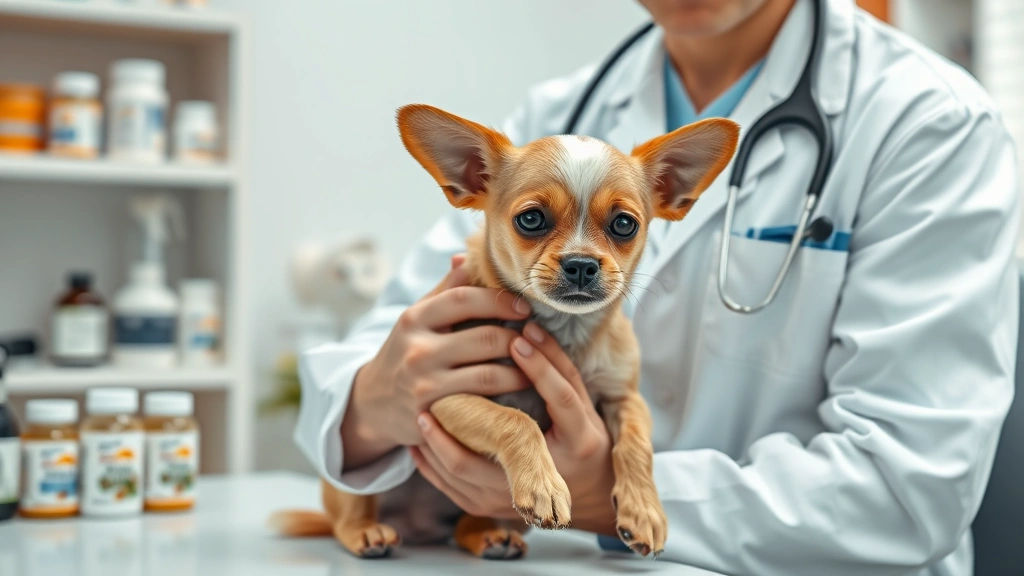
Your vet might recommend prescription probiotics like FortiFlora or Proviable, or they might suggest over the counter pet supplements. Both can be effective, but prescription options often have more rigorous quality control and veterinary backing.
OTC probiotics are more budget-friendly and readily available, but you need to do your homework on quality. Some excellent OTC options rival prescription products in terms of effectiveness. The best choice depends on your dog’s specific situation and your vet’s recommendations.
Frequently Asked Questions
Can I give my dog human probiotics?
No, definitely not. Human probiotics are formulated for human digestive systems and often contain xylitol or other ingredients toxic to dogs. Always use canine-specific probiotics designed for your dog’s unique gut biology.
How much do quality dog probiotics cost?
Quality canine-specific probiotics typically range from $20-60 per month, depending on the brand and your dog’s size. Prescription options might be pricier, but OTC options offer good value if you choose reputable brands.
Will probiotics help my dog’s itchy skin?
Possibly. Since gut health influences immune function and inflammation levels, probiotics can indirectly help with allergies and skin issues. However, they’re not a cure-all for allergies—address the root cause with your vet while using probiotics as supportive therapy.
How do I know if my dog’s probiotics are actually working?
Look for improved digestion, firmer stools, less gas, better energy levels, and improved coat quality. Your dog might also seem more comfortable and have fewer bathroom emergencies. Keep a journal of any changes you notice.
Can puppies take probiotics?
Yes, puppies can benefit from probiotics, especially during weaning or after vaccination. However, use formulations specifically designed for puppies and consult your vet about appropriate dosing for your pup’s age and size.
Do all dogs need probiotics?
Not necessarily. Healthy dogs eating high-quality diets might not need supplemental probiotics. However, dogs with digestive issues, recent antibiotic use, or immune challenges absolutely benefit from them. When in doubt, ask your vet.
The Bottom Line on Canine-Specific Probiotics
Your dog’s gut health is foundational to their overall wellness, and canine-specific probiotics are a proven way to support digestive balance and immune function. Whether you’re dealing with current digestive issues or practicing preventative care, the right probiotic can make a real difference in your dog’s quality of life.
The key is choosing quality products specifically formulated for dogs, maintaining consistency, and giving them time to work. Not every probiotic is created equal, so do your research and don’t hesitate to ask your vet for recommendations. Your dog’s happy gut means a happier, healthier, and more comfortable companion for years to come.





