
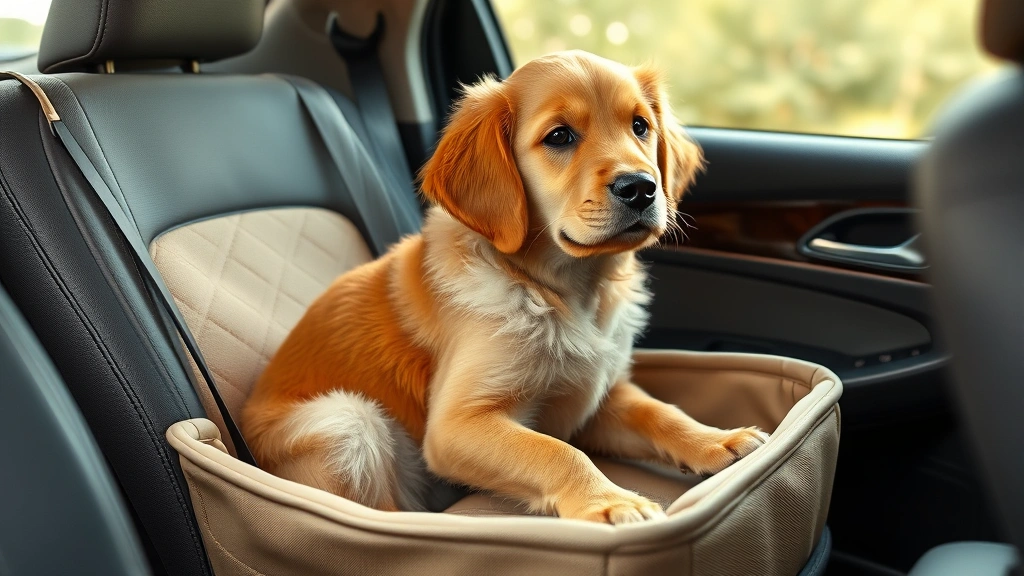
A car seat for dogs isn’t just a fancy accessory—it’s literally a lifesaver on wheels. If you’ve ever had your furry copilot sliding across the back seat like they’re auditioning for Fast & Furious, you know exactly why pet car seats matter. Not only do they keep your pup secure during sudden stops, but they also prevent that adorable face from becoming a windshield ornament in case of an accident. Let’s dive into the world of doggy travel safety and find the perfect seat for your four-legged road trip buddy.
Table of Contents
- Why Your Dog Needs a Car Seat (Seriously)
- Types of Dog Car Seats: Which One’s Right for You?
- The Top 5 Dog Car Seats We’re Obsessed With
- Installation Tips That Actually Work
- Small Breed vs. Large Breed Considerations
- Making the Transition: Training Your Dog to Love Their Seat
- Maintenance and Cleaning Your Dog’s Car Seat
- Budget-Friendly vs. Premium Options
- Travel Tips Beyond the Car Seat
- Frequently Asked Questions
- Final Thoughts: Your Dog Deserves Better Than the Back Seat
Why Your Dog Needs a Car Seat (Seriously)
Look, we get it—your dog is probably the goodest boy or girl, and they’ve never caused a problem in the car. But here’s the thing: physics doesn’t care about good behavior. In a sudden stop, an unrestrained 50-pound dog becomes a 2,500-pound projectile. That’s not cute anymore. A proper car seat for dogs distributes impact forces and keeps your pup from becoming a furry missile.
Beyond the safety angle, a dedicated dog car seat reduces distractions while you’re driving. When Fido isn’t climbing into your lap or barking at every squirrel, you can actually focus on the road. Plus, dogs that are properly secured tend to experience less anxiety during travel, which means fewer accidents and more peaceful drives. According to the American Kennel Club, unrestrained pets are involved in thousands of accidents annually.

Types of Dog Car Seats: Which One’s Right for You?
Not all dog car seat solutions are created equal. We’ve got booster seats, full-size car seats, travel crates, and harness systems. Each has its own vibe depending on your dog’s size, temperament, and your vehicle setup.
Booster seats are perfect for smaller dogs (under 15 pounds). They elevate your pup so they can see out the window—because watching the world go by is basically a dog’s favorite entertainment. Travel crates work great for anxious dogs who feel safer in an enclosed space, and they’re excellent for travel feeding solutions for pets since you can keep food and water bowls inside. Full-size car seats are like the premium loungers for dogs who like to sprawl out. And harness systems are the minimalist approach—simple, effective, and perfect for dogs who don’t need a full seat.

The Top 5 Dog Car Seats We’re Obsessed With
After researching dozens of options and reading through hundreds of reviews from actual pet parents, here are our five favorite car seats for dogs that actually deliver on their promises.
1. The Luxury Lounger (Best for Comfort)
If your dog is basically royalty and demands the finer things in life, this elevated booster seat is their throne. It features memory foam cushioning, waterproof fabric, and side handles that make installation a breeze. Dogs under 30 pounds absolutely love the cozy nest design, and the elevated position gives them the perfect sightseeing angle. The washable cover is a game-changer for those inevitable car snack incidents.

2. The Safety Champion (Best for Protection)
This hard-sided car seat is basically a fortress for your furry friend. It’s DOT-compliant and has been crash-tested to ensure maximum protection. The reinforced frame and safety harness attachment points make this the choice for safety-conscious pet parents. It works for dogs up to 20 pounds and fits securely in most vehicle seats.
3. The Adventure Crate (Best for Anxious Dogs)
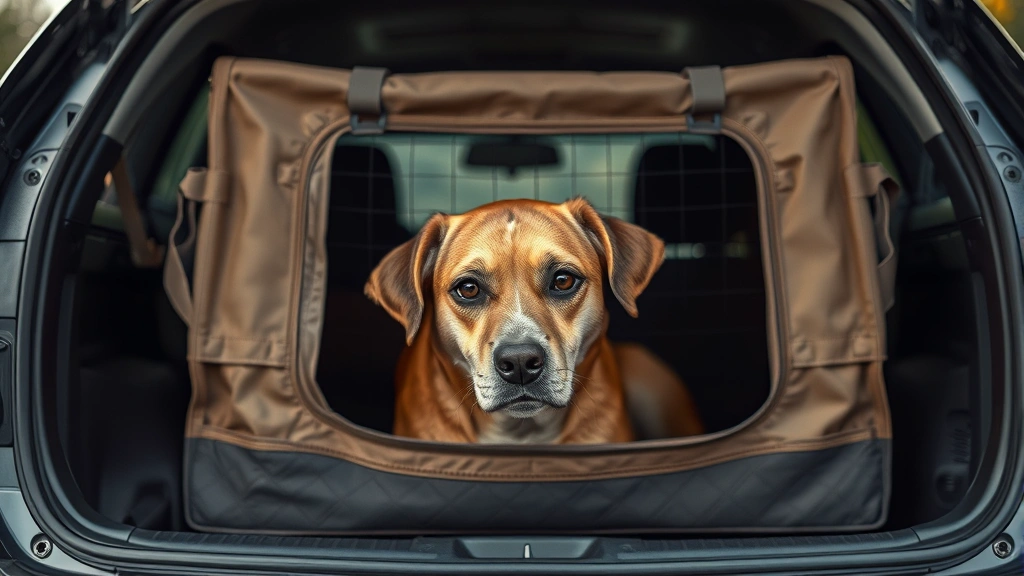
Some dogs just feel better in enclosed spaces—it’s their happy place. This collapsible travel crate folds down to a fraction of its size for storage, making it perfect for road trips. The mesh panels provide ventilation while maintaining that den-like feeling. Plus, you can set up pet sitter feeding solutions inside with bowls for longer journeys.
4. The Multi-Purpose Maven (Best for Versatility)
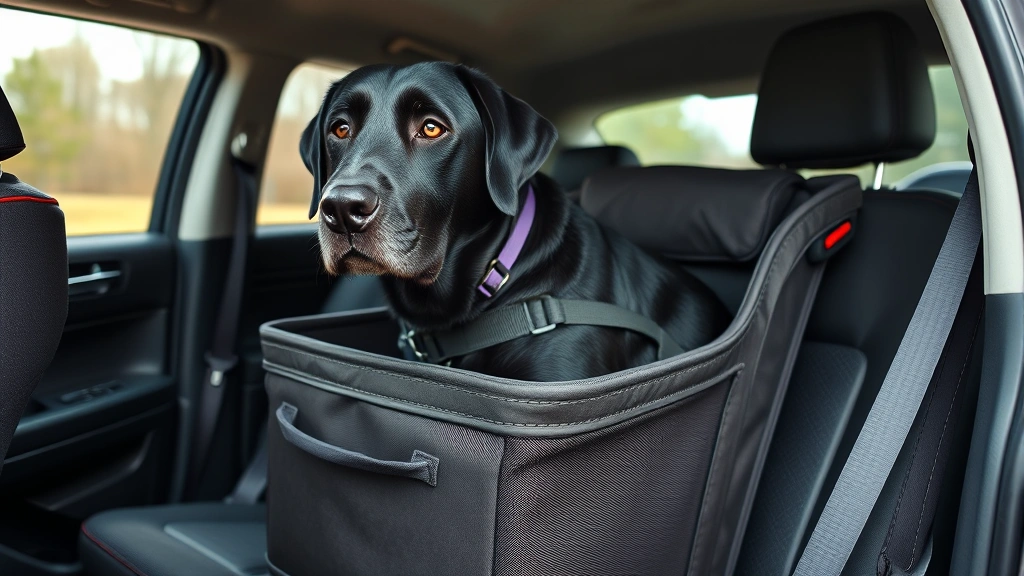
This convertible seat works as both a car seat and a bed at home. The removable cushion means you’re getting double duty from your investment. It fits mid-sized dogs (15-40 pounds) and has multiple attachment options for different vehicle types. The durable construction means it’ll last through years of adventures.
5. The Minimalist Harness (Best for Budget-Conscious Pet Parents)
Sometimes you don’t need bells and whistles—you just need your dog to stay put. This crash-tested harness system is lightweight, affordable, and surprisingly effective. It connects to your vehicle’s existing seat belts and keeps your pup secure without taking up much space. Perfect for dogs of various sizes and ideal if you frequently switch between vehicles.
Installation Tips That Actually Work
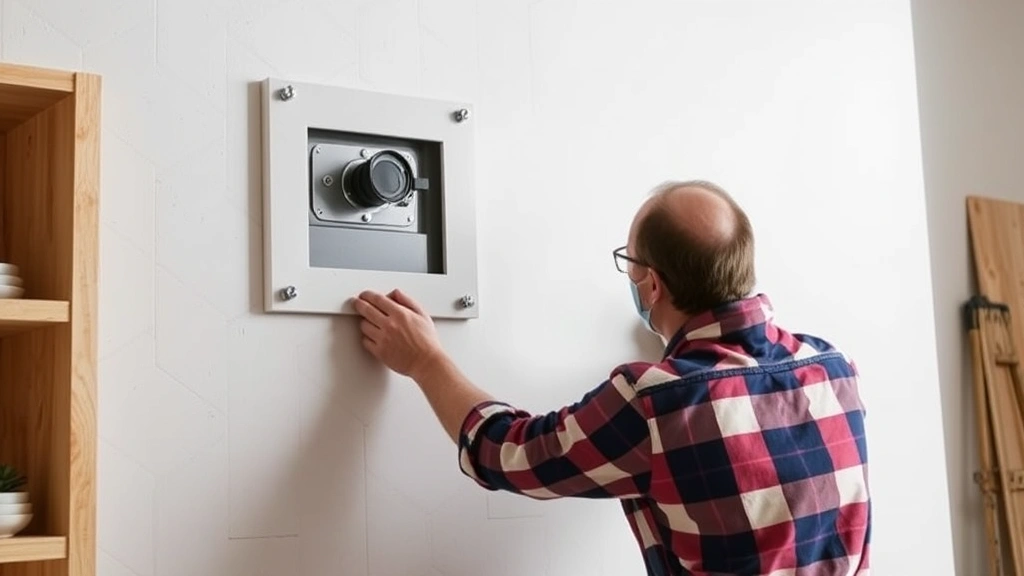
Here’s where most people mess up: they install their car seat for dogs incorrectly, which defeats the entire purpose. Your dog’s seat needs to be rock-solid—we’re talking no more than an inch of movement when you push it firmly. Most seats use either LATCH systems or standard seat belt anchors. Check your vehicle’s manual to figure out which your car has, then follow the manufacturer’s instructions like you’re assembling IKEA furniture (but actually read the manual this time).
Pro tip: Practice installation in your driveway before hitting the road. Nothing’s worse than realizing your setup is wonky when you’re already 30 minutes into a road trip. Also, test your dog in the seat at home first—let them get comfortable with it before you’re cruising down the highway.
Small Breed vs. Large Breed Considerations
Your tiny Chihuahua and your massive Great Dane have very different car seat needs. Small breed dogs typically do well in booster seats or elevated cushions that let them see out the window—they get anxious if they can’t see what’s happening. Large breed dogs need more substantial support and might prefer full-size car seats or travel crates where they can stretch out a bit.
According to PetMD, larger dogs are actually at higher risk during accidents due to their weight, so investing in a high-quality seat is especially important for big pups. Don’t cheap out on your German Shepherd’s safety just because they’re already massive.

Making the Transition: Training Your Dog to Love Their Seat
Your dog isn’t going to automatically think their new car seat is amazing. You need to introduce it properly. Start by letting them explore the seat while the car is parked. Throw in some treats, let them nap in it, make it a positive space. Once they’re comfortable, take short drives around the block before attempting longer journeys.
Some dogs respond well to interactive feeding games during car rides—puzzle toys or long-lasting chews can keep them entertained and help them associate car time with fun. Establish a dog feeding routine that doesn’t involve eating right before car rides though; motion sickness plus a full stomach is nobody’s idea of a good time.
Maintenance and Cleaning Your Dog’s Car Seat
Dogs are gross. They shed, they drool, they occasionally have accidents. Your car seat for dogs is going to take a beating, so choose one with removable, washable covers. Most quality seats have covers that can be tossed in the washing machine—game changer. For non-removable padding, use a pet-safe upholstery cleaner and let it dry completely before using the seat again.
Check the seat regularly for wear and tear. If the padding is compressed, the frame is cracked, or the harness is fraying, it’s time to replace it. A damaged seat won’t provide proper protection, so don’t try to squeeze extra years out of a worn-out product.
Budget-Friendly vs. Premium Options
You don’t need to spend $500 on a dog car seat, but you also shouldn’t go for the cheapest option available. A solid mid-range seat ($80-$150) will give you good quality, safety features, and durability without breaking the bank. Premium seats ($200+) offer additional features like memory foam, advanced safety testing, and superior materials.
Think of it this way: you’re protecting your dog’s life. Would you buy the cheapest car seat for your human kid? Probably not. Apply that same logic to your furry family member. Quality matters when it comes to safety.

Travel Tips Beyond the Car Seat
A good car seat for dogs is just one piece of the travel puzzle. Keep the car cool—dogs overheat quickly. Never leave your pup unattended in a parked car, even with the windows down. Bring plenty of water for hydration breaks, and plan stops every couple of hours for bathroom breaks and stretching. Some dogs get car sick, so check with your vet if your pup is prone to nausea during travel.
Frequently Asked Questions
Is a car seat for dogs actually necessary?
Yes, absolutely. A proper car seat for dogs keeps your pup safe during accidents, reduces distractions while driving, and decreases travel anxiety for many dogs. It’s not optional—it’s responsible pet ownership.
What size car seat does my dog need?
Check the weight and size specifications of each seat. Most manufacturers clearly indicate the maximum weight capacity and dimensions. Your dog should fit comfortably without being cramped, but the seat shouldn’t be so large that they slide around.
Can I use a regular car seat for my dog?
No. Human car seats aren’t designed for dogs’ body shapes or safety needs. Always use a seat specifically designed for pets.

How do I know if my dog’s car seat is installed correctly?
Push firmly on the seat from multiple angles. It should move no more than an inch. If it shifts significantly, it’s not installed properly.
Are travel crates safer than car seats?
Both can be safe if properly installed and crash-tested. Travel crates work well for anxious dogs, while car seats are better for dogs who like to see out windows. Choose based on your dog’s personality and needs.
What’s the best car seat for a large breed dog?
Large breeds typically do better in full-size car seats or travel crates that provide substantial support. Look for seats with reinforced frames and high weight capacities.
Can I leave my dog in their car seat while parked?
Not for extended periods. Always ensure proper ventilation, and never leave your dog unattended in a parked vehicle, even in mild weather.
Final Thoughts: Your Dog Deserves Better Than the Back Seat
Investing in a quality car seat for dogs is one of the smartest decisions you can make as a pet parent. It protects your furry friend, makes your drives safer and more pleasant, and shows that you’re committed to their wellbeing in every situation—even on the road.
Whether you go with a booster seat, travel crate, or harness system, the key is choosing something that fits your dog’s size, temperament, and your vehicle’s setup. Take time to properly install it and train your dog to use it, and you’ll have years of safe, happy road trips ahead.
Your dog has already claimed the title of “best passenger ever.” Now give them the seat to match that status. Safe travels, pup!





